So you’re interested in becoming a teacher, how do you get there?
To become a qualified teacher, you need to successfully complete teacher training. By doing so, you’ll achieve qualified teacher status (QTS). Follow our step-by-step guide below to begin your new career.
- Have you got the qualifications?
To be a teacher you need a degree and a GCSE grade C or equivalent in maths and English – and science if you want to be a primary teacher. Before you can start teacher training you will need to take the professional skills tests as part of the application process, and ensure you have passed them before the start of the course. - Is your knowledge of the profession up-to-date?
If you haven’t been in a classroom since you were at school, it’s probably a good idea to start speaking to any teacher contacts you may have to find out how the curriculum may have changed and learn from their inside knowledge of the profession. You can also visit online communities to learn about new education policies and changes to the curriculum. - What age range do you want to teach?
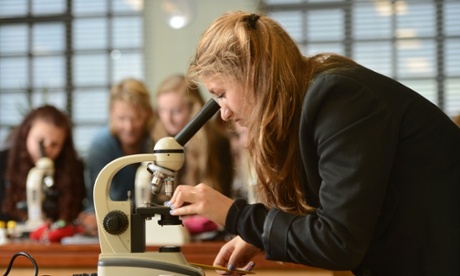
There’s primary, where you’ll work with a specific age range of children from age 3–7 or 5–11, or secondary, where you’ll teach 11–18 year olds. Getting some classroom experience will help you figure out which age range you’d like to teach. - What subject do you want to teach?
If you want to teach at secondary level, your degree should be relevant to the subject you want to teach. If you don’t have that then you might have to complete a subject knowledge enhancement course. - Have you registered with us?
Register your details with us so we can guide you through the whole process and keep you up-to-date with important news on teacher training, funding and events in your area. You can also find out if you’re eligible for extra support as part of our Premier Plus programme where you will receive additional support, such as tailored advice from a dedicated adviser, invitations to exclusive events and help in securing school experience. - Do you have enough school experience?
This is a vital part of your application – you’ll need to show that you have spent time in a school observing lessons. It can also help you decide which age range you want to teach, if you’re not sure. If you don’t know where to start, read our guide on finding classroom experience and apply to our school experience programme - What teacher training is available?
There are various types of teacher training courses, so you’ll be sure to find one that suits your circumstances and personal preferences. Spend some time finding out about each of the different training options and choose the one that suits you best.
What financial support is available?
Different teacher training courses have different funding options. Teacher training is currently offering up to £25k tax-free bursaries and scholarships for outstanding graduates, especially in certain subjects in secondary, and for primary teacher training too. Find out what funding you might be eligible for.
Need help with your application form?
When you’re ready to apply, our application form assistant and application tips can help you showcase your skills and submit the best application possible.
Secured an interview?
Make sure you give yourself a decent amount of time to prepare and read our advice on how to be sure you’ll make the best impression. Find out what to expect and how to prepare.
If you are successful at interview, you will be offered a place on a training course – and will be on track to starting your new teaching career.
If you aren’t successful at application or interview stage then don’t give up. There are plenty of alternative courses on offer, so research all of the training options that are available to you. You might be able to request feedback from the university or school you applied to, and find out how you can improve your application.
Register your details with us for tailored advice and guidance on making your application.
Content provided and managed by the Department of Education