Older homes often have plumbing systems that are worn, outdated, or unsafe. Over time, pipes corrode, joints loosen, and fixtures fail. These issues lead to leaky faucets, clogs, and even water damage that affects your home’s structure and safety.
This article provides clear steps to fix the most common plumbing issues found in older homes. Each solution addresses specific problems with practical tips you can use right away. You’ll learn what to replace, how to inspect, and which updates bring long-term reliability.
Identify Common Plumbing Problems in Old Homes
Old homes often have rusty leaky pipes that reduce water quality and pressure. These pipes can corrode from the inside, creating buildup that blocks water flow. This condition also leads to leaks that waste many gallons of water daily and can cause costly damage.
Pipe scaling is common in galvanized steel systems. Over time, minerals form layers inside the pipes. This buildup restricts flow and strains your entire plumbing system. Water may come out slowly or unevenly from faucets and showers.
Outdated fixtures may leak or break easily. These fixtures lack the efficiency of modern ones and often waste water. Lead pipes pose serious health risks, especially for children. Cracked clay sewer lines also fail under pressure and tree root invasion. Other common plumbing issues include running toilets, clogged drains, clogged toilets, weak water pressure, excessive water pressure, and unusual noises. Each of these issues signals the need for replacement or repair to prevent long-term problems.
Inspect the Entire Plumbing System Thoroughly
Before starting any repairs, inspect the full plumbing system. Engaging an experienced plumber Northcote or in your specific area of residence is recommended. A complete professional check helps you understand what’s failing and why. It also prevents missed issues that can lead to more damage later.
Look for signs of moisture around walls, ceilings, and floors. Listen for noises in the pipes when water runs. Check your water meter for unexplainable usage spikes. These small steps help detect leaks or pressure problems.
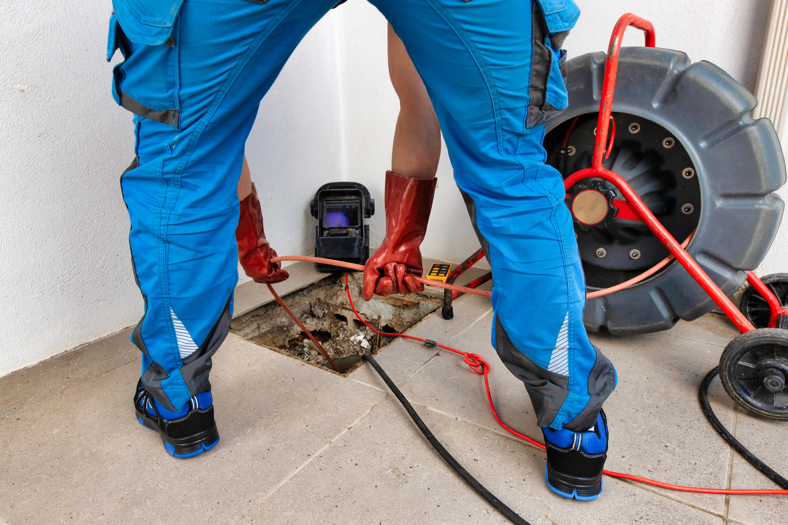
Hire a licensed plumber to run a video pipe inspection. This tool shows the inside of your pipes and reveals hidden blockages or cracks. Pressure tests also help confirm if the system holds water correctly. These professional tools provide clear data so you can plan the right fixes. Starting with a full inspection saves time and money.
Replace Outdated and Hazardous Piping Materials
Older homes often contain pipes made from galvanized steel, polybutylene, or lead. These materials are no longer safe or efficient. Galvanized steel corrodes, reducing water flow and quality. Polybutylene becomes brittle and fails without warning. Lead pipes can contaminate drinking water and create serious health risks.
Modern piping materials like PEX and copper offer better performance. PEX is flexible, resists scale, and handles freezing well. Copper lasts long and doesn’t leach harmful substances. Both types work with current plumbing codes and safety standards.
Replacing old pipes increases your home’s safety and boosts water pressure. It also cuts down on leaks and emergency repairs. Buyers value homes with upgraded plumbing. Investing in new materials improves efficiency and raises your property’s market value. Long-term savings and peace of mind make replacement a smart move.
Upgrade Fixtures and Shut-Off Valves Strategically
Old fixtures often waste water and fail without warning. Faucets may drip, toilets may run, and shut-off valves may seize. Replacing these parts improves function and prevents damage.
Choose water-saving models for all new fixtures. Low-flow faucets and toilets reduce water use without affecting performance. Look for EPA WaterSense labels to confirm efficiency. These upgrades help conserve water and lower your utility bills.
Replace shut-off valves that no longer turn or leak. Modern valves offer better control and last longer. Install them near sinks, toilets, and appliances for quick access. A working shut-off valve can stop leaks fast and avoid costly repairs.
New fixtures improve comfort and raise your home’s value. They also reduce future maintenance. Strategic upgrades make your plumbing system stronger and more efficient.
Address Root Intrusion and Sewer Line Blockages
Older homes often have clay or cast-iron sewer lines buried underground. These materials crack over time. Small gaps allow tree roots to enter and grow inside the pipes. Once inside, the roots expand, block flow, and break the pipe.
Slow drains, bad odors, and sewage backups suggest a blocked line. Root intrusion damages pipes and creates major health risks. Ignoring it leads to bigger and more expensive problems.
Hydro jetting clears roots and buildup using high-pressure water. It’s safe and effective when done by professionals. For severe damage, trenchless sewer repair works well. This method replaces broken sections without digging up your yard.
Fixing root issues early protects your home and yard. Modern repair methods reduce mess and cost. Regular inspections and fast action keep your system working long-term.
Conclusion
Many older homes hide plumbing issues that worsen over time. Think about your home’s pipes, fixtures, and water pressure. If you’ve seen signs of trouble, it’s time to take control. Leaks, clogs, and corrosion will not fix themselves.
Consider when you last inspected your plumbing system. A small issue today may become a major expense later. Staying ahead of problems protects your home, health, and savings. Acting now means fewer surprises and better performance.
One smart step is setting up a routine maintenance schedule with a licensed plumber. Regular checks catch early signs of wear or damage. A trusted expert can help plan upgrades, monitor pressure, and extend the life of your system. Consistent care ensures your plumbing stays safe and reliable for years.


.png?w=600)