

Coupon clipping takes a lot of time, and most people simply lack the hours to scour the internet. They want significant savings without taking on an extra administrative burden. Fortunately, grocery stores offer massive discounts to shoppers who simply observe their surroundings. You can slash your weekly bill just by understanding store layouts and inventory cycles. Discounts hide in plain sight, so you just must know where to look for them.
Scan the “End Caps” with Caution
Stores place large displays at the end of aisles, which retailers call end caps. These areas often feature sale items, but you must be careful. Manufacturers pay for this prime placement, so sometimes the item is new rather than cheap. Look specifically for yellow sale tags or signs that indicate a price drop. If the display has a “clearance” banner, stop your cart immediately. These are the true deals, unlike the flashy soda displays that charge full price.
Locate the “Distressed” Bakery Rack
Every bakery section has a hidden discount rack that usually sits in a corner. Employees stock it every morning with yesterday’s unsold bread and pastries. These items sell for fifty to eighty percent off their original sticker price. The bread remains fresh enough for eating and also freezes perfectly for toast. You can buy premium artisan loaves for just one dollar. Grab these deals early in the day for the best selection.
Find the “Ugly” Produce Bin
Produce managers cull their shelves daily to remove apples with bruises or bananas with spots. They bag these items and mark them down to move them quickly. Look for a bin labeled “Manager’s Special” near the back of the produce section. You can often get five pounds of apples for two dollars. These fruits work perfectly for baking or smoothies since the cosmetic flaws do not affect the taste.
Utilize the Store Brand Strategy
You do not need a coupon to save money if you just switch brands. Store brands sit right next to national brands and often come from the same factory lines. They cost less simply because they do not advertise on television. Reach for the generic box on the right and compare the ingredients list yourself. You will likely find they are identical, which gives you an instant discount.
Monitor the “Meat Markdown” Cycle
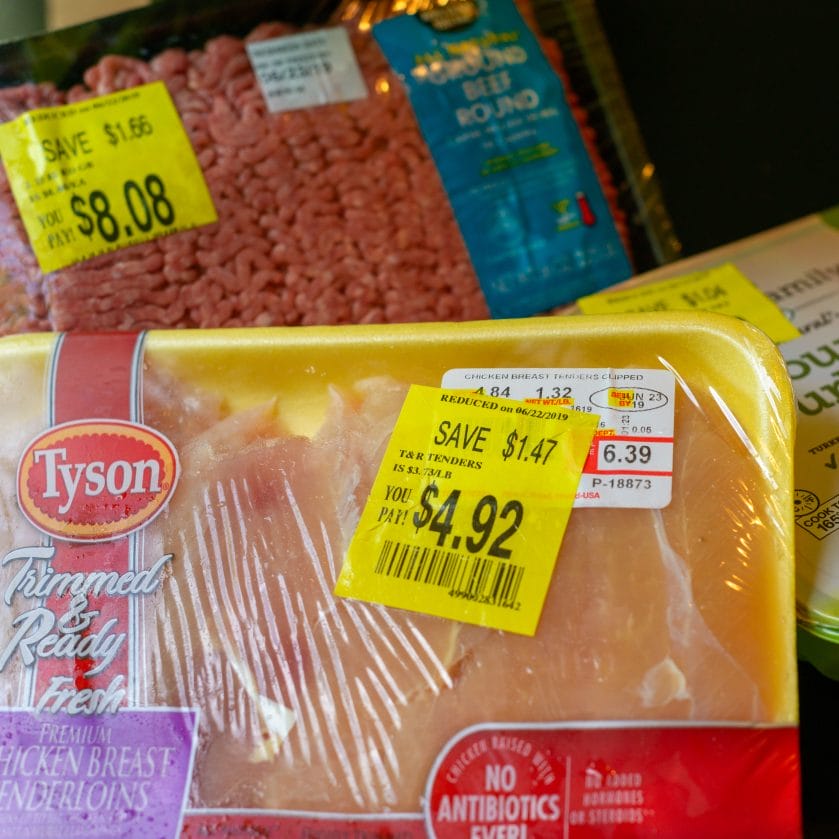
Meat is the most expensive item on your list, and is also the most perishable. Butchers must sell meat before the sell-by date to avoid throwing it away. They attach bright yellow coupons to these packages to encourage a quick sale. The discount ranges from thirty to fifty percent off the regular price. Shop early in the morning to find these deals, then freeze the meat immediately.
Check the Digital Ad on Entry
You do not need to clip coupons to browse the weekly ad. Open the store’s app as you walk in and look at the “Weekly Ad” section. Focus entirely on the front page deals, which are the store’s “loss leaders.” The store loses money on these items just to get you inside. Base your meal plan around these few items to get the lowest price in town.
Ask for a Rain Check
Empty shelves are frustrating, but they are also a hidden financial opportunity. If a sale item is gone, go to customer service and ask for a rain check. This slip of paper secures the sale price for you to use at a later date. You can return when the item is stocked and get the deal at that time.
Observational Savings
Savings do not require scissors, but they do require you to use sharp eyes. Look for the stickers, check the bottom shelves, and buy the generic options. You will lower your bill simply by paying attention to the store’s visual cues.
What to Read Next
Do Loyalty App Rewards Really Save You More Than Paper Coupons?
7 Coupon Stacking Strategies That Save the Most on Your Winter Grocery Bill
Why Checking Unit Pricing Could Save You More Than a Coupon
6 Store Policies That Can Help You Score More Grocery Deals
Why Shopping at Three Different Stores for Deals Is No Longer Saving You Money
The post How to Find the Best Grocery Deals Without Clipping a Single Coupon appeared first on Grocery Coupon Guide.