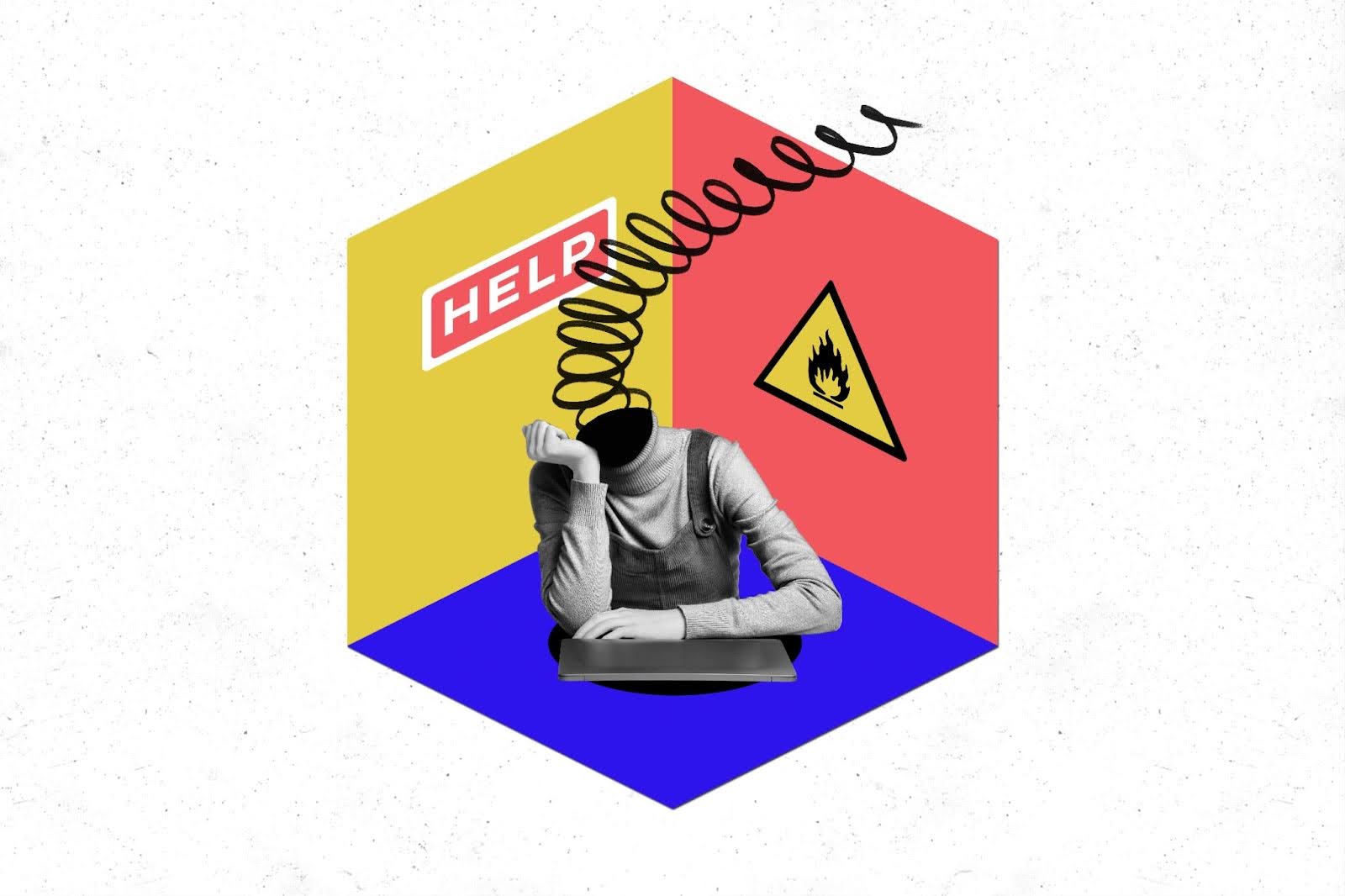
For those of us who work online or from home, the line between professional and private life has grown blurrier — well, at least since March 2020. So many industries have jumped ship to account for remote work or work outside of the traditional models.
Australia’s Right to Disconnect law is a good push in the right direction towards respecting workers’ time and personal lives. But it’s a whole new battle being waged against us these days, and workers need to know how to protect themselves from nefarious agents. One of these sneaky, insidious agents is digital fatigue.
The ultimate goal in addressing digital fatigue lies in reclaiming our attention, our energy, and our presence in an overstimulated, blue-lit world. Here are some ways to fight digital fatigue like a real freedom fighter.
Joy is Analog(ous): Pick up Some Screen-Free Hobbies
Far beyond millennial yearning for the good ole’ days and Gen Z jealousy, going analog provides real respite from digital overload. In other words, going old school is far from old hat.
For some people, that might mean returning to face-to-face meetings at work or dusting off the board game collection on the weekends. And for others, it truly may mean reverting to a “dumb” flip phone again.
Some bona fide analog opportunities include reading books, knitting, cooking, taking a walk around your neighbourhood using only the street signs, and journaling. Even the simple act of putting pen to paper can do wonders for combating digital fatigue.
If you want to embrace the art of journaling, now could be the perfect time to hone your penmanship and daily note-taking skills so you can hit the ground running next year with an annual planner for 2026. Soon enough, your daily scribbling and note-taking can turn into a solid habit that provides a recurring respite from digital fatigue daily.
Your Attention Is Precious: Keep It Safe
It’s easy to take for granted how much will and effort it takes to focus on one thing at a time. But the fact of the matter is that we live not only in a digital economy but also in an attention economy. And not to be too reductive, but our attention spans are, in a way, a finite resource.
In juggling work emails, text messages, social media notifications, and digital to-do lists, some days it can feel like everything is vying for our attention constantly. It’s no wonder so many of us are always so drained because no one can truly focus on everything, everywhere, all at once without giving something up…usually our sanity.
Thankfully, tech manufacturers and software engineers are actually becoming more mindful of this themselves, which has led to digital wellness features being integrated into all of our most commonly used user interfaces. Nowadays, we can protect our attention by using focus modes on our smart devices when needing to work. This way we can curb our urges to look at social media for a dopamine hit every ten minutes, setting ourselves up for long-form focus and deep work.
Then there are self-implemented techniques for preserving your own attention. If you keep getting distracted during work or study, you can block the pesky websites that keep distracting you. And if you must jump around between tasks and emails, you can try focus techniques like Pomodoro: 25 minutes, 5-minute break, and repeat. You'll get more done with less burnout and feel less inclined to a quick reward.
If we can teach ourselves to improve our attention spans, then we will naturally stress less and find that time doesn’t disappear so quickly.
Sleep Is King: Everything Revolves Around It
One symptom of the strange fusion of digital and personal life is that not even our bedtime is safe anymore. We’ve all done it: scrolling through social media at night in bed just before going to sleep. In fact, for many, the hour (or three) before bedtime is social media time – doomscrolling time. They’ve got you right where they want you, when you’re at your most vulnerable and tired. When we should be refuelling our attention spans and giving our brains and bodies a welcome rest, digital technology is primed to keep us riding on empty effortlessly.
We need to recondition ourselves to treating our sleep like something sacred, like when we were kids. This is where our analog habits can come into play again. Be committed: no screens at all, at least an hour before bed. Replace that scrolling habit with drinking a cup of tea, reading a book, or maybe even doing some light stretches right before bed.
In the pursuit of a good night’s sleep every single night, some netizens are even making their bedrooms phone-free zones and going back to waking up with a good old-fashioned alarm clock. If this feels too extreme for you, however, then just start with small disciplines, like charging your phone on a faraway dresser rather than within arm’s reach on your bedside table.
Fight Digital Fatigue, Fight For Your Freedom
The fight against digital fatigue is far more than some hip, new self-care trend. It is a quiet rebellion against the gradual invasion of our time and autonomy. None of us chose to live in a world where Apple TV’s Severance looks less and less like satire each day. But we can choose how we respond to it and reclaim our attention in small yet powerful ways every single day.
The Right to Disconnect law might be a legal victory for workers, but the deeper battle against digital fatigue is a personal one. This isn’t about quitting technology entirely or abandoning the digital world as a whole. Rather, it’s about setting boundaries – drawing a line in the sand, and reclaiming our minds as our centre.