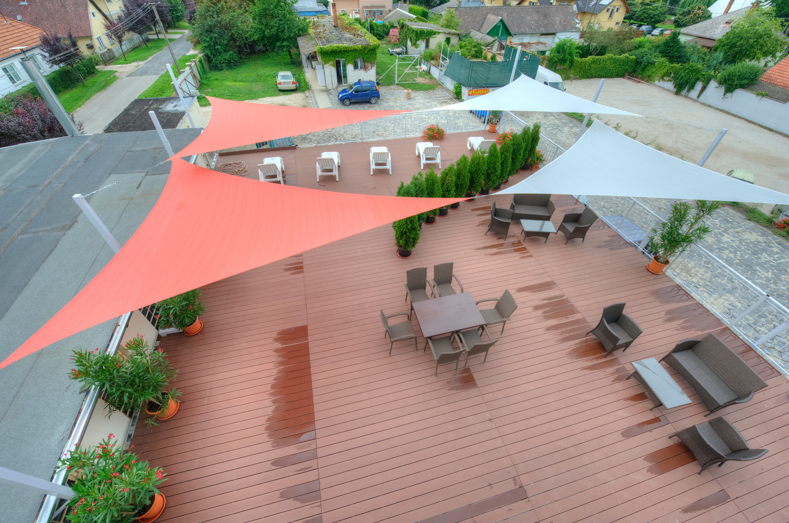
Many businesses struggle to keep up with customer demands for comfortable outdoor spaces. With shifting expectations around wellness, open-air experiences, and social distancing, a lack of outdoor options limits your ability to compete. Businesses that don’t adapt risk losing foot traffic, decreasing customer retention, and limiting potential revenue.
Outdoor areas remain unused or underused in many commercial properties. These missed opportunities affect both customer satisfaction and operational capacity. The inability to seat more guests, hold outdoor events, or display products outdoors restricts growth. Seasonal changes further complicate outdoor use, making it harder to maintain consistent service and atmosphere.
Commercial canopies provide a direct, reliable way to fix this problem. They expand usable space, enhance curb appeal, and improve comfort across all seasons. This guide outlines practical ways to use them effectively for business growth.
1. Identify Your Outdoor Space Potential
Start by walking around your property and listing every outdoor area available. Look at parking lots, sidewalks, courtyards, rooftops, and any unused patches of grass or pavement. Even small corners can serve a new purpose with the right design.
Track where people usually walk, stand, or wait. This tells you where to add seating, shade, or displays. Match your canopy placement with how your customers move and gather. Ensure their experience is smooth and comfortable from entry to exit.
Before starting construction, check local zoning rules and property lines. Some cities limit permanent structures or require permits. Ignoring these rules may lead to fines or removal orders. Speak with a licensed contractor or local authority to understand the limits.
A clear evaluation of your outdoor space helps you design smart, usable areas that support your goals.
2. Choose the Right Type of Canopy for Your Needs
Start by comparing different canopy types. Retractable awnings allow flexibility and are ideal for changing weather. Permanent structures work well for long-term setups that need stability. Pop-up tents offer easy setup for short-term events. Sail shades provide a modern look and cover wide areas with minimal hardware. Reliable suppliers of commercial shade canopies should have most of these shade types, allowing you to choose according to your needs.
Select a canopy based on your business model. Cafés may need retractable or sail options for patios. Car dealerships often use large permanent canopies for display areas. Event spaces may switch between pop-up and permanent types depending on use.
Always factor in durability and weather resistance. Choose materials that withstand sun, rain, and wind. Look for UV protection, water-resistant fabric, and strong frames. A canopy should not only perform well but also match your building's look.
Choosing the right canopy improves both function and appearance.
3. Plan the Layout and Functional Zones
Divide your outdoor area into clear zones based on your services. Set aside space for dining, lounging, waiting, or product displays. Group related activities together to improve comfort and reduce crowding. Each zone should serve a clear purpose and support your operations.
Make sure customers and staff can move easily between zones. Leave wide paths for foot traffic and accessibility. Avoid placing furniture or displays in walkways. This reduces delays and keeps the flow natural.
Use visual cues to mark different areas. Add lighting to guide people after dark. Use outdoor furniture that suits each zone’s function. Place signs where customers can see them without confusion. These simple tools help create a more organized and attractive setup.
A well-planned layout supports comfort, order, and a better customer experience.
4. Enhance Comfort with Climate Considerations
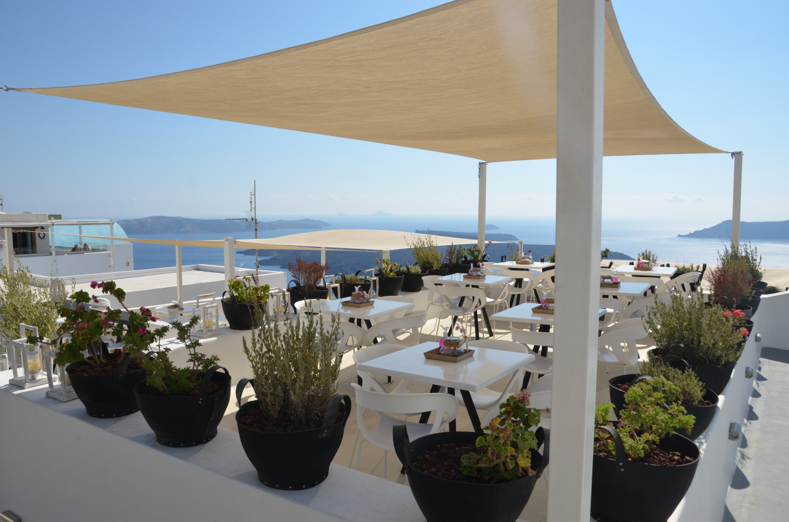
Select canopies with built-in weatherproof features to protect your space year-round. Look for UV protection to reduce heat and shield customers from harmful rays. Choose waterproof fabric to keep areas dry during rain. Strong frames and wind-resistant designs prevent damage during storms.
Add climate control tools to improve comfort during extreme weather. Use fans or misting systems in hot months to cool the space. During colder months, install outdoor heaters to maintain warmth. These features help you serve customers regardless of season.
Install roll-down panels or sidewalls for added coverage. These act as barriers against wind, rain, or direct sunlight. They also add a sense of privacy and enclosure when needed. Choose clear or branded panels to maintain visibility and style.
Enhancing climate comfort keeps customers relaxed and encourages them to stay longer.
5. Integrate Branding and Visual Appeal
Design your canopy to reflect your brand. Choose colors that match your logo and store theme. Add branded text or logos to the fabric for clear visibility. A custom canopy makes your space look more professional and easy to recognize.
Use lighting and outdoor décor to boost appeal. Hang string lights or install spotlights to highlight key areas. Add planters, flowers, or greenery to soften the space. These small upgrades make your canopy more inviting and visually balanced.
Create a look that stands out in photos. Use clean layouts, bold colors, and eye-catching features. This encourages people to take pictures and post them online. A canopy that appears often on social media helps attract new customers and boosts your brand reach.
A well-designed canopy strengthens your image and invites attention from all directions.
Conclusion
Many businesses overlook the power of a well-used outdoor space. With the right canopy setup, you can turn empty areas into income-generating zones. More comfort, better flow, and added style all help attract and retain more customers.
Evaluate how well your current space works for your goals. If customers avoid staying long or skip your business altogether, a better outdoor setup may fix that. A smart investment in canopies can unlock your location’s full potential and improve overall satisfaction.
One final tip—consider using solar-integrated canopies. These units shade your space while generating clean energy. You cut power costs and reduce your carbon footprint at the same time. This upgrade supports long-term savings and shows your business values innovation and sustainability.