
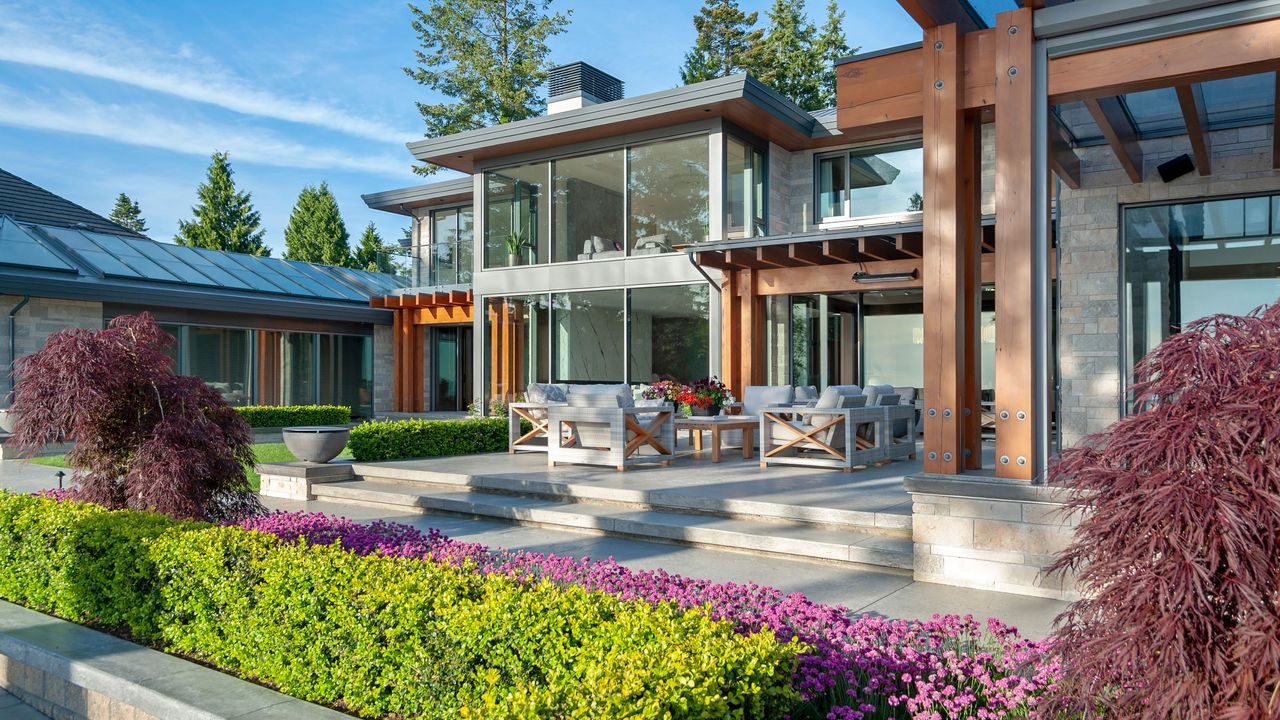
Knowing how to design a patio will set you up for the ultimate al fresco dining experience, so your summer nights, leading to cooler seasons, will undoubtedly be memorable.
And that's where patio ideas come in, knowing what works for you, what designs will fit your home's overall aesthetic, and what you can do to bring those patio designs to life.
There's so much you can do with the space. From adding garden lighting ideas to patio plants, understanding how to design a patio, the right way, is the key to a more functional and, of course, stylish outdoor living space.
Without further ado, I've spoken to a few talented garden designers and architects to gather some inspiration on how to design a patio, and here's what they had to say about it.
1. First, Determine How Your Patio Will Be Used
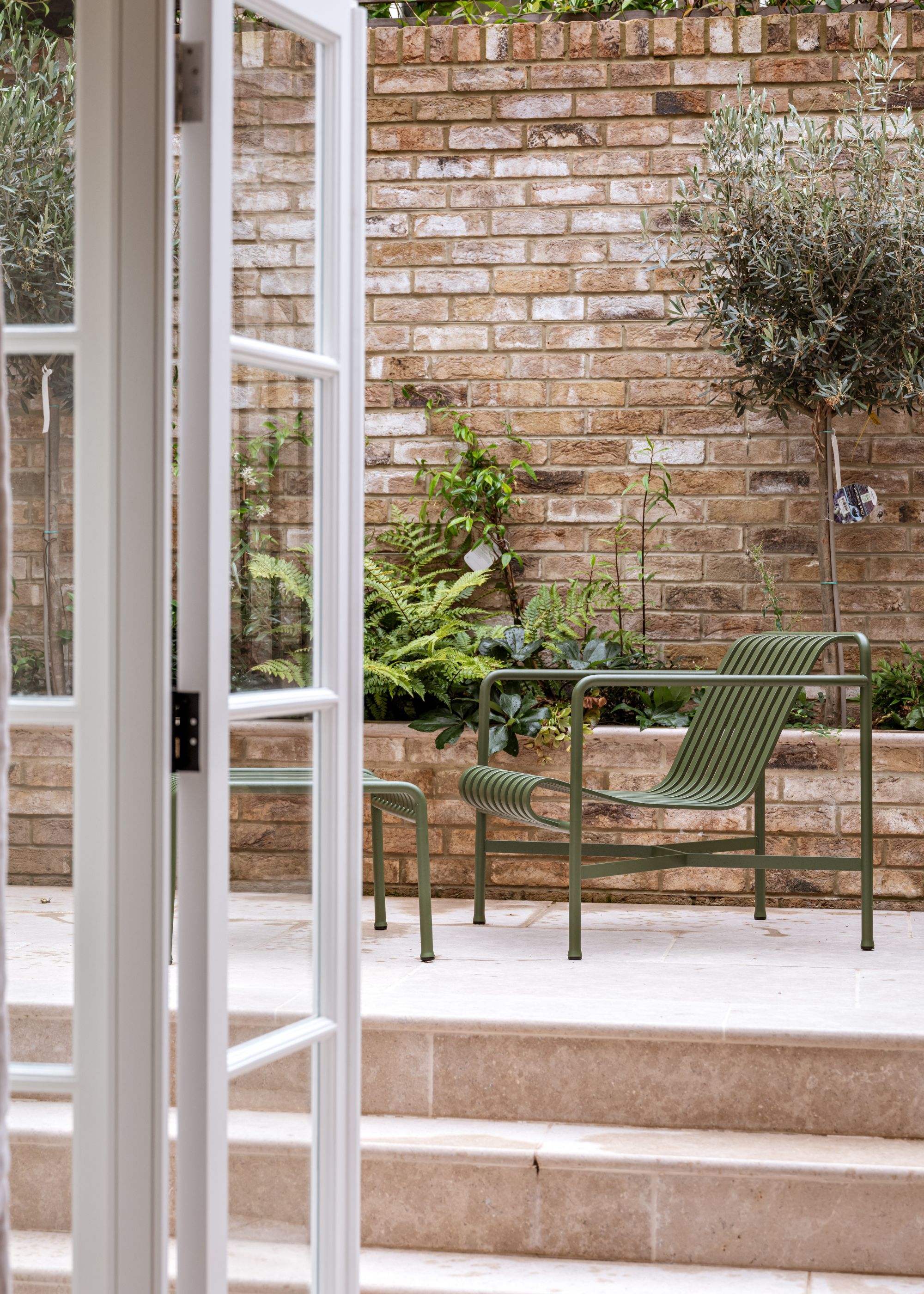
Before designing and bringing your big or perhaps small patio ideas to life, you'll want to determine how you want to utilize this area of the home. Will you be the forefront of your entertaining area, or are you keen to add a small outdoor kitchen? However you choose to use it, planning is key.
"Before you think about shape, style, or materials, get clear on how your patio will function in your daily life," says Trent Brown, a landscape expert and the founder of Ground Break Design. "Is it where you’ll host summer dinners? Read quietly with a morning coffee? Gather around a fire on cool evenings? All of the above? The way you plan to use the space will guide every decision that follows."
He continues, "An entertaining patio might need multiple seating zones and a close vicinity to your indoor kitchen. Or maybe you need to include space for an outdoor kitchen. A patio designed for relaxation might mean something smaller and more secluded, further away from the house. Often, these patios feel closer to nature and are immersed in the garden for a private feel."
As for a multi-purpose patio, Trent says it "requires an open and flexible layout with movable furniture that can let the space change and adapt to everything from yoga to large dinners and backyard games."
2. Decide on Your Planting Scheme and Layout
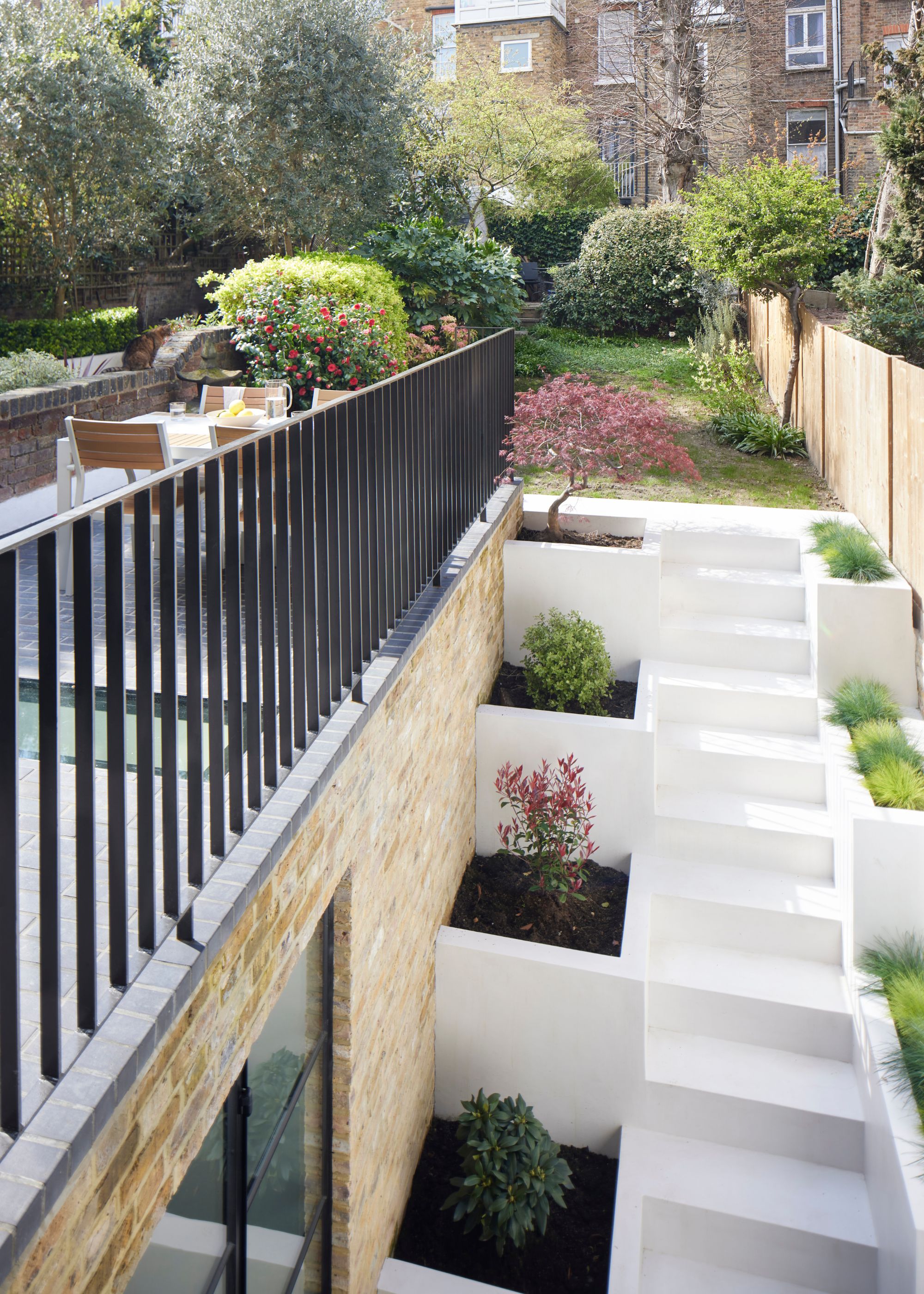
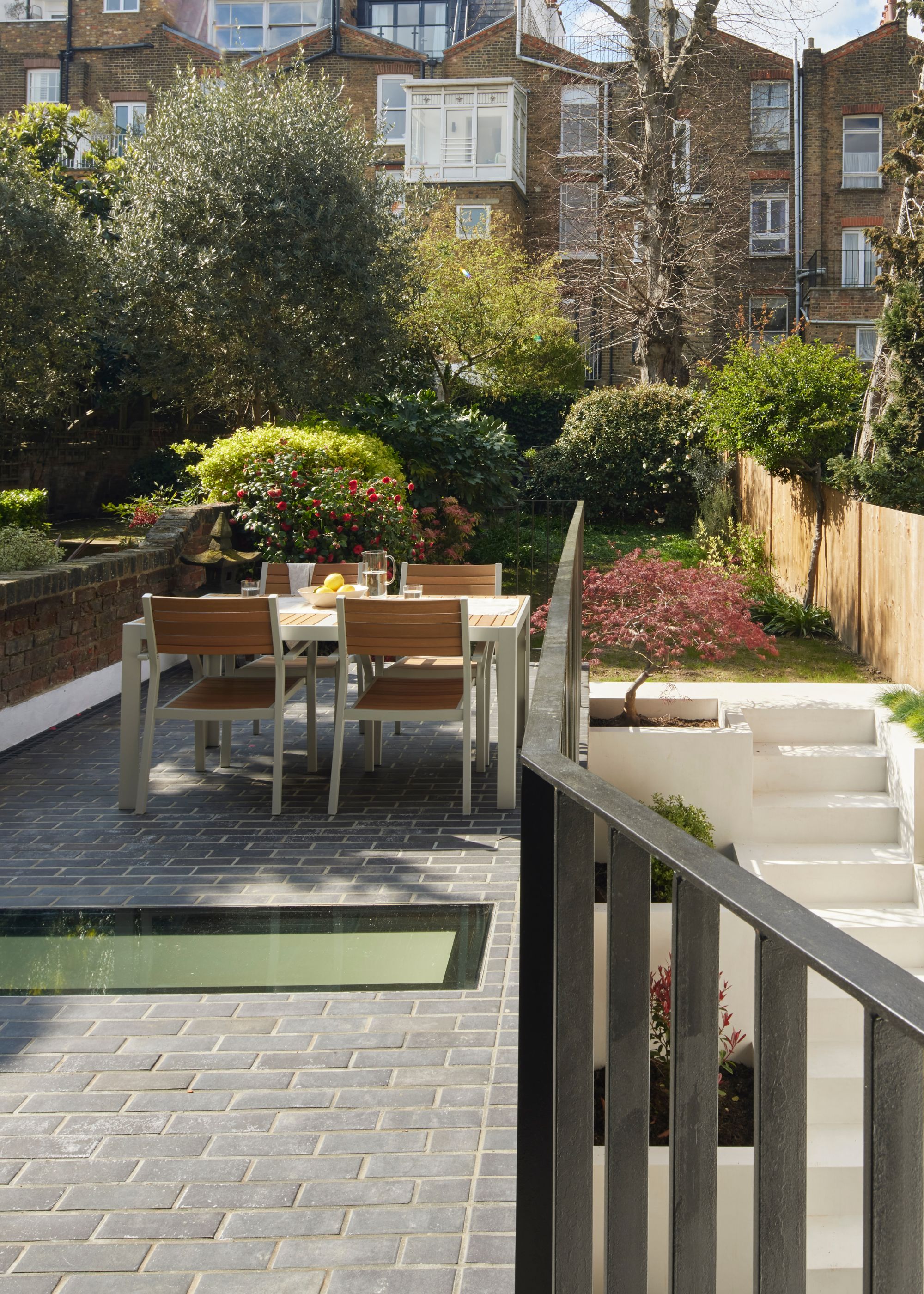
When designing a patio, it's important to consider your planting scheme and choose the right plants for a tranquil patio. In this London home, designed by Brosh Architects, the upper patio space embraces nature in a more minimal, yet sophisticated manner.
Brosh Architects founder and architect Lior Brosh tells me, "The patio was designed as both a lightwell and a living space, using stepped planters, a linear flowerbed, and black brick paving to create depth, contrast, and greenery." The use of plants in this way creates depth and interest within this outdoor space.
Lio continues, "The bright microcement finish of the steps and planters provides a clean backdrop, allowing the colors of the plants to stand out year-round.”
3. Choose the Right Lighting for Your Patio
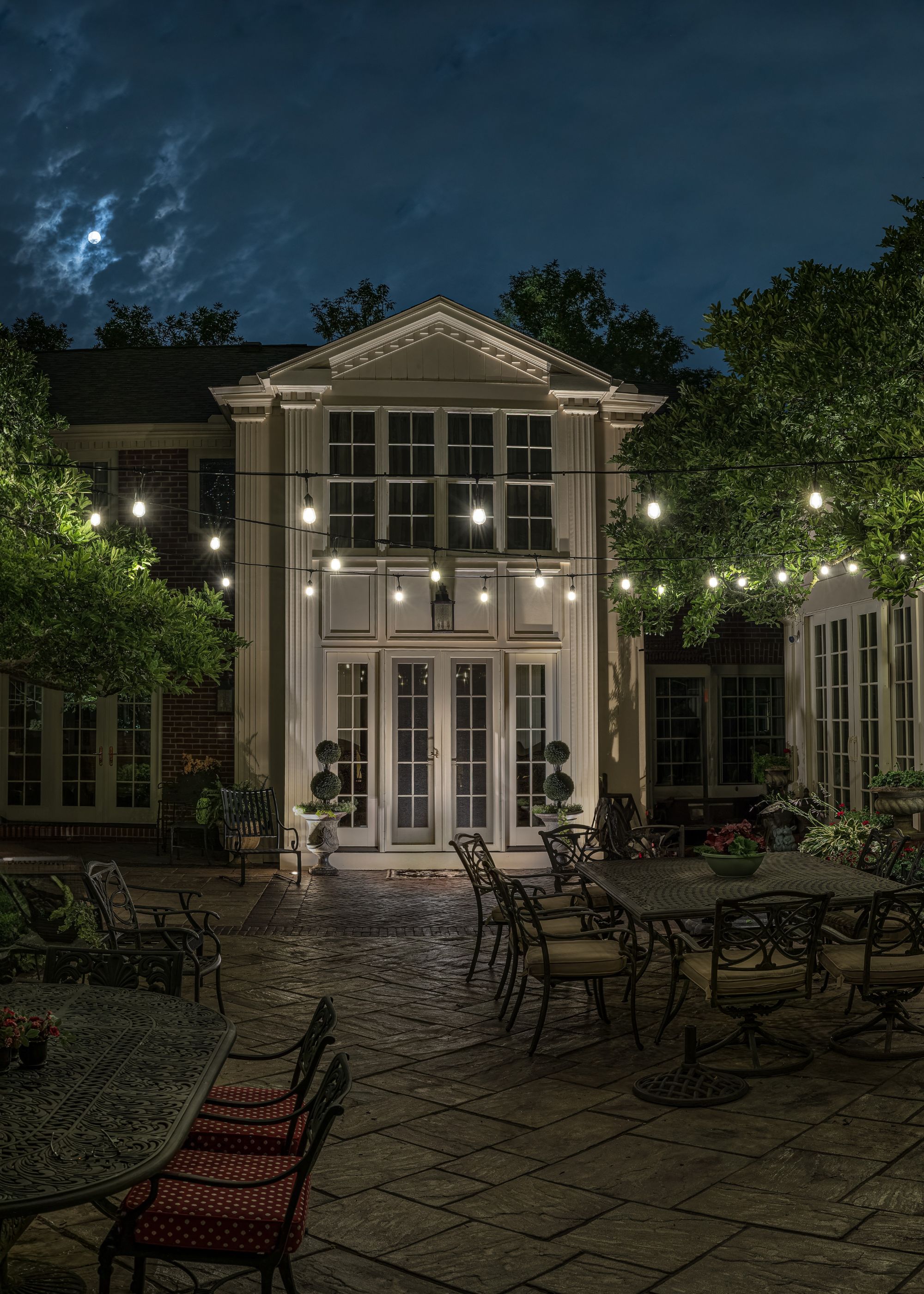
During the design process of your patio, understanding outdoor lighting trends will allow you to choose the best pieces for your space. Whether it's festoon lights or you're simply looking to add a few uplighters to brighten up your patio — understanding your space and what it needs will give it a charming and elevated feel during al fresco nights.
Lighting designer Chris Apfelstadt tells me, "Lighting is what transforms a patio from simply a functional space into an experience."
In this design, Chris says they opted for festoon lights, "often called bistro or café lights, because they strike the perfect balance between practicality and charm. By suspending them overhead, they softly define the patio’s perimeter and create a canopy of warm, ambient light."
He continues, "Unlike traditional landscape lighting, the visible bulbs add a decorative touch, giving the space a relaxed, celebratory feel. We also love that they’re dimmable, so we can shift from a gentle glow for an intimate evening to brighter light for hosting friends. It’s about creating layers of light that make the patio inviting and usable well after sunset."
4. Opt for Patio Flooring That Is Durable and Seamless in Design
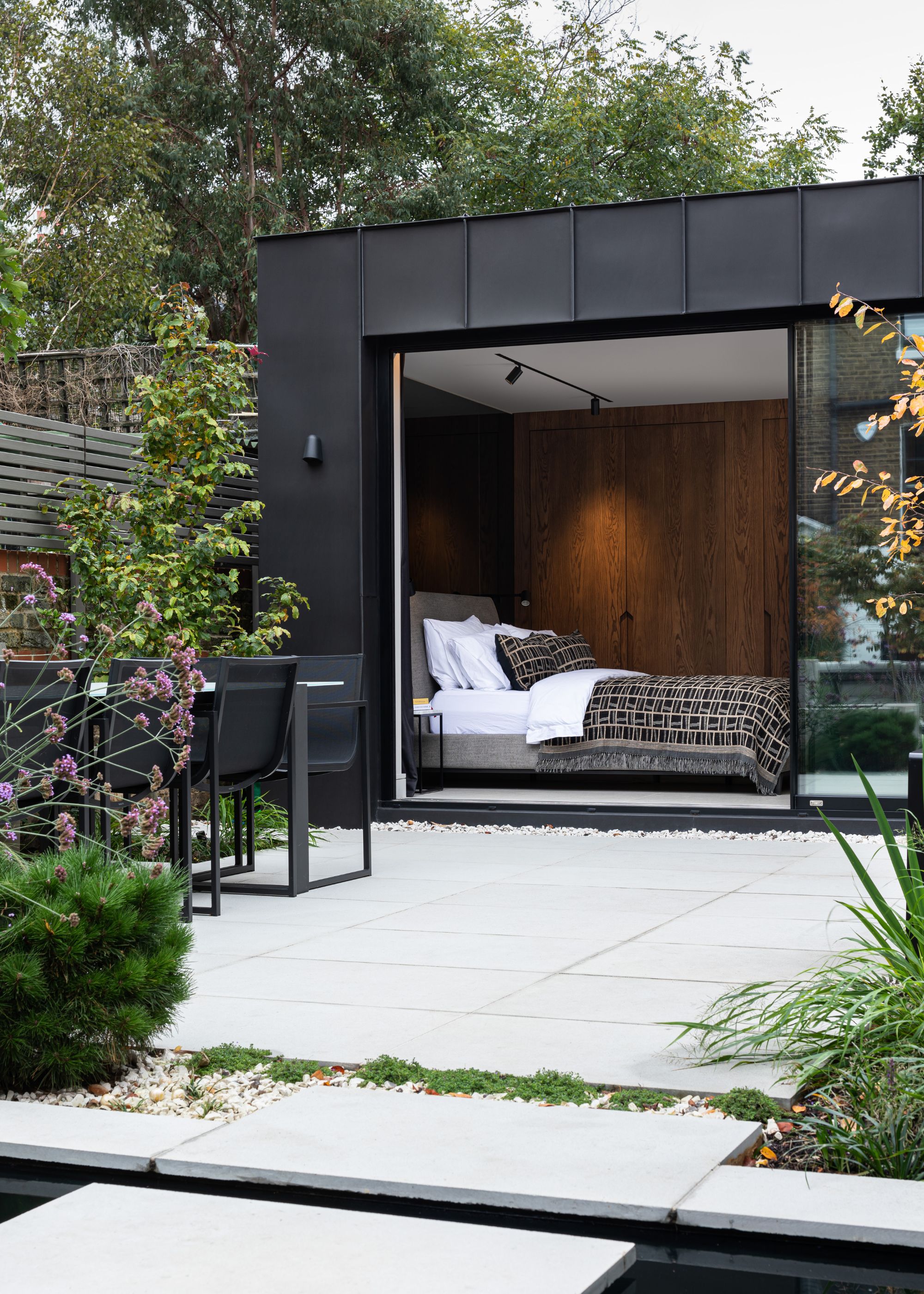
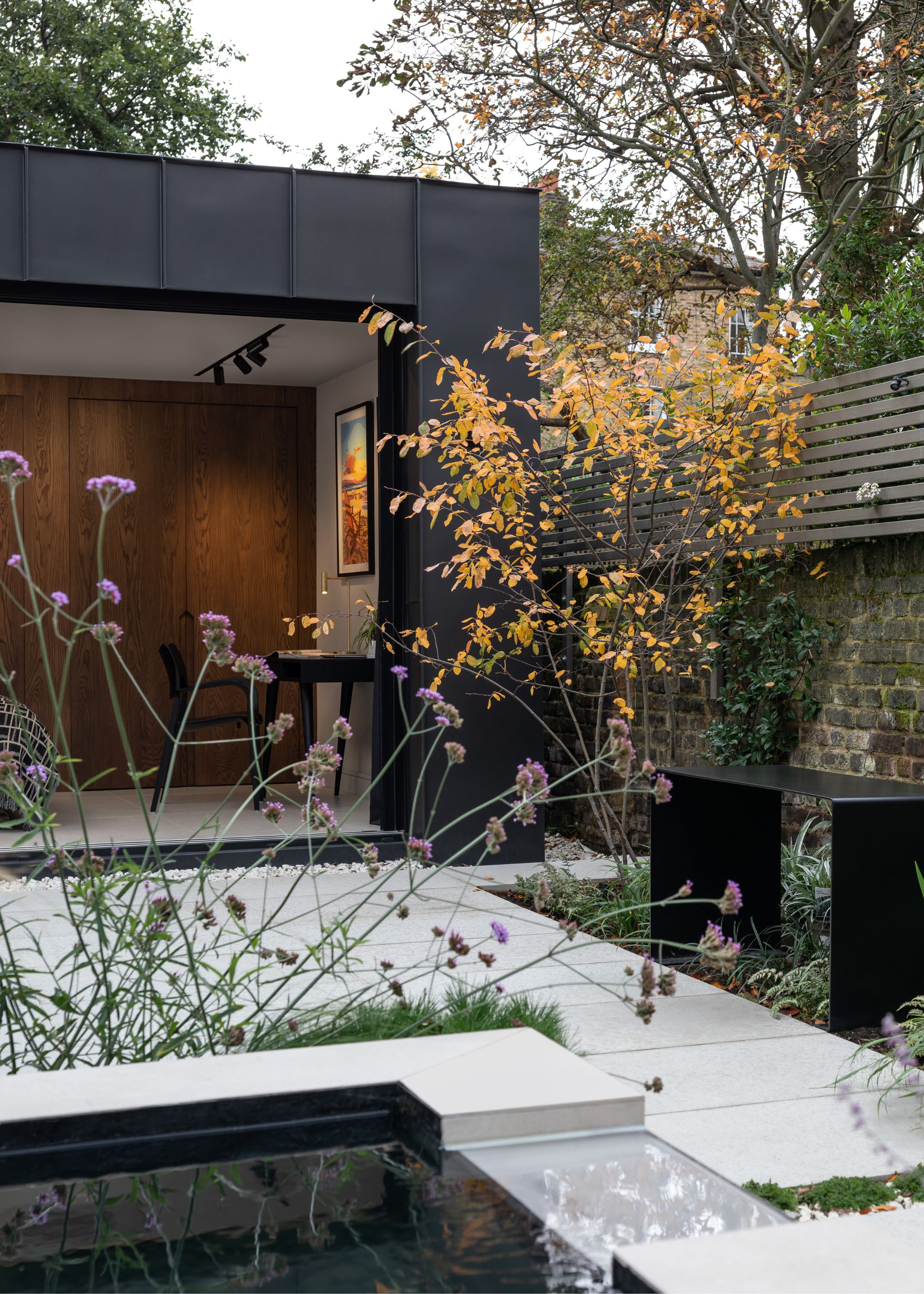
Selecting the right patio flooring is key to a sleek and seamless patio design. "Choosing an external floor finish (I think) is vital in the overall aesthetic and practicalities of the garden," explains Peter Lynn, designer and Co-founder of MALIN+LYNN. "The sandstone pavers chosen were pre-sealed, to help with long-term maintenance, and the dimensions were purposely chosen to coordinate with other aspects of the overall design."
He continues, "Be mindful that it's an external space and will get dirty over time, so always consider reducing grout lines where possible and choosing a durable finish to help keep the patio looking fresh and clean throughout the year."
Speaking on the patio above, Peter tells me, "The rear garden outbuilding was constructed as part of a wider Landscape Design scheme, a collaboration with Emma O'Connell Garden Design. Large format (900mm x 600mm) sandstone pavers were used throughout to create a seamless transition from the rear of the house to the outbuilding at the back of the garden."
5. Integrate Shade and Comfortable Seating
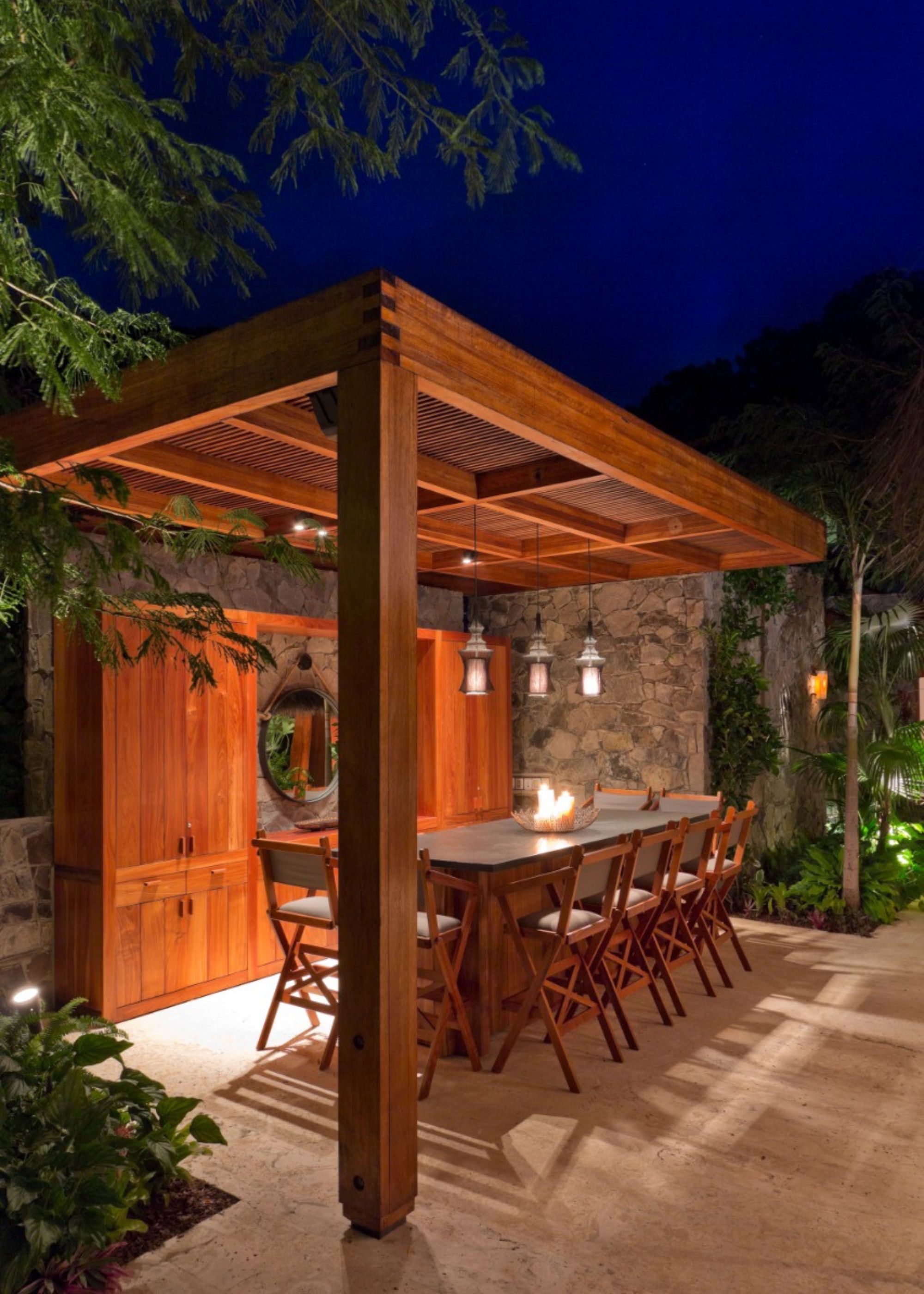
Perfect for those late-night outdoor dining ideas, shade and comfortable seating will have your guests wanting to stay at your garden party for much longer. When designing a patio, it's also important to take note of your comfort zones outdoors, and that's where shade — like the pergola idea above, designed by Kenya Rodriguez Estudio — and seating come to play.
"For me, shade and comfortable seating are key to great patio design," says Peter Lynn from MALIN+LYNN. "Shade turns a bright, sometimes harsh and hot outdoor space into a cool, welcoming retreat, while comfortable seating invites people to linger, connect, and enjoy the moment."
He adds, "Together, they create a space that feels both functional and inviting."
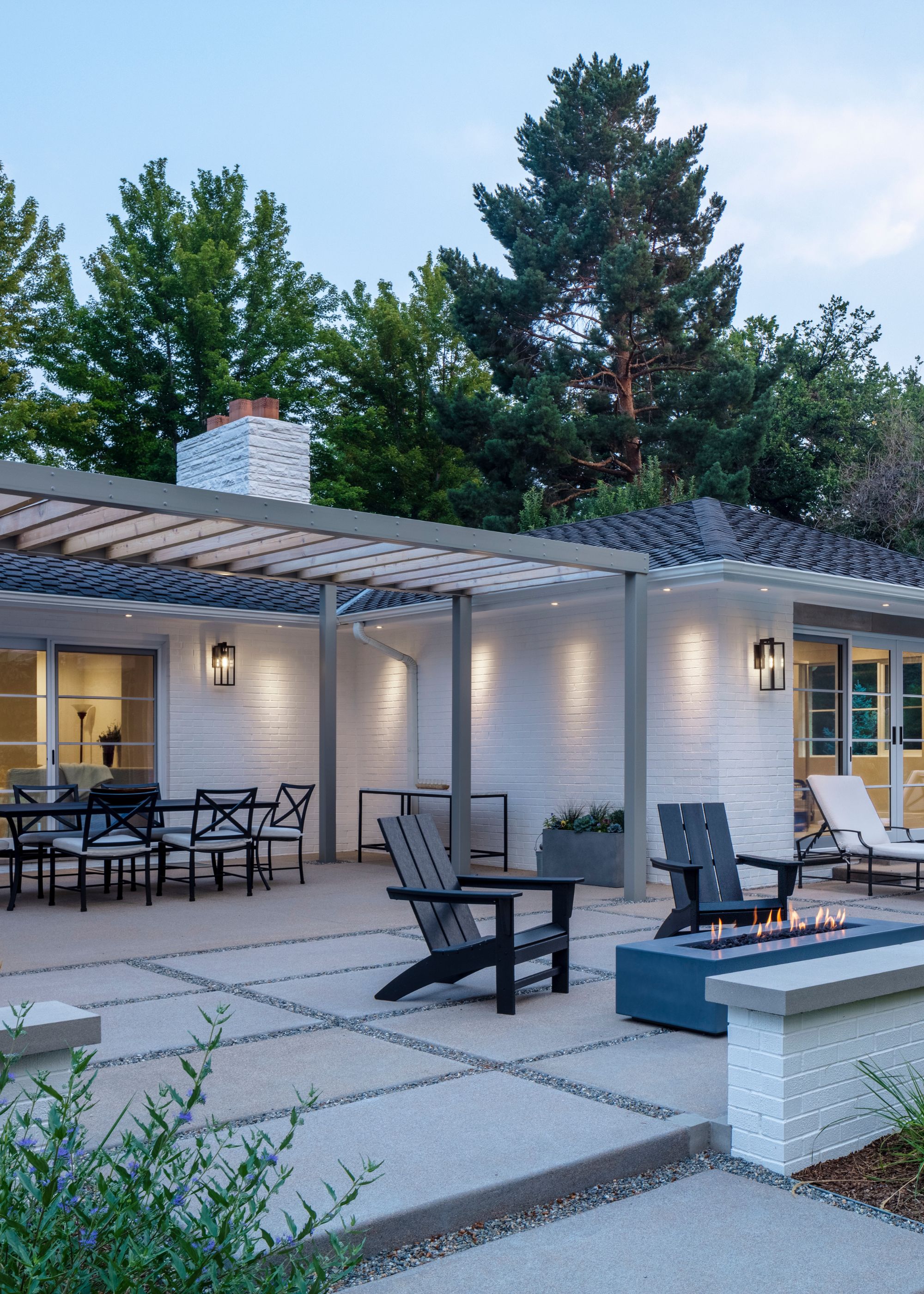
And Laura Marion, principal architect and founder of Flight Architecture, seems to agree on the importance of shade and seating. In the design above, Laura tells me the priority was to create a space that was both dynamic and thoughtful.
"The first priority is creating a mix of sun and shade," she says. "Outdoor spaces are dynamic — sometimes we want to cool off, sometimes to warm up — so I design for shade, partial shade, and full sun using a combination of well-placed structures and thoughtfully positioned deciduous trees. A patio planned around an existing tree is ideal, with branches arcing over the hardscape to offer dappled light."
Laura continues: "Hardscape elements — dining table, lounge seating, fountain, or fire pit — follow the shade plan. An opaque roof is perfect for a dining area, protecting guests and food from sun, wind, or light rain."
As for seating, the designer says, "Lounge seating works best in partial shade, while a fire pit or fountain belongs in full sun, inviting guests to enjoy summer evenings under the stars, and stretching the use of the outdoor space well into fall and spring."
6. Consider the Climate Around You When Designing Your Patio
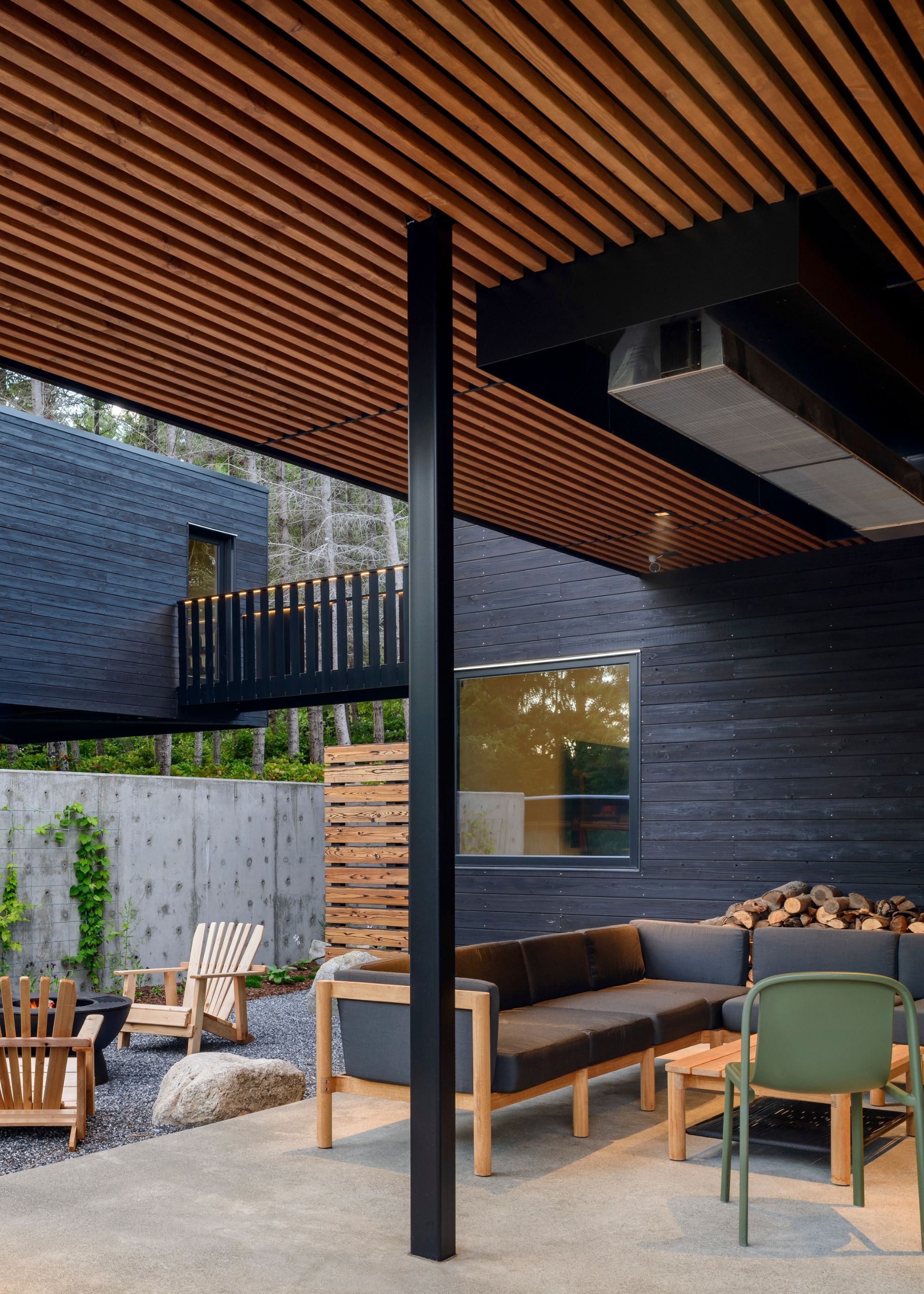
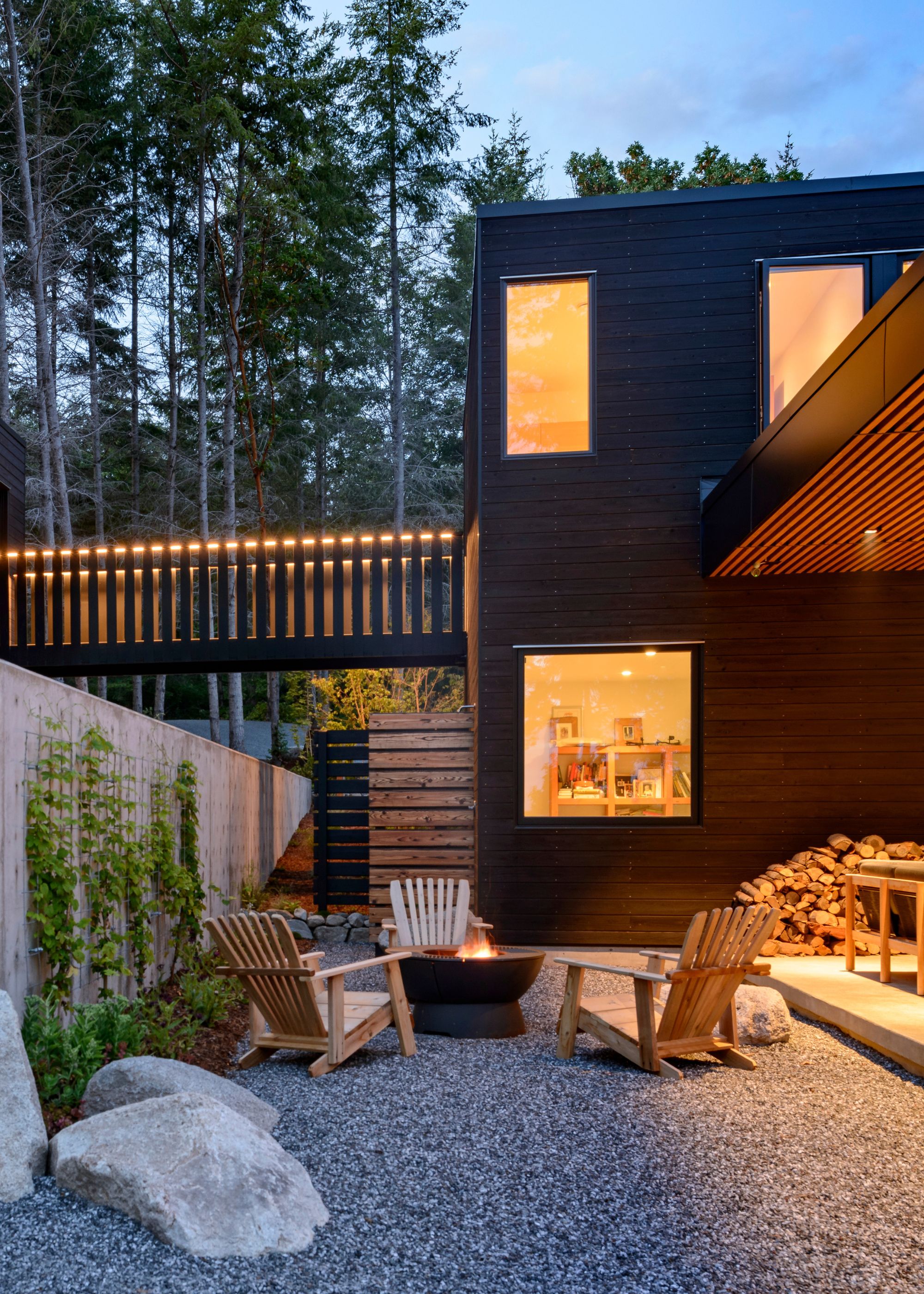
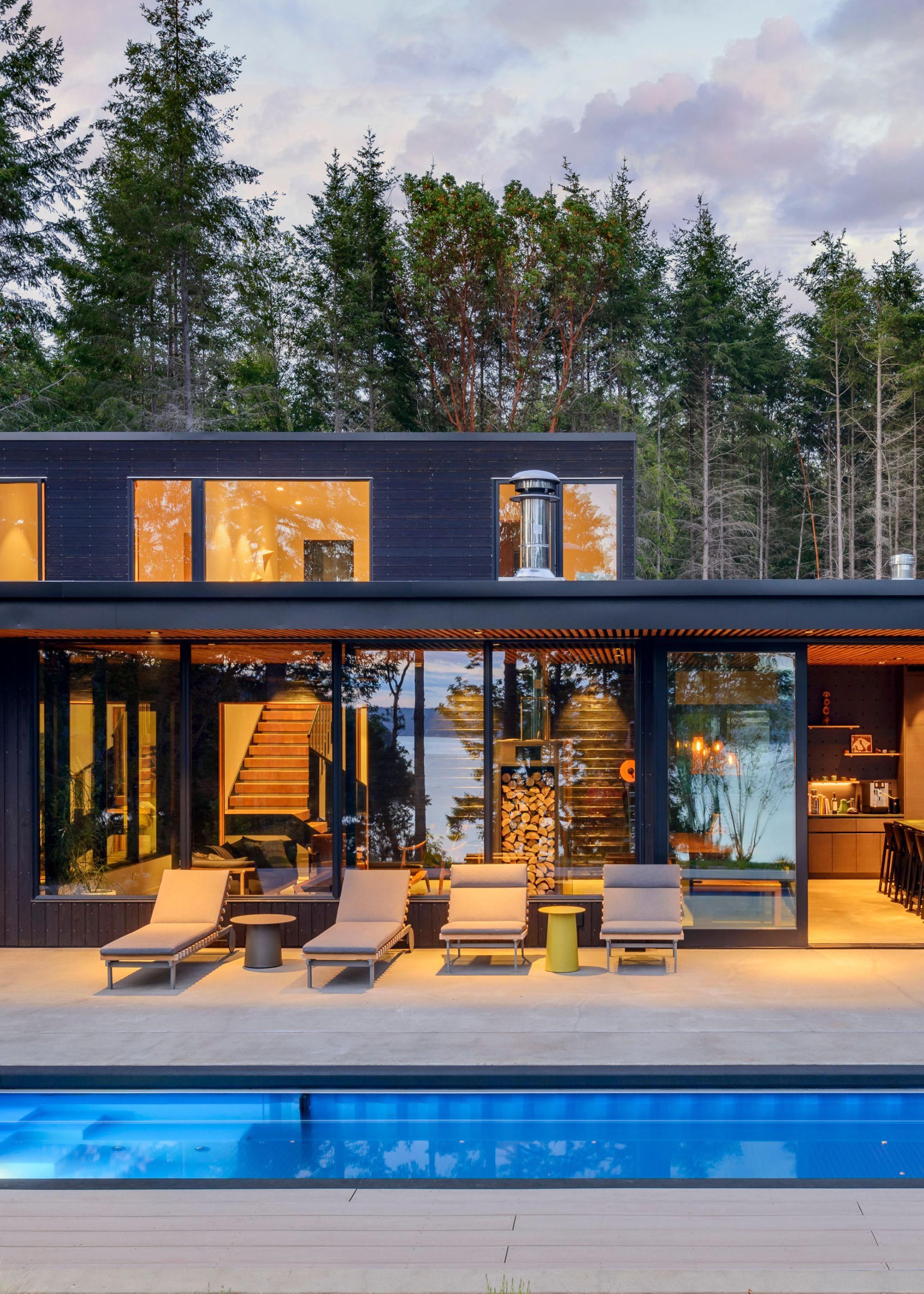
Knowing how to design a patio also includes understanding the climate around you and whether it can indeed work for you and your space. It's important to do so, so you can work out if you need to focus on your patio shade ideas or if you're able to create an open-plan space.
Todd Smith, founder of architecture and design studio Syndicate Smith, tells me: "When considering the design of the patio spaces, we really wanted to consider the topic of multiples and the realities of seasons and climate with the client."
He continues: "Being that you can spend a good majority of the year outside on Orcas Island, where this project is located, the Rubik's cube of combinations on outdoor experiences was a great topic of conversation in tandem with how it relates to the connection to the kitchen/dining/living room: Patio for dinner and breakfast. Patio for pool. Patio for cozy cold nights and after-dinner conversation. And also a patio removed to look at the stars with a crackling fire."
"All the while considering each of these instances in a frost, a heatwave, full sun or full rain: Each space is a solution to varied connections to the outdoors considering just enough cover, a visor, a pool deck and a heated 'room' that happens to not have two walls....not a singular one liner patio."
Style Up Your Patio With These Chic Finds
Avoid those tacky outdoor furniture buys and opt for something more elevated and chic, like this Diama teak garden armchair from Sklum. As well as being a great addition to your patio, this piece also makes for the perfect terrace or balcony piece. It's durable and easy to clean, so you don't need to worry about unpredictable weather changes.
Upgrade your outdoor dining ideas with this stunning Mason Bistro Table from Atkin and Thyme. Perfect for those morning coffee moments and even late-night gatherings, this dining table has been made from a dusky-pink travertine-effect concrete — adding an elegant and sophisticated touch to the home.
A side table with a bold and alluring personality, the Mesquida Outdoor Side Table from Kave Home is quite the showstopper. The green terrazzo side table is suitable for indoor and outdoor use and is easily portable, allowing you to move it around between multiple entertaining areas. What's not to love?
A burst of color in your outdoor living space, this outdoor rug from Rugvista will add dimension and depth to your patio. Best of all? It's easy to clean (unless heavily soiled, call in the professionals) and can turn any bland and dull spot of a patio into a bright and lush tropical garden.
Ohhh, just look at those frills and stripes. How glorious. This outdoor cushion will bring comfort and style to your patio space. Its black and beige combo will certainly turn a few heads and bring your much-needed summer decor ideas to life. I must admit, this piece is my favorite.
This rechargeable table lamp from Cox and Cox is quite the charmer. Ideal for indoor and outdoor use, it's sure to create a stunning evening atmosphere during any season. This lamp comes with a power button that is easy to dim as well as brighten — ideal for every mood and occasion.
FAQs
How Do I Plan a Patio Layout?
To avoid those unwanted patio mistakes, knowing how to plan your patio layout is a must. Landscaping expert Trent Brown tells me the first step is to decide what the primary use of the patio will be: "Is this a dining patio? An outdoor kitchen? A firepit lounge? A viewing platform? A reading nook? Maybe a combination of 2 or 3? Then, ask what spaces are already in your yard and why people would move from one space to the other. What is the traffic flow like between them?"
He continues, "Then, when I design the actual layout, I picture the space in use. Passing plates across the table, kids running from the lawn to the lounge chairs, one person getting up for a refill and stepping around the other guests, the host running back inside to get BBQ ingredients."
Trent says those little moments help dictate what types of furniture will work best in the space, and how much of it is required. He adds, "Then you can determine where access points and pathways should be, what the traffic flow will be like once everyone is sitting down, and where open space is essential. This is how you can create a patio layout that is designed for real life, not just something that looks nice."
What Is a Good Size for a Patio?
And what about your patio's size? Well, Mark Holmquist, an architect and designer from New York, says, "a patio should be generous but don’t overwhelm the house. In some cases, it’s best to pull it away from the house a bit to allow for planting between the house and the patio. This prevents the mass of the house and the surface of the patio from becoming too much of an overwhelming 'hardscape'."
The key, Mark says, is proportion; "it should not overwhelm the house or the lawn or garden. I’d say design slightly larger than you think you might need; inevitably, people want more seating or a bigger table once they spend a season there. Patios also don’t have to have straight edges either."
He continues, "If one side faces a garden or a lawn, consider making that edge irregular or curved, depending on the materials used. A brick pattern can be feathered into the garden, so that the plantings mingle with the brick edges or a poured surface can have a serpentine shape."
Where Should I Position My Patio?
Lastly, Trent says when positioning your patio, there are a few things you'll need to keep in mind and consider:
1) Sun exposure: Think about whether it will get too hot to sit in the afternoon, or too shaded in the morning? "I try not to place outdoor dining spaces in spots that get hot evening sun," says Trent. "Instead, I’ll place the firepit area there because usually people aren’t using that space until at least 7 pm."
2) Views: "Can you position it somewhere that feels private without a constant view from neighbours? Or in a spot that gets the perfect view of the (mountains, valley, trees, etc)."
3) Flow: Lastly, "Does it link logically to other areas of the yard? If guests are using two spaces at once, how do those spaces interact with each other?"
"Your ideal position is the one where you can sit down and think, 'This feels right,' because it’s comfortable, accessible, and in harmony with the rest of the yard," explains Trent. "Pro tip: Unless the goal is a perfectly secluded patio, try not to position it in a faraway corner of the property that doesn’t get viewed much through the windows on the house. We are habitual people by nature, and having a seating space that you can see from your living room or dining room is a subconscious reminder to get outside and use your new patio!"
As a final note, Trent says, "No matter how you plan your patio, remember that the best ones aren’t measured in square feet, but rather the moments they make possible. Design with intention around how you live, and you’ll end up with the right patio space."
Now that you've learned the fundamentals of designing a patio, how about getting to grips with the hardscaping materials you'll need to create the perfect outdoor sanctuary in your home?