
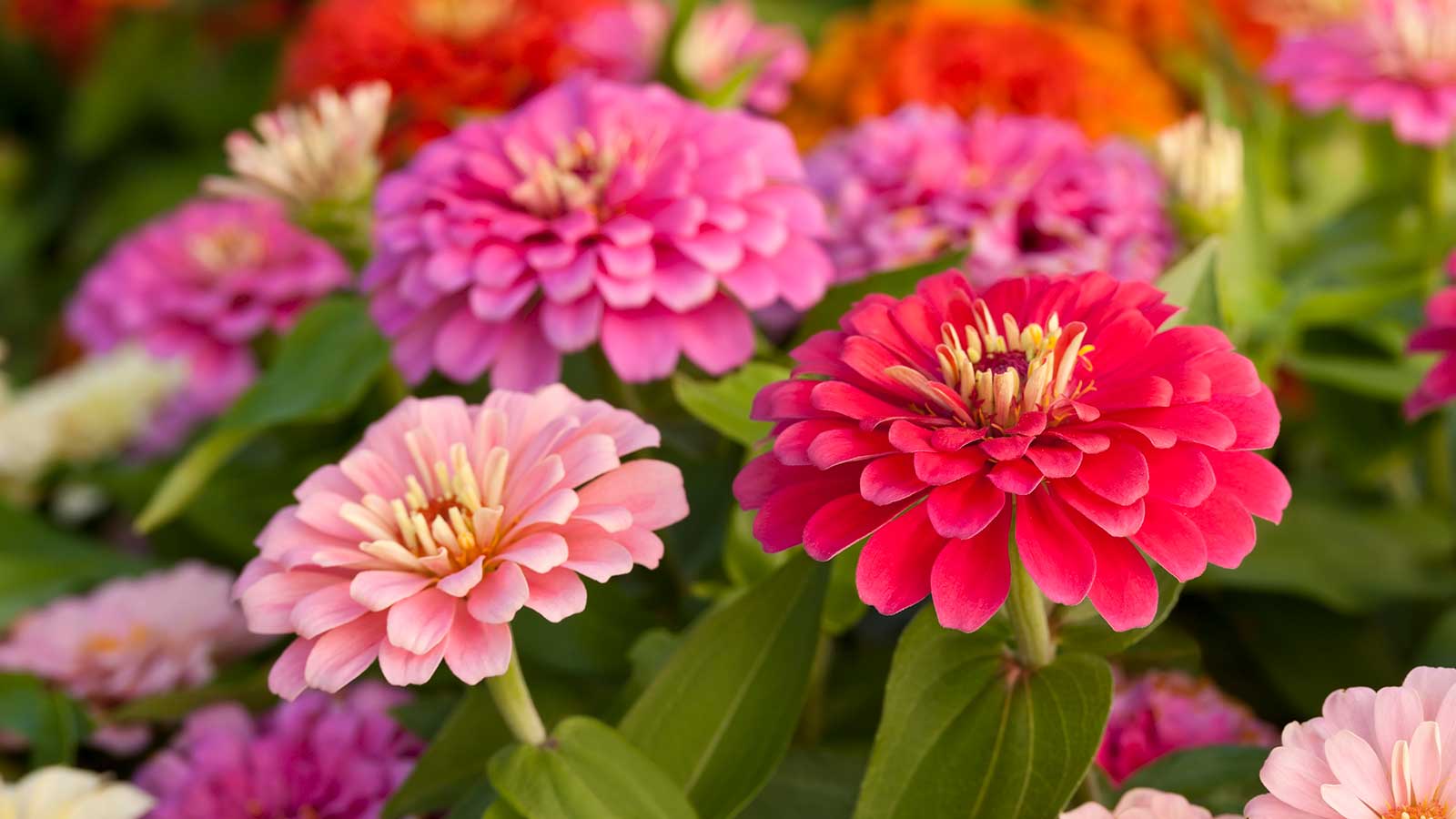
Zinnias bring a yard to life with their vibrant colors – from hot pinks and bright reds to lime greens. But if you want as many flowers as possible from these tough plants (don't we all?), you need to know how and when to deadhead them.
Many people grow zinnias in a cutting garden, as their long vase life makes them excellent for brightening the home. But, if you're not regularly harvesting your zinnias, any spent blooms need to be removed, advises Erin Benzakein of Floret Flowers. This helps focus the plants' energy on producing new flowers and not going to seed, she explains.
As well as deadheading your zinnias, you can pinch these plants back – an expert tip that will give you even more blooms. This guide explains the processes of both, so you can get the very best out of these beauties.

How to deadhead zinnias
Gardening expert Tony O'Neill shares his three easy steps for deadheading zinnias below. The method is similar to deadheading coneflowers.
- Identify the faded flowers ready for removal.
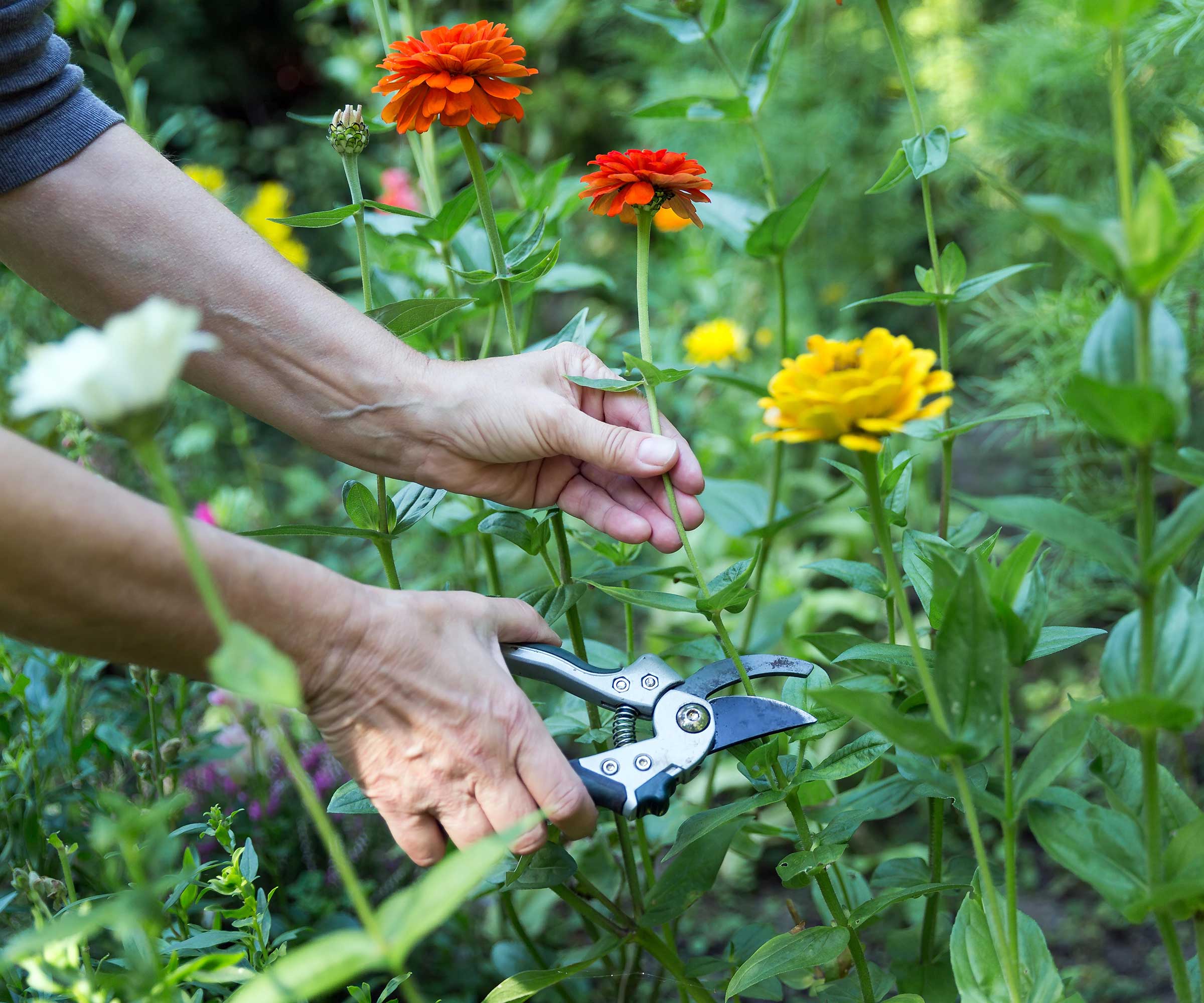
- Cut the stem beneath each flower head, ideally above a leaf node or new bud, with a sharp, clean pair of gardening shears. This encourages new branching and blooms.
- Discard the cut flower heads into your compost bin to continue your garden's life cycle.
When to deadhead zinnias
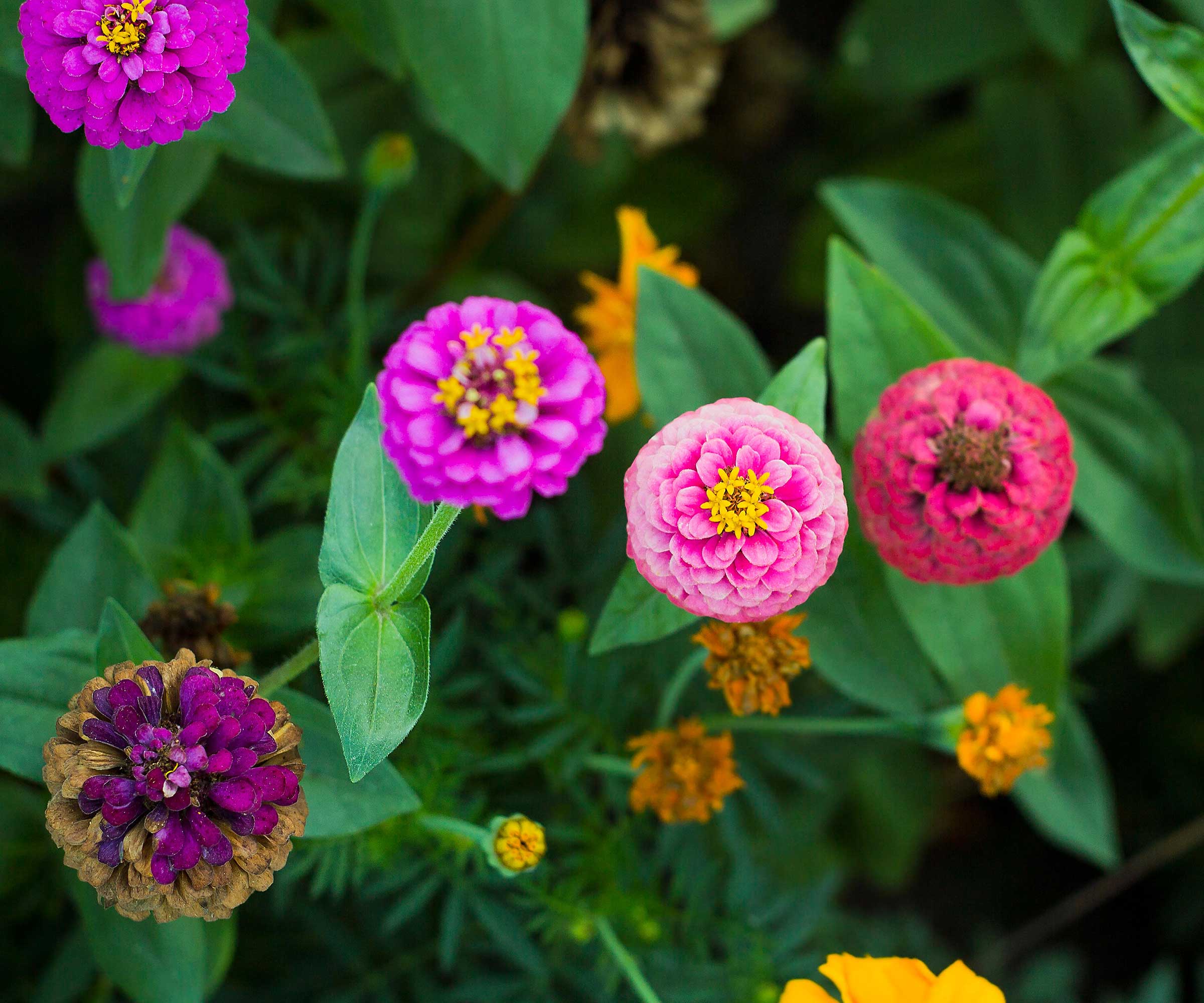
'Remove spent zinnia flowers throughout the growing season,' says Janet Loughrey, a gardening expert, adding that they are especially long-lasting on the plant. Wait until the flowers fade, shrivel, and start to turn brown before snipping them off, she advises.
Toward the end of the season, you can leave a few flowers intact so that they can develop seeds. In fact, forgetting to do so is a common deadheading mistake, as you'll miss the chance of getting new plants for free. Once ripe, the seeds can be collected and stored for sowing elsewhere in your garden, or you can allow them to self-sow where they naturally fall for an informal look.
How to pinch back zinnias
'Pinching is when you snip out a portion of plant’s growth, encouraging it to branch out into multiple stems instead of putting its energy into one central stem,' explains Niki Irving, Farmer and Florist of Flourish Flower Farm. It also encourages longer stems, she adds.
Unlike deadheading, the pinching process is done to young plants, and sometimes you'll need to sacrifice the first flower. Don't let this put you off. By pinching zinnias, you will be rewarded with 10 or more stems per plant, says Niki. 'That is a lot of flowers from one little seed!'
It's simple to do. 'When plants are between eight to 12 inches tall, take sharp pruners and snip the top three-to-four inches off the plant, just above a set of leaves,' instructs Erin.
Whether you're growing zinnias in billowing borders or in pots for full sun (where they thrive), snipping them back when needed is totally worth the effort. So, for your best flowers yet, make sure you add it to your to-do list – it's one of those 'little and often' gardening jobs that makes all the difference.