Air quality is deteriorating in many of the world’s cities. Nearly two-thirds of people with diabetes live in urban areas. Wealthier lifestyles, prioritising convenience and fast food, have led even formerly famine-stricken China to admit an obesity epidemic. Urban dwellers have far-higher stress levels than their rural counterparts.
If that’s city living, who’d do it?
Well, 54% of us and counting. With that much of the world’s population living in urban areas, cities surely have a duty to do a better job of protecting public health. It’s not only a question of residents’ wellbeing: cities with physically active residents are more economically productive than their sedentary counterparts.
Many cities have started to take health seriously. Copenhagen replaced a driving culture with one of walking and cycling. Sydney is stocked with high quality sports clubs and facilities. Singapore’s expert grasp of data and technology has led to low-carbon and sustainable models of urban design.
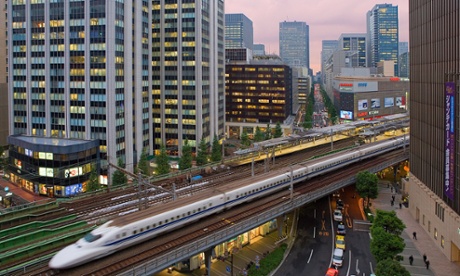
Even Tokyo, the world’s biggest city, has one of the world’s best public transport systems meaning it keeps greenhouse gas emissions relatively low. And Hong Kong may have an extremely dense population, but its residents often travel on foot and many of them are doctors.
But for many other cities across the globe, the challenges are immense. On Thursday 29 October from 12.30 to 2pm GMT, our panel of experts will discuss:
- Which cities have the most effective health projects
- How cities can get the right skills, funding, political will, powers and citizen buy-in
- The kinds of partnerships needed, between practitioners in government, health, planning, housing, transport and so on
- How to measure health in cities
The livechat takes place in the comments section below this article. Taking part is easy: you can create a free Guardian account, or log in using your Twitter or Facebook profiles to comment. Alternatively, you can tweet us @Guardianpublic or email any questions to tamsin.rutter@theguardian.com. Also contact Tamsin to be considered for the expert panel.
Expert panel
Johanna Ralston, chief executive, World Heart Federation
Rachel Toms, lead on Active by Design, Design Council
Seth Schultz, director of research, measurement and planning, C40 Cities
Esben Alslund-Lanthén, research analyst, Sustainia
Behrooz Behbod, founder Oxford Public Health Ltd
Victoria Pinoncely, research officer and author, Promoting Healthy Cities research paper, RTPI
Leo Hollis, author of Cities Are Good For You: The Genius of the Metropolis
James Thornton, environmental lawyer and founding CEO, ClientEarth
Chrissie Juliano, director, Big Cities Health Coalition
Charlotte Ersboll, corporate vice president of corporate stakeholder engagement, Novo Nordisk