With the rapid spread of the coronavirus, many schools in Tokyo are expected to postpone the resumption of classes until the end of the Golden Week holidays next month. And these situations put a heavy psychological burden on children and their parents. Undoubtedly, many people are wondering when ordinary daily life will resume.
Mirai Omori, 12, a new student of a junior high school in Kunitachi City, Tokyo, would often visit her friends' houses and play in a park until mid-March during spring vacation. But she has hardly gone out since Gov. Koike asked people late March to refrain from leaving their homes.
"I might be infected. I'm so scared, and I don't want to go out," Mirai said.
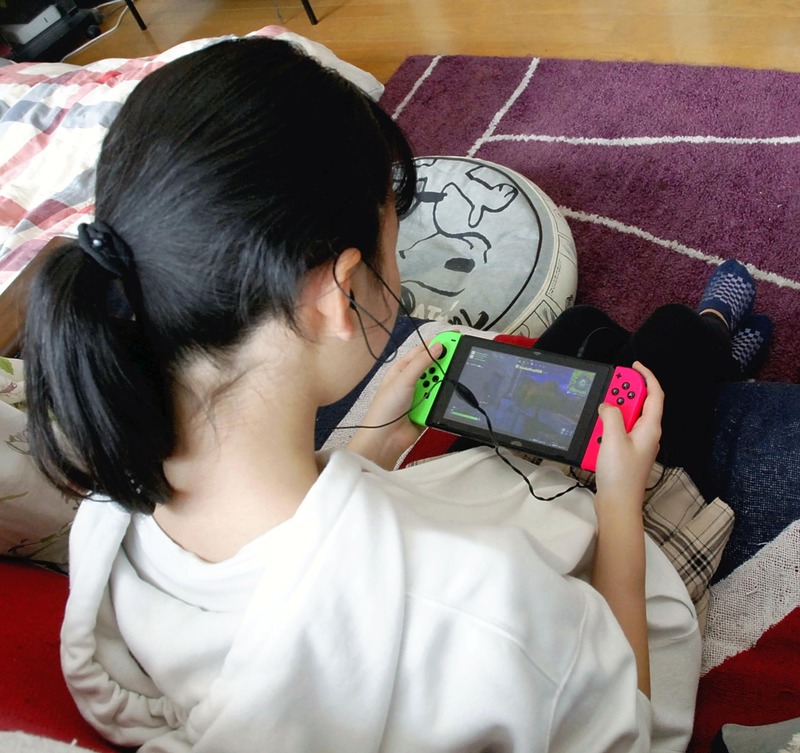
The last time she saw her friends was March 25 when her elementary school held its graduation ceremony. And these days, the only way she's been able to enjoy time with her friends is through online interactive games.
"It's fun to play games while talking with friends," she said. But when the transmission status is bad and their voices cut off, she feels suddenly lonely. "It's definitely far from meeting directly and playing. I feel a distance from my friends."
Mirai's junior high school will close for a month until May 6. Still, although there is a mandate for attending school once per week, Mirai finds herself anxious about her immediate future. "I'm worried about getting along with my new friends," she said. " I don't feel like being a junior high school student."
Nowadays, she's been studying alone at home and has been reviewing what she'd learned during her 6th-grade elementary school period.
Takako, Mirai's mother, is sympathetic of her child's current plight. "I feel for my daughter, but her safety comes first," she said. "We have to be patient until everything calms down."
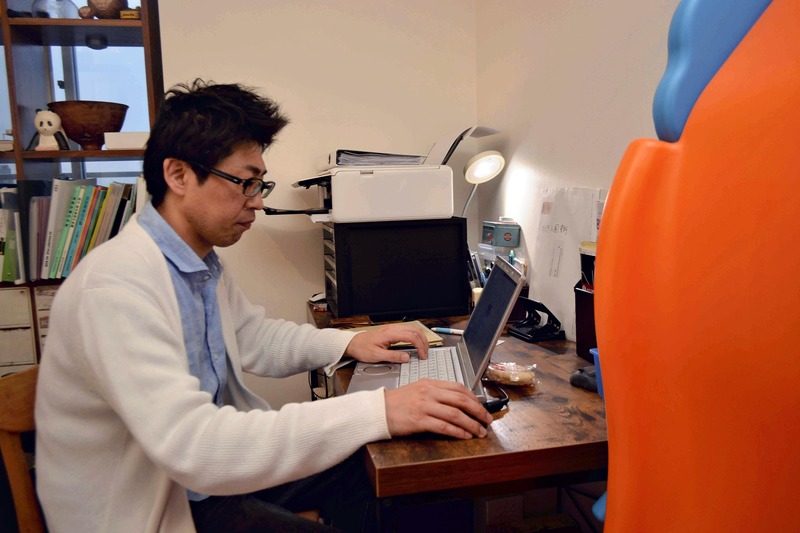
From another perspective, Shingo Teraoka from Koto Ward, Tokyo, who works for an information website operator, views the present situation as an opportunity. "I can spend more time with my family, and have come to realize how hard it is for my wife to do the housework," he said with a smile. During this time, Teraoka has been working from home and relaxing with his wife, Michiko and their two children.
Teraoka, who's in charge of proposing new plans for his company's website, said his office first adopted telecommuting in late February, and since then, he's been heading to work at his home office at 9:00 a.m. when work begins. Through telework, about 50 members of his team share goals for work and discuss plans and proposals. They conclude at 6:00 p.m.
"It's good to have more options for how to work," Teraoka said. However, it's "difficult to turn on and off," as -- "I can't see my staff in person, so it's hard to know if their progress is going well."
Read more from The Japan News at https://japannews.yomiuri.co.jp/