

With temperatures soaring across the US, knowing how to cool a room with fans has gone from a nice-to-know tip to an essential summer skill. Parts of the country, including Florida and Texas, are already experiencing triple-digit heat, and forecasters warn that even hotter conditions could still be on the way.
The good news is that you don't necessarily need to keep the air conditioning blasting all day to stay comfortable. When used strategically, even the best fans can make a room feel noticeably cooler, helping circulate air more effectively and easing the strain on both your AC system and your energy bills.
From creating a cross-breeze to positioning fans in the right spots, a few simple tweaks can make a surprisingly big difference when it comes to keeping a home cool in a heatwave. Here, HVAC experts share their favorite tricks for getting the most cooling power from your fans during periods of extreme heat.
1. Create a Cross-Breeze

If you're wondering how to keep a home cool in a heatwave, creating a cross-breeze is one of the simplest and most effective tricks to try. It doesn't require air conditioning or expensive gadgets – just a bit of strategic fan placement.
'The only thing better than one fan is using two fans to cool down a living room rapidly,' says Beatrice Flores, Home Care Expert at Living Pristine. To create a cross-breeze, place one fan facing out of a window on one side of the room and a second fan facing in through a window on the opposite side. This helps push hot, stale air outside while drawing cooler air in, creating a steady flow of air through the space.
'This will direct the airflow from both fans across the room, cooling the air quickly,' explains Beatrice. 'Additionally, the fans will help to circulate the cool air throughout the room, ensuring that all areas are evenly cooled.'
A compact air circulator, such as the Amazon Basics Air Circulator Fan, is ideal for this setup. And if you don't have two fans, you can still create a similar effect by opening windows at opposite ends of your home to encourage a natural cross-draft. It's a trick Punteha van Terheyden, Head of The Hardworking Home at Homes & Gardens, swears by after living through the blistering summer heat of the Middle East.
2. Use Strategic Fan Placement
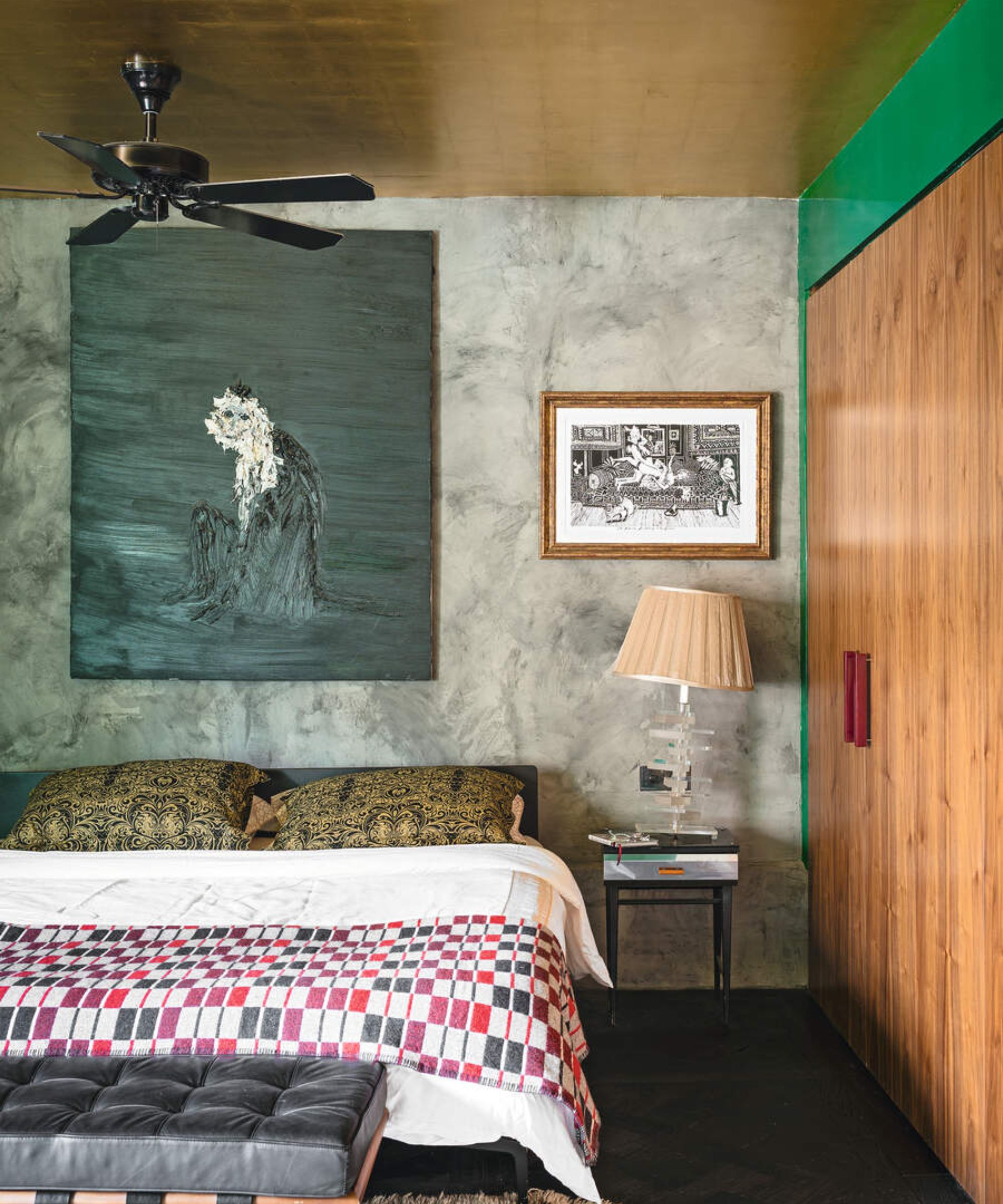
If you’ve ever wondered whether pointing a fan out of a window actually helps cool a room, the short answer is yes – placement really does make a difference. According to Josh Mitchell, HVAC Technician and Owner of Air Conditioner Lab, where you position your fan can significantly change how effectively it cools your space.
Thoughtful placement helps improve airflow and makes use of natural temperature differences, which can also help reduce that heavy, humid feeling indoors. It’s less about running the fan harder and more about working with the air you already have.
‘Placing a fan in a window with the front facing into the room can draw in cooler outside air during the evening and night,’ he says. ‘This method works especially well in areas where temperatures drop significantly after sunset. Just make sure the window is shaded during the day so you’re not pulling in warm air.’
It’s also worth keeping an eye on energy use during a heatwave. Fans are relatively inexpensive to run, but costs can still add up if they’re left on around the clock – especially when multiple units are in use.
3. Work With Your Furniture to Guide Airflow

Fan placement doesn’t just affect how much air you feel – it also shapes where that air goes. One simple trick is to use your larger furniture pieces to help direct airflow around the room more effectively.
‘When a fan is placed next to large furniture, it helps send airflow in the right direction, ensuring a more even distribution of cool air throughout the room,’ explains Joe Haycock, vice president at Fresh Air Concepts.
The key is not to block the airflow, but to guide it. Think of sofas, beds, or bookshelves as tools that can help 'channel' the breeze rather than stop it. You may even want to temporarily shift things around during a heatwave to open up clearer pathways for air to move through the space.
It’s a simple, low-effort way to create a more comfortable, DIY-style cool room – a clever and cost-effective approach to eco-cooling your home naturally while keeping energy use down.
4. Hang Wet Towels Near Your Fan
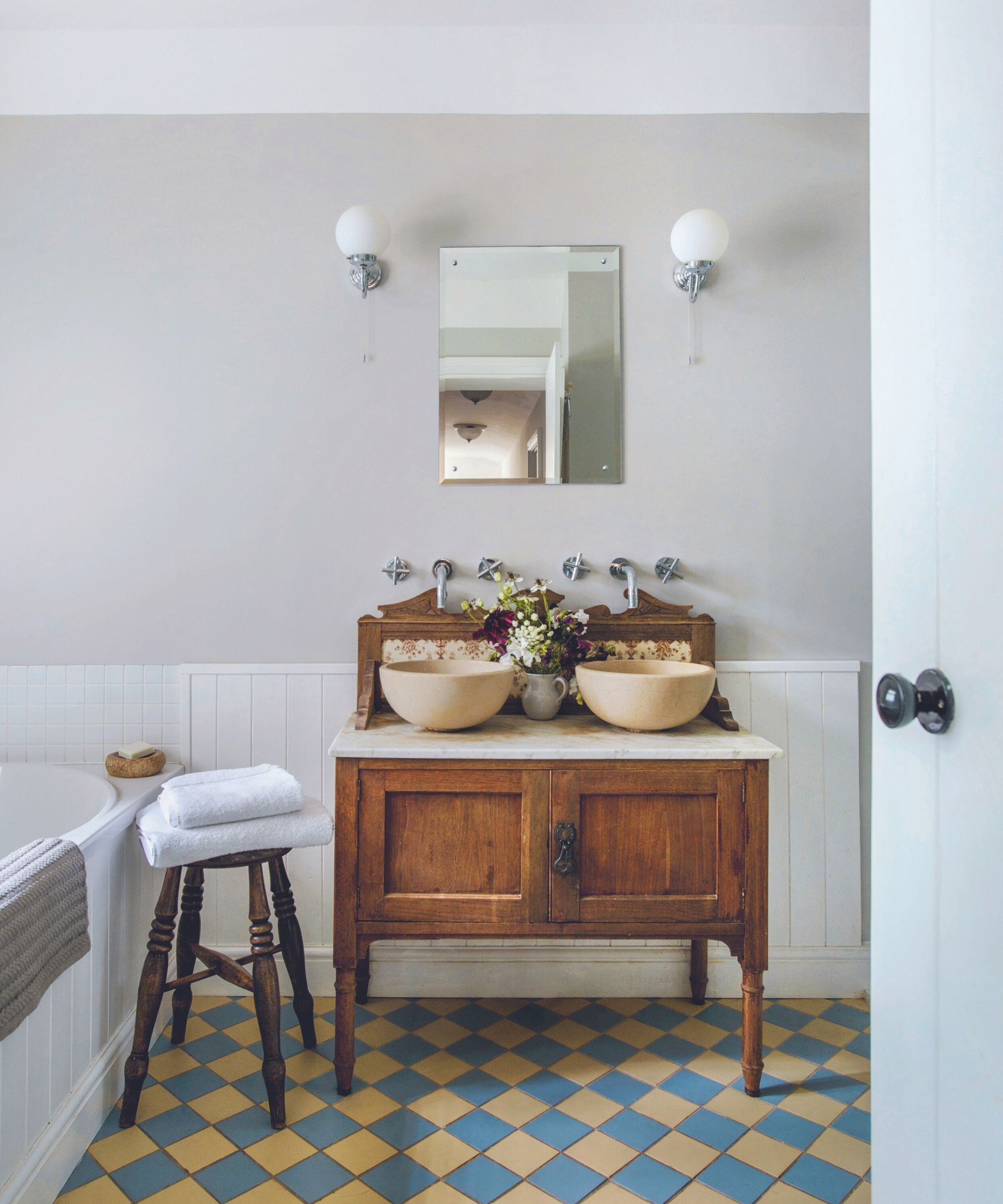
If you’re only working with one fan, you can still boost its cooling effect with a simple evaporative trick. Hanging a lightly damp towel or sheet nearby helps cool the air as it circulates, making it especially useful when you’re trying to keep an apartment comfortable in summer without AC.
The key is moisture level – the fabric should be damp, not soaking wet, so it cools the air without dripping or creating excess moisture in the room. As the fan blows air across the fabric, evaporation speeds up, drawing heat from the surrounding air and creating a noticeably cooler effect.
This works best when the towel is positioned directly in the airflow and secured so it won’t shift or fall. Simple wire clips, such as the Wire Clothes Pins available on Amazon, are a practical option for keeping everything in place.
For an extra boost, lightly misting the room with a spray bottle while the fan is running can help provide a quick hit of relief. The Plastic Spray Bottles available on Amazon make it easy to distribute a fine mist without over-wetting the space. It’s a low-cost, low-tech method that can make a surprising difference during a heatwave, especially when you’re relying on fans alone to stay comfortable.
5. Use Ice to Cool the Air Faster
If you want an instant upgrade to your fan’s cooling power, ice is one of the simplest tricks you can try. Similar to the wet towel method, it uses evaporation and cold surfaces to lower the temperature of the air being circulated around the room.
One of the easiest approaches is to place a shallow bowl or tray filled with ice in front of your fan. As the air passes over it, it picks up the cooler temperature and helps distribute a fresher, more refreshing breeze throughout the space. This can offer quick relief on especially hot days – just remember to top up the ice as it melts.
For a more practical, reusable option, frozen water bottles work just as well and avoid the mess of melting ice. Simply freeze a few plastic bottles and place them in front of or behind the fan so the airflow passes over them as they thaw.
It’s a straightforward DIY method, but surprisingly effective when you’re trying to push your fans further during a heatwave without relying on air conditioning.
Shop Fan Cooling Essentials
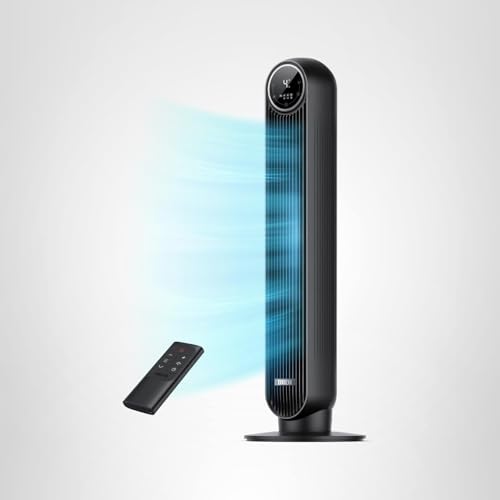
This best-selling DREO tower fan delivers strong, fast airflow thanks to its upgraded DC motor and TurboWind technology, helping cool a room quickly on hot days. It runs quietly at just 20dB, making it suitable for day or night use, and offers 8 speeds plus 4 modes for easy, customised comfort. With 90° oscillation, it helps circulate air evenly throughout the room and works well alongside air conditioning for more efficient cooling.
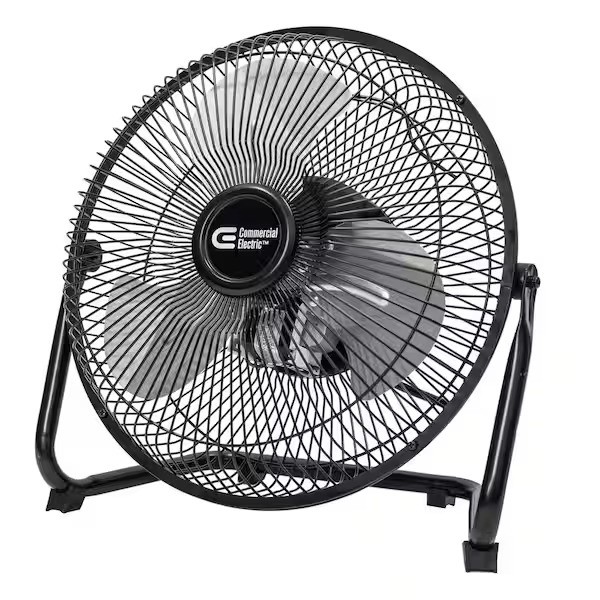
This 20-inch high-velocity floor fan delivers powerful airflow with an adjustable 360° tilt, so you can direct cooling exactly where it’s needed most. Despite its strength, it offers relatively quiet operation across three speed settings, with a simple rotary switch for easy control. Rail-style legs keep it stable at any angle, making it a practical option for everything from hot living spaces to garages and job sites.
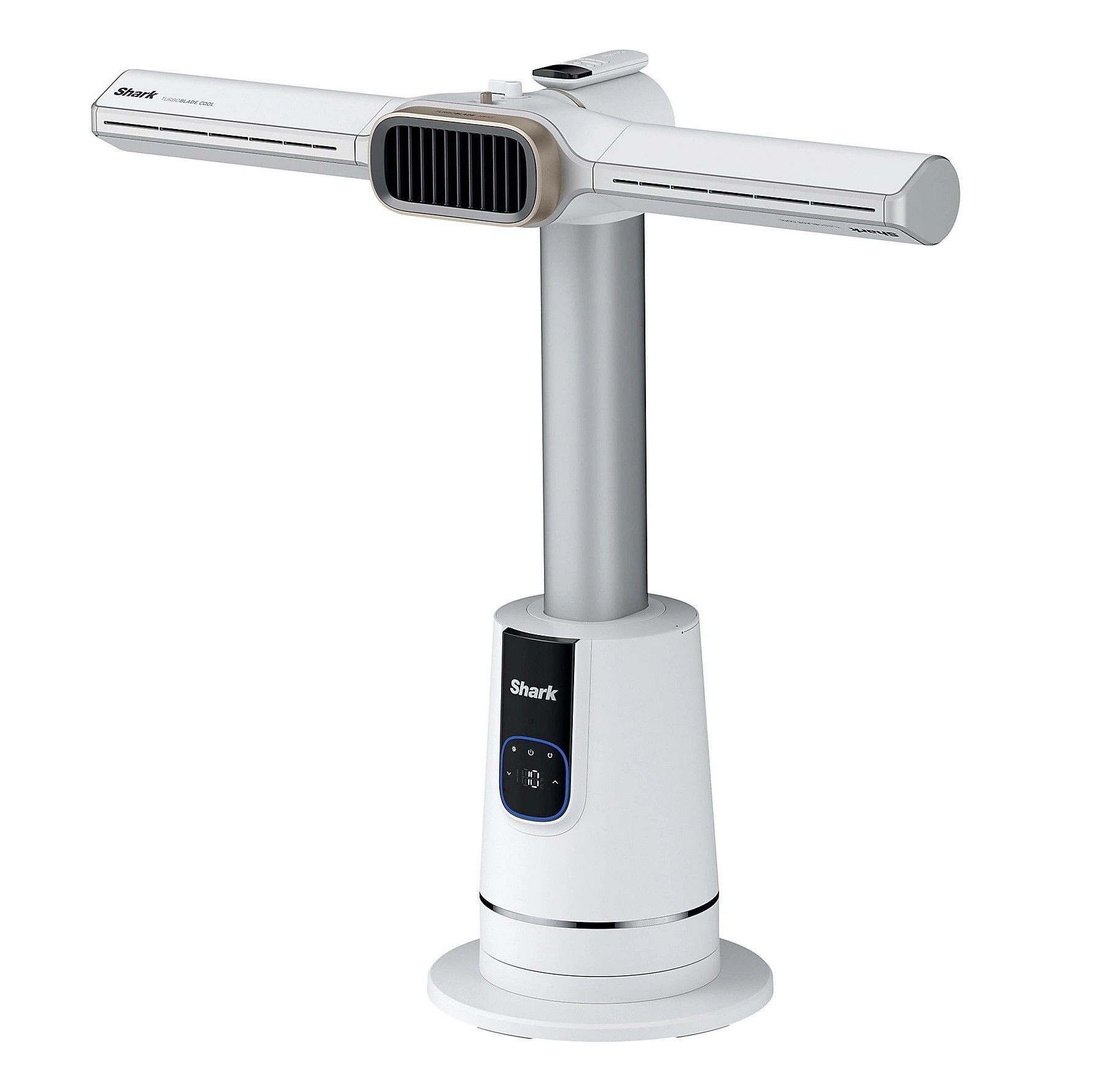
The Shark TurboBlade Cool + Hot Tower Fan & Heater is designed to adapt to your comfort needs year-round, offering both cooling and heating in one streamlined unit. Its 360-degree airflow coverage helps circulate air evenly throughout the room, while the built-in Dust Defense filter is removable for easy cleaning and maintenance.
FAQs
Should You Open Windows in Warm Weather?
It depends entirely on the temperature outside – and getting this right can make a real difference to how comfortable your home feels during hot spells.
During the day, it’s usually best to keep windows closed and covered. This helps block direct sunlight and prevents hot air from building up indoors, especially in bedrooms where temperatures can quickly rise. Curtains or blinds add an extra layer of protection, stopping heat from penetrating the space and spreading through the home.
At night, though, the advice flips. If the outdoor temperature drops below indoor levels, opening windows can help flush out trapped heat and bring in cooler air. This natural ventilation can be one of the simplest ways to reset a hot room after a long day.
However, it’s important to check conditions before you do. If it’s still warm – or particularly humid – outside, opening windows can actually make things worse. High humidity makes it harder for the body to cool itself through sweat, meaning the air can feel even more uncomfortable rather than refreshing.
If you’re battling extreme heat at home, it’s essential to stay hydrated, keep air flowing through your space, take cool showers when needed, and switch to breathable, cooling bedding to help regulate your temperature at night.
If you want more seasonal, cooling, and heating advice, and the latest news, why not sign up for our newsletter and get the latest features delivered straight to your inbox?