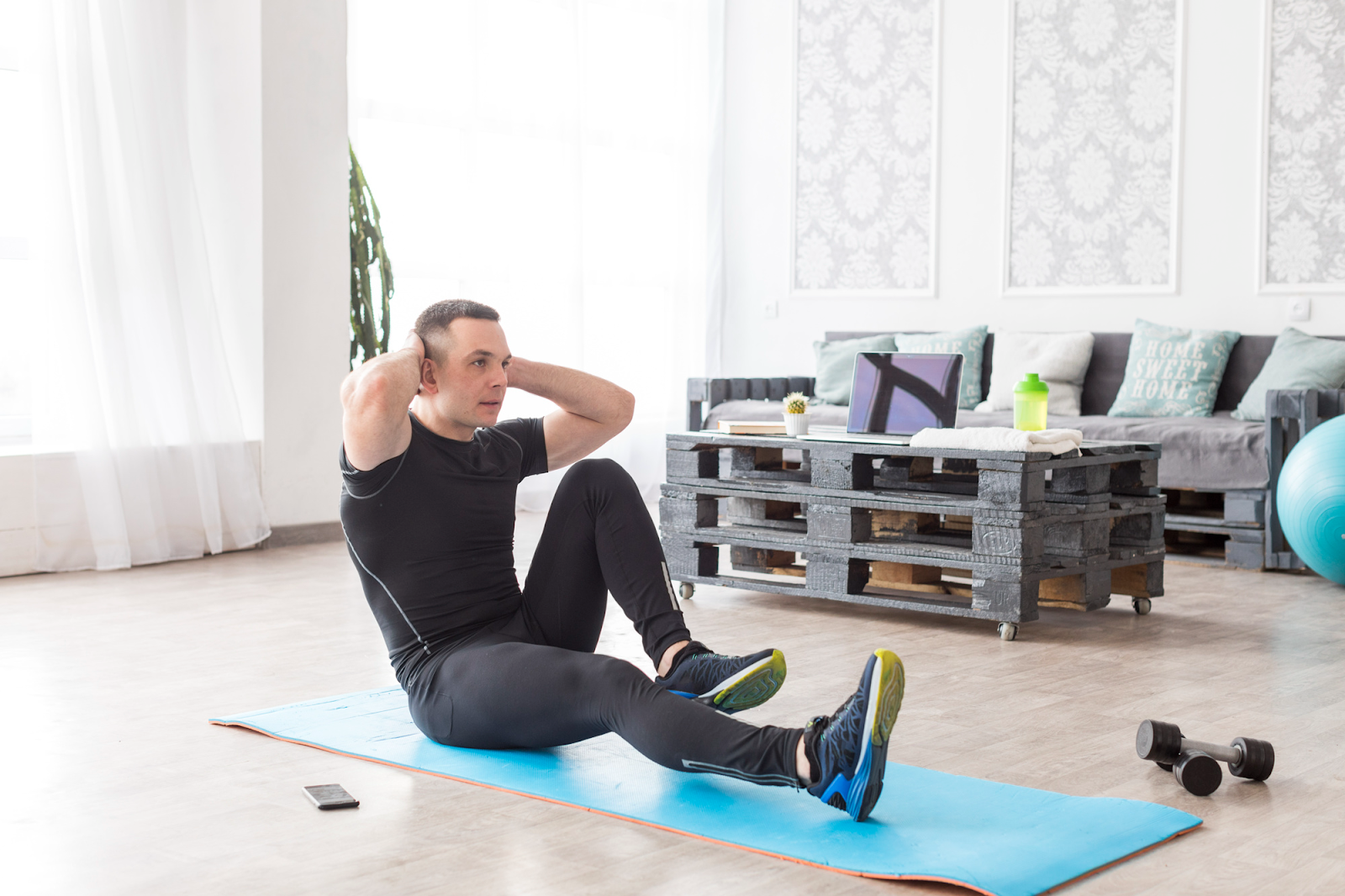
More Australians than ever are investing in their home environment as a place of genuine physical recovery and fitness.
The shift toward hybrid working, combined with a growing awareness of how physical health connects to mental performance and overall quality of life, has driven a meaningful change in how people think about the space they have at home.
A dedicated wellness space does not require a large footprint or an unlimited budget. It requires the right combination of equipment chosen around your specific goals, laid out in a way that makes daily use easy rather than effortful.
For those building a space that covers both recovery and active training, beginning with recovery infrastructure and layering fitness equipment around it tends to produce the most functional result. Australians researching the recovery side of that equation often find that massage chairs in Australia have advanced significantly in recent years, with options now available across a wide range of budgets that deliver genuine therapeutic benefit rather than just comfort.
Start With a Clear Purpose and a Realistic Footprint
Before purchasing anything, spending time with the actual dimensions of your available space pays dividends.
Measure the room you are working with, note where power outlets are positioned, and identify any constraints like low ceilings, narrow doorways, or shared walls that affect what can realistically be installed.
A common mistake is buying equipment that fits individually but does not work together in the available space. A massage chair requires clearance behind it for the reclining function, which is easy to overlook when viewing it in a showroom. Strength equipment needs buffer space around it for safe movement during exercises.
Sketching a rough floor plan before committing to purchases avoids the frustration of equipment arriving that cannot be used as intended.
Recovery First: Why Passive Wellness Infrastructure Matters
Recovery is the most underinvested component of most people's physical health routines.
Training, walking, and movement get attention. The deliberate rest and muscular recovery that make those activities sustainable over years tend to get skipped in favour of pushing harder or doing more.
A home wellness space changes that equation by removing the barrier between the intention to recover and actually doing it. When recovery infrastructure is in the same building you live in and accessible on your own schedule, the frequency and consistency of use increases significantly.
Massage therapy addresses the muscular tension that accumulates from prolonged sitting, physical training, stress, and posture habits. Modern massage chairs replicate the core techniques of professional massage across the back, neck, shoulders, and legs.
Regular use in sessions of 15 to 20 minutes has well-documented effects on cortisol levels, circulation, sleep quality, and the recovery time between training sessions.
Choosing a Massage Chair That Suits Your Space and Budget
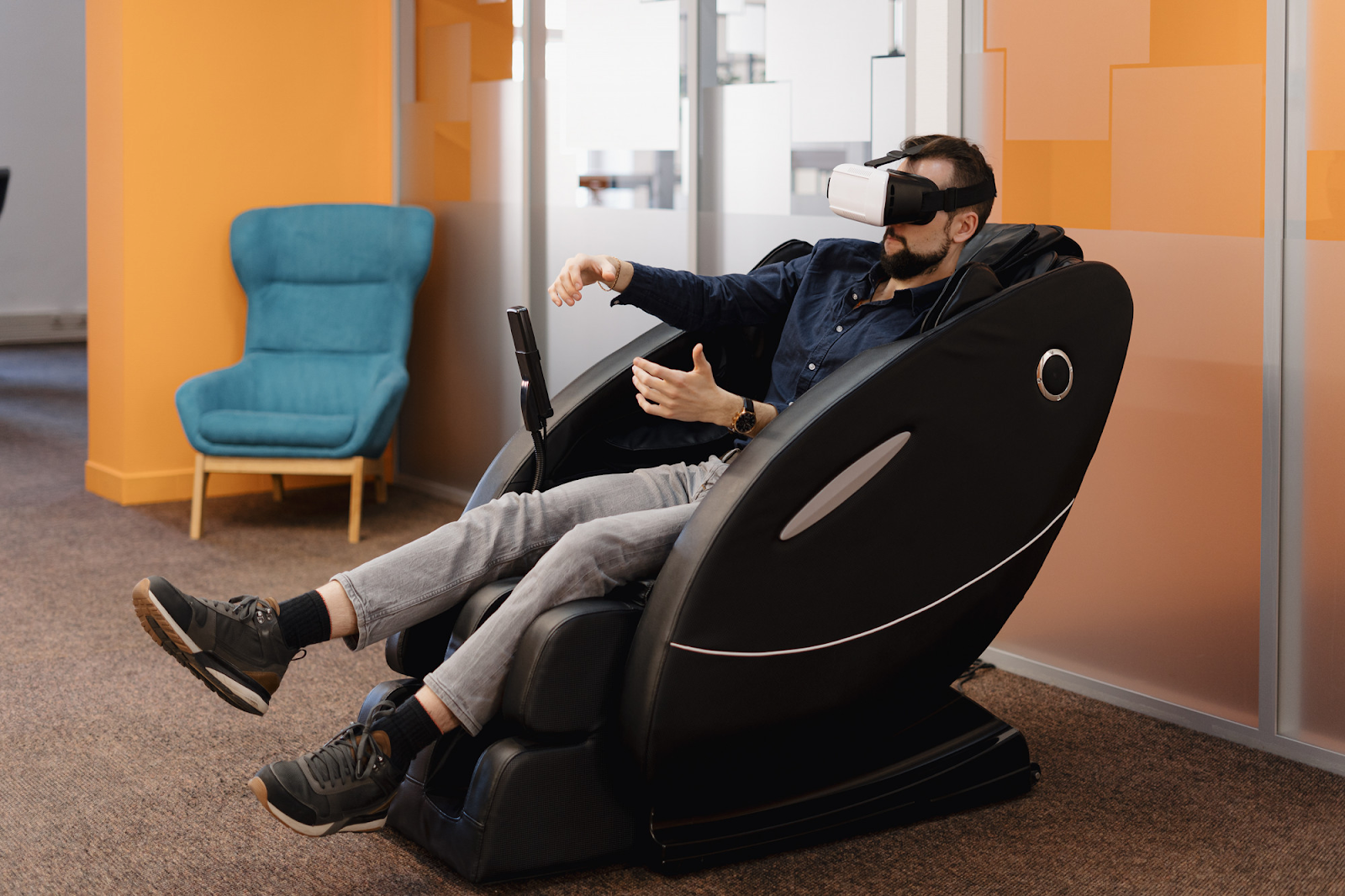
The range of massage chairs available in Australia spans from entry-level models suited to occasional use through to premium chairs with full-body coverage, zero-gravity positioning, body scanning technology, and app-based controls.
For regular daily use, the key features to prioritise are the quality of the massage programmes, coverage across the areas where you carry the most tension, and the durability of the upholstery for long-term use.
Heat therapy, which promotes circulation and deeper muscle relaxation, is worth paying for if it falls within budget.
Space requirements vary considerably between models. Compact wall-hugger designs that require minimal clearance are worth considering for smaller rooms. Standard recliners need more space but often provide a greater range of position adjustment that improves the overall experience.
Building the Active Training Side of the Space

Once the recovery foundation is in place, adding active training equipment gives the space its full dual function.
The goal at this stage is to select equipment that covers your primary training goals without overcrowding the available floor area or creating a setup so complex that daily use becomes a logistical exercise.
Dumbbells are the most versatile starting point for a home strength setup. They accommodate hundreds of exercises across every major muscle group, suit all fitness levels, and take up minimal space compared to machines.
Organisation is where most home gym setups fall short. Dumbbells left on the floor create clutter, safety hazards, and the kind of visual disorder that makes people less likely to use the space consistently.
Investing in a weight rack for sale that keeps equipment off the floor, clearly organised by weight, and accessible without rearranging the room makes a practical difference to how the space functions daily.
A well-chosen rack also defines the training zone visually, which matters more than it might seem. A space that looks organised and intentional encourages consistent use in a way that a cluttered room does not.
Flooring, Lighting, and the Details That Affect Daily Use
The physical structure of a wellness space shapes how it feels to be in it, which directly affects how consistently it gets used.
Rubber flooring or interlocking foam tiles protect the subfloor, reduce noise from dropped equipment, and provide grip and cushioning for floor-based exercises and stretching.
Lighting affects both performance and recovery differently. Bright, cool lighting suits active training. Warmer, dimmer lighting creates the calm environment that makes recovery more effective.
If the space serves both purposes, dimmable lighting or a combination of overhead and task lighting gives you the flexibility to shift the environment between uses.
Ventilation is a practical consideration that is easy to overlook until the space is in active use. A room that heats up quickly during training will be avoided in Australian summer months. A ceiling fan, a portable air conditioner, or a well-placed window keeps the space usable year round.
Maintaining the Space So It Gets Used
A home wellness space that stays functional does not happen automatically.
Building a brief weekly reset into your routine, returning equipment to its place, wiping down surfaces, and keeping the floor clear, ensures the space remains inviting rather than becoming another room that accumulates clutter over time.
The spaces that get used consistently are those where the barrier to starting is low. Equipment that is out, accessible, and ready to use removes the friction that causes people to skip sessions when motivation is not at its peak.
That consistency is what produces the long-term physical and mental health outcomes that the investment is designed to deliver.