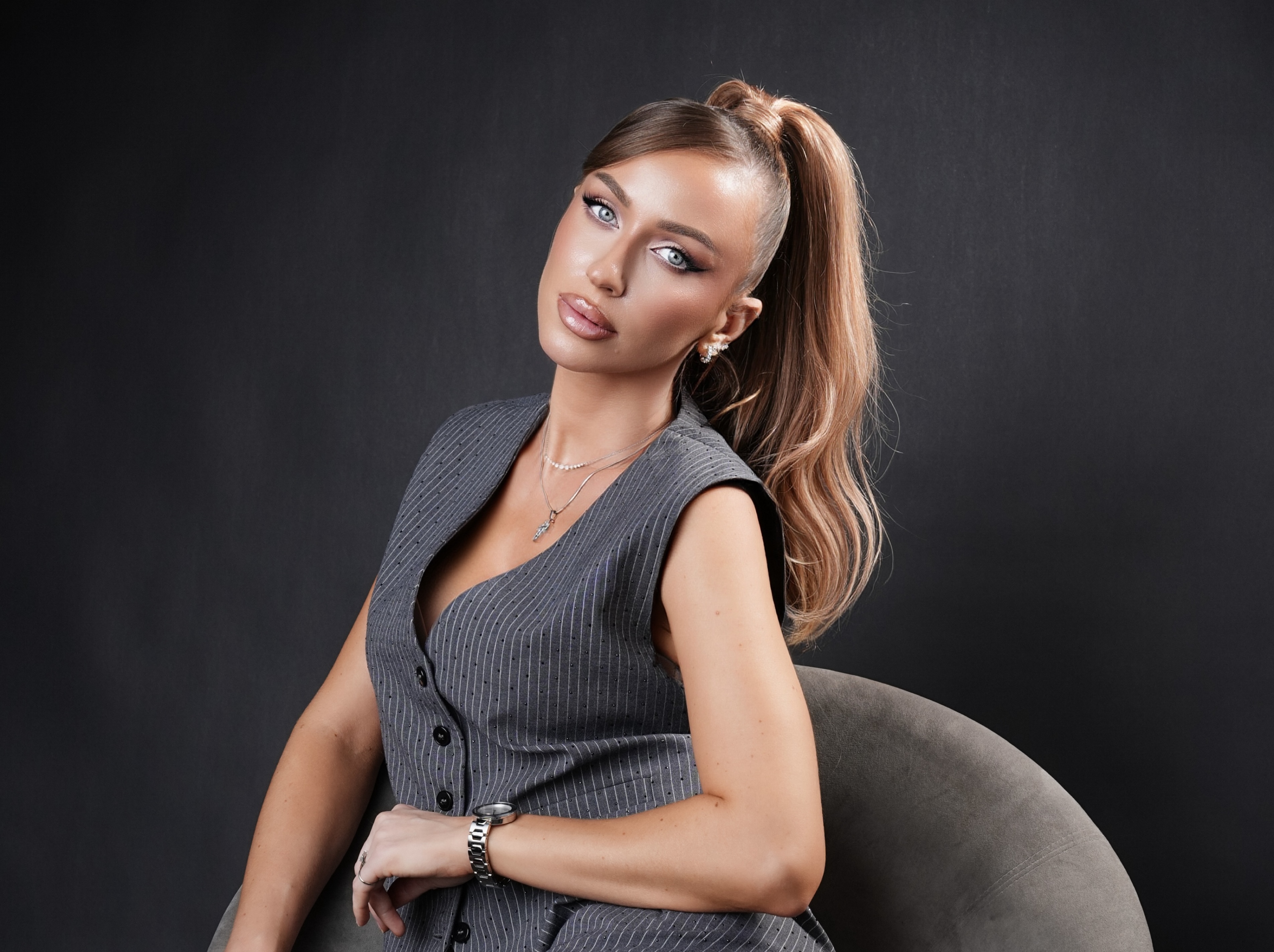
Over the past year, the name Viktoriia Riaboshapka has been appearing with increasing frequency across the U.S. beauty industry. A Miami-based makeup artist and hairstylist, she works with international beauty pageant contestants, athletes, and performers, organizes educational masterclasses, and participates in major production projects.
But Viktoriia’s story extends far beyond the beauty industry itself. It is the story of how a professional without connections or support can build a personal brand in a new country and transform a profession into a thriving business.
— Viktoriia, today you work with high-profile clients, teach fellow beauty professionals, and participate in major projects. But your start in the United States was very different. What was the key factor behind your growth?
— Probably the willingness to accept reality without illusions. When you arrive in a new country, nobody cares who you were before. The market only cares about the value you can provide today.
I had no client base, no professional network, and no recognizable name in the United States. I quickly realized that if I wanted to stay in this profession, I would have to become more than just a skilled artist – I would need to become a professional who could not be ignored.
That is why I focused not only on the quality of my work but also on systematically building a personal brand. Every day meant creating content, networking, practicing, participating in photoshoots, collaborating, continuing my education, and improving my client experience – even when no one could yet see the results.
Many talented beauty professionals never reach their full potential – not because their work isn't good enough, but because they remain invisible.
— What does the term “personal brand” mean for a makeup artist or hairstylist?
— One of the biggest mistakes beauty professionals make is reducing branding to beautiful Instagram photos. In reality, a brand is the trust and associations people have when they hear your name.
This is especially true in the United States. Clients are not simply buying makeup or hairstyling services. They are buying professionalism, confidence, service, atmosphere, and consistency of results.
That is why every detail matters: how you communicate with clients, how your website and social media look, how you present yourself, how you collaborate with others, who you work with, and who recommends you.
— Many immigrants in creative professions struggle with the fear of competition, especially in an oversaturated beauty industry. How did you navigate that challenge?
— By understanding that competition is normal. More than that, competition is a sign of a strong market.
The U.S. beauty industry is incredibly competitive and full of talented professionals. To be honest, that reality pushed me to grow faster. I began studying the market – observing how top artists worked, how they managed their social media, communicated with clients, developed their visual identity, and built their reputations.
It is crucial to stop viewing someone else’s success as a threat. In America, the people who succeed are those who know how to collaborate as well as compete.
That is why building a personal brand through active participation in the professional community is so important – whether through beauty pageants, artist and production shoots, fashion and media projects, educational workshops, collaborations with photographers, stylists, salons, and cosmetic brands.
Every project becomes part of your professional reputation.
I always tell artists: in the United States, you cannot wait for clients to find you. You have to stay visible and keep putting yourself out there.
— What has the greatest impact on the growth of a beauty professional’s personal brand?
— First and foremost, your own style and professional identity. Every artist needs a signature approach, a unique vision, and techniques that make people recognize your work instantly.
But it is equally important to go beyond client services and share your expertise with the professional community. That is what helps you grow not only as an artist but as a brand.
For example, organizing a masterclass with makeup artist and hairstylist Elena Kanevskaya was much more than an educational event for me. It became an example of how professional collaborations can strengthen a personal brand, unite audiences, and create a powerful professional community.
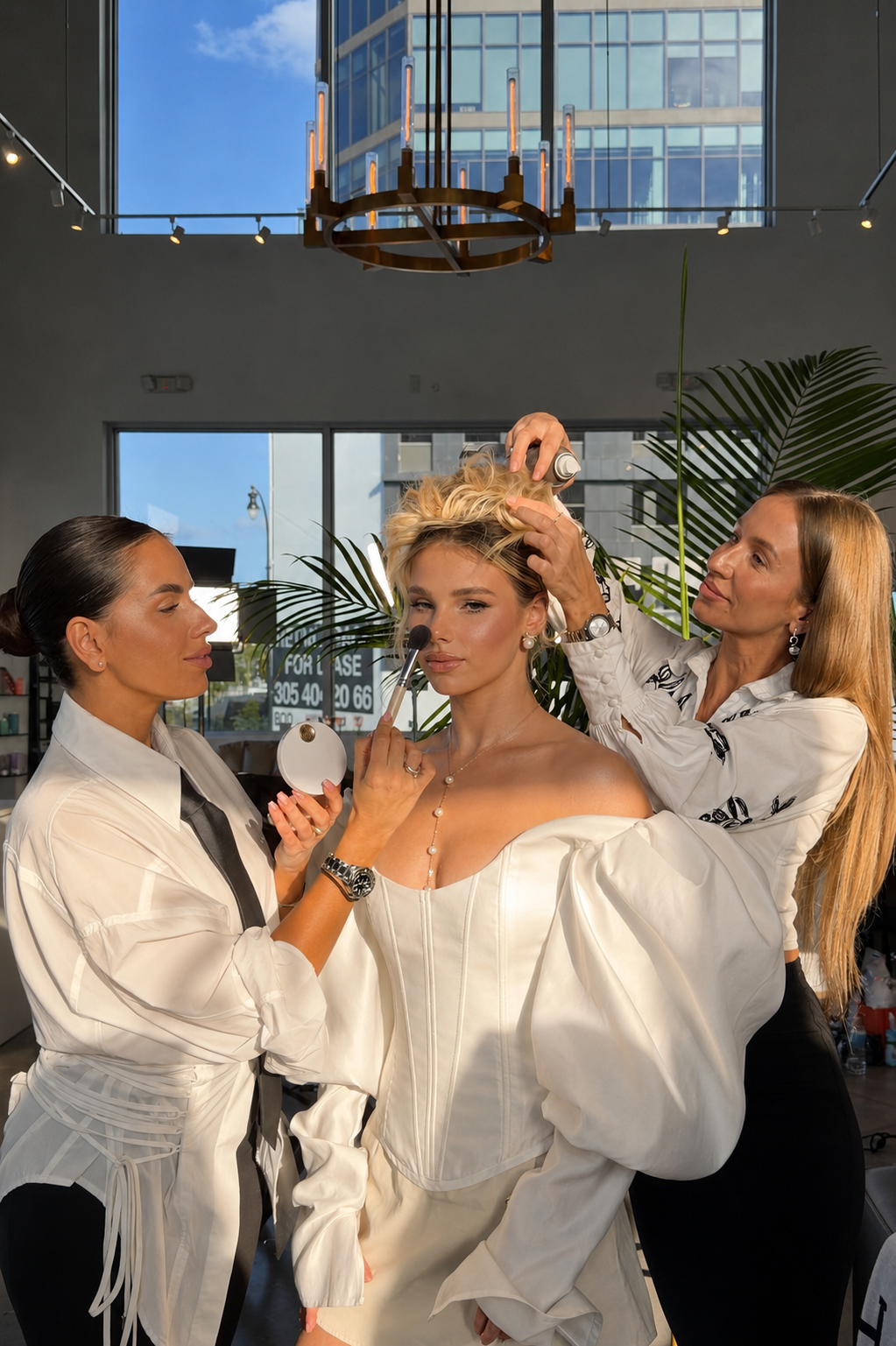
Photo: Makeup artist Elena Kanevskaya (left), model (center), and makeup artist Viktoriia Riaboshapka (right).
I shared my own signature techniques while also learning from another highly accomplished professional. This type of collaboration accelerates growth and provides an entirely new level of professional development.
It also became a significant organizational achievement within the American beauty industry. We brought together participants from different cities and states and conducted a full-day educational intensive.
It was important to me that the event not feel like a quick commercial workshop. After the demonstration portion, we organized extensive hands-on practice sessions with models so that every participant could apply the techniques personally and receive professional feedback.
That was when I fully realized that today’s beauty professional can no longer be just an artist. You simultaneously become an organizer, producer, marketer, speaker, and manager of your own brand.
— Working on a film set is an entirely different level of the industry. How did you gain that experience, and how does it differ from traditional beauty work?
— The biggest differences are speed and responsibility.
While working on a television series produced by Best Drama Production, I served as the lead makeup artist and hairstylist. My very first day lasted nearly fourteen hours.
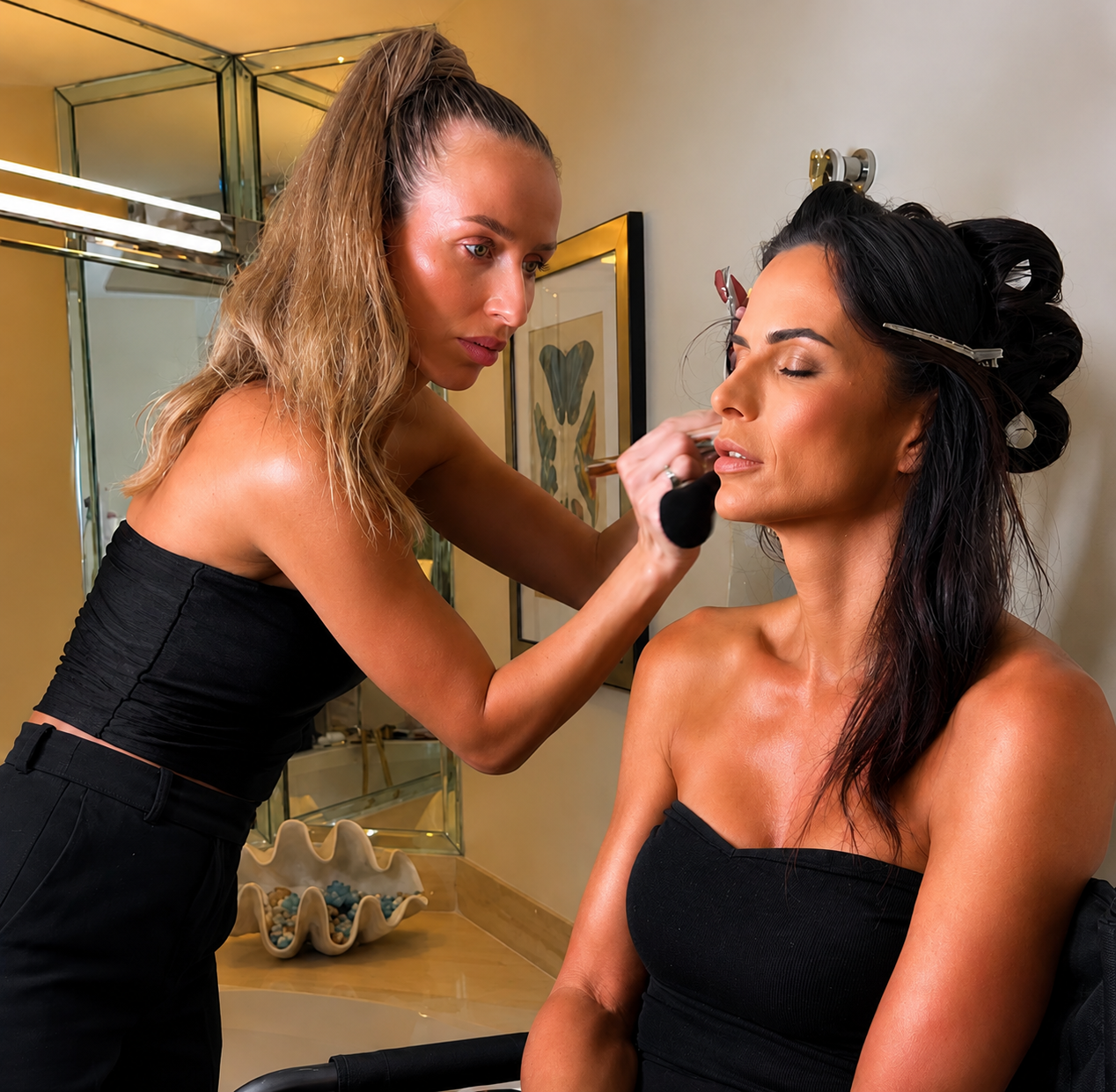
Photo: Viktoriia Riaboshapka (left) and actress Ana Christian on the set of a television series in Miami, Florida.
There are no second chances on set. You must make decisions quickly, understand lighting and camera requirements, know how skin reacts under studio lights, and operate in a constant state of multitasking.
Film production teaches you that being creative is not enough – you must also function as part of a much larger system. You work within a massive team where everything depends on timing, efficiency, and results.
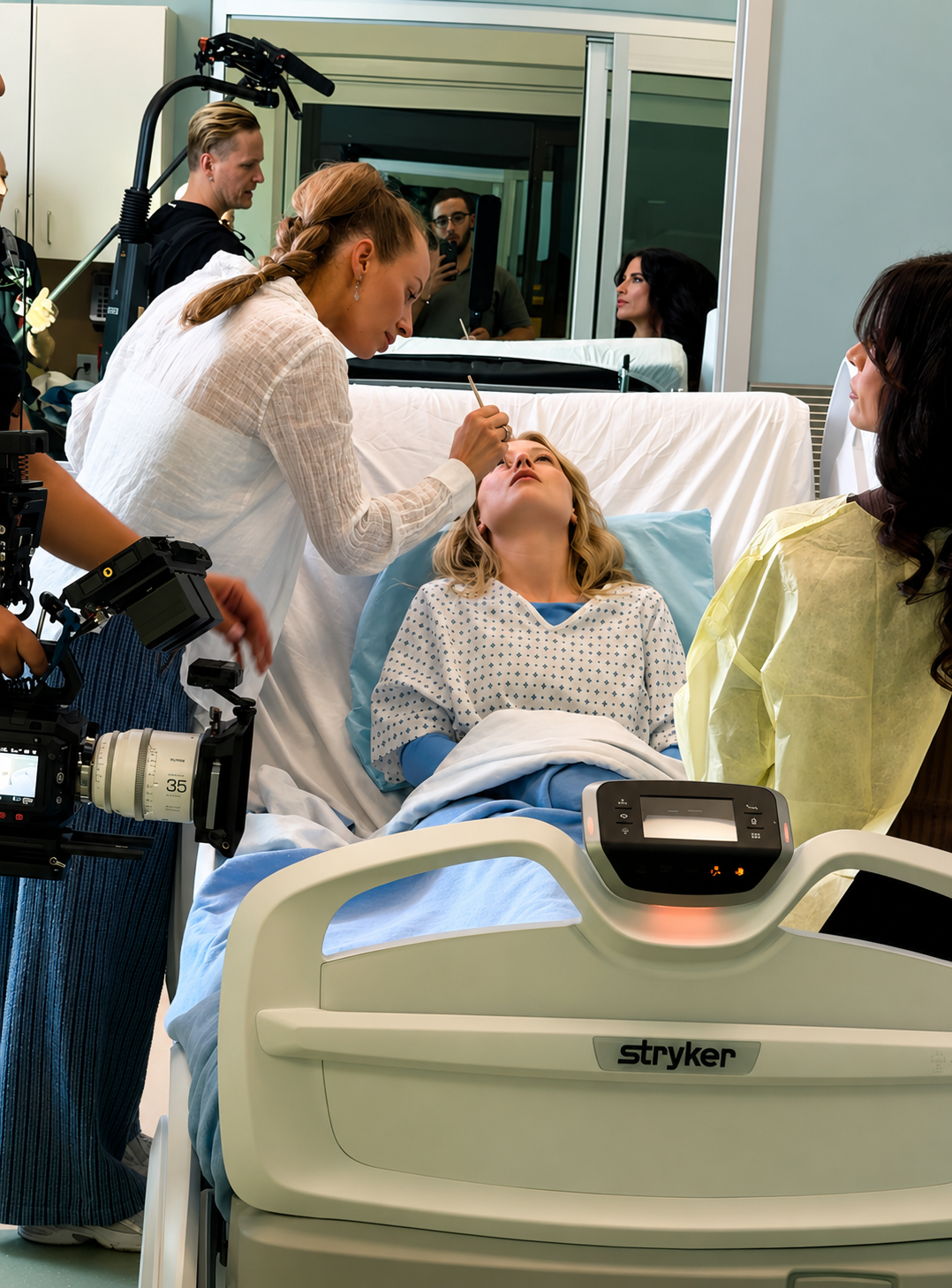
Photo: Viktoriia Riaboshapka (left) at work on set.
At the same time, projects like these create a profound sense of professional growth. After working on a production set, you begin to view your capabilities in an entirely different way.
— What types of projects can truly elevate a beauty professional’s career?
— Without question, projects involving artists, celebrities, and major media events.
When an artist chooses you, it is already a sign of trust in your taste, vision, and professionalism.
For me, one such opportunity was collaborating with the talented musician Corvaa. I prepared her for performances and events, and now I am entering one of the most significant stages of my career – preparing her for Grammy Week in Los Angeles in January 2026.
For me, that is both an enormous responsibility and a tremendous honor.
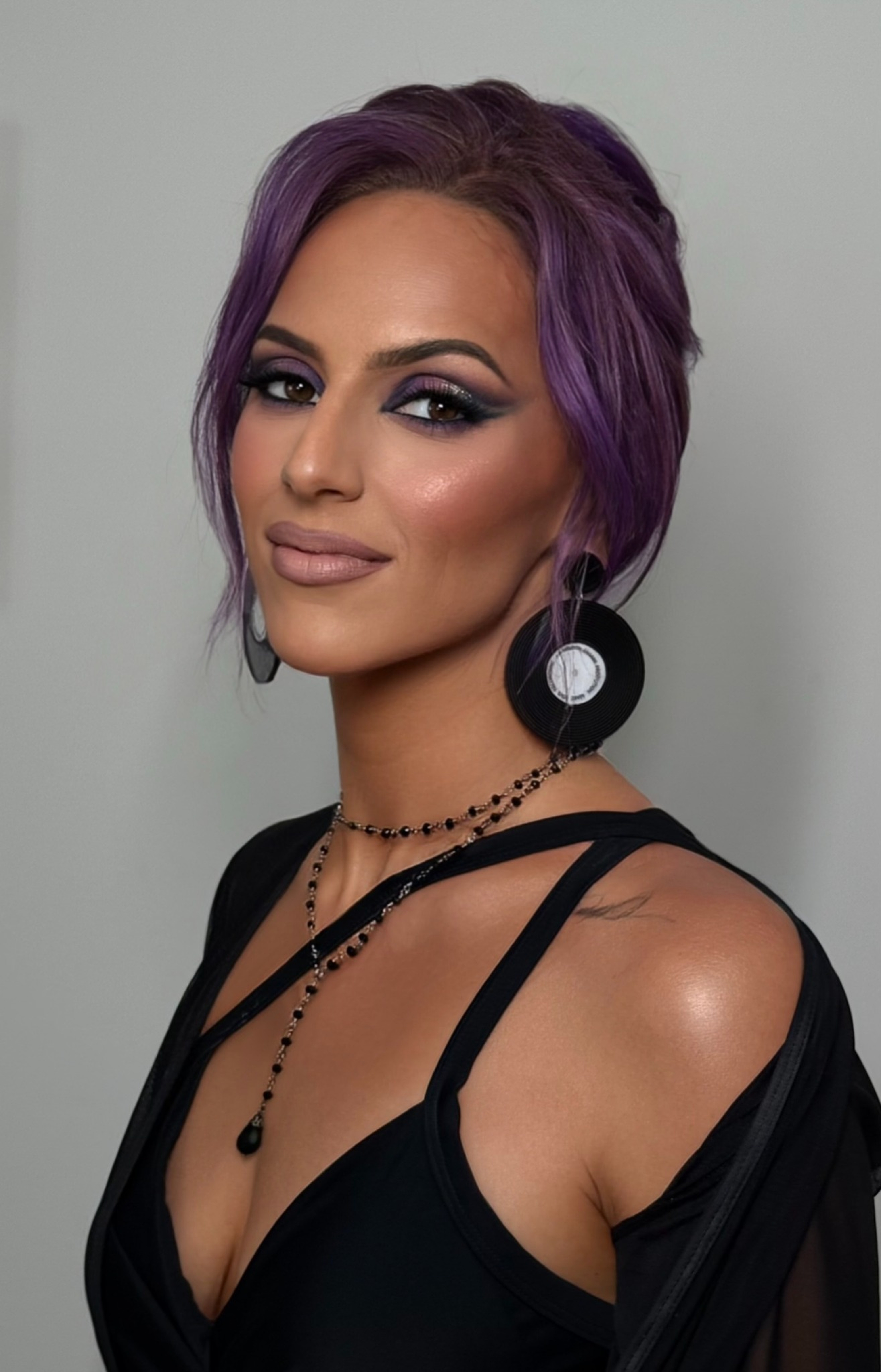
Photo: Musician and recording artist Corvaa. Makeup and hairstyling by Viktoriia Riaboshapka.
Projects like these do far more than raise your profile. They expand your professional network, introduce you to new audiences, and open the door to an entirely different level of career growth.
— On a practical level, what mistakes do professionals most often make when trying to establish themselves in a new country?
— The biggest mistake is waiting until you feel confident. Confidence comes only after taking action.
The second mistake is trying to appear perfect from the start. People delay launching their websites, social media pages, or professional photoshoots because they believe they are not good enough yet.
The third mistake is isolation. It is essential to engage with the professional community –meet people, collaborate, attend events, and never be afraid to make the first move.
In America, relationships and reputation carry tremendous weight.
— One final question. What would you say today to a beauty professional who has just arrived in a new country and is afraid to start over?
— Immigration is a difficult journey, especially for a creative person. Nobody will wait for you to discover your potential. In a new country, you have to rebuild not only your career but also your belief in yourself.
And honestly, today I am grateful even for the most challenging periods of my life, because they taught me not to be afraid of starting over.
I truly believe that if someone genuinely loves what they do, is committed to continuous growth, builds meaningful relationships, remains open to new opportunities, and most importantly refuses to give up after the first setbacks, they will be able to build their name and reputation regardless of the country, language, or circumstances.