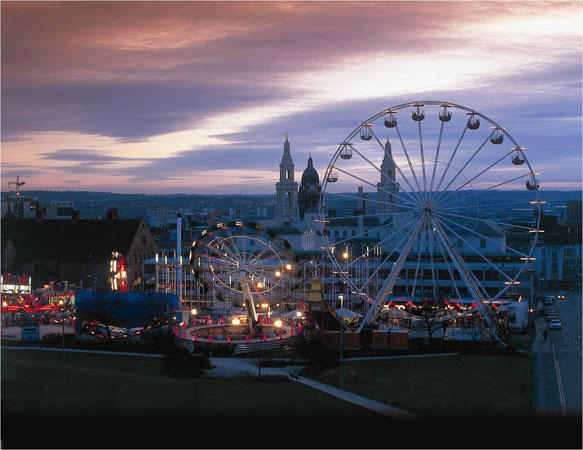
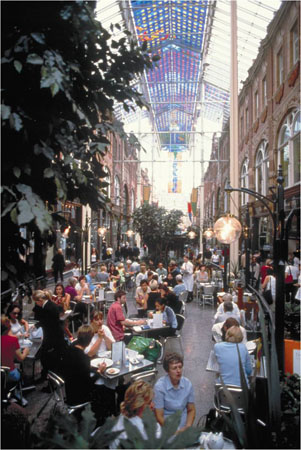
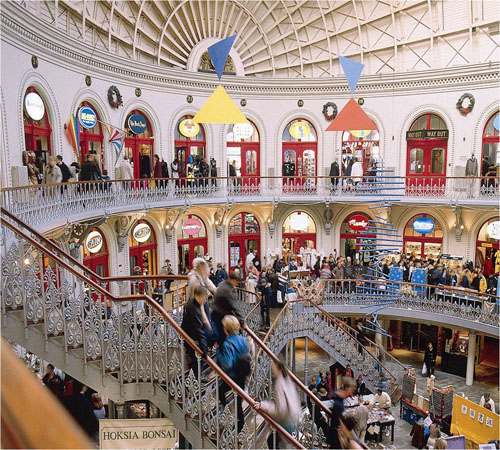
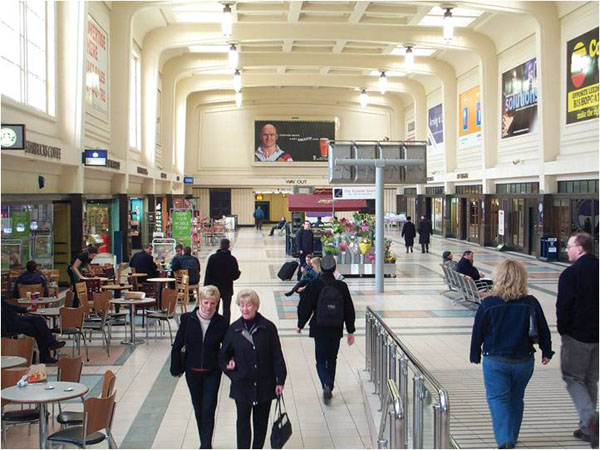
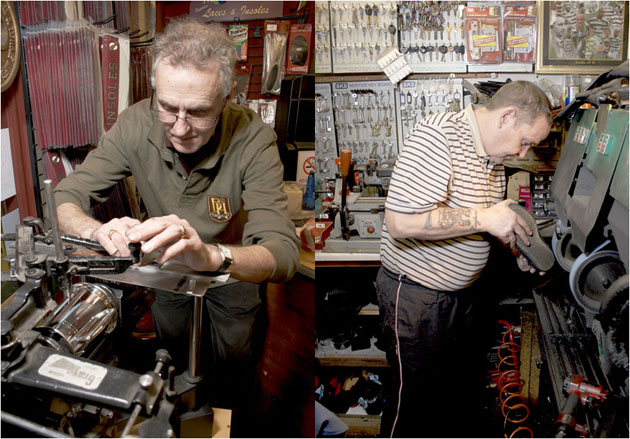
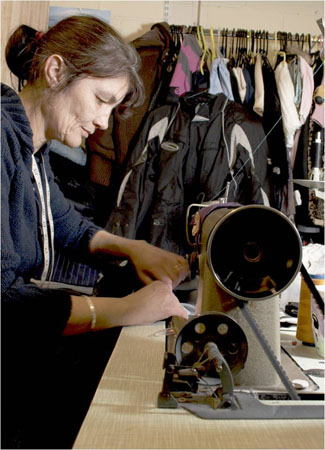
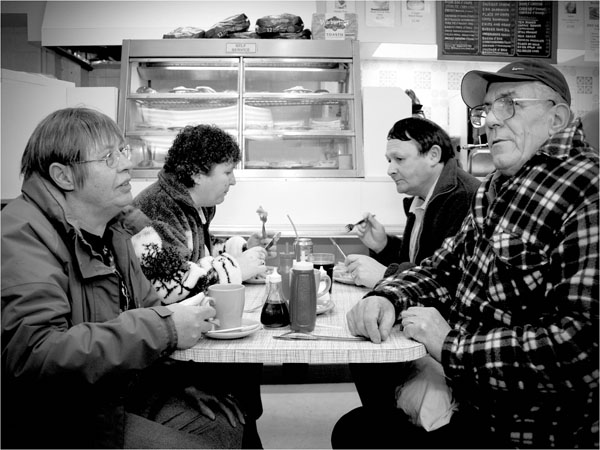
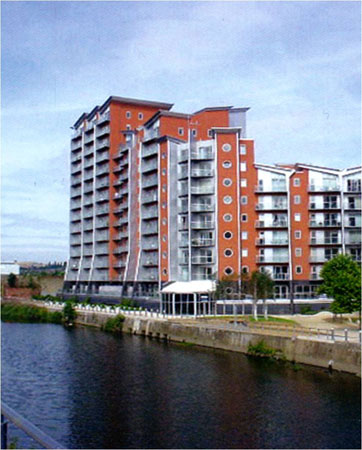
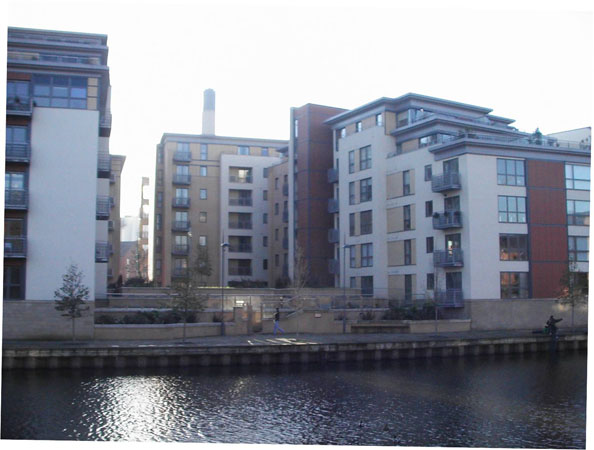
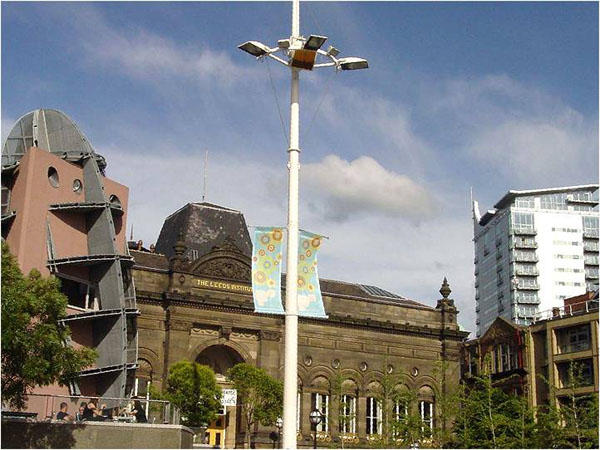
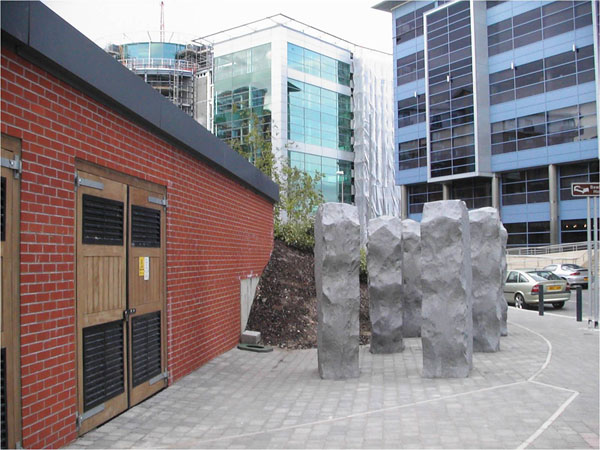
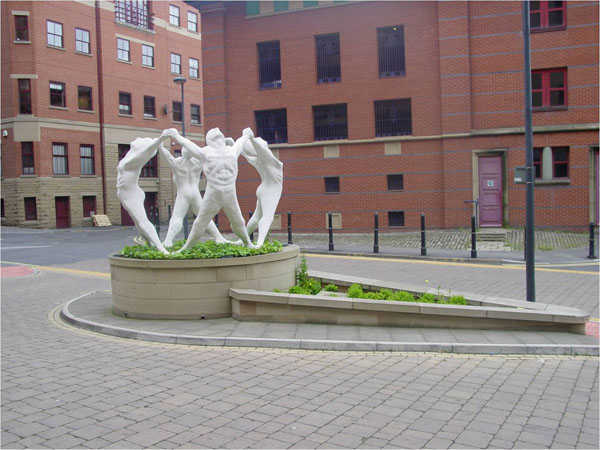
Marketing images of the city account for the majority of officially published material, yet represent a fraction of the reality of life in LeedsPhotograph: PRQueens Arcade, the crown in Leeds retail empire, was one of the earliest developments in the 1990s boom period but remains unmatched in quality by the many developments that followedPhotograph: Leeds city council/Leeds city councilLeeds' Corn Exchange was converted into successful speciality shops, creating somewhere that attracted youth culture to the centre of the city. Closure earlier this year to make room for a food hall swept away yet another element of diversity Photograph: Leeds city council/Leeds city council
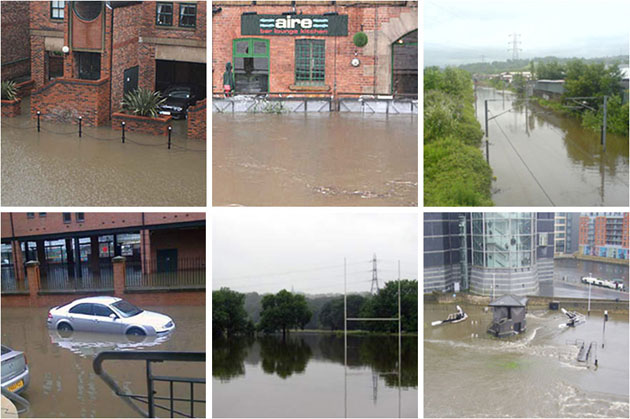
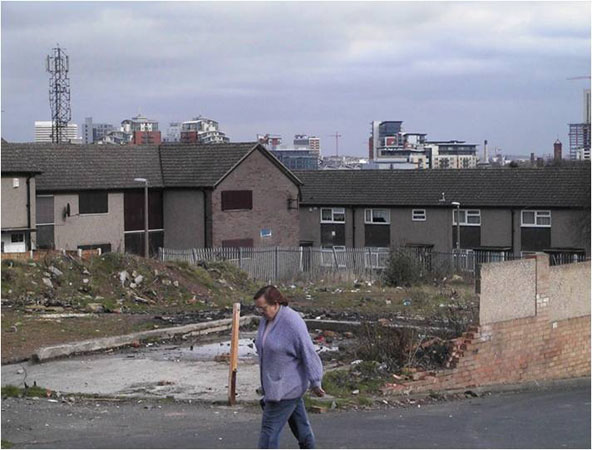
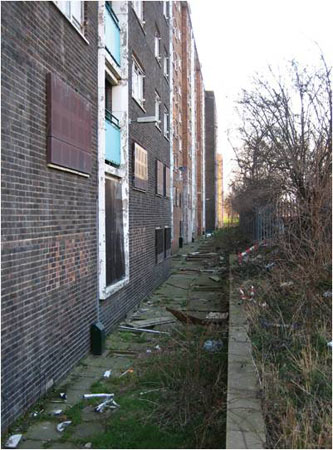
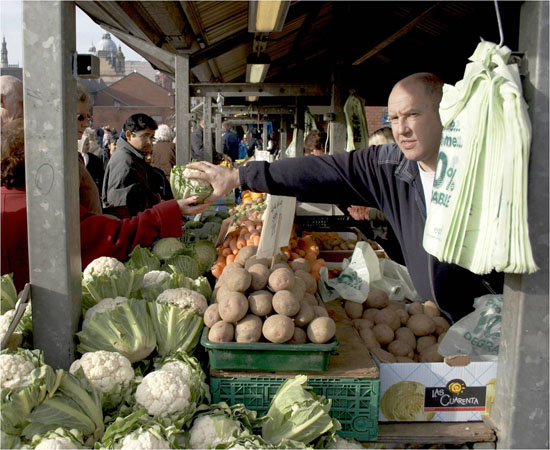
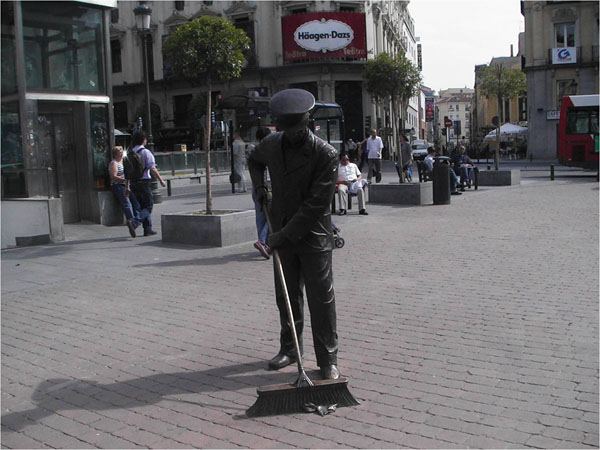
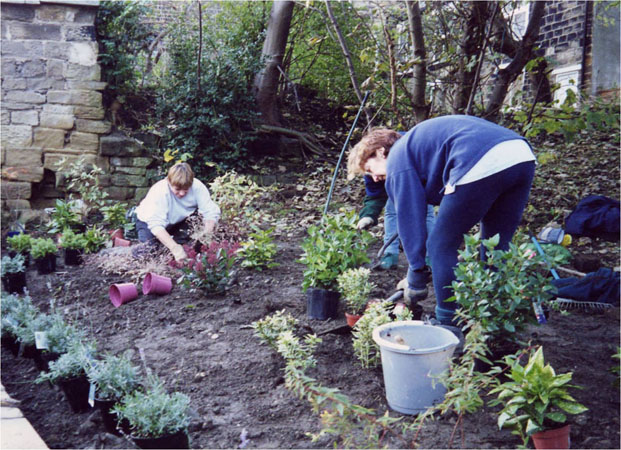
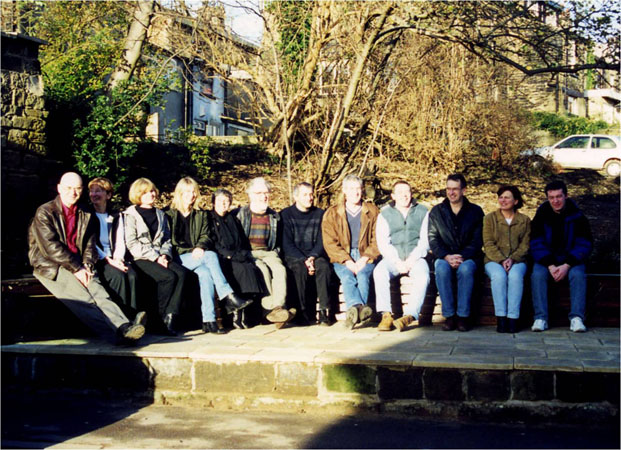
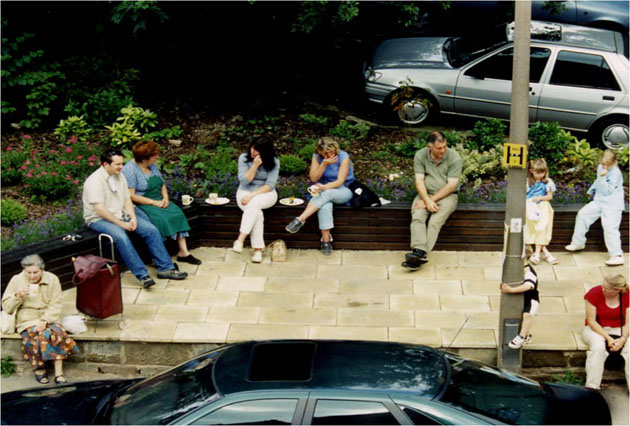
The city was unprepared for flooding in 2007 and is still unprepared. It will take many more floods before local authorities accept the need to rapidly adapt to climate changePhotograph: PRThe station concourse in Leeds is rapidly approaching full capacity, and the carbon emissions need to be reduced by 80%, yet there are no visionary plans in the making to suggest new movement infrastructure Photograph: Leeds city council/Leeds city councilThe deprived area of Armley overlooks Leeds' booming city centre only 500 metres away. Such photos are never acknowledged by the city, despite the expressed desire in the City Vision to "bridge the poverty gap". Crime is related not to poverty but to differential incomes - we are building places for social unrestPhotograph: Irena Bauman/Irena BaumanSaxton Gardens, 200 metres from the booming city centre, highlight the divide between wealth and poverty in 2007. Now refurbishment by Urban Splash has begun to convert this council housing into private apartments. This will relocate the divide instead of eradicating itPhotograph: PRA Leeds market trader in 2008. The outdoor market is due for redevelopment - the cheapest stalls will be reduced in size to release site for deep plan commercial blocks, despite the need to increase opportunities for cheap trading and make the poor welcome in the cityPhotograph: Rachel Codling/Rachel CodlingA heel bar and key cutting kiosk in the market – one of the few remaining recycling and repairing businesses left in the city centre economyPhotograph: Rachel Codling/Rachel CodlingThere are still some 30 tailors' workshops in Leeds, but we have almost forgot their value to repair, recycle and remodel. In the world that is adapting to climate change, these skills need to be reintroduced into the school curriculum and the few traditional workshops assisted to expandPhotograph: Rachel Codling/Rachel CodlingA traditional market café - one of few places where people for adjacent communities congregate in the city centrePhotograph: Rachel Codling/Rachel CodlingTypical residential development in city centre. In the last 15 years, more than 7,000 tiny one and two bedroom apartments have been built in the centre that has no infrastructure to support a residential populationPhotograph: Irena Bauman/Irena BaumanBrewery Wharf, a gated community typical of the residential developmentsPhotograph: Irena Bauman/Irena BaumanMeaningless gestures of public art covering a communication tower (to the left of this picture), and 60s office tower converted into apartments is crowned with a quaff. Would the creativity and finance be better spent on more substantial infrastructure for the future? Photograph: Irena Bauman/Irena BaumanMeaningless public art - this shows an example of disconnection between the intention and the realityPhotograph: Irena Bauman/Irena BaumanPoor quality private "public art" at Leeds general infirmary - unfiltered, and unstrategic Photograph: PRFor comparison, an example of public art in Madrid, a confident city that represents its civic pride through acknowledging the most everyday element of its successful public realm - the sweepers Photograph: Irena Bauman/Irena BaumanAn example of community activism in the Chapel Allerton area of Leeds, where a group of residents took over a neglected scrap of land and converted it over one weekend - in the pouring rain - into a small "pocket park"Photograph: Irena Bauman/Irena BaumanThe residents who made the pocket park. Penny Sanders (fourth from the left) has since set up - and now helps run - an arts centre called 7 in Chapel Allerton. The greatest power of transformation is within the community itself and local authorities need to learn how to tap into this resource and facilitate itPhotograph: Irena Bauman/Irena BaumanThe pocket park is in constant use Photograph: Irena Bauman/Irena Bauman
Sign up to read this article
Read news from 100’s of titles, curated specifically for you.