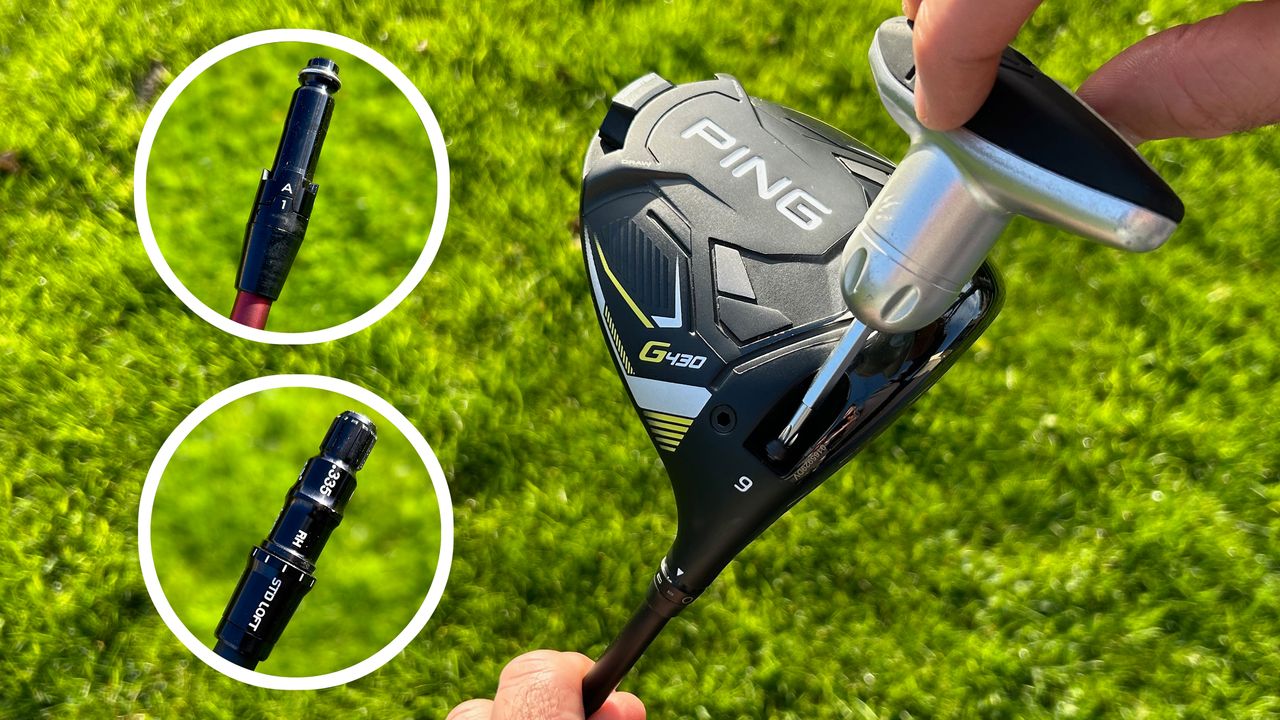
Adjustable hosels for the best drivers have transformed the game, allowing golfers to "self-fit" their clubs without a trip to a master builder. However, as of 2026, the market has split into three distinct categories of tech.
Understanding which one is on your shaft is the key to finally dialing in your ball flight.
The Single-Axis Standard
Most "standard" adapters - like TaylorMade and Ping - operate on a single-axis sleeve. In these systems, loft and lie are inherently linked; adjusting one variable will almost always influence the other.
TaylorMade
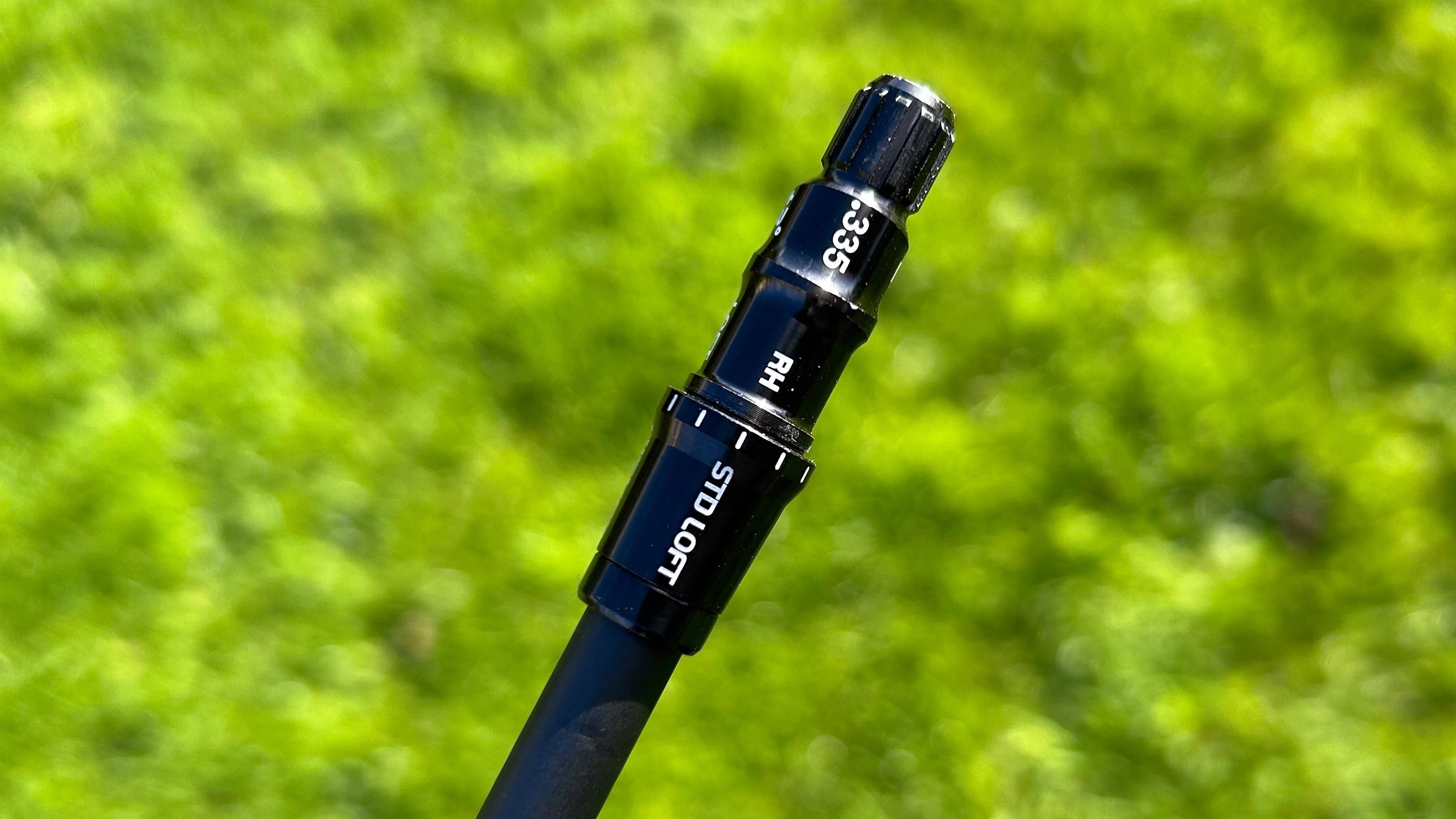
TaylorMade uses a 12-position sleeve with a +2°/-2˚ loft range. When you lower the loft, the face angle opens at address, and conversely, when you increase the loft, the face angle closes.
With a TaylorMade loft sleeve, the flattest achievable lie angle is the STD setting; every other setting, aside from that, will set the clubhead more upright.
Ping
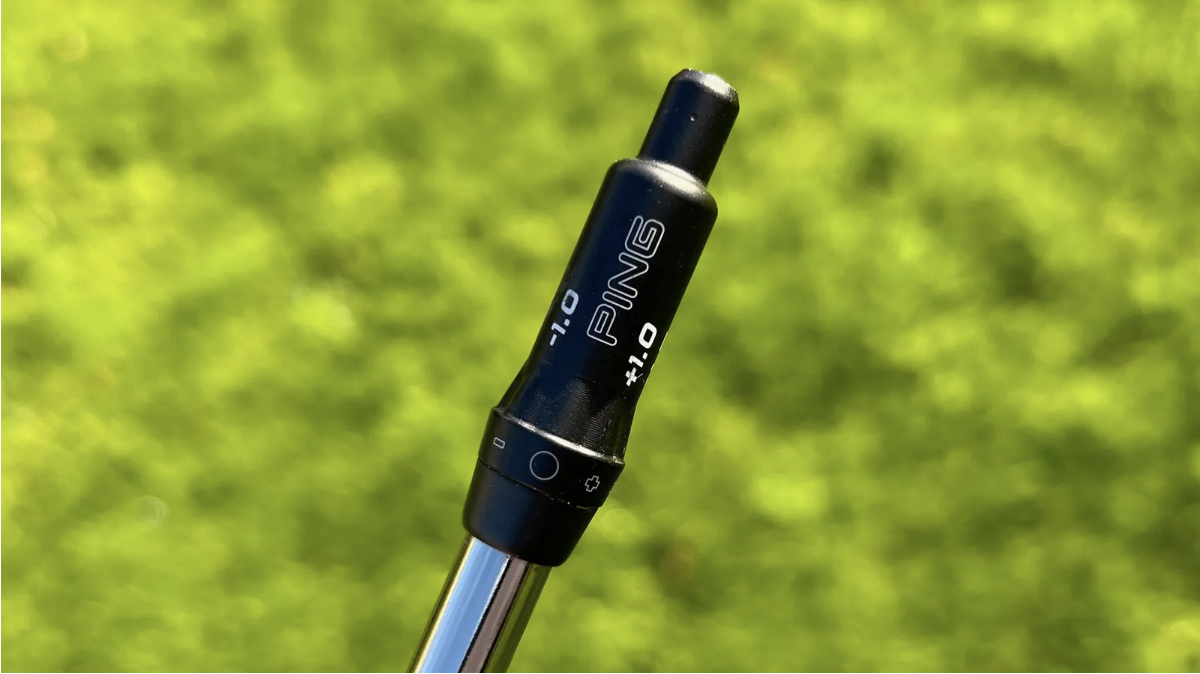
The Ping 8-position sleeve focuses on "flat" settings. The dedicated Flat (F) setting can flatten the lie by up to 3°, helping "left-miss" players keep the ball in the fairway without drastically changing loft.
In terms of loft options, we have the ‘big’ plus or minus, which will adjust loft by 1.5˚ either way, and the ‘small’ minus, which will provide a 1˚ adjustment.
Dual-Cog Systems
If single-axis adapters are "linear," then manufacturers such as Callaway and Titleist use a "grid" system.
By utilizing two independent moving parts (cogs or rings), these brands allow you to adjust loft and lie with much greater independence than TaylorMade or Ping.
Callaway
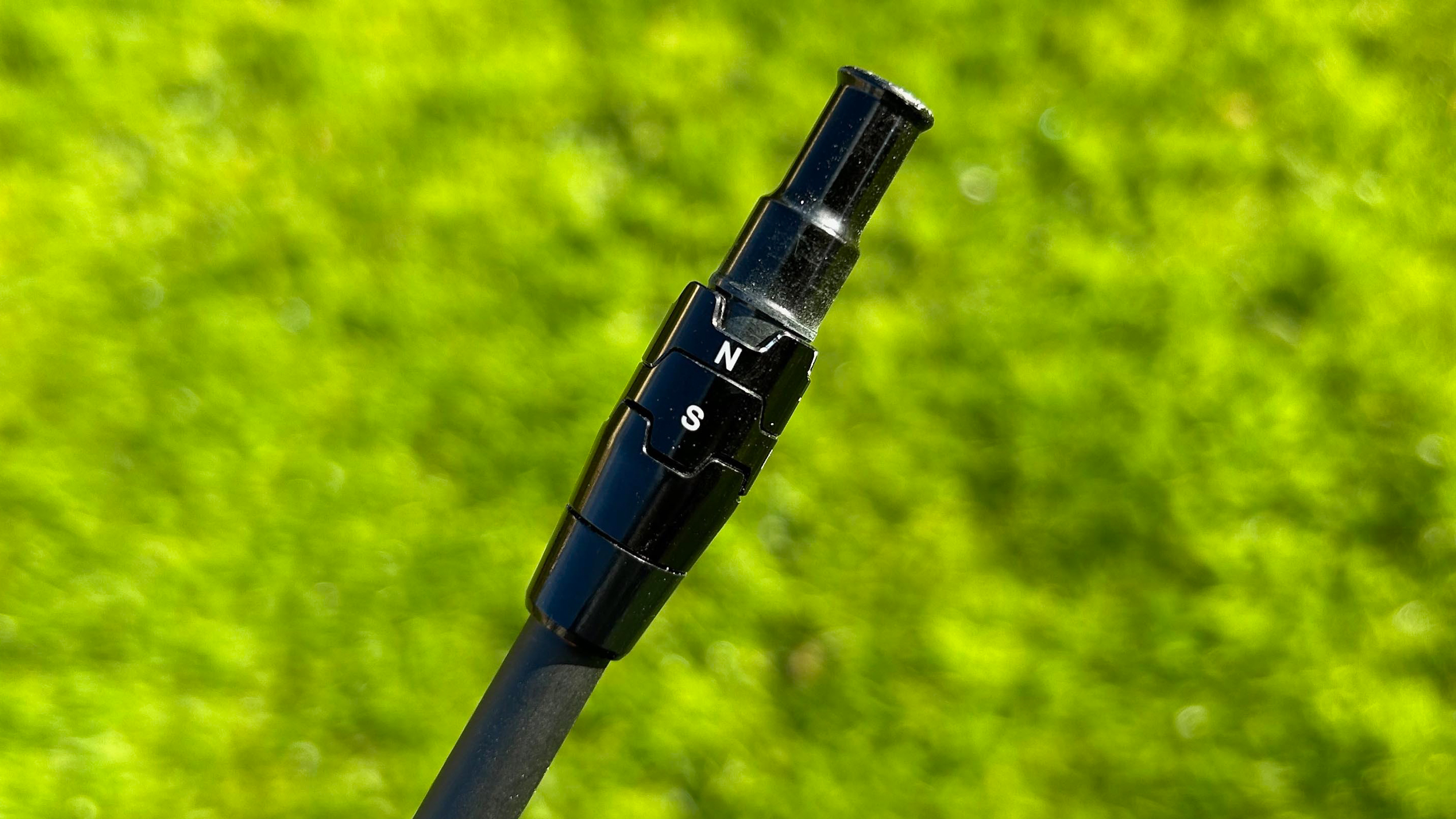
Callaway uses two rotating cogs (upper and lower) that work together to provide 8 unique combinations. Because the cogs rotate independently, the shaft itself doesn't have to rotate. This keeps your grip and shaft graphics perfectly aligned regardless of the setting.
You can choose from four loft options (-1°, Stated, +1°, +2°) and two lie settings (Neutral or Draw). It is the simplest way to gain loft without being forced into a specific lie angle.
Titleist
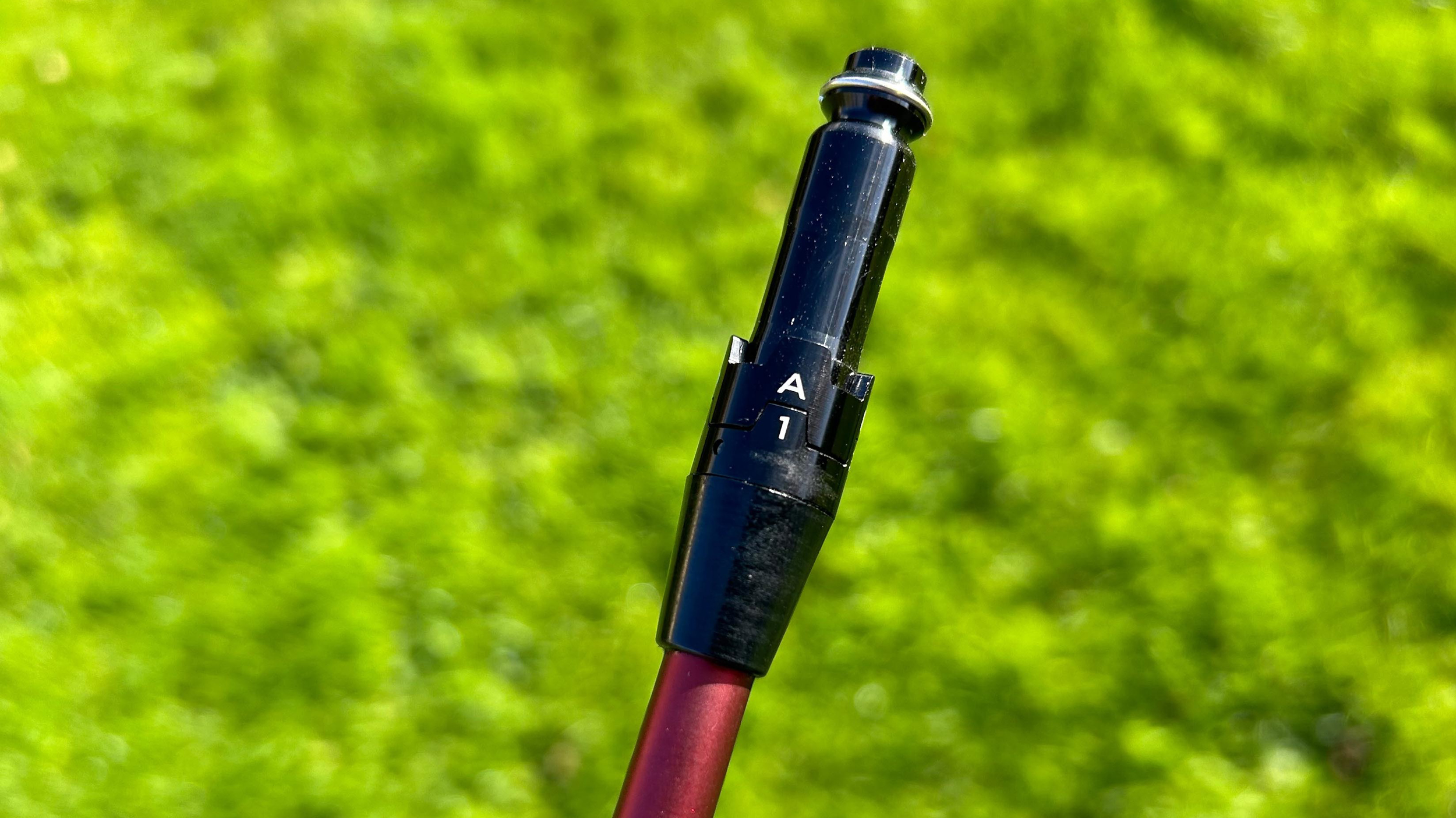
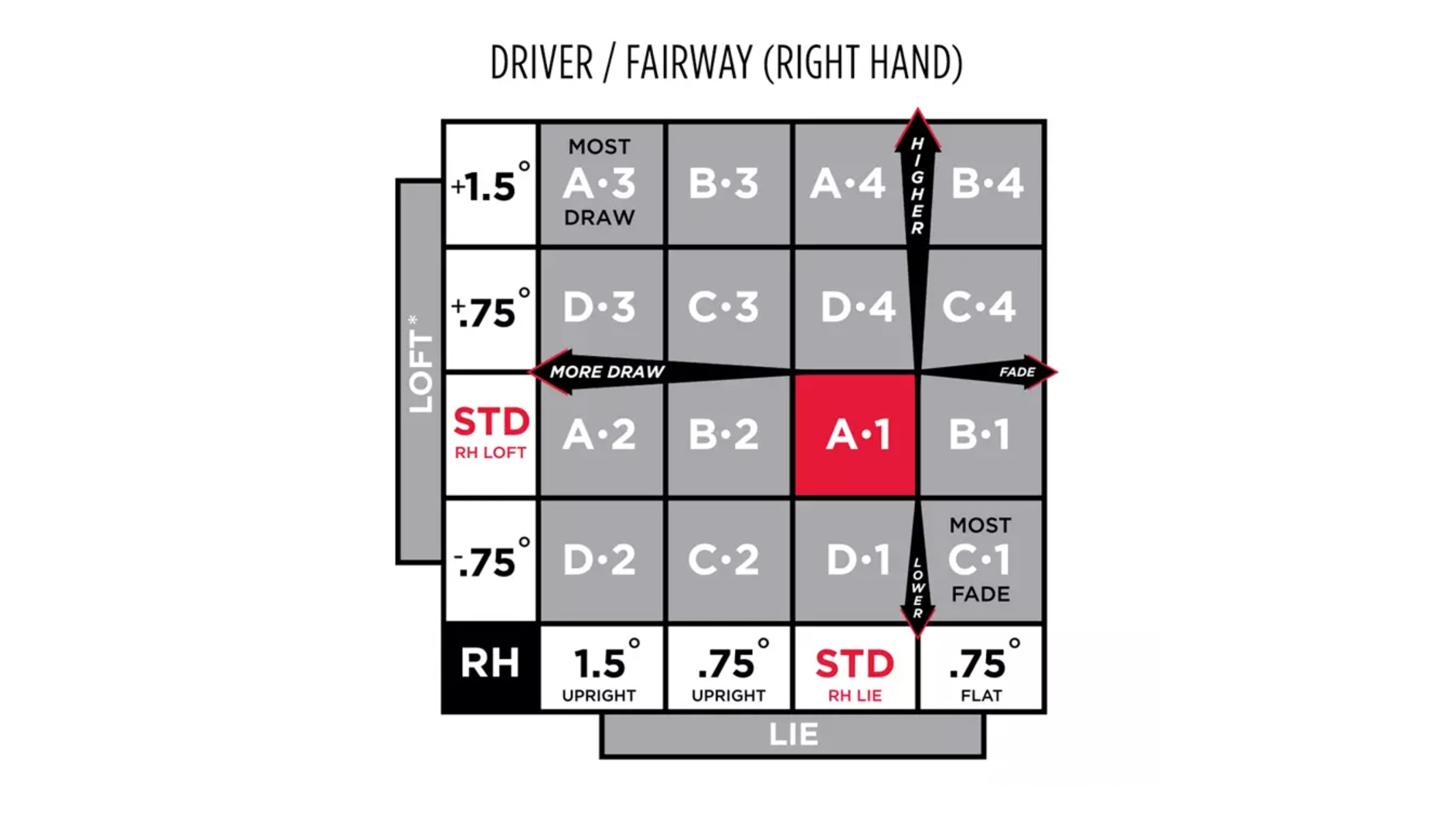
Titleist utilizes a sleeve and ring system (labeled A-D and 1-4) to create 16 unique settings. By moving the ring and sleeve into different pairings, you can adjust loft and lie in 0.75° increments.
Arguably, this adapter offers more "resolution" than Callaway. If you need a club that is exactly 0.75° flatter and 0.75° higher in loft, the SureFit grid allows you to find that specific setting.
The High-Resolution Frontier: Cobra FutureFit33
While Callaway and Titleist offer more independence, Cobra’s FutureFit33 (FF33) has completely rewritten the rules. This system is the ultimate evolution of the dual-ring concept, offering a staggering 33 unique settings.
The FF33 completely decouples loft and lie adjustments.
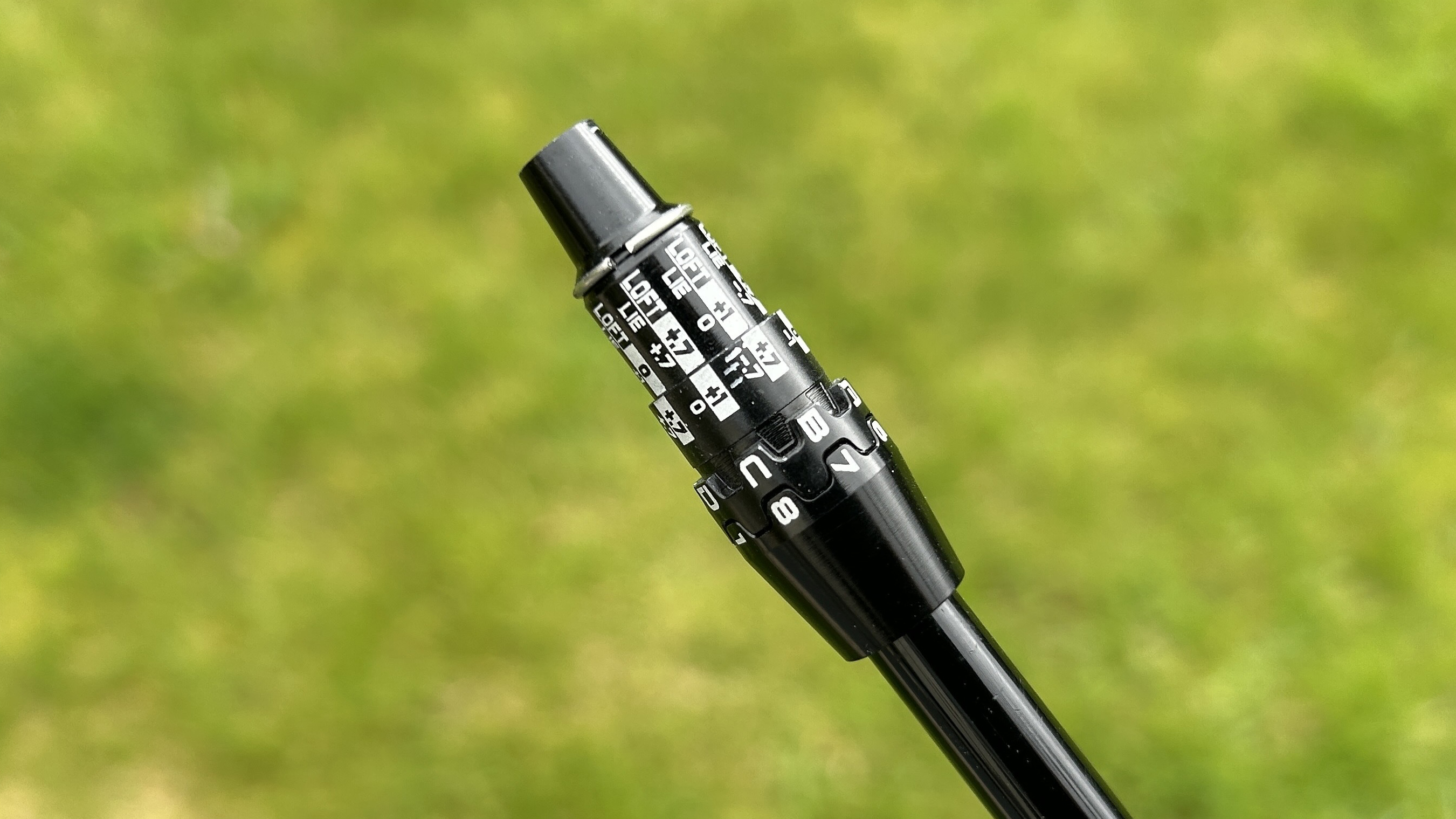
In a standard adapter, if you want more loft, you are usually forced to accept a more upright lie angle. The FF33 breaks this link entirely. By utilizing a dual-ring internal mechanism with tighter tolerances, you can finally achieve combinations that were previously impossible without a custom-bent hosel - such as adding loft while simultaneously flattening the lie angle to prevent the ball from going too far left.
Furthermore, Cobra’s system is designed to maintain a square face angle visual across a wider variety of settings. It is essentially a portable fitting cart inside your hosel, offering the highest level of fine-tuning available in 2026.
Which System Fits Your Needs?
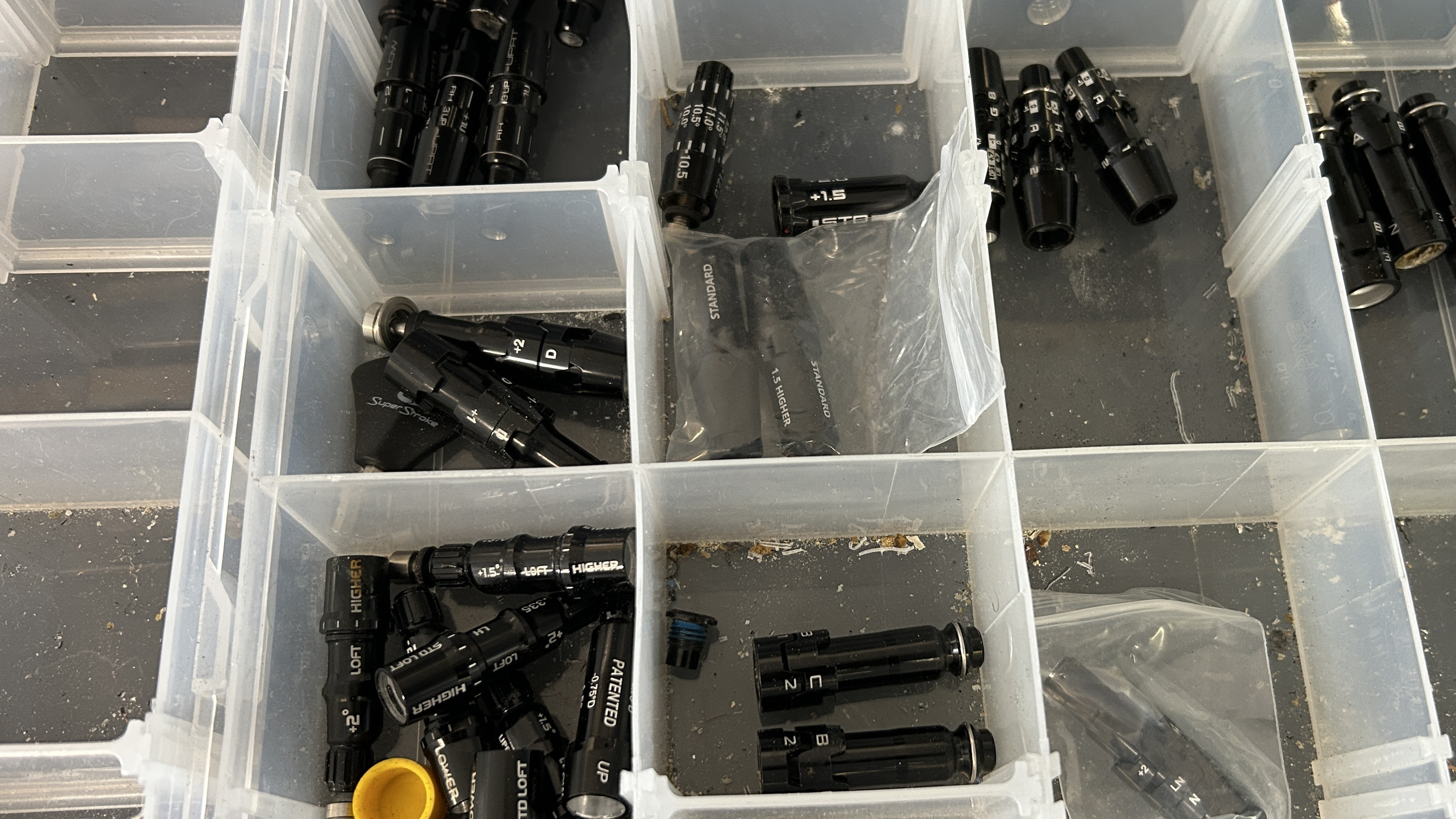
TaylorMade/Ping: Best for golfers who want a "set it and forget it" fix for a slice or hook.
Callaway/Titleist: Ideal for players who want to adjust loft without moving their grip or those who need a specific "grid" setting to optimize spin.
Cobra FF33: For the "tinkerer" or elite player who needs to move loft and lie independently to achieve a specific launch window without changing their visual at address.