Although over six decades ago the color barrier was broken by opera singer Marian Anderson, to date opera singers of color still face unique obstacles growing within the industry. In more recent years only a sliver of performers nationwide were performers of color. And while the industry has been committed to increasing diversity on stage, the barriers far precede joining opera houses and performing.
The stark reality is that there are high fiscal costs associated with becoming an opera singer. These costs include college and graduate studies, vocal coaching, and pay-to-sing program expenses compounded by additional classical training and rehearsal time. In addition, most opera singers have had to leverage a side gig to support their careers.
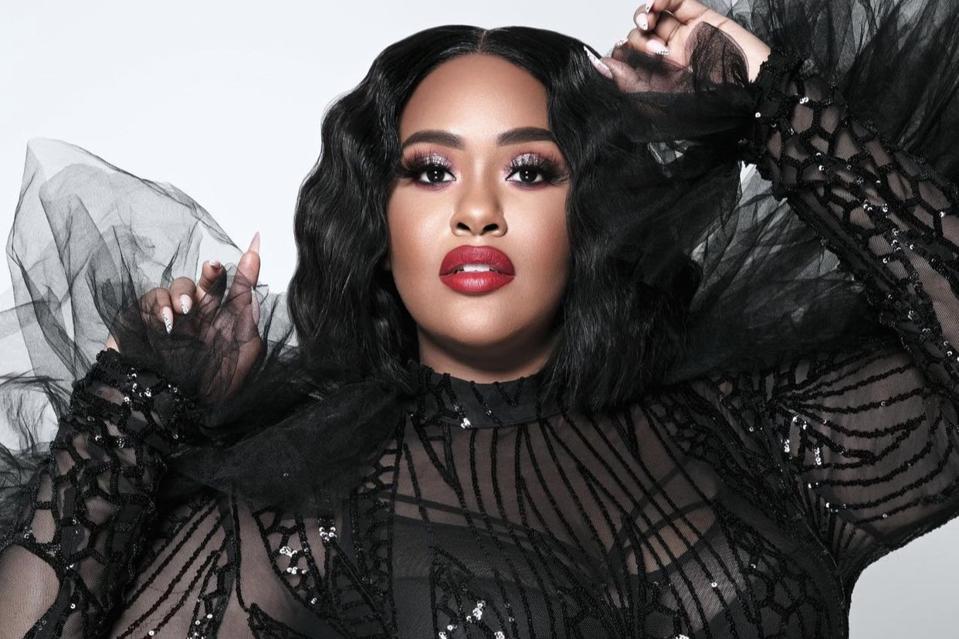
However, opera singers of color are still paving a path toward new possibilities and offering diverse music to the opera arena. One artist, in particular, is Madelyn Brene whose vocal timbre is expanding classical music to diverse audiences. Read more on her journey developing a musical tone that is taking the internet by storm and charting a new path in the classical arena.
Identifying Her Passion for Opera Music
Brene grew up with deep roots in the church given her two grandparents were pastors. She started singing at the age of three and then as she grew went on to win several oratorical contests. From the start family and friends shared she had a unique sound. She delved further into exploring this sound when she started her classical journey at age nine and continued on that pathway up to her college studies at Southern Methodist University.
Then one day during her collegiate studies, Brene spent her last $90 to see a live performance that featured American operatic soprano singer Kathleen Battle. Brene recounts that Battle’s music touched her soul with its graceful and angelic sounds. And after the show, as Battle greeted fans and thanked them for coming, she approached Brene and asked if she was a singer. Excited and stunned, Brene responded yes to which Battle responded “I can tell, you have the aura about you.” It was then that Brene felt, with conviction, affirmed that singing is what she was born to do.
Why Trap Opera: Diversifying a Genre
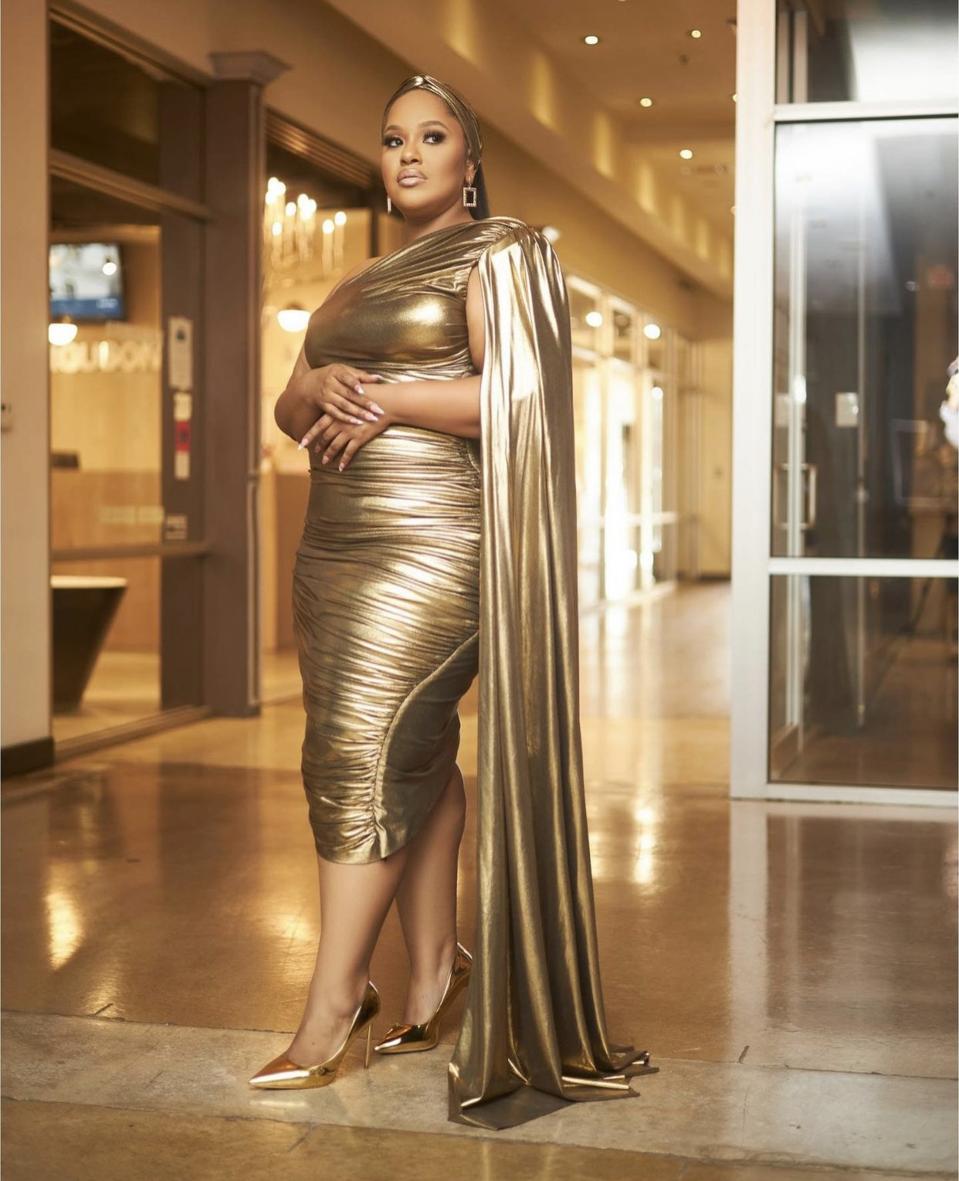
Brene was drawn to classical music and more particularly opera because of the singers’ beauty and strength. Leona Mitchell, Grace Bumbry, and Leontyne Price served as women who the artist shares were “sultry, sexy, classy, and powerful.” Brene enjoyed their sounds and desired to combine them with components of her favorite music that also includes gospel, jazz, and 1990’s R&B. In honor of her eclectic musical ear and sound, she named this new wave of music “trap opera.”
“Trap opera takes the timelessness and beauty of the opera and merges it with empowering modern culture,” Brene shares. She also further illuminates that “trap opera is a crossover movement that blends the conservative nature of the opera with a genre that is fresh, bold, and gritty.” As an artist tapping into a fresh sound, she combines a mixture of melodic, but funky and raw rhythms and prose. To date, this has led her work to amass a growing social media following that enjoys her unique sound. In addition, the fruits of her labor have been recognized by both the Dallas Symphony Orchestra and Chloe Bailey–two prominent musical leads in their respective worlds.
Brene plans to release a new single inspired by her journey this spring. The single titled “Slay In My Lane” aims to encourage listeners to fully believe in themselves. While traditional opera has been perceived as a staged drama set to music, she aims to create more music similarly that shares stories centered around the modern woman and current generation.
Supporting the Next Generation of Music Entrepreneurs
In her multi-pronged endeavors to thrive in the music industry and support the next generation of artists, Brene has delved into entrepreneurship, taking on brand influencing, business investing, and penetrating the e-commerce space with products she believes will help women build their confidence. This has not only been important in Brene’s life but also in her advocacy for others because she shares “it's so important and impactful to take ownership of our art.”
Brene believes ownership can carry people into fully compensated artistry and artistry that can transform their respective industries. This belief was affirmed through her personal experiences when the pandemic hit and she was able to easily pivot. By being open about her journey and growth experiences, she has debunked the “starving artist” trope and has leveraged her passions through influencing, brand deals, modeling, and even teaching, to cultivate multiple streams of income and thrive within the music arena. Brene shares these insights with young mentee artists in her work as a member of the Grammy Recording Academy.
In addition, at large, she recommends the following tips for current and upcoming artists that seek to evolve in their respective genres:
- Learn the landscape, then create new rules: “When you try to do things like everyone else, it doesn’t work,” Brene shares. She grew best when she deviated from the norm to chart a new path authentic to who she is.
- Visualize your reason why: “It has to be more than enjoying singing,” the artist shares. There has to be a bigger reason for why you do what you do. She often asks artists: “what is it that sets your soul on fire?” There are numerous ways to do the things artists love that not only have an effect in their lives, but also the communities surrounding them.
- Leverage patience: “People often do not realize that faith, tenacity, and perseverance are all forms of patience,” Brene shares. Amazing life-changing experiences lead artists to have unique journeys that build character often portrayed in the life breathed into their music. “Constantly trusting the process is hard, but it is important because the path is filled with twists and turns,” the artist shares.