
While possessing the ultimate knowledge might be impossible due to many physical limits (unless you have a genie lamp stashed away somewhere), this doesn’t stop human curiosity from discovering, learning, and sharing as much as we can about the things that surround us.
One proof of this is the How Things Work Instagram account, which contains various tidbits of information about anything and everything. Aiming to educate and empower its 1.9 million followers daily, it provides explanations and facts about our world that we don’t usually go out of our way to find. Scroll down to discover them, and don’t forget to upvote and share your favorites with fellow curious people!
#1
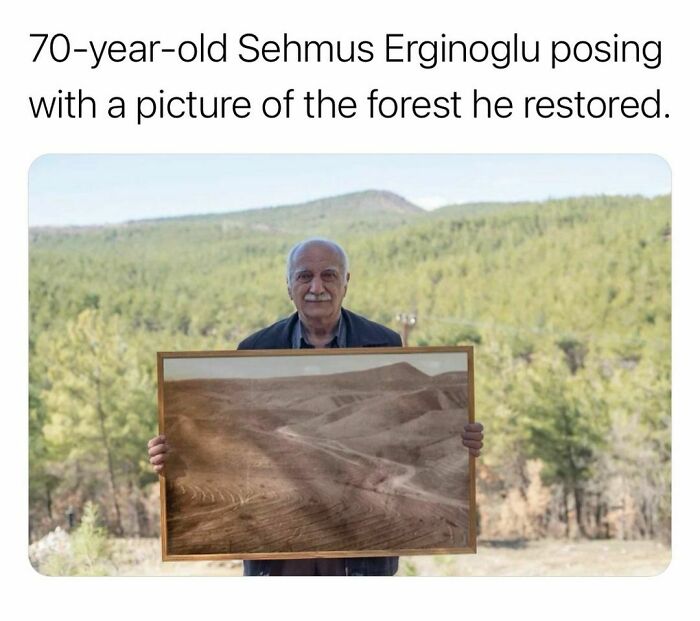
Image credits: thishowthingswork
#2

Image credits: thishowthingswork
#3
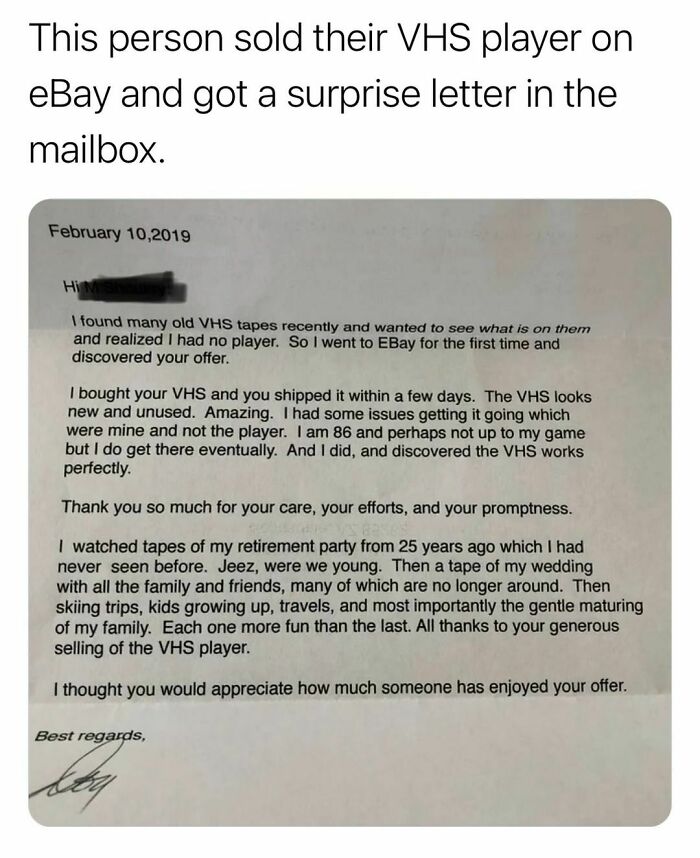
Image credits: thishowthingswork
A lot of people know the century-old myth that we only use 10% of our brain capacity. It toys with the idea that if we one day unlock our full brain potential, we may possess supernatural traits like infinite memory or even telekinesis.
Indeed, it’s tempting to believe that there must be so much more that people can do, learn, and discover. This might be why even a whole myth was born to keep such hope alive.
This misconception received attention at the beginning of the 1900s, when scientists began exploring the abilities of the brain but lacked the proper tools to capture its workings.
#4
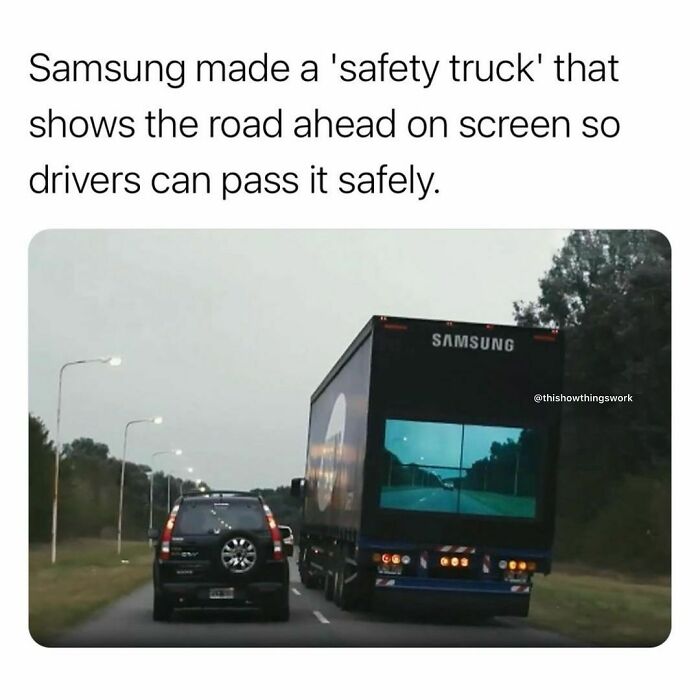
Image credits: thishowthingswork
#5

Image credits: thishowthingswork
#6
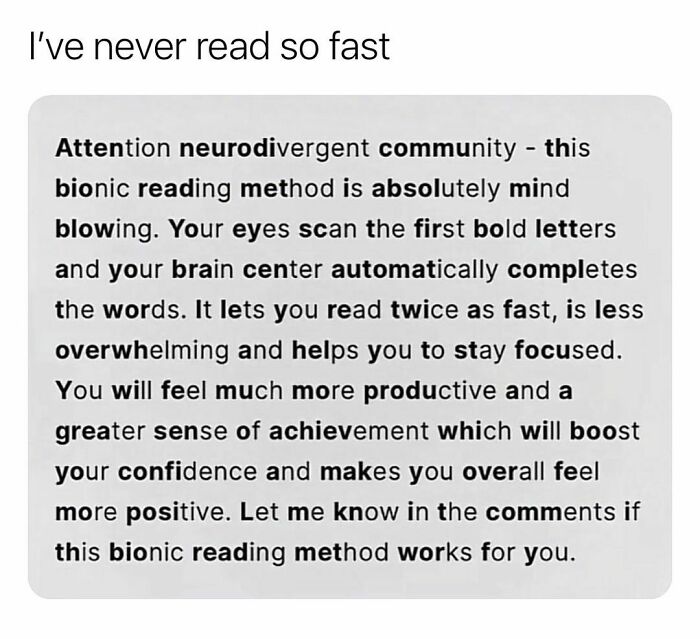
Image credits: thishowthingswork
In 1907, the founder of American psychology, William James, proposed that “we are making use of only a small part of our possible mental and physical resources.” His suggestion set the 10% misconception ablaze, resulting in many other myths.
One of them is related to Albert Einstein, who allegedly credited his genius to being able to use more than 10% of his brain. However, no such thing was ever documented, which proves that it was just a made-up story.
#7
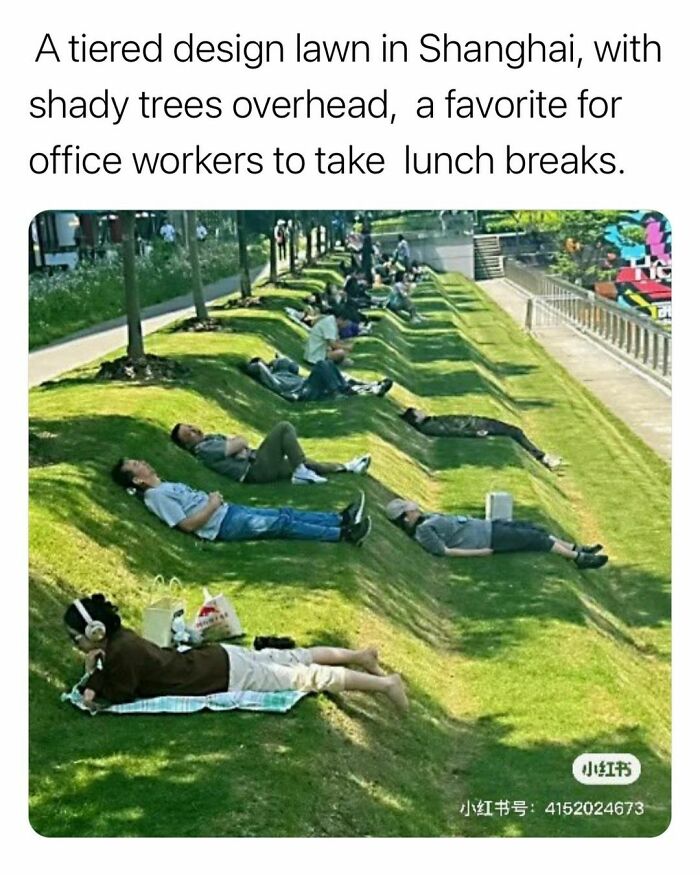
Image credits: thishowthingswork
#8
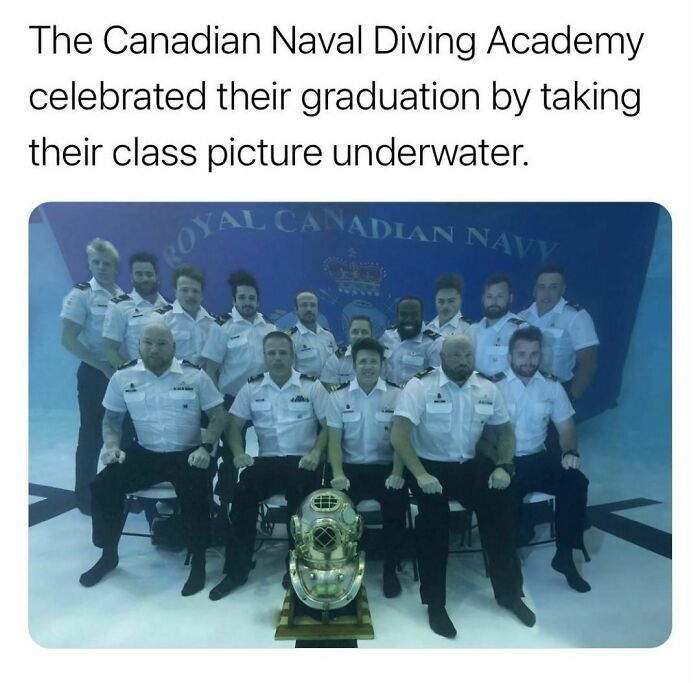
Image credits: thishowthingswork
#9
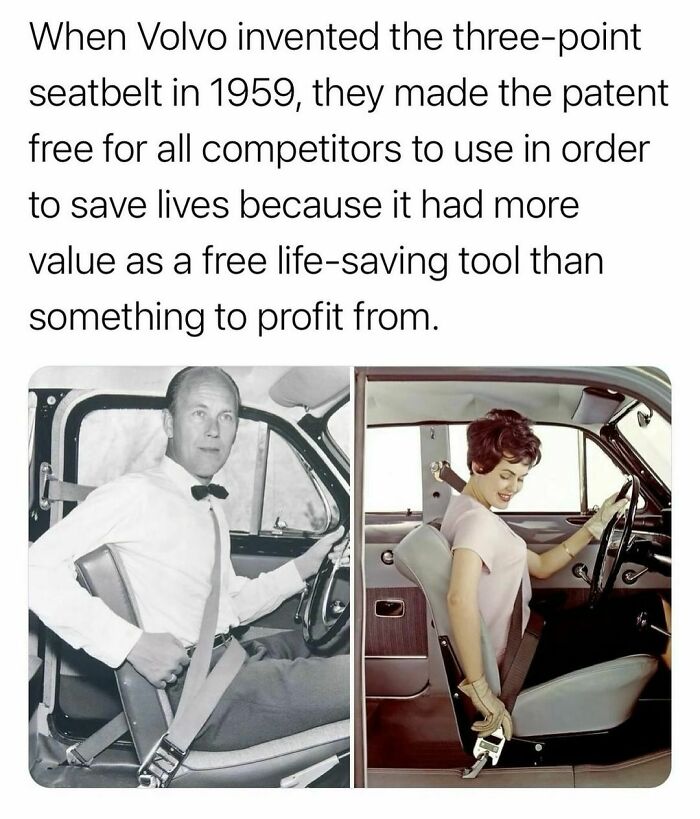
Image credits: thishowthingswork
In fact, scientists today believe quite the opposite, saying that we use our entire brains daily. “All of our brain is constantly in use and consumes a tremendous amount of energy,” explains Mila Halgren, an associate professor of brain and cognitive sciences. “Despite making up only two percent of our body weight, it devours 20 percent of our calories. Even while we sleep, our entire brain remains intensely active.”
#10
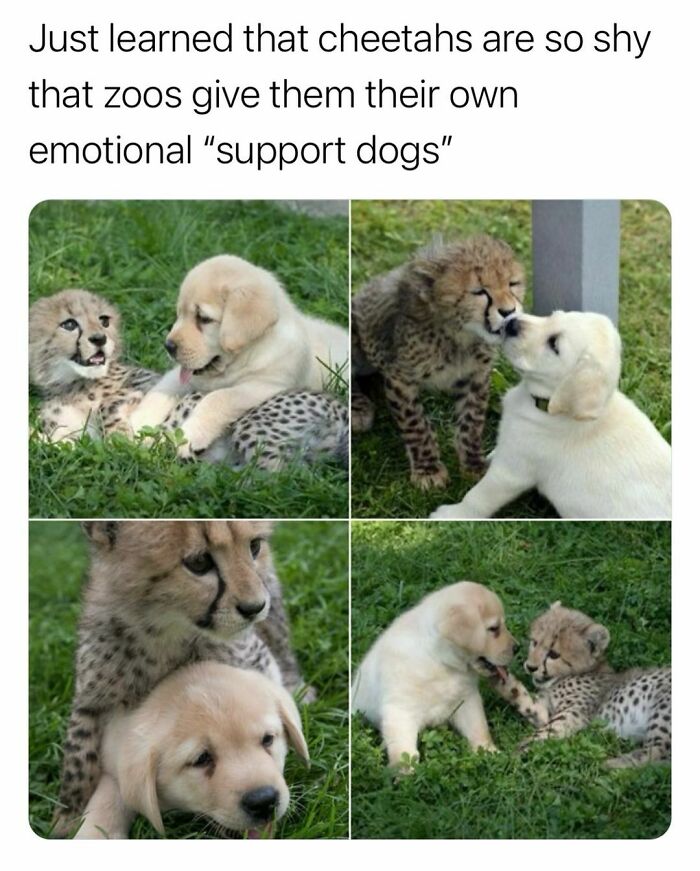
Image credits: thishowthingswork
#11

Image credits: thishowthingswork
#12
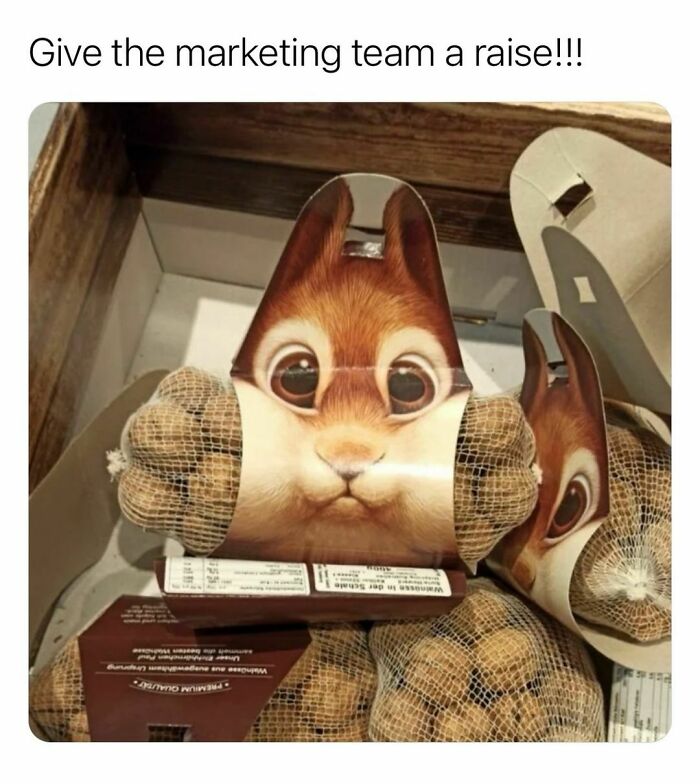
Image credits: thishowthingswork
So now that we know that we use 100% of our brainpower, can we possess infinite memory or ultimate knowledge like the myth creators have hoped? Or are there still unbreakable boundaries? “This is still in contention,” Halgren says. “There may be certain problems that the human brain is fundamentally unable to solve, like how a mouse will never understand chemistry and a chimpanzee can’t do calculus.”
#13
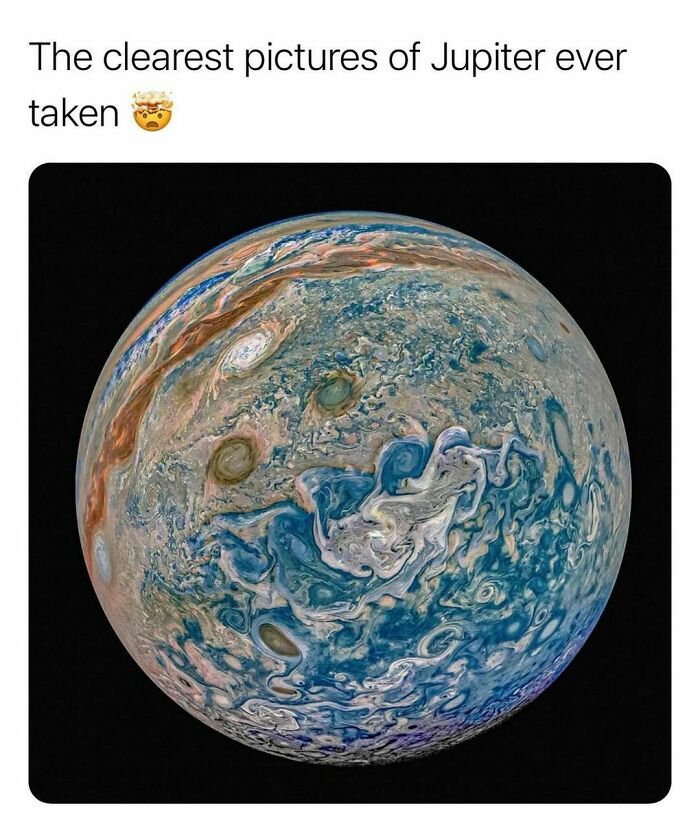
Image credits: thishowthingswork
#14
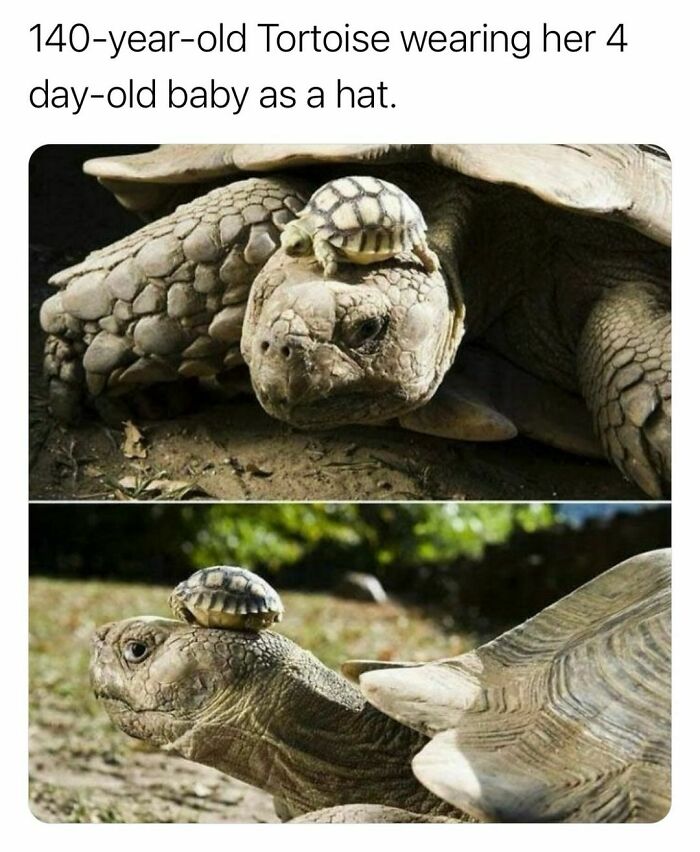
Image credits: thishowthingswork
#15
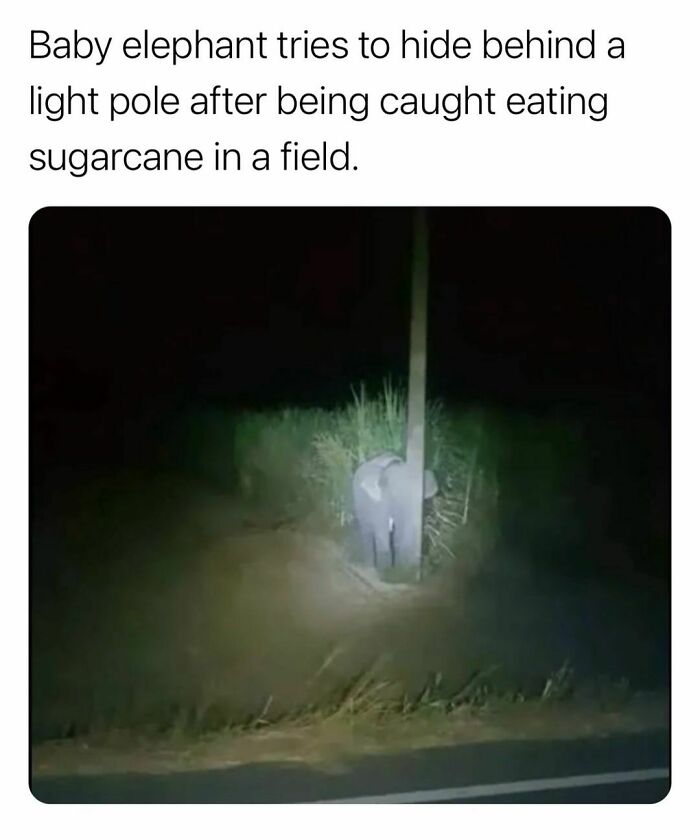
Image credits: thishowthingswork
For geeky fun, let’s entertain this idea and say that we unlocked the full power of our brain and one day woke up with infinite knowledge. What would happen? A team from Bright Side has come up with a possible plot.
#16

Image credits: thishowthingswork
#17
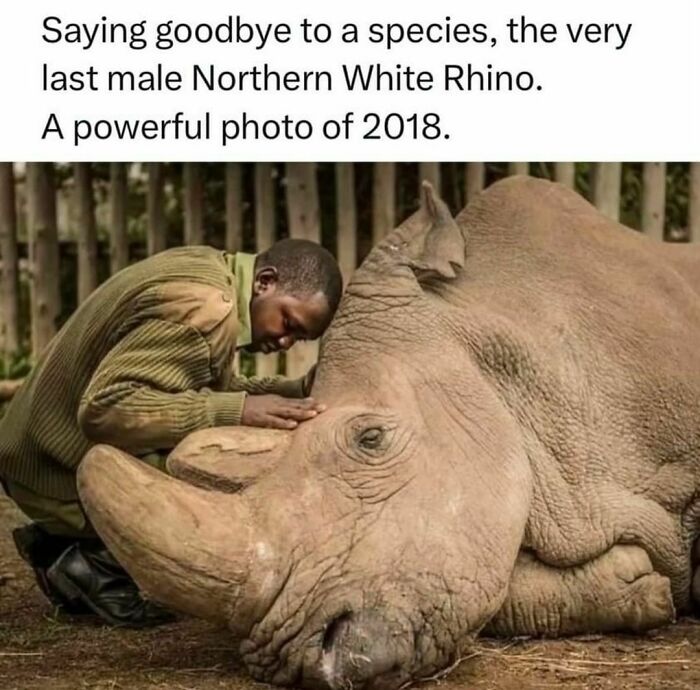
Image credits: thishowthingswork
#18

Image credits: thishowthingswork
“There are three possible outcomes in that scenario,” the narrator of the video says. “One is that you’ll regret it instantly. You won’t be able to deal with all the knowledge because you’ll probably learn something you didn’t want to know. You’d be aware of everyone’s thoughts, feelings, what’s happening around the world at any given time, and what’s about to happen. So, it could be damaging to your own sense of self.”
#19

Image credits: thishowthingswork
#20
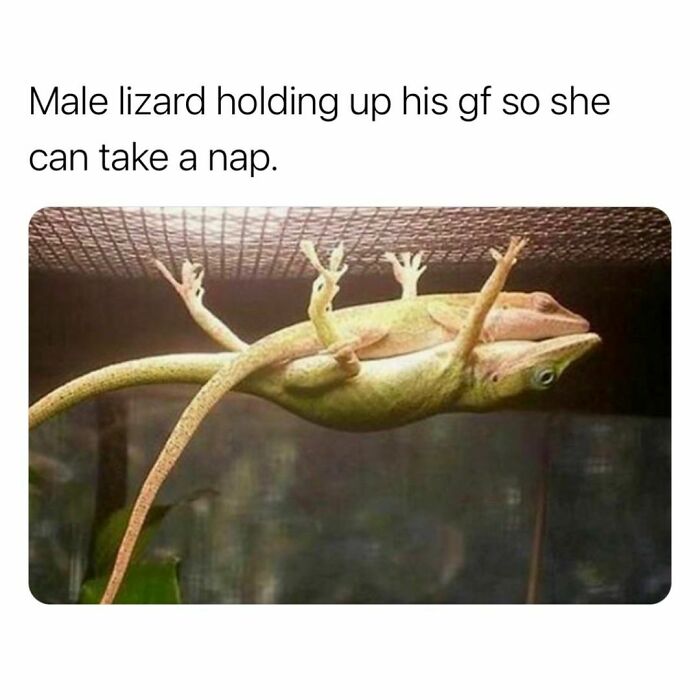
Image credits: thishowthingswork
#21
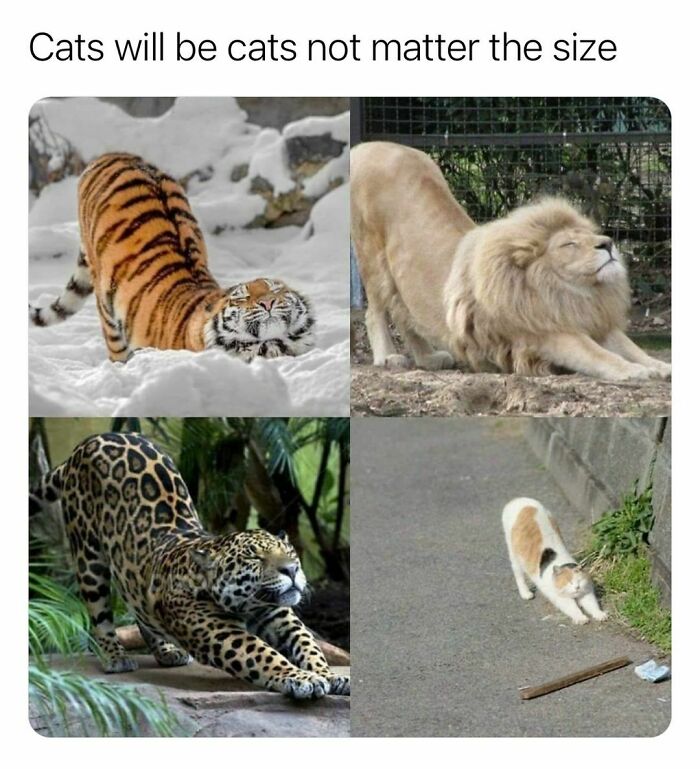
Image credits: thishowthingswork
Another possibility is that we’d probably feel superior to everyone else, which would lead us to become supervillains or try to ‘save’ the world. Either scenario would probably overwhelm us.
#22
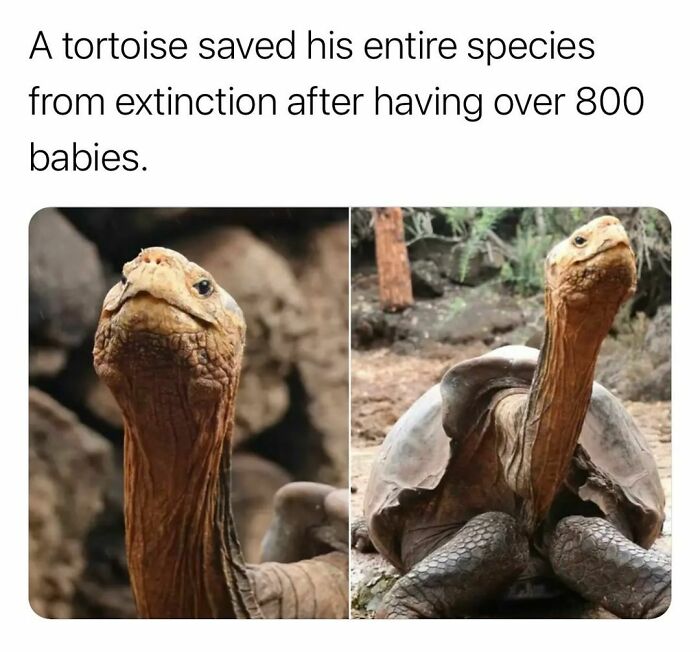
Image credits: thishowthingswork
#23
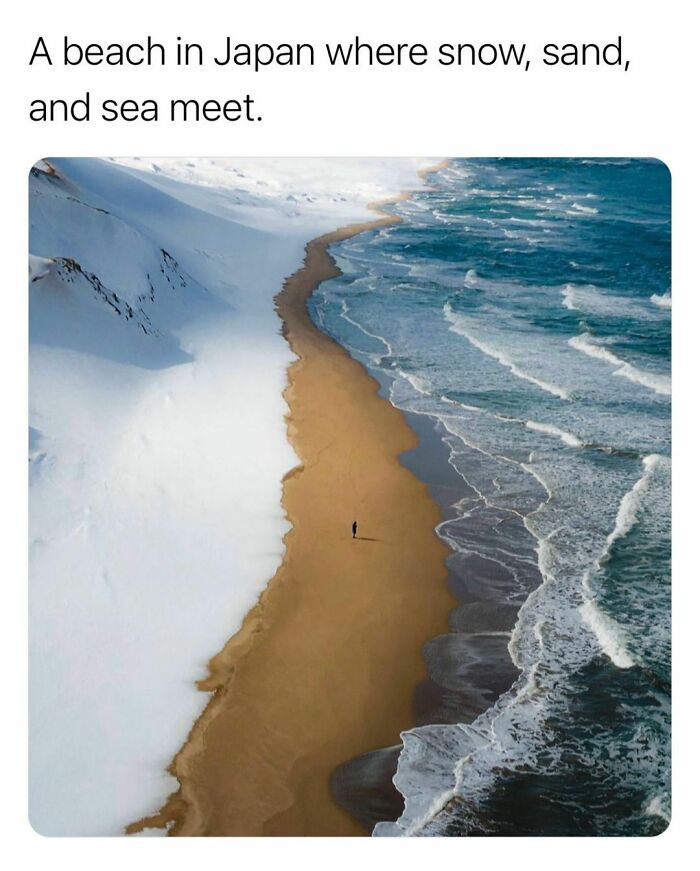
Image credits: thishowthingswork
#24
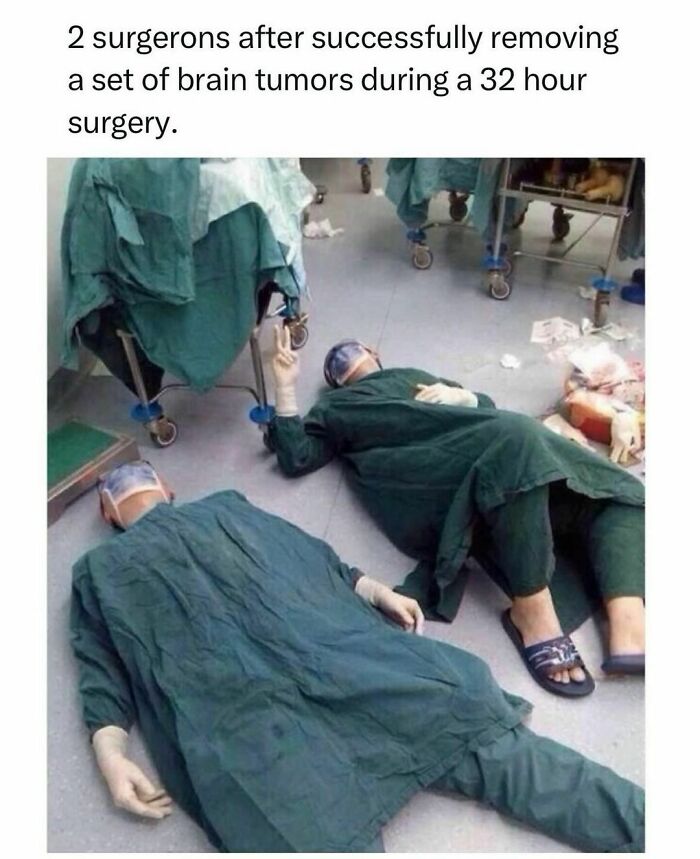
Image credits: thishowthingswork
The last outcome they came up with was the loss of humanity. "Infinite knowledge is something no human has ever experienced. You’d see what happens beyond the universe. You’d know about other intelligent life and alien civilizations. You’d even be aware of whether or not we have souls. Then, you wouldn’t be able to experience the emotions that make us human; such as surprise, hope, wonder, and fear. You’d become an emotionless robot.”
#25

Image credits: thishowthingswork
#26

Image credits: thishowthingswork
#27
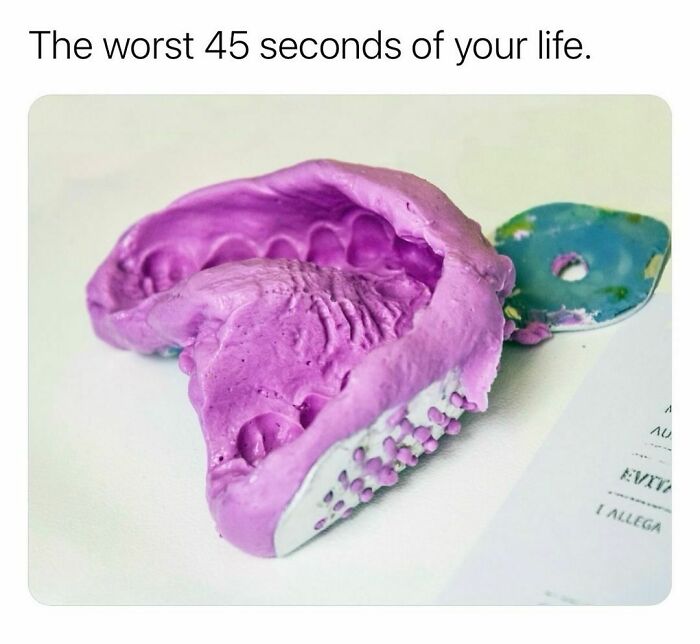
Image credits: thishowthingswork
I don’t know about you, but to me, every outcome sounds like the end of an apocalyptic movie. Having entertained this idea of ultimate knowledge, I now understand the importance of not knowing everything. I don’t know, all the knowledge in the world, including predicting the future seems like a LOT of work. I’d rather read the occasional book and watch cat videos on YouTube,” agrees the narrator of the Bright Side video.
#28

Image credits: thishowthingswork
#29
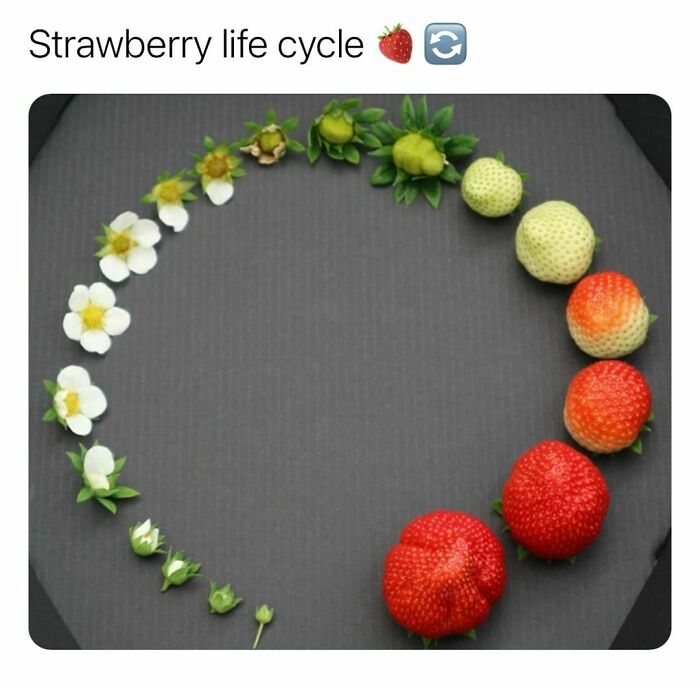
Image credits: thishowthingswork
#30

Image credits: thishowthingswork
#31
Image credits: thishowthingswork
#32
Image credits: thishowthingswork
#33

Image credits: thishowthingswork
#34
Image credits: thishowthingswork
#35
Image credits: thishowthingswork
#36
Image credits: thishowthingswork
#37
Image credits: thishowthingswork
#38
Image credits: thishowthingswork
#39

Image credits: thishowthingswork
#40
Image credits: thishowthingswork
#41
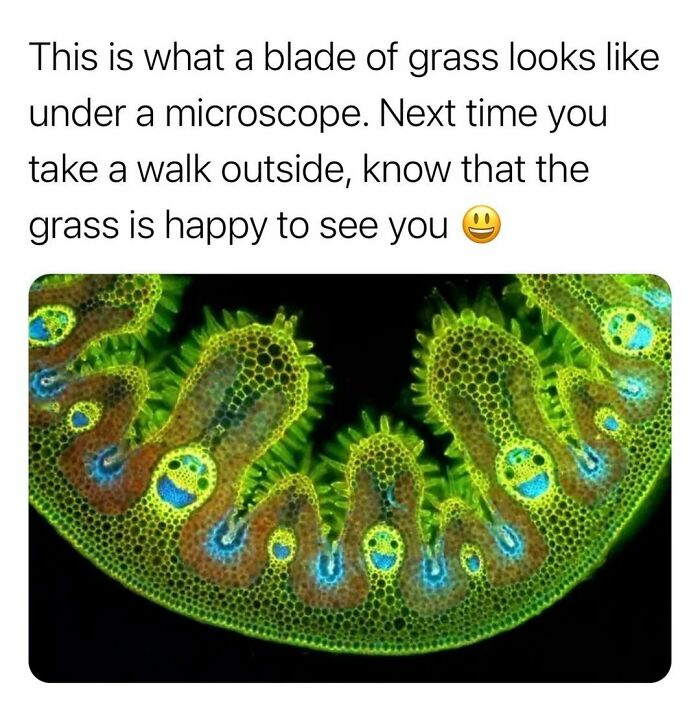
Image credits: thishowthingswork
#42
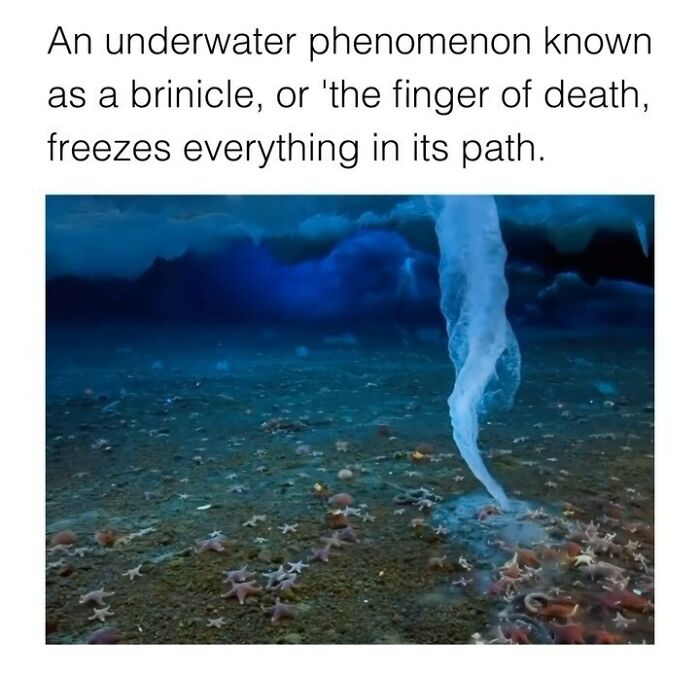
Image credits: thishowthingswork
#43
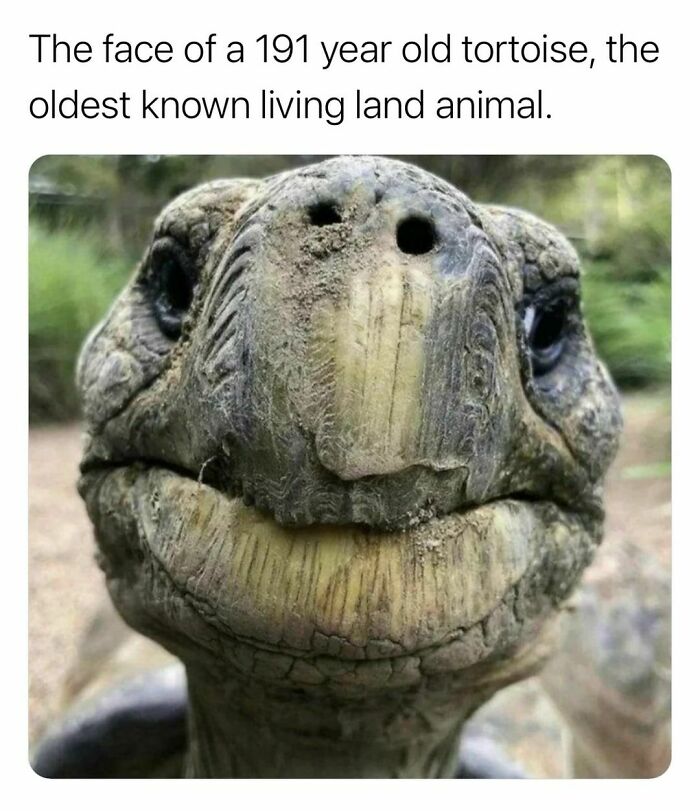
Image credits: thishowthingswork
#44

Image credits: thishowthingswork
#45

Image credits: thishowthingswork
#46

Image credits: thishowthingswork
#47
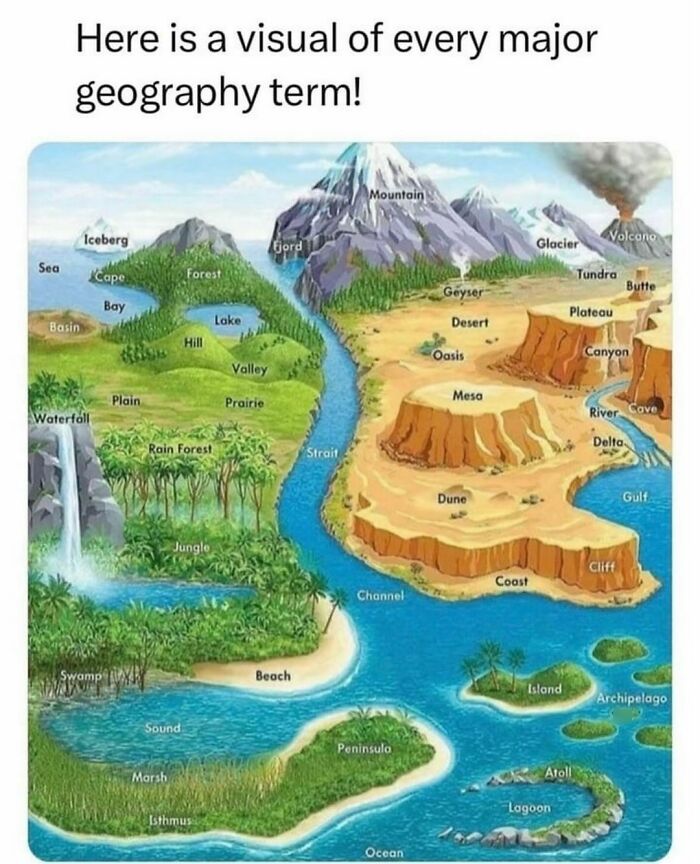
Image credits: thishowthingswork
#48
Image credits: thishowthingswork
#49
Image credits: thishowthingswork
#50
Image credits: thishowthingswork