Photo by John McArthur on Unsplash
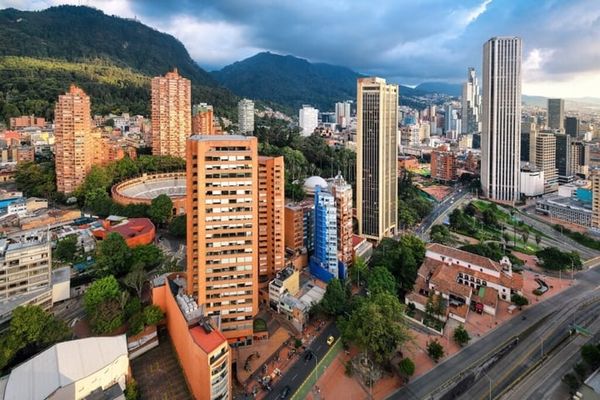
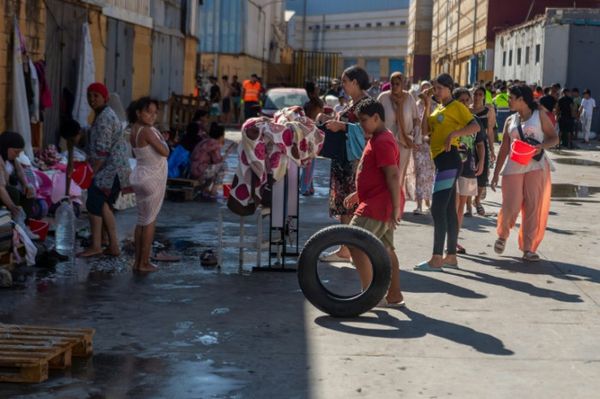
Spend a week in three different cities – say, Nairobi, Seoul, and Buenos Aires – and you will notice something odd: people's leisure hours are starting to look the same even when everything else about their lives still doesn't.
The digital layer is partly responsible. A young professional in Lagos who winds down with online casino games on a weekend night is doing something structurally identical to what her counterpart in Melbourne does on a Friday – browsing entertainment platforms, comparing options, choosing a pace that fits her mood. Sites like vegasnow sit squarely within that shift: they aggregate digital leisure choices the same way a streaming platform aggregates films, making geographic location increasingly beside the point. That convergence is one of the genuinely underreported stories in global culture right now.
But zoom out past the screen, and the picture gets more interesting rather than simpler.
Festivals Are Thriving – and Spreading
Carnival in Rio, Diwali in Mumbai, Onam in Kerala, Songkran in Thailand – these are not tourist attractions that happen to have local participants. They are organising principles for entire communities, structuring the social calendar, reinforcing food traditions, dress codes, and the way public space gets used. What's changed is the friction involved in knowing about them. A Swedish backpacker didn't stumble across Holi in Jaipur by accident in 2005 the way they might today after two minutes on a short-video app. Discovery is instant. Participation – real, respectful, non-commodified participation – still takes effort, and that tension between frictionless access and meaningful cultural exchange is one the world hasn't resolved.
Street food culture sits in a similar position. The bánh mì has become a global sandwich. Jollof rice is debated passionately by people in London who have never been to West Africa. Korean fried chicken chains are opening in cities that had no Korean community whatsoever a decade ago. This is not simple appropriation, though it can tip that way. Mostly it's migration in food form – a dish travels with its people, then travels further still when the people aren't watching.
The Attention Economy Has Its Own Culture
There's a reasonable argument that the dominant cultural force of the past decade isn't a nation, a genre, or an art movement – it's the attention economy itself. Platform design has shaped how people around the world now expect entertainment to be delivered: in short bursts, with high variation, immediately rewarding, optionally social. That architecture doesn't care about geography.
Pew Research Center data from 2024 found that 85% of U.S. teenagers play video games, with 41% playing at least once a day – and similar patterns are documented across South Korea, Brazil, and Western Europe. The numbers aren't identical, but the direction is. A generation is being shaped by interactive digital leisure in a way that has no real historical precedent, and the cultural output of that generation – the memes, the references, the humour – is already crossing linguistic borders faster than any previous youth culture managed.
What's less discussed is the counterweight. People are also, stubbornly, returning to slow culture: vinyl record sales have climbed for seventeen consecutive years in the US; independent bookshops are reopening across UK high streets; analogue board games are selling at rates not seen since before the home video era. These aren't nostalgia trends for older consumers. The demographics buying film cameras and signing up for pottery classes skew young.
The most honest reading of global leisure culture is that it is genuinely bifurcating. Half the pull is toward instant, digital, borderless entertainment. The other half is toward tactile, slow, deeply local experience. People don't choose one permanently – they move between them, sometimes within the same afternoon, sometimes within the same hour. That flexibility, not any single dominant form, may be what actually defines how the world plays now.