How the west's appetite for beef is felling the Amazon
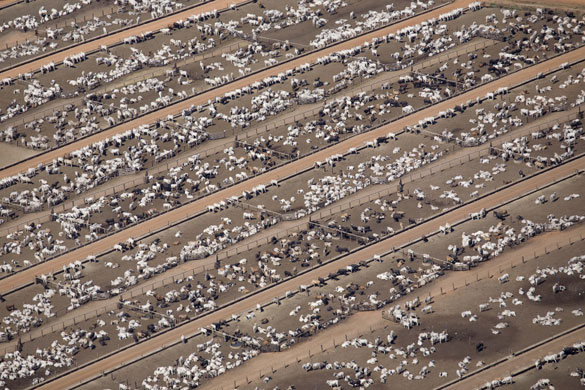
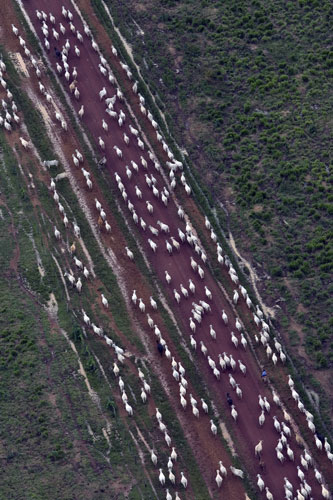
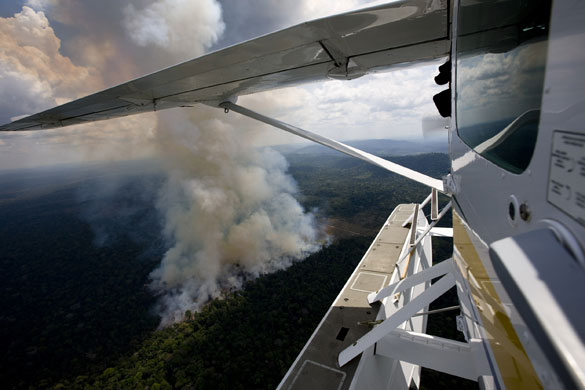
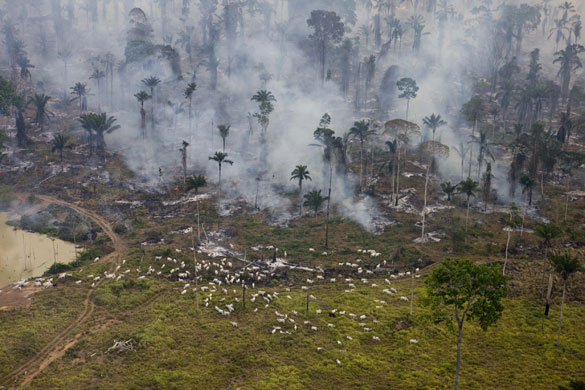
A cattle farm in Mato Grosso, Brazil. A new report from Greenpeace names a series of high-profile companies that it says profit from products supplied by Brazilian farms set up on illegally deforested landPhotograph: Daniel Beltra/GreenpeaceMuch of the trade is in processed beef, used to supply Britain’s massive appetite for convenience foods such as pies, canned meat and frozen ready mealsPhotograph: Marizilda Cruppe/GreenpeaceThis photograph taken from an airplane shows manmade forest fires that are started to clear land for cattle and farming. Cattle farming across huge ranches is now the biggest threat to the remaining Amazon rainforest, a fifth of which has been lost since 1970. Such ranches are blamed for some 80% of all deforestation in the region; cattle numbers in the Amazon grew from 21 million in 1995 to 56 million in 2006Photograph: Daniel Beltra/Greenpeace
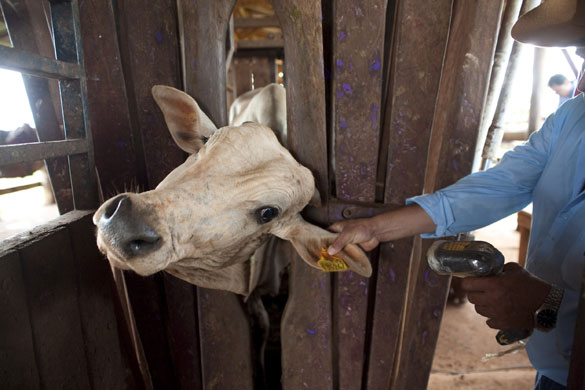
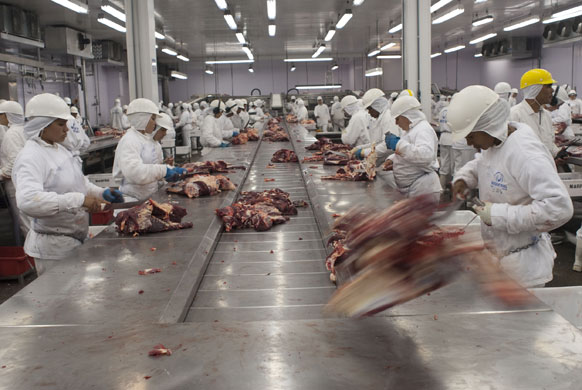
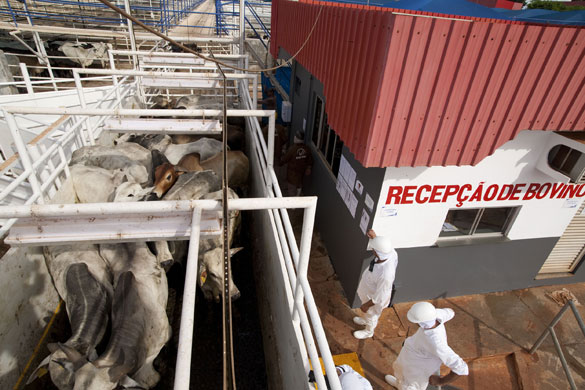
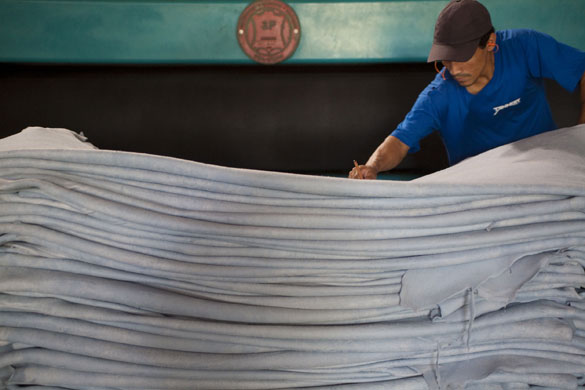
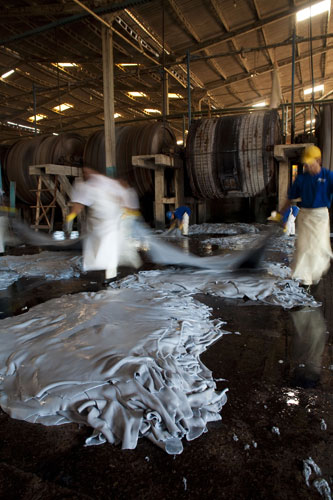
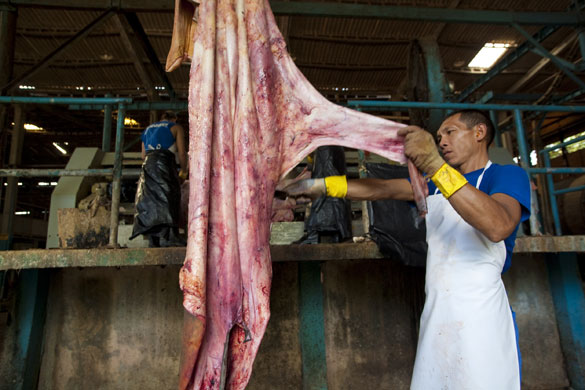
Sao Felix Do Xingu Municipality, Para, Brazil: Clearing tropical forests for agriculture is reckoned to produce 17% of the world’s greenhouse gas emissions - more than from the entire global transport systemPhotograph: Daniel Beltra/GreenpeaceCattle on a farm in Tangara da Serra, Mato Grosso state, Brazil. The Greenpeace report pieces together the global movement of meat, leather and cosmetics ingredients made from Brazilian cattle. The campaigners used satellite images, surveillance flights and undercover visits to assess levels of deforestation on dozens of cattle ranches across the Amazonian states of Para and Mato GrossoPhotograph: Ricardo Funari/Lineair/GreenpeaceA slaughterhouse in Tangara da Serra, Mato Grosso state, Brazil. The report, Slaughtering the Amazon, claims that ranches responsible for illegal deforestation sell cattle to slaughterhouses controlled by a handful of large Brazillian companies. These firms ship beef or hides to facilities in the south of Brazil and process them further for export. The raw products are often processed again in the importing country, before the final product reaches the marketPhotograph: Marco Antonio Rezende/Lineair/GreenpeaceMarfrig slaughterhouse. The Greenpeace investigation focused on three Brazilian companies, Bertin, JBS and Marfrig, which operate slaughterhouses and together control a third of Brazilian beef exports. Greenpeace says satellite images and trade records show that all three companies, which are part-owned by the Brazilian government, source cattle from farms that have carried out illegal deforestation in the AmazonPhotograph: Ricardo Funari/Lineair/GeenpeaceA leather tannery in Cáceres city, Mato Grosso, Brazil. The Greenpeace investigation also tracked the global trade in other Brazilian goods made from cattle. It claims many high-profile companies use leather linked to Amazon destruction Photograph: Ricardo Funari/Lineair/GreenpeaceGreenpeace wants companies across the world to refuse to buy products sourced from Amazon farms that have carried out illegal deforestation. It wants consumers to pressure supermarkets and other high-street brands identified in the report to clean-up supply chains by refusing to deal with such farmsPhotograph: Ricardo Funari/Lineair/GreenpeaceGreenpeace claims one Brazilian company linked to cattle ranching on illegally deforested land ships hides to tanneries in Vietnam and China, which supply leather to manufacturers that make shoes for well-known brandsPhotograph: Ricardo Funari/Lineair/Greenpeace
Sign up to read this article
Read news from 100’s of titles, curated specifically for you.