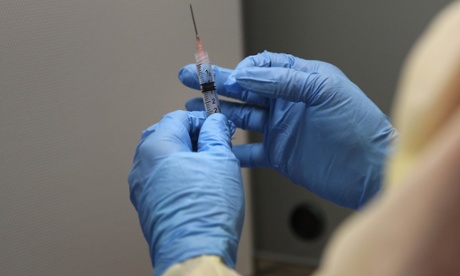
When people imagine nurses, it could be Florence Nightingale or Mary Seacole, or the nurses working in GP surgeries or on busy hospital wards. They are less likely to think about the growing body of NHS nurses who specialise in clinical research to develop next generation treatments.
Dr Susan Hamer, workforce development director at the National Institute for Health Research (NIHR) Clinical Research Network, says that the last 10-15 years have seen a significant shift in clinical research in the NHS. Instead of “being a bit of a hobby”, it is now a mainstream activity with a large workforce of the NIHR Clinical Research Network sponsored clinical research nurses (CRNs) – about 4,000-strong - who support, manage and lead trials.
Sharon Tovey has been the lead diabetes research nurse at Southmead hospital in Bristol for nearly five years. “When I first applied for the job, people thought I was absolutely mad and the role was just a sidestep with no progression. Now I think research can be a career, and a very rewarding career,” she says.
Her role includes managing a team of nurses, as well as assessing the feasibility of potential studies. Tovey is a nurse prescriber and she believes this enables her to improve the clinical research process: “A lot of our studies are looking at novel and new medications. So when the patients come in for surveillance visits, I can do the prescription for them there and then.”
This saves time for patients, who avoid lengthy waits to see the consultant, she says. Plus she can spend time with patients, giving them a better understanding of their condition and treatment.
It is seven years since the Evelina London children’s hospital started its first clinical research trial - today it runs more than 40 studies at any one time.
Elisabeth Reus is a paediatric research matron at the hospital. She says the role of the CRN has changed “immensely”, including the range of support it provides to sites and sponsors, and the development of “patient involvement groups” to help people make more informed decisions about taking part in a trial.
How are CRNs enabled to make the transition to specialised research roles? Hamer explains that clinical research is a highly regulated area and the network has to ensure nurses are “kite marked”, so sponsors are confident about the quality of the workforce.
The Good Clinical Practice (GCP) training funded by the network is designed to give individuals an understanding of the professional and ethical responsibilities of research. Hamer says that in 2013, 23,000 health practitioners, including nurses, took part.
Reus, a GCP facilitator, says: “It’s a national course. It’s recognised. And everyone is trained to the same level.”
She says the network recognises that research nurses need a career pathway and funds an academic careers programme: “A lot of our staff have been able to move on to masters degrees in research, and we have a member of staff who is starting her PhD this year.”
The network is also behind training for CRNs to head up trials by becoming principal investigators. Newcastle upon Tyne NHS foundation trust, the host organisation for the NIHR’s north-east and north Cumbria network, is developing principal investigator training for its research nurses.
“The principal investigator tends to be a doctor, but there are moves across the region for principal investigator responsibility to be given to senior nurses and midwives, which is an excellent step,” says Fiona Yelnoorkar, who leads research nurses and midwives at the trust.
Lorraine Hodsdon, head of nursing for clinical research at Great Ormond Street children’s hospital in London, manages a team of 43 CRNs. It includes senior research nurses and one of these is the principal investigator for a non-medicines study in critical care. Nurse consultants, who are part of the wider trust team are also principal investigators in other specialties such as haematology and neurosciences. Hodson expects more opportunities because of the increase in NIHR funding for training, which she says was not available five or six years ago.
Talking about her role, Hodsdon says it brings together a previously disparate CRN workforce “dotted all over the trust”. She oversees the allocation of staff to the most appropriate trials, as well as a structured training and development programme and the integration of research and clinical care.
“How I see things going in my trust is that research is part of core care. Your patient will come in and it’s part of their pathway, and research is everyone’s business, rather than it being ‘this team will do the research and this team will do the clinical care,” she says.
Does this integrated approach benefit patients and the health service? Yes, says Reus, who believes that because the CRNs are working on the wards they bring “new science” to the patient’s bedside - while Yelnoorkar says it enables the NHS to provide the latest and best new treatments.
Research is in Hamer’s blood. She began her first job as a research staff nurse “when Noah was building his ark”, and believes research is for those who are curious and sometimes dissatisfied with the way things are.
“Our frontline nurses talk about ‘having a window on the future’ and of course they do. They are seeing what practice is going to be like in a few years.”
Content on this page is paid for and produced to a brief agreed by the NIHR Clinical Research Network, sponsor of the Guardian Healthcare Network’s clinical research zone.