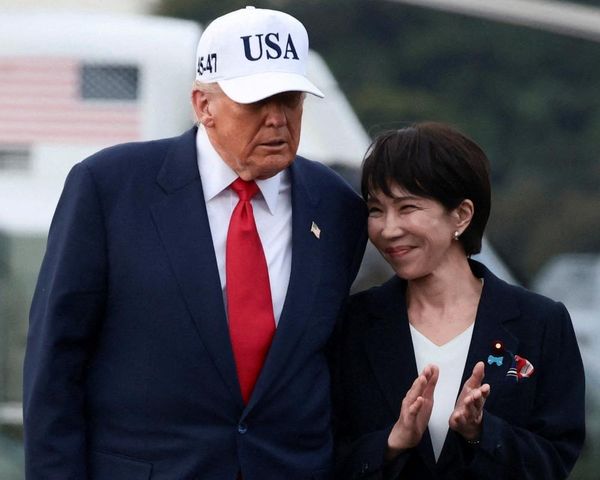
The cost of living in America is high and only seems to be getting higher in the face of an ongoing government shutdown as well as President Donald Trump’s controversial tariff policy, which has sparked a great deal of market volatility and is poised to cause even more retail price hikes. Further, per CBS News, the job market has been softening, with 263,000 Americans filing for unemployment benefits in September 2025 — the highest number since October 2021.
Trending Now: Here’s How Much Every Tax Bracket Would Gain — or Lose — Under Trump’s ‘Big, Beautiful Bill’
For You: How Middle-Class Earners Are Quietly Becoming Millionaires — and How You Can, Too
This most recent government shutdown — which began on Oct. 1, 2025 and as of Nov. 5, 2025 became the longest government shutdown in American history — has left an estimated 1.4 million government workers without pay during a time when prices are already high. It has also created a sense of financial uncertainty and unease about how to get by until the circumstances improve.
These factors all occurring at once may not only impact Americans in the short-term, but in the long-term as well, especially as it pertains to retirement funds and savings — here’s how.
Some Americans May Begin Withdrawing Retirement Funds Early
Perhaps the most immediate impact of the shutdown and tariffs upon retirement funds is this: depletion. The increasing costs of everyday goods, when coupled with a growing section of the population that is unemployed, could drive some Americans to withdraw early from their retirement funds in order to make ends meet.
For example, Marketwatch featured a furloughed government employee who was concerned about the unknown length of the shutdown and wrote in to ask for advice: Should they begin pulling from their Roth 401(k) via a “hardship withdrawal” to cover expenses while they are out of work?
See Next: 5 Ways Trump’s ‘Big, Beautiful Bill’ Could Impact Your Wallet
That government worker isn’t the only one considering such a strategy. As Inc.com reported, a survey showed that small-business leaders have seen a rise in 401(k) hardship withdrawals this year, citing market volatility. An increasing number of Americans with retirement funds have begun withdrawing from them early, before their actual retirements, in order to pay their bills.
While such a strategy can help keep someone financially afloat, it also depletes retirement funds. It’s a tactic many may risk during this period of economic downturn, even if it threatens to leave them without retirement savings when their golden years arrive.
A generation of Americans with little-to-no retirement savings is an incredibly serious potential consequence of the shutdown and tariffs
The Shutdown Could Harm Retirement Investments
A slower, longer-term impact could be the diminishment of interest rates as a result of the government shutdown.
“The government shutdown won’t have a direct impact on retirement. However, it could indirectly have a significant impact on those savings,” said Melanie Musson, insurance and finance expert at Clear Insurance.
“The government shutdown makes people feel uneasy and that’s not good for investments,” she added. “The longer the shutdown lasts, the higher the chances of an economic slowdown. When the economy slows and enters a recession, investments tend to grow at a slower rate. So, if you have a retirement plan and are depending on the interest to fund your growth or your lifestyle, that might not happen.”
As interest rates grow more slowly in the face of a sluggish economy due to a government shutdown and high tariffs, so too will the growth of retirement funds regress.
What Can You Do?
Tansley Stearns, president and CEO of Community Financial Credit Union, told GOBankingRates that, in the face of such daunting economic circumstances, including unemployment, tariffs and a government shutdown, it’s important to not be impulsive. “While it can be tempting to move quickly with volatility, staying disciplined is crucial,” she said.
While some may not feel like they have a choice but to withdrawal from their 401(k), it’s likely best to avoid it if possible.
“As tariffs impact people’s finances, individuals can take steps such as refinancing debt to lock in lower rates. Shifting everyday spending to credit union-backed cards often comes with lower interest rates. Additionally, moving any savings into a high-yield account can offset the strain of rising costs,” she said.
Finally, she explained that seeking help via a financial advisor or other resources is a good option. “If you are worried or struggling, leverage expert resources that can support next steps. Many credit unions and other nonprofits offer financial counseling at no cost to people,” she added.
Editor’s note on political coverage: GOBankingRates is nonpartisan and strives to cover all aspects of the economy objectively and present balanced reports on politically focused finance stories. You can find more coverage of this topic on GOBankingRates.com.
More From GOBankingRates
- Auto Experts Say Stop Buying These 4 Hybrid Cars Immediately
- Social Security's Biggest Lie: Why 'Full Retirement Age' Isn't What You Think
- How Middle-Class Earners Are Quietly Becoming Millionaires -- and How You Can, Too
- 6 Clever Ways to Pocket an Extra $1K This Month
This article originally appeared on GOBankingRates.com: How the Government Shutdown and Tariffs Could Threaten Your Retirement Fund