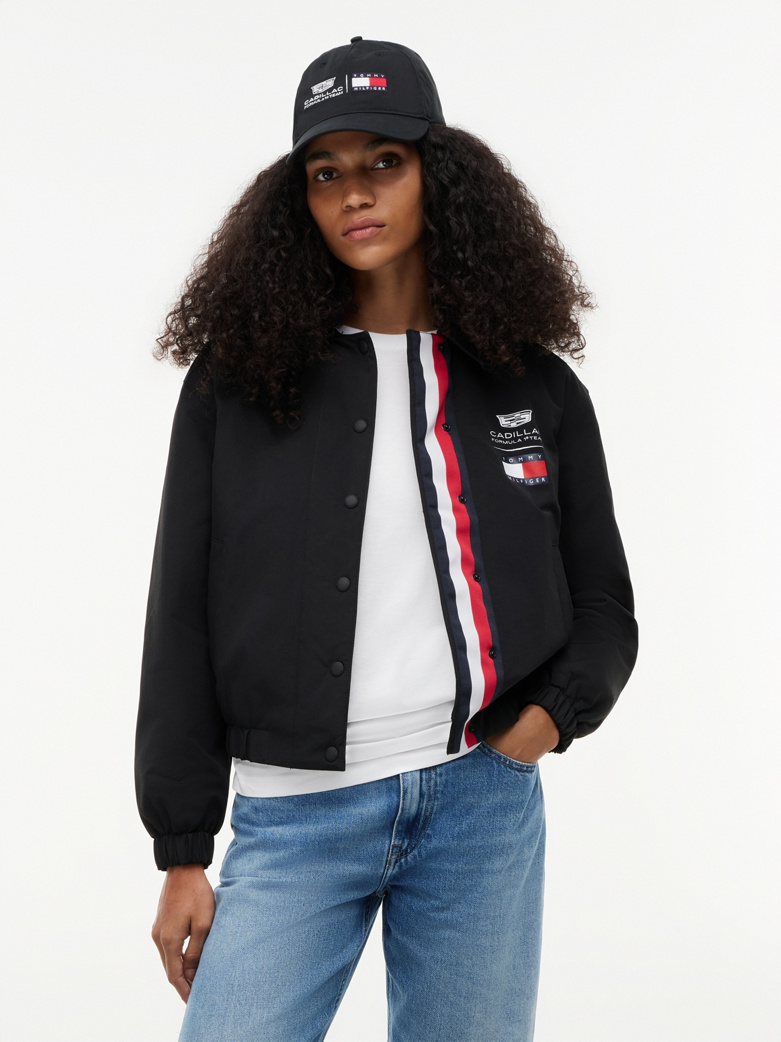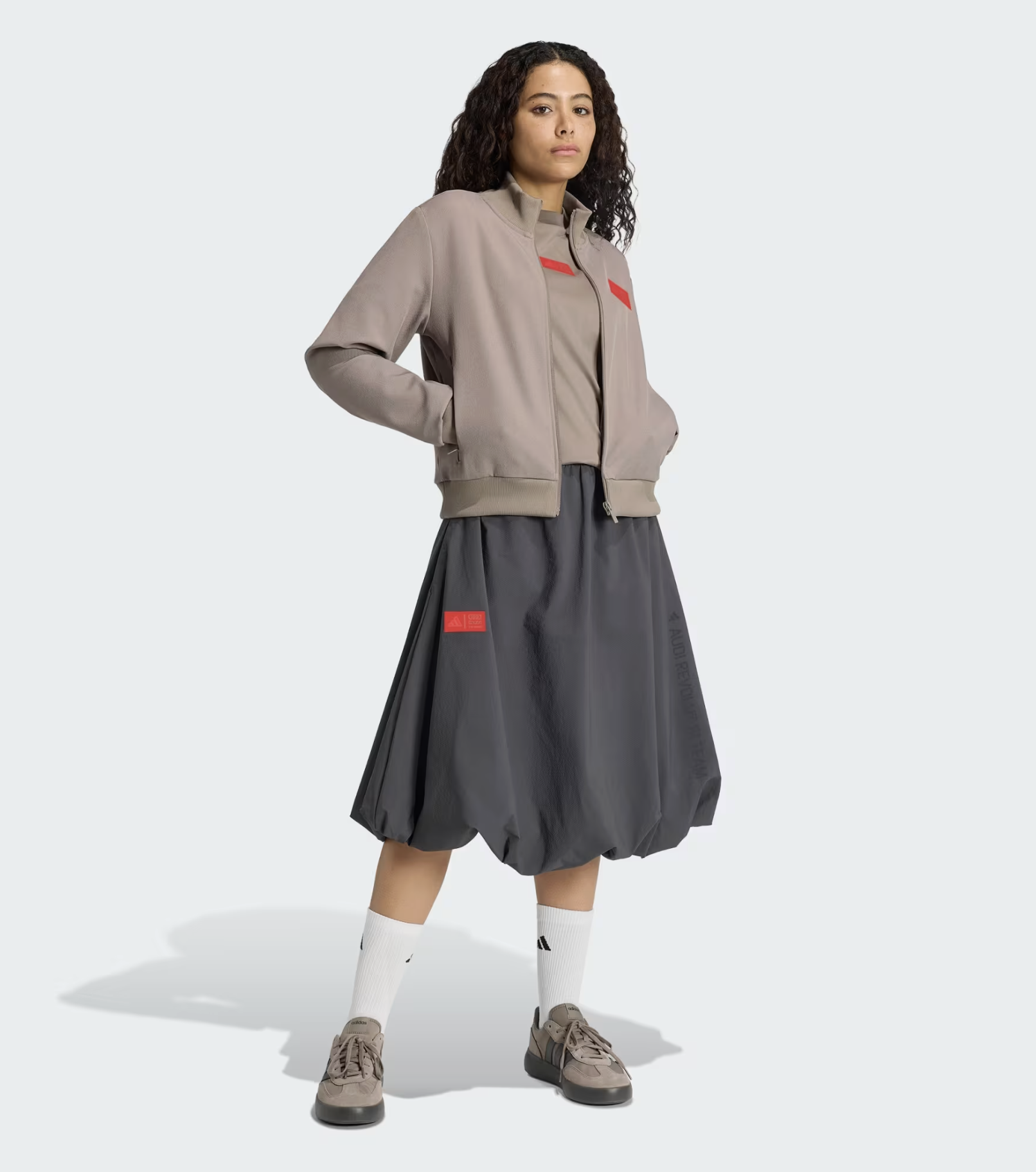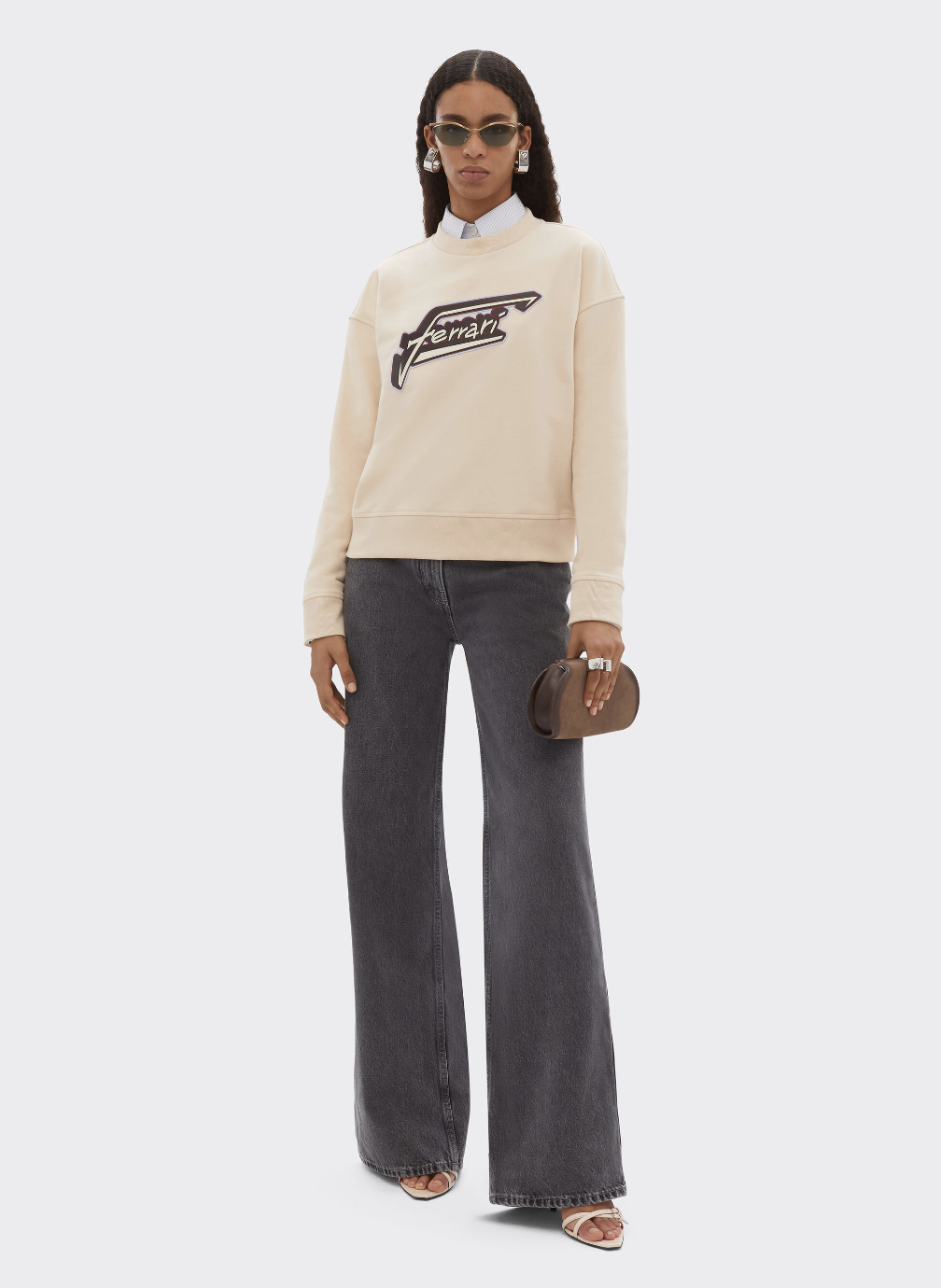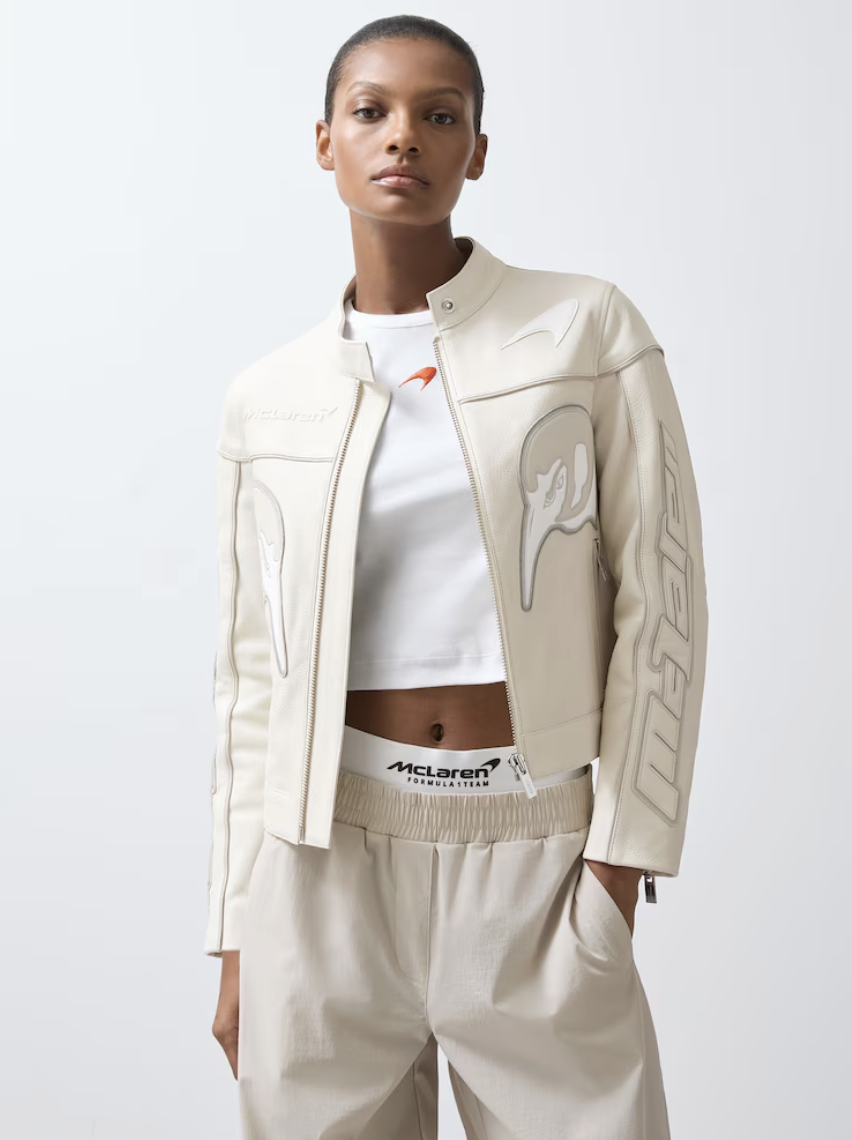
Not so long ago, Formula 1 occupied a fairly predictable corner of British culture. It belonged to petrolheads and dads trying to explain tyre strategy over a Sunday roast. There’s no denying the glamour existed, but mostly further afield. Monaco had its superyachts, and Ferrari was worshipped like a religion in Italy. But the average British Grand Prix? It was less fashion week and more camping chic.
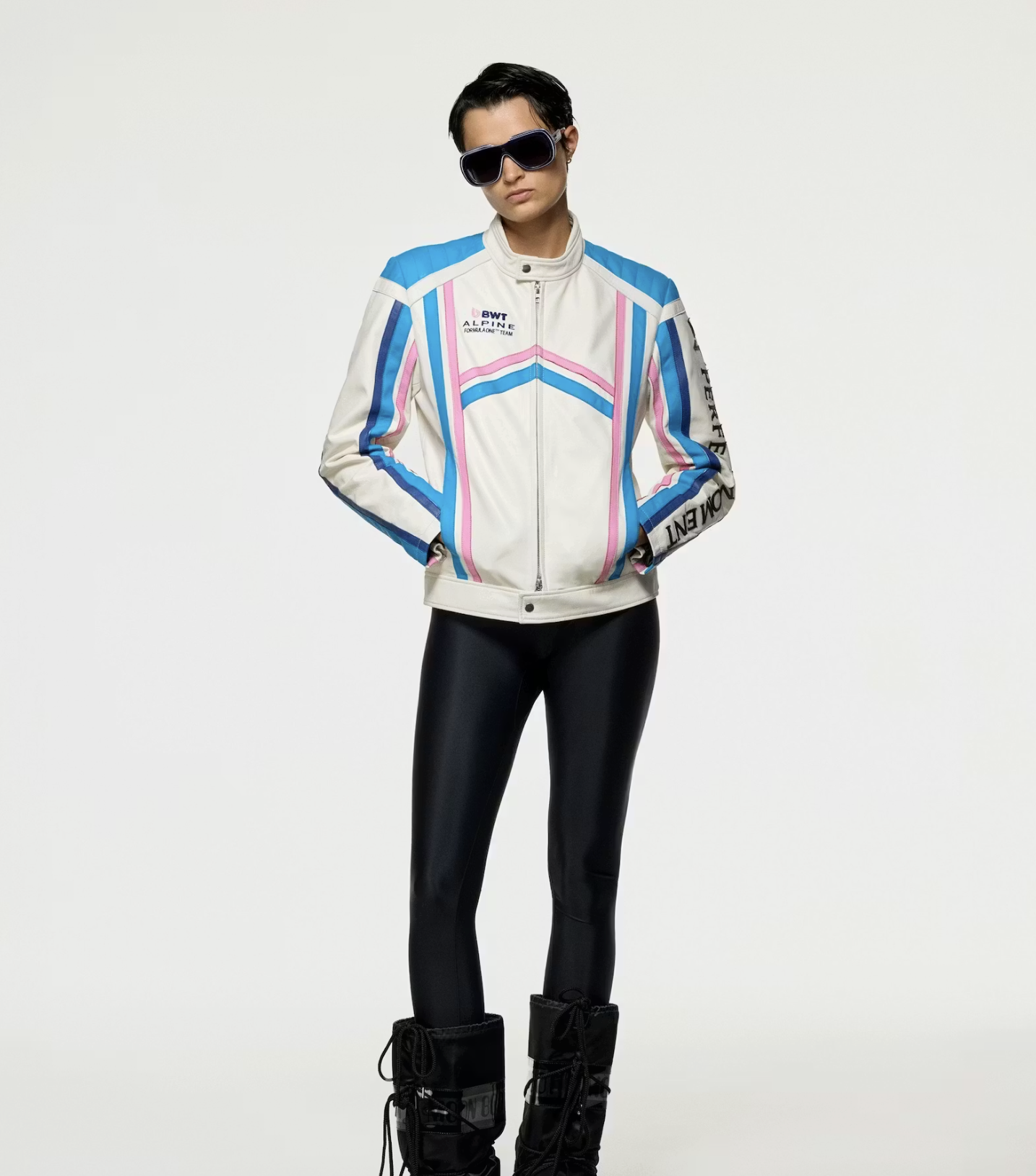
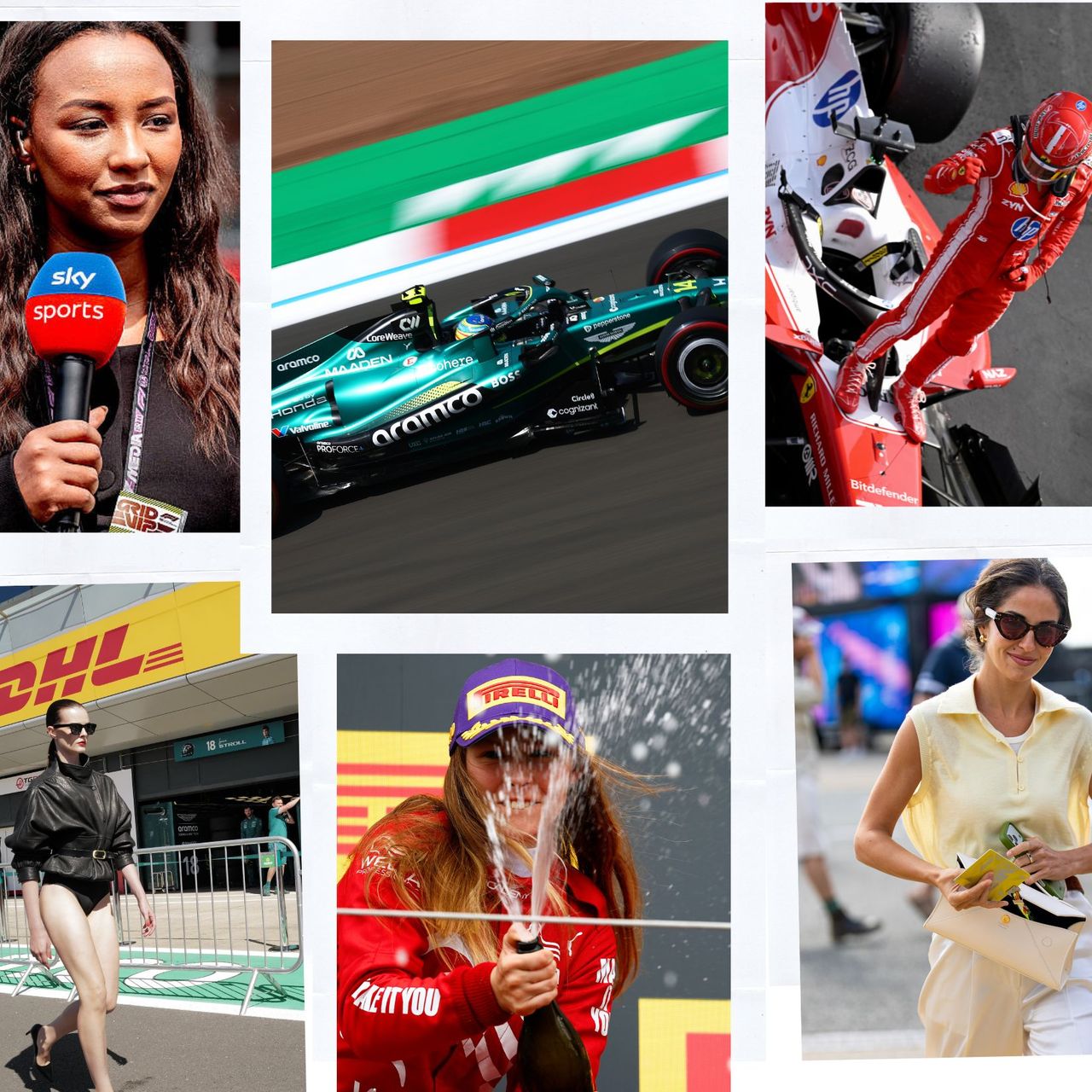
Today, Silverstone has become one of the best-dressed events. You wouldn’t think you’re walking through the gates at a motorsport track—rather, stepped into a well-dressed festival. As I weaved through the queuing crowd, I studied the OOTD’s. As far as the eye could see, I saw fans dressed in vintage leather racing jackets and papaya McLaren cropped tees paired with capri leggings. Someone in a butter-yellow linen co-ord balanced an iced latte in one hand while fumbling for her ticket, while another fan adjusted the brim of his Mercedes cap.
A post shared by Marie Claire UK (@marieclaireuk)
A photo posted by on
I heard fans discussing how amazing Chase & Status’ set was on the main stage on Saturday night. People weren't just there for motorsport, but a full weekend line-up of music, including David Guetta and Anne-Marie (I guess you could argue it was a festival of sorts).
But Formula 1 hasn't just become more popular—it’s become aspirational. Like Wimbledon, Glastonbury and Royal Ascot, the British Grand Prix is now as much about who's attending and what they’re wearing as it is about the world-class racing. Somewhere along the way, it's quietly earned its place on Britain's summer social calendar.
How F1 Became More Than a Race
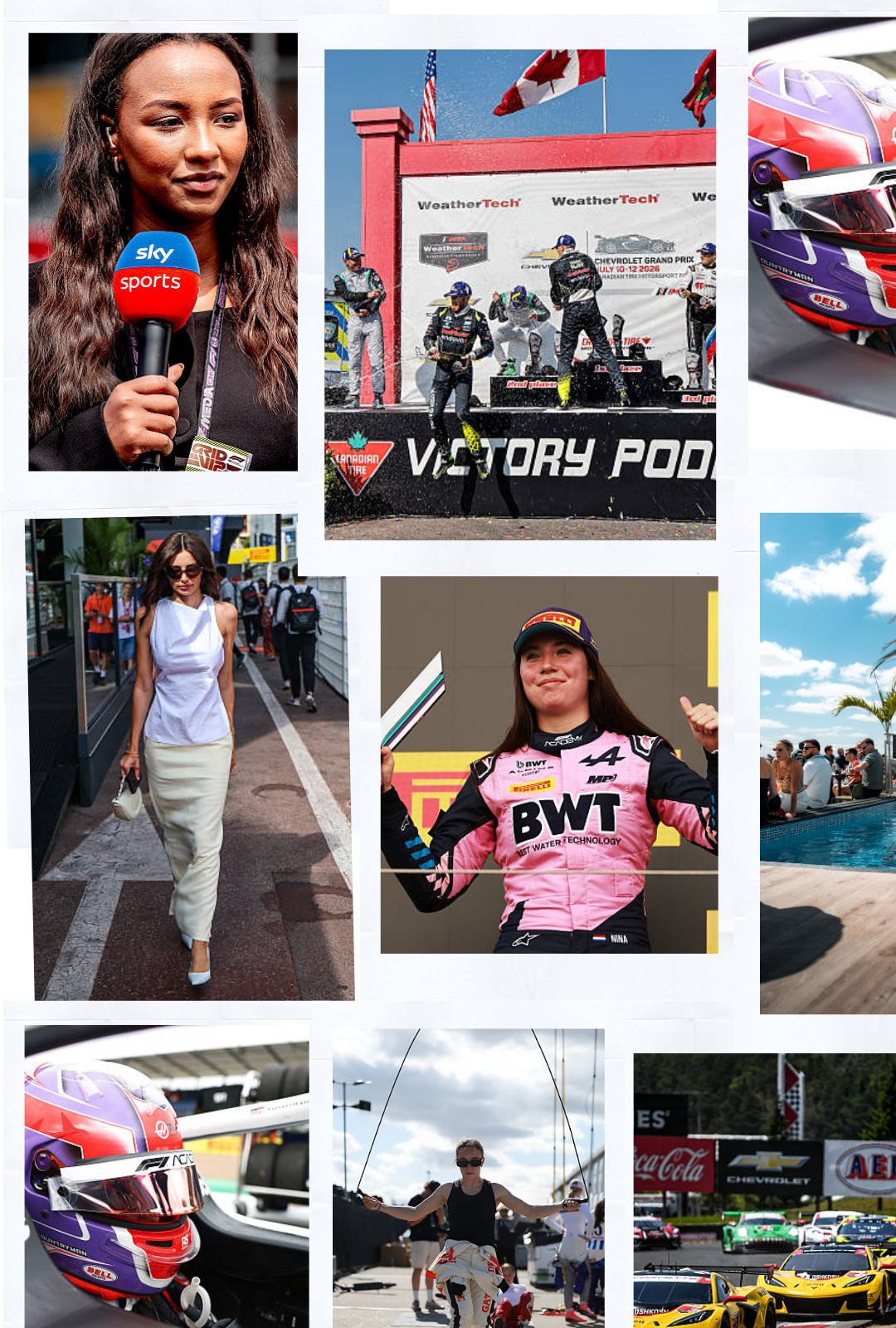
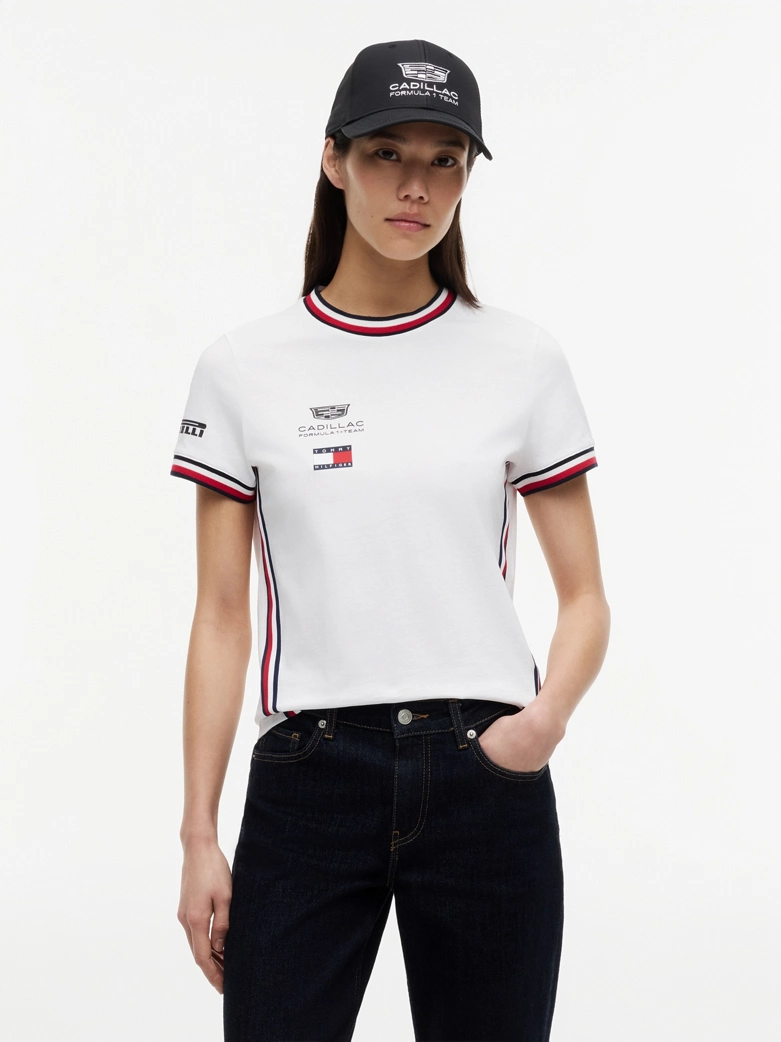
Despite what it may say on your ticket, the event doesn’t begin on the Friday morning of race weekend. In fact, it doesn’t even begin at Silverstone at all. In the days leading up to the British GP, F1 spills into London's luxury hotels, flagship stores and rooftop bars. Tommy Hilfiger celebrated its Cadillac F1 partnership last Wednesday with driver Valtteri Bottas, who joked that if he could raid anyone's wardrobe, it would be his former Mercedes teammate Lewis Hamilton's, “Not only for the style, but because of the value of his wardrobe!”
Watchmaker TAG Heuer also hosted an intimate evening with Red Bull driver Isack Hadjar and F1 Academy driver Megan Bruce. The racing may happen at Silverstone, but the social calendar starts long before the lights go out.
But Formula 1 hasn’t abandoned its traditions. The paddock remains the most coveted place to be on a race weekend, and when I found myself swiping through the turnstiles for the first time, I had to pinch myself. Hundreds of fans lined the entrances hoping for a glimpse of their favourite drivers, while inside, the teams’ motorhomes became base camp for the weekend. I found myself doing another form of people-watching.
Outside Ferrari, people gathered hoping to catch sight of Lewis Hamilton, or in my case, wondering whether Kim Kardashian might make an appearance. Instead, I found myself walking past Queen guitarist Brian May, then moments later crossing paths with Love Island stars Grace Jackson and Luca Bish. Two very different worlds colliding in one paddock, but perhaps an example of what Formula 1 looks like now.
A Bigger Crowd, the Same Obsession
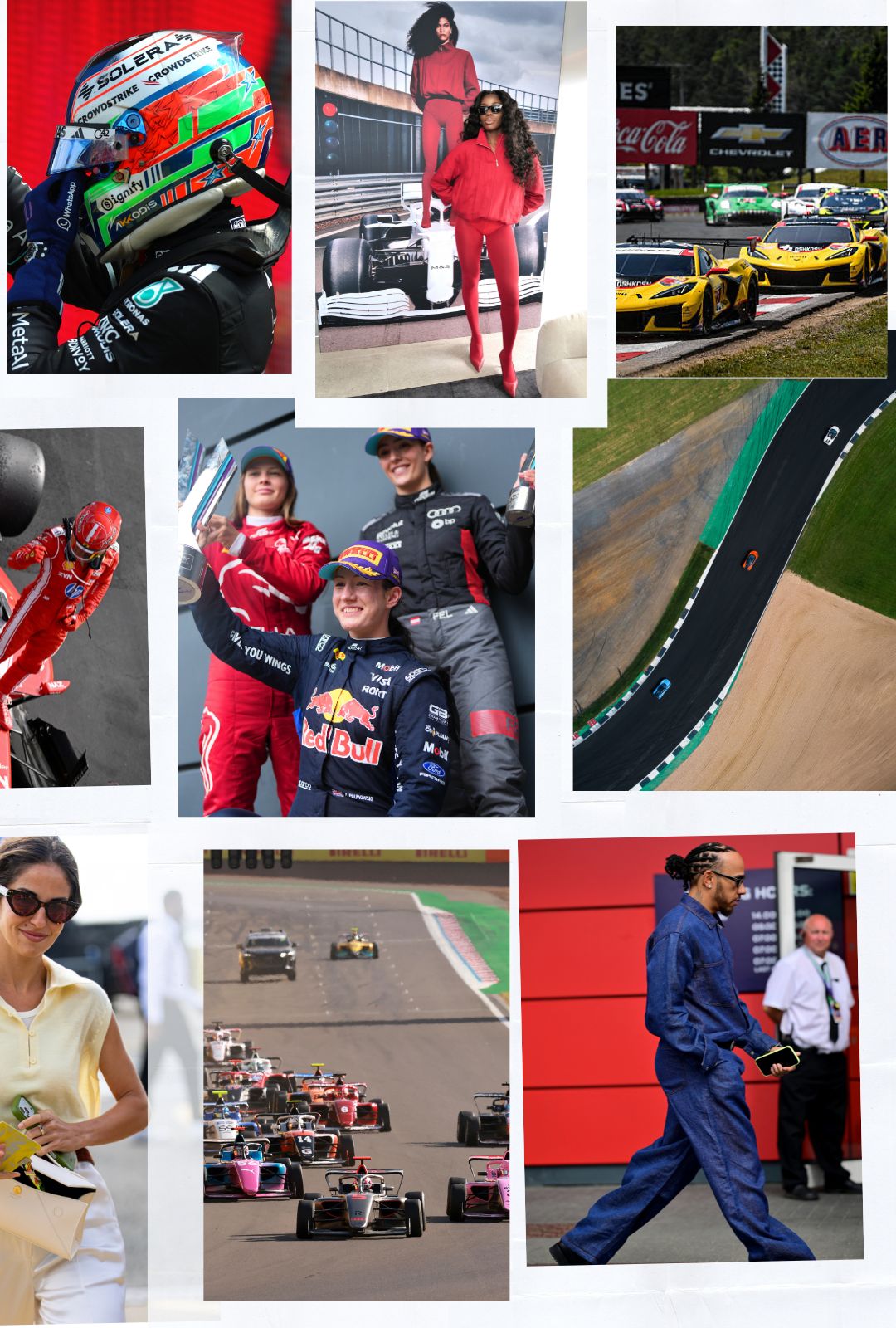
The most striking detail is that the old and new worlds don't feel at odds with one another, and that extends beyond the paddock. This year, 564,000 people visited the British GP across the weekend, making it Formula 1's highest-ever race attendance. I watched on as lifelong fans listened to the Radio Silverstone commentary, sat alongside people who were first-time visitors and discovered the sport through TikTok. Some groups came for the racing, others for the atmosphere. But by lights out, they were all cheering for the same thing.
It's that growing audience that's transformed what a race weekend looks like. Beyond the grandstands, Silverstone has become a mini city of luxury hospitality lounges, brand activations, and beautifully designed spaces that rival those of some of the chicest hotels. The circuit is so vast that there’s even a dedicated hospitality shuttle bus service, ferrying guests between countless trackside lounges scattered across the historic track.
One of the latest additions has been The Pop Up Hotel, where I spent Saturday’s Sprint Race and Qualifying. Best known for creating one of Glastonbury's most sought-after luxury camping experiences, founder Mark Sorrill brought the concept to the British Grand Prix, a sign that the race has evolved into a summer holiday destination in its own right.
"Fifty per cent of our guests are female," he tells Marie Clare UK. "The audience has broadened enormously, even in the space of a year. We've got a crowd who may have discovered the sport through Netflix’s Drive to Survive and its lifestyle appeal, alongside people who've followed Formula 1 for decades because of family, heritage and a love of racing. Everyone's there for F1, that's quite magical."
While at the hotel, what struck me wasn't the Dyson Airwrap station on offer to freshen up your hair, or even the on-site spa, where massages are accompanied by the unmistakable soundtrack of V6 hybrid engines roaring around the circuit. It was the track-side swimming pool, because where else could you watch Formula 1 while floating beside Hangar Straight?
Where Horsepower Meets High Fashion
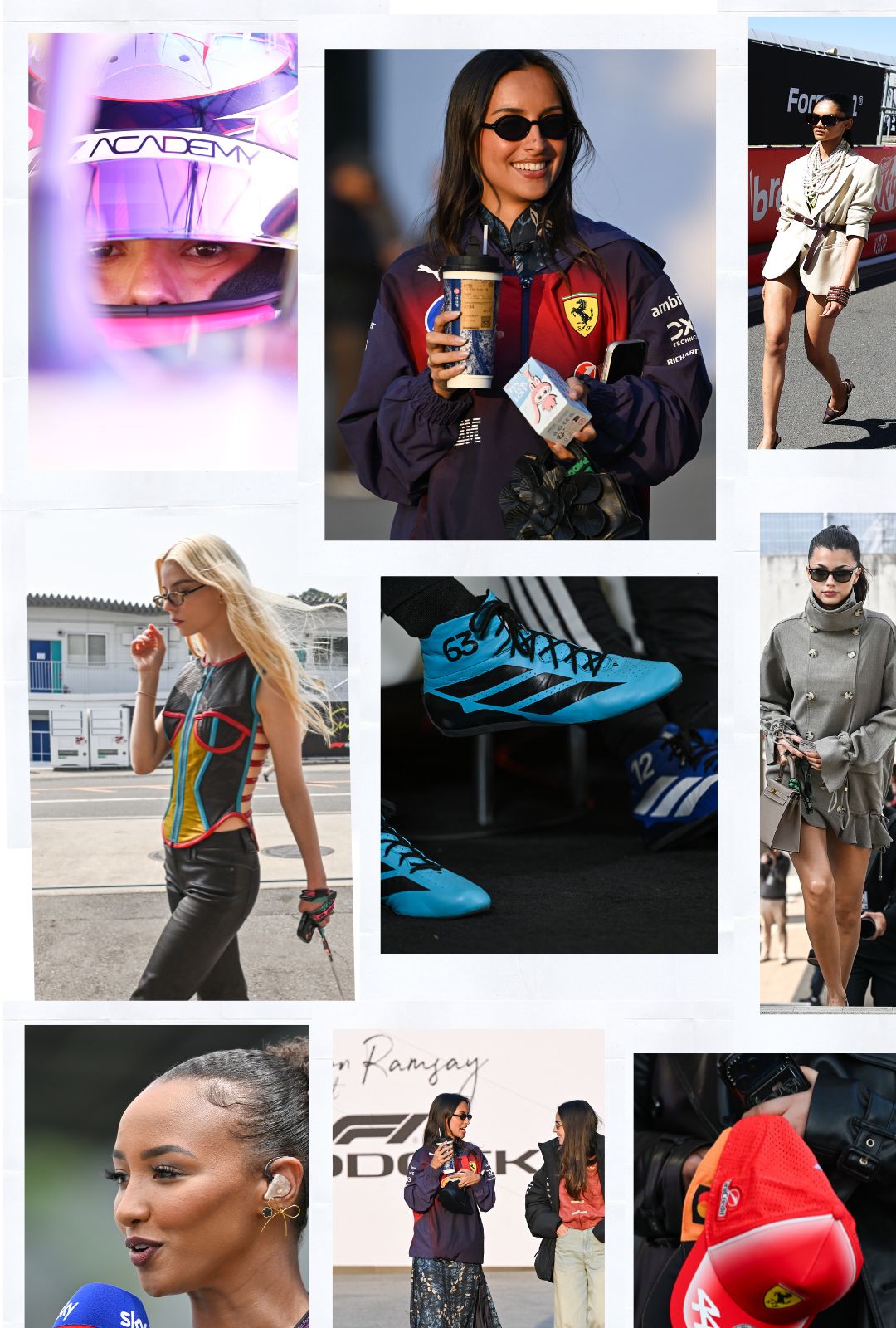
It's true that Netflix's Drive to Survive has helped Formula 1's cultural transformation. The show did for the sport what The Crown did for the monarchy, translating something familiar into drama. Some viewers probably didn’t initially watch it to analyse team strategy; they were there to get an insight into friendships, rivalries and personalities unfolding behind the scenes. I was one of those fans. For me, it was former Red Bull driver Daniel Ricciardo's cheeky personality in the first season that drew me in. Results became almost secondary, and I found myself supporting him through each race that didn’t go his way and every team change, from Renault to McLaren. To this day, there's still old Ricciardo merchandise stuffed in my wardrobe that I can't quite bring myself to throw away.
As Formula 1 found a new audience, its stars found a new role. The paddock became as much a showcase for personal style as it did driving talent. Someone who’s long understood that concept is Lewis Hamilton. For over a decade, he’s arrived at circuits in carefully curated looks that blurred the line between athlete and fashion editor. Throughout those years, Hamilton's style choices attracted criticism from traditionalists who questioned whether fashion had a place in F1 at all. That conversation feels almost unrecognisable now. He’s not only a seven-time world champion, but one of the most influential figures in sport and culture, co-chairing the iconic Met Gala and using one of fashion's biggest stages to champion Black designers. In many ways, Formula 1 didn't teach Hamilton to embrace fashion; the sport simply caught up with him.
The next generation has followed suit. Today's drivers understand that the paddock begins the moment they step out of the car, with arrivals planned almost as carefully as qualifying laps. Fashion has become another form of storytelling, one that travels from the circuit to luxury campaigns, magazine editorials and front-row seats at Fashion Week. Even teams are embracing the shift, with Gucci's recently announced collaboration with Alpine F1 signalling just how closely the worlds of motorsport and luxury have become intertwined.
But it’s not limited to designer brands. While asking fans and celebrities alike who they were wearing to the race weekend, there was only one response to my question. Marks & Spencer. This year, they became an official partner of the British GP, hosting the first-ever fashion catwalk at Silverstone. It was a symbolic moment: style was no longer something happening around Formula 1; it had become part of the spectacle itself.
Sharry Cramond, Marketing Director for Fashion, Home & Beauty at M&S, says it was a bold step for the brand. "It's a great example of how we’re showing up in new, unexpected ways at the UK’s biggest moments and delivering something that no one has done before. Silverstone is where sport, music and culture come together."
A Celebration of a Growing Community
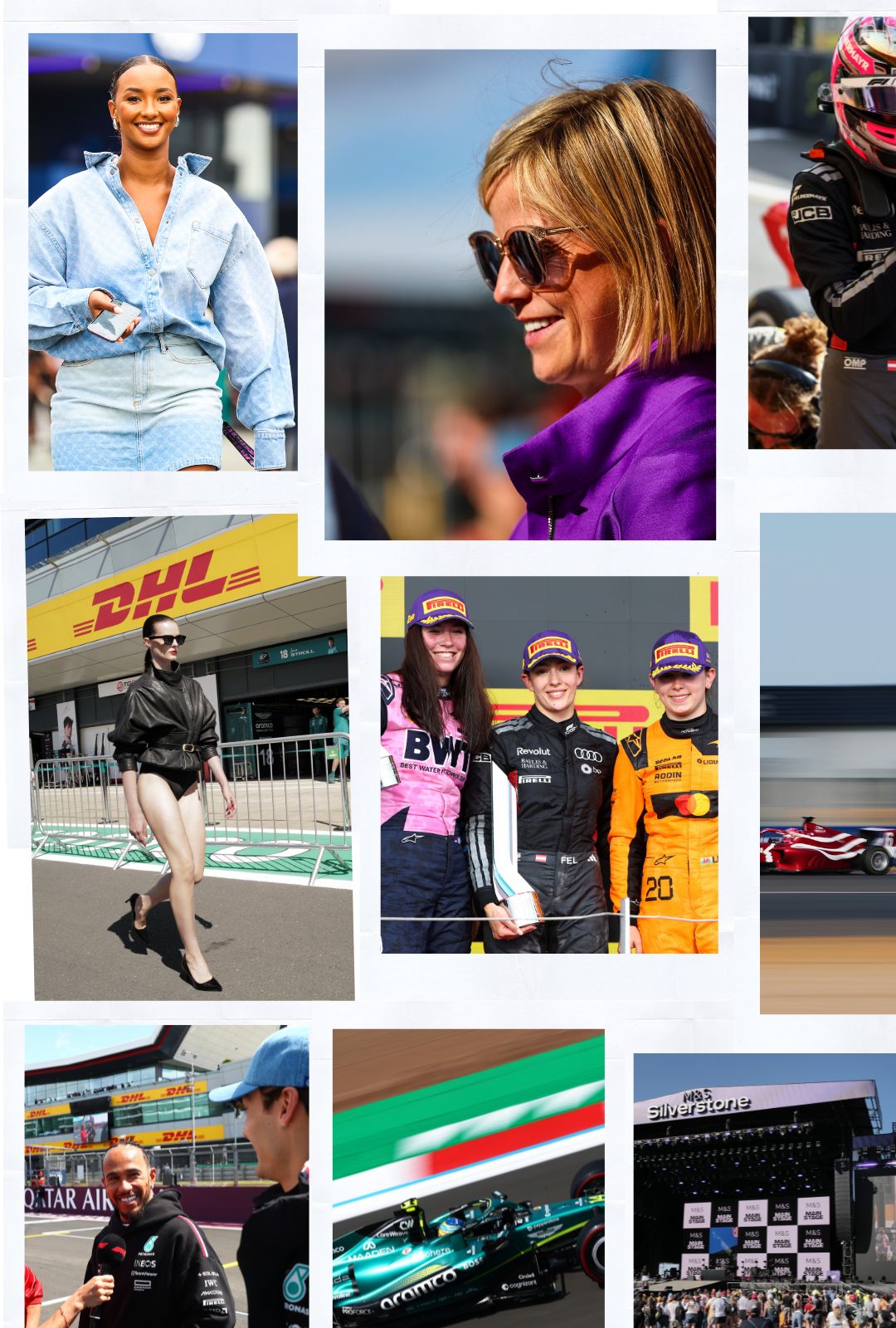
The shift can also be visible in the rise of F1 Academy, the all-female racing series which gives a new generation of drivers a platform to compete and redefine what the paddock looks like. This year marked their first appearance at Silverstone, and while standing on the starting grid, I felt a glimpse of where the sport is heading. Alongside the racing, there was a fresh approach to how these athletes are presented, with partnerships from brands including Sephora, Wella and Puma reflecting a sport increasingly interested in beauty, fashion and lifestyle, as much as lap times.
Wella's immersive pop-up had fans testing their driving reactions, Minnie Mouse was encouraging spectators to get their Disney driving licence, and messages of support for the teams could be left by fans, displayed on a piece of artwork shaped like a Formula 1 car. The set-up felt less like a sponsor installation and more like a celebration of a growing community. Watching the response around the series, it was clear this was no longer a niche corner of motorsport. The paddock told a different story, one where young women aren't just watching from the sidelines; they're competing and becoming the faces of the sport's future.
Yet Style Was There All Along
The thing is, style has never been absent in F1; it just simply wasn't always recognised as 'style'. Britain’s become uniquely positioned to embrace this evolution. Being home to the majority of F1 teams, the country's motorsport heritage gives the glamour something that newer races arguably lack: a sense of authenticity. At Silverstone, luxury isn't a performance layered on for social media; it sits on top of decades of sporting history.
And that’s why the British Grand Prix has become such a compelling place to be. Unlike Wimbledon, it’s not all about strawberries and punch. Unlike Royal Ascot, there are no strict dress-code expectations. Formula 1 exists somewhere in between, a rare space where tailoring meets trainers, vintage watches meet streetwear, and quiet luxury sits comfortably alongside a team cap and designer sunglasses. Perhaps that's the secret of the British Grand Prix's new allure. It’s never asked people to dress for the occasion. It has simply given them one worth dressing for.
Shop F1 Fashion now: