As the world marked World Refugee Day in June, we also reflected on a milestone: the 75th anniversary of the 1951 Refugee Convention -- the cornerstone of international refugee protection. Born from the ashes of war, it enshrined a simple but enduring promise: that those forced to flee would be protected.
Today, that promise is being tested as never before.
More than 117 million people worldwide have been displaced by conflict, violence and persecution. For many, displacement now lasts decades, shaping entire generations. The scale of these challenges underscores a simple reality: responsibility must be shared, and leadership matters.
In this regard, Thailand stands out.
For over four decades, Thailand has provided refuge to those fleeing conflict in neighbouring Myanmar -- saving lives while contributing to regional stability. Today, it is demonstrating leadership once again by moving beyond protection alone towards self-reliance and opportunity.
Recent measures signal a meaningful shift. Expanding access to employment, enrolling refugees in public health insurance schemes and issuing official identity cards on June 17 are landmark steps. These identity cards -- secure, biometric and officially recognised -- are more than administrative tools. They represent dignity, protection and access to opportunity.
Thailand's efforts to reduce statelessness further underscore this progress, with some 120,000 people acquiring legal status over the past year -- affirming the fundamental right to belong.
These developments point to the potential for Thailand to shape a forward-looking model for managing forced displacement -- one that combines pragmatism with humanity.
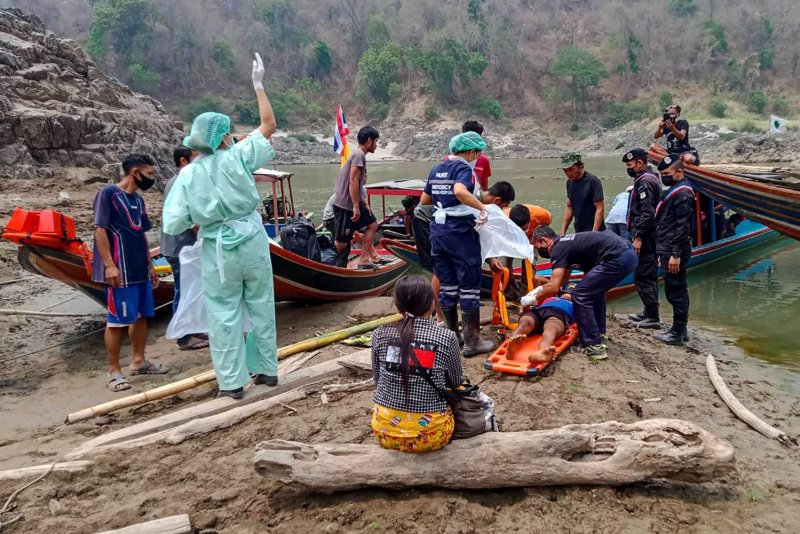
At the same time, the regional context remains complex. Myanmar continues to face deep instability, driving ongoing displacement within and beyond its borders. In this environment, maintaining -- and where possible expanding -- protection space in Thailand remains essential. Ensuring access to safety and preventing forced return are not only humanitarian imperatives, but also investments in regional stability.
Refugee protection is not separate from peacebuilding -- it is central to it. This principle was demonstrated in this region, where the international response to the Indochina refugee crisis -- anchored in Thailand -- contributed to UNHCR being awarded the Nobel Peace Prize in 1981.
By continuing to offer sanctuary, strengthening mechanisms such as the National Screening Mechanism and ensuring protection in practice, Thailand helps sustain the conditions needed for long-term solutions, including safe and voluntary return.
Alongside protection, the shift towards inclusion offers significant promise.
Globally, UNHCR is working towards reducing aid dependency in protracted refugee situations by 50% by 2035 -- moving from assistance alone to opportunity. This means enabling refugees to become self-reliant and to contribute to their host societies.
Thailand is well placed to help realise this vision. Early results are encouraging: thousands of refugees have already entered the workforce, contributing skills and labour. With access to legal identity, livelihoods and services, many more can follow.
Refugees are not defined by displacement -- they are workers, students and parents. When given the opportunity, they strengthen economies and communities alike.
Realising this potential requires sustained commitment: expanding access to legal work, ensuring identity systems translate into practical access to services, permitting freedom of movement, investing in social cohesion and preserving protection space amid evolving pressures.
As we mark the 75th anniversary of the Refugee Convention, there is also an opportunity to look ahead. Thailand already reflects many of the Convention's principles in practice. The principle of non-refoulement -- ensuring no one is returned to danger -- is embedded in Thai law under the Anti-Torture Act. Formal accession to the Convention would represent a natural progression of this record, reinforcing Thailand's leadership and strengthening the global protection system at a time of growing strain.
Thailand is already bringing this promise to life. The opportunity now is to go further.
The message is clear: refugees are not only in need of protection -- they are ready to contribute. Thailand has taken important steps to make this possible. The moment now is to build on them--and, in doing so, to lead.
Tammi L Sharpe is Representative of the United Nations High Commissioner for Refugees (UNHCR) in Thailand.