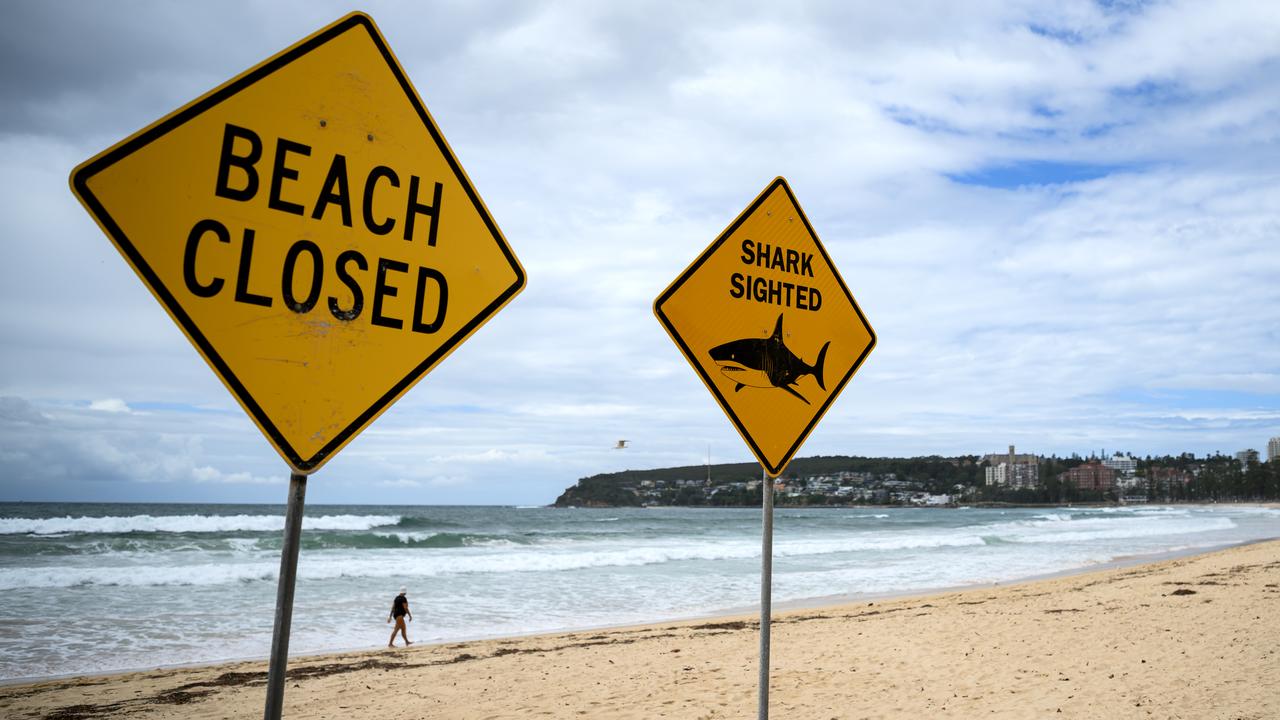
HOW TO MINIMISE SHARK ATTACK RISK
* avoid swimming at dawn and dusk, where sharks have been found to be more active
* don't swim after heavy rainfall, as sharks are attracted to bait fish often found swimming near sewage waste overflow
* avoid swimming in murky water, where limited vision can attract sharks to people as they can mistake them for prey
* swim with other people, so assistance is nearby in the event of an attack
MITIGATION APPROACHES
* some states - including NSW - use shark nets, although critics view them as ineffective and they can capture a wider array of non-threatening sea life
* SMART drumlines involve intercepting sharks when they come close to shore, before they are tagged and released. Used in combination with listening stations along the coastline, allowing alerts to be sent to people using the SharkSmart app
* Queensland continues to use traditional drumlines, which are designed to catch and kill sharks
* drone surveillance can help authorities give real-time updates to beachgoers if a shark is sighted
KEY QUOTES
* "Given the incredible rainfall we have had of late, the risk of encountering sharks is high. Stay out of the water till it clears." - Macquarie University Fish Lab head Professor Culum Brown
* "Three shark bites in two days suggests to me there's a unique environmental condition that is more than just the heavy rain." - University of Sydney public policy expert Chris Pepin-Neff
* "We have major runoff into the beaches. This is prime conditions for bull shark activity." - Surf Life Saving NSW CEO Steven Pearce
* "Increasing water temperatures due to climate change are causing many fish species, including sharks, to spend more time in higher latitudes (nearer the poles)." - Shark Ethology Australia expert consultant and academic Victoria Camilieri-Asch