
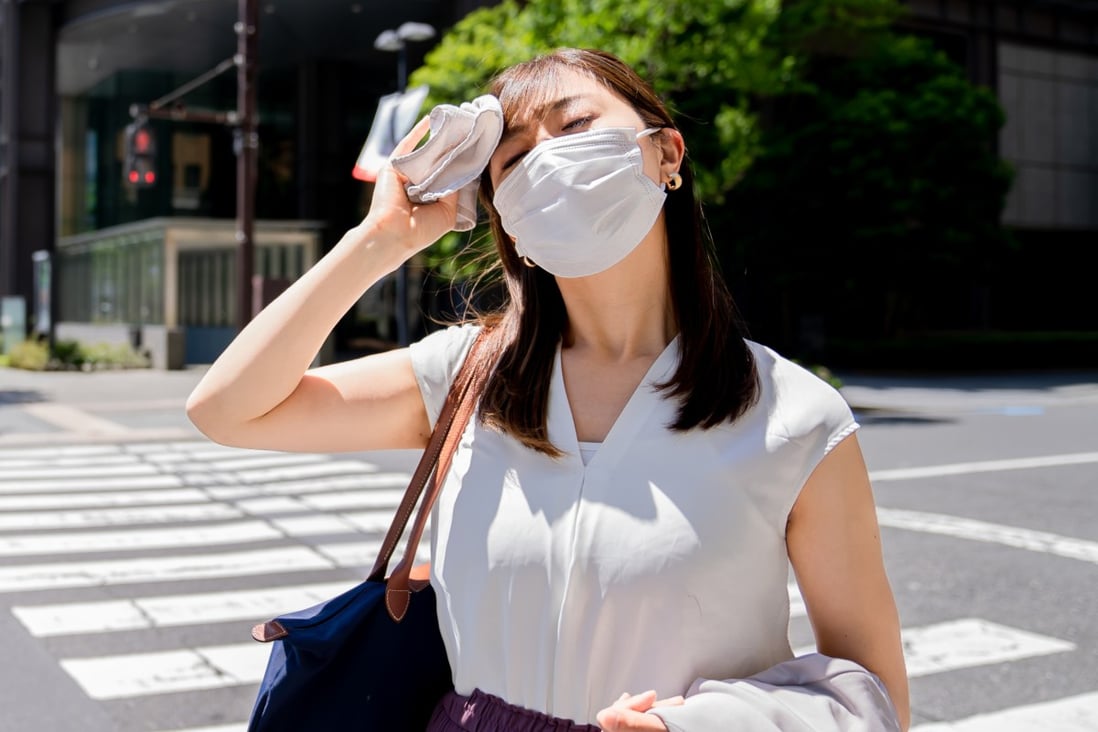
Horses sweat, men perspire, ladies merely glow … so goes the adage.
But we all sweat. And sweating takes all manner of forms – different volumes, colours, places and smells. While for most people perspiration is normal and almost unnoticeable, for others, it can be so extreme that it affects their quality of life.
Why do we sweat? The function helps regulate body temperature; sweat glands found all over the body secrete a salt-based fluid in response to changes in temperature.
Dr Joyce Lai, a general practitioner in Hong Kong, explains that we can sweat from almost anywhere on our body, but more commonly from the forehead, armpits, palms, groin and soles of the feet.
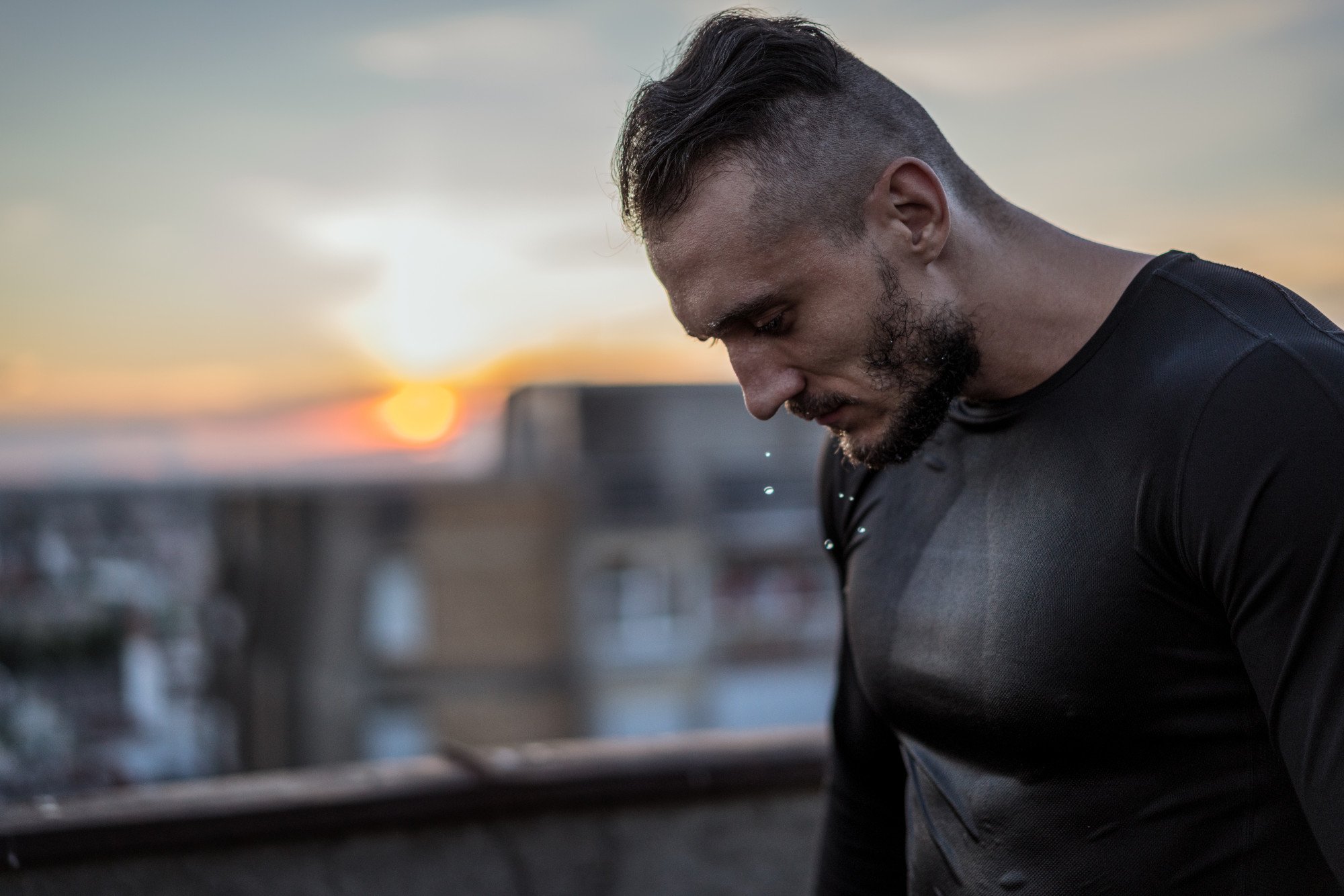
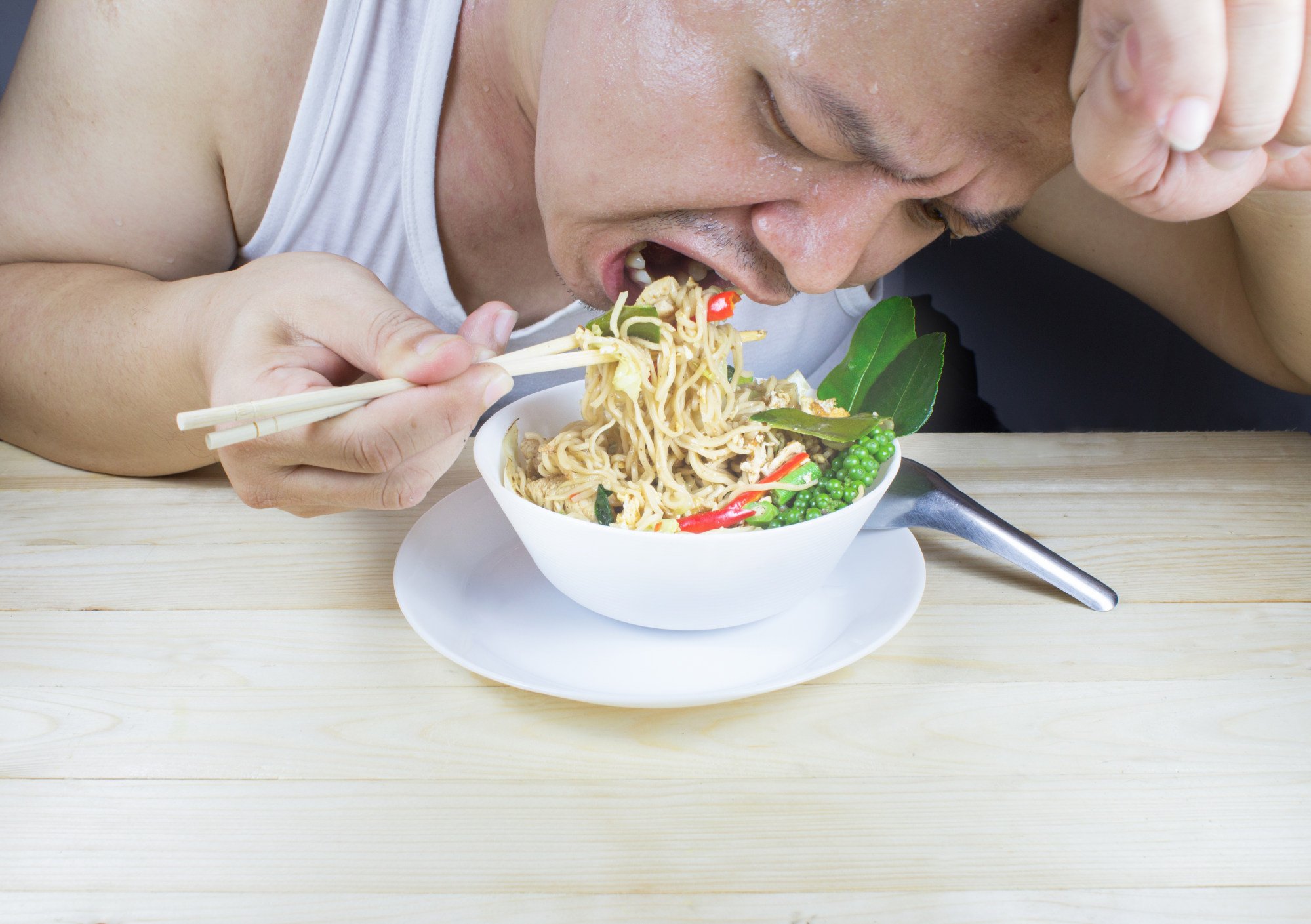
There are three main types of sweating: thermal sweating is the most common and helps to cool the body and maintain its temperature at 37 degrees Celsius (98.6 degrees Fahrenheit). Psychological sweating occurs in response to sensations like fear, stress and pain. Gustatory sweating is typically triggered by eating or drinking something hot or spicy.
There is no absolute definition of a “normal” amount to sweat, but textbooks suggest people typically sweat 500ml (17 fluid ounces) to 700ml throughout the day – more when they undertake demanding physical activity. Lai says “there is a wide spectrum – some people just sweat more and some just sweat less”.
Skin 101: ageing, acne, sweating, cancer – and best ways to protect it
An individual’s perspiration level depends on their size, age, muscle mass and health and fitness. How much we sweat is predetermined at birth, Lai says, and “depends on how many sweat glands we are born with as well as how active those sweat glands are”.
While men have long been considered sweatier than women, more recent research published in The Journal of Physiology suggests that it is size and not gender which affects how much we sweat; larger people often sweat more.
Contrary to assumptions, fitter people also tend to sweat more because their bodies are quicker at responding to an increase in temperature when exercising. They sweat faster to cool down more effectively.
Many other circumstances affect our sweat levels; puberty, pregnancy, menopause and the lead-up to it, hyperthyroidism (a condition in which the thyroid gland produces too much of the thyroid hormones, affecting heart rate and body temperature), anxiety, stress, diabetes mellitus (when the body does not produce enough insulin), bacterial or viral infections, and certain drugs such as antidepressants.
“Sweating copiously can be a sign of heat exhaustion, while not sweating at all could be a bad sign, that someone is on the verge of heatstroke with severe dehydration,” Lai says.
Hyperhidrosis, the condition of over sweating, is estimated to affect between one and five per cent of the population. However, the number may be far greater given that many sufferers do not seek medical attention for this, and find it embarrassing and debilitating.
This has been the case for a Filipino resident of Hong Kong we’ll call Stephen, who prefers to remain anonymous given the stigma attached to his condition.
If you sweat more during a workout, do you burn more calories?
Because of excessive sweating from his hands, simple daily tasks like using a smartphone, writing or holding tools can become a slippery challenge. “I always keep a towel or handkerchief handy to mop up the sweat,” he says.
Social situations are difficult, and he wears an undershirt to help soak up some sweat. “Socialising is harder for me,” he says, and he often makes excuses to avoid meeting with people or to get out of sweaty situations.
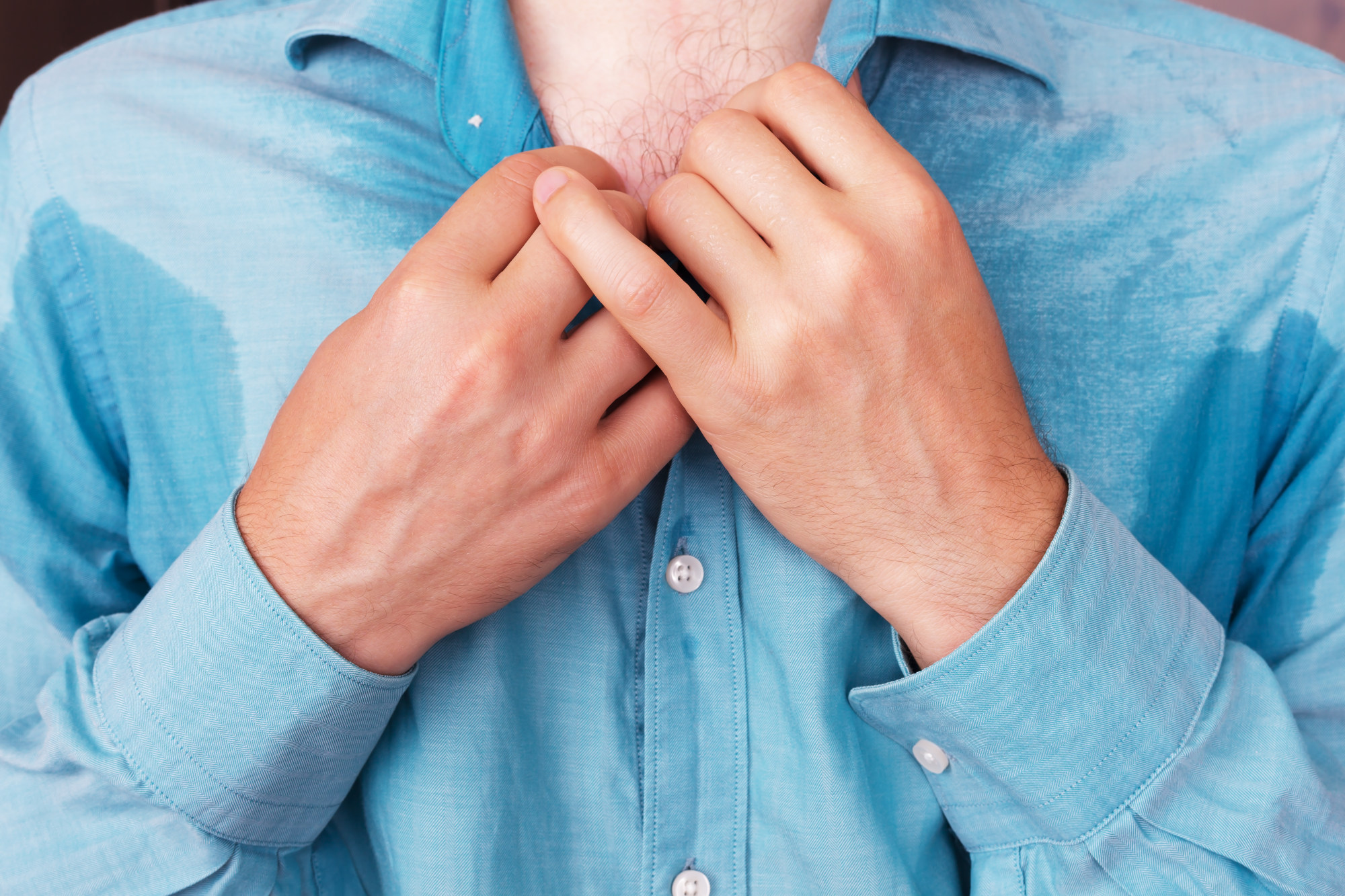
Stephen has suffered with hyperhidrosis for as long as he can remember; at school it prevented him from raising his hands or joining extracurricular and social activities. He recalls completely soaking through his shirts during sports warm-ups and leaving pools of sweat behind him after standing in one place.
Despite years with the condition, it took Stephen a long time to seek medical help, at first writing it off as stomach problems and dismissing it as not being a serious condition. Now he recognises that “even if it’s not life threatening, it’s definitely life altering”.
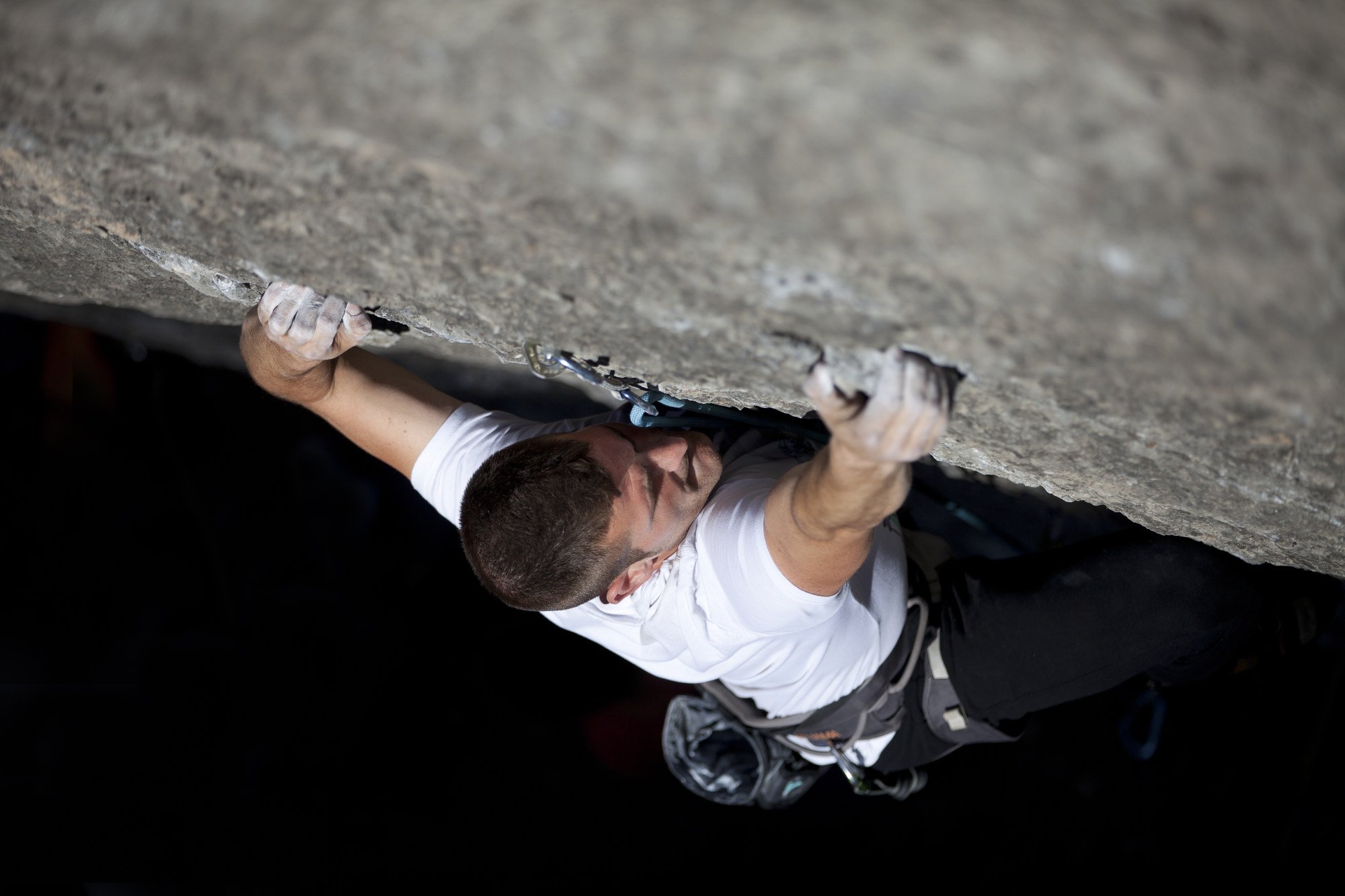
Stephen uses two prescription treatments, Antihydral – an extreme skin-drying ointment used particularly for too sweaty hands and feet (and often used by rock climbers), and Driclor – an antiperspirant deodorant which claims to work for days, not hours. These work to some degree but are not 100 per cent effective.
Lai suggests other ways to help reduce sweating: wearing looser cotton clothing, using other prescription antiperspirants, or having an anxiety consultation with a therapist if you think the sweating might be stress-related.
Don’t sweat it: how clean beauty brands are making deodorants cool
Other treatments include oral nerve-blocking medications that block the chemicals that permit communication between nerves, which can reduce sweating. The side effects include dry mouth, blurred vision and bladder problems.
Some antidepressant medications decrease sweating and may also lessen anxiety that causes it.
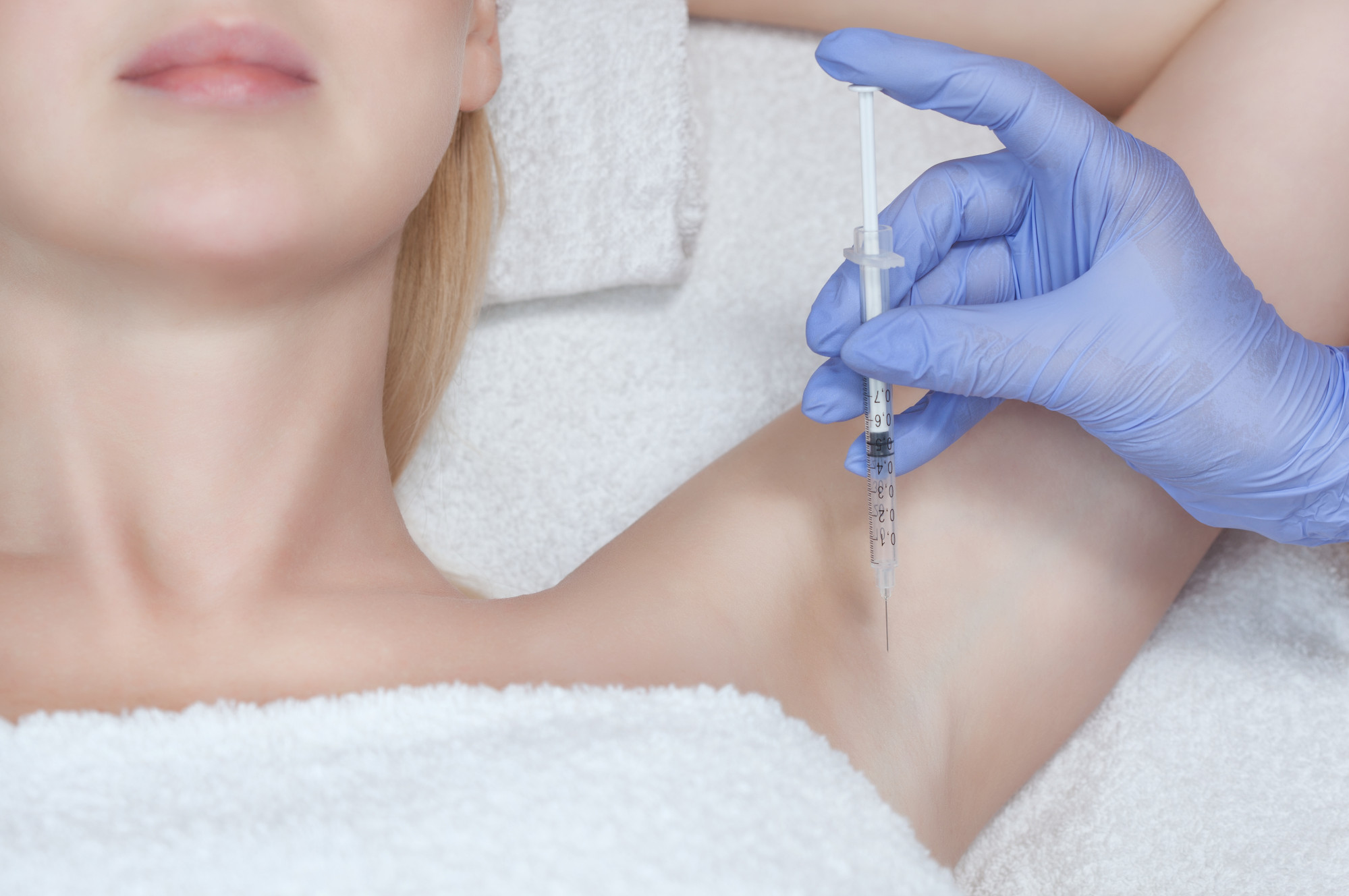
Botulinum toxin injections, often known as Botox and commonly used for wrinkles, may also help, temporarily blocking the nerves that cause sweating. This usually requires several injections, and the results may last for six months to a year.
At the extreme end are more serious treatment methods, including microwave therapy, in which a device that delivers microwave energy destroys sweat glands. It usually requires two sessions of up to 30 minutes each, three months apart. According to the Mayo Clinic in Rochester, in the US state of Minnesota, this expensive treatment may cause some discomfort and is not widely available.
Sweat gland removal, say from the armpits if that is where excessive sweating occurs, may help. Suction curettage is a minimally invasive technique for this.
Nerve surgery, known as sympathectomy, is another drastic option in which a surgeon cuts, burns or clamps the spinal nerves that control sweating in your hands. According to the Mayo Clinic, this may trigger compensatory sweating – excessive perspiration in other parts of the body.
Obese mice lose weight ‘sweating out’ fat – could humans too?
If you are persistently sweating more than usual, Lai recommends seeking a doctor’s advice. Night sweats that present with weight loss can be more serious – a sign of tuberculosis or cancer.
Some unusual sweat conditions exist. For example, chromhidrosis causes different coloured sweat; black, blue, brown, yellow – even green. While the condition is harmless, it can be psychologically distressing; coloured sweat could also be a symptom of something more serious.
Individuals can even sweat out blood if they have a very rare condition called hematidrosis; this is said to be caused by extreme levels of fear or stress.
Anhidrosis prevents a person from sweating enough. While this might seem like a blessing, it means the body is unable to cool itself down, which can lead to heatstroke and even prove fatal.
Beating body odour
Sweat doesn’t actually smell – it is the mix of sweat and bacteria on the skin’s surface that creates a scent. Everyone has a unique odour because our skins’ microbiomes differ, and our smell can vary depending on our immune systems and our diet.
For example, foods with a lot of sulphur – such as garlic and onions – can make sweat smell worse. A 2006 study found that women preferred the body odour of non-meat eaters.
Our sweat might also smell especially pleasant to a particular individual, and may even emit the feeling of happiness: according to one study, happy people can transfer these feelings to others through their sweat’s scent.
Like what you read? Follow SCMP Lifestyle on Facebook, Twitter and Instagram. You can also sign up for our eNewsletter here.