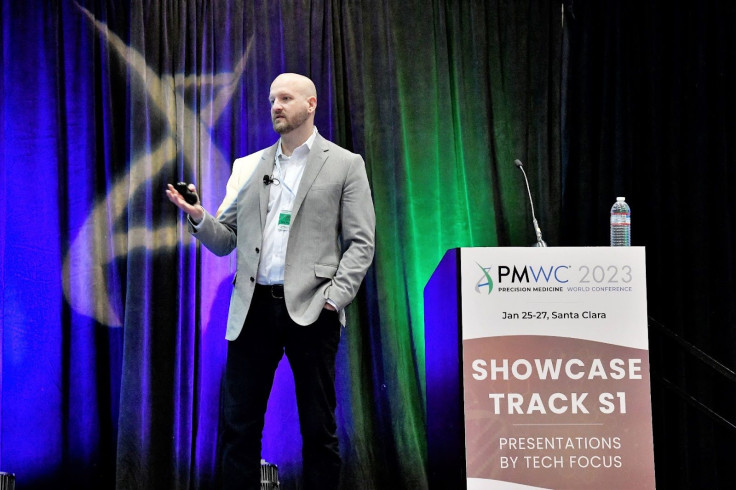
According to Joshua Resnikoff, founder of Sunstone Health, healthcare costs tied to genetic and rare conditions represent one of the most persistent liabilities for employers operating self-funded health plans. In the United States, rare and genetic diseases collectively affect an estimated 10% of the population, yet they account for a disproportionate share of healthcare spending, often driven by years of delayed diagnosis, repeat emergency visits, and fragmented care. Such delays could translate into high-figure losses between $86,000 and $517,000 per patient cumulatively over time, alongside productivity loss.
Parents navigating complex pediatric conditions may frequently miss work, operate under sustained emotional strain, and struggle to maintain focus while confronting unanswered questions about their child's future. "How could someone focus on their job when all they can think about is what's happening with their child?" says Resnikoff, "When you're asking yourself whether your kid has a future, whether you're doing the right thing, everything else fades into the background." For employers, this highlights how that reality can affect attendance, retention, and team stability in ways that often go unaddressed.
Sunstone Health was built at the intersection of those pressures, combining employer accountability with a deeply personal understanding of care breakdowns. Resnikoff brings that dual perspective. A trained biomedical engineer, he spent more than a decade at medical universities working on translational science and commercializing advanced biomedical technologies. His transition into healthcare infrastructure followed years spent navigating the system as a parent of a child with a rare disease, an experience that reshaped his understanding of how delays compound cost and harm simultaneously.
"You start to realize how big this problem actually is," Resnikoff explains. "Families experience it in different ways, but the frustration is the same. The system doesn't provide solutions at the speed people expect from modern medicine." Industry research supports that view. Studies frequently cite that the diagnostic odyssey for children with rare genetic conditions can be extremely lengthy, during which symptoms can often worsen, and care costs can escalate.

Sunstone's response focuses on time as the most critical variable. The company analyzes existing health insurance claims data to surface early patterns associated with genetic and developmental complexity. The platform does not attempt to diagnose from claims alone. Instead, it flags high-risk cases for accelerated assessment, allowing employers and insurers to intervene proactively. "We're just saying these kids need a second or third look as fast as humanly possible," Resnikoff notes. "We can't afford another six or twelve months of delay."
Once approved, Sunstone coordinates precision care across diagnostics, specialist review, and provider guidance, integrating steps that families and employers typically assemble on their own. According to Resnikoff, the platform is designed to compress a process that often spans seven years into approximately twelve weeks, with an aim to enable diagnoses and actionable care plans.
From a financial perspective, the model aligns with employer incentives in self-funded plans, where organizations retain risk and benefit from long-term cost containment. "One patient can cost hundreds of thousands of dollars a year, sometimes more," Resnikoff explains. "If care keeps getting delayed, those costs don't stabilize, they compound." Sunstone operates on a results-based structure, charging a flat fee per confirmed case only after diagnosis and care coordination are delivered, with no setup or per-employee fees.
Yet the business case remains inseparable from the human one. "Parents will move mountains for their kids," Resnikoff says. "They'll quit jobs, relocate, do whatever it takes. If we can reduce that burden, employers get healthier plans and families get their lives back." Sunstone's approach reflects that balance, positioning care efficiency as a stabilizing force for both organizations and the people who sustain them.
As employers face rising healthcare costs and mounting workforce pressures, Sunstone Health presents a model grounded in precision, accountability, and lived experience. Its value lies in shortening uncertainty, aligning incentives, and proving that better care timelines serve both economic and human outcomes at once.