The arrangement of products on a grocery store shelf is a carefully planned science called “planogramming.” Retailers use a technique known as “blocking” to influence your purchasing decisions. Blocking involves arranging products in vertical or horizontal groups on the shelf. This creates a visual pattern that can subtly guide your eye toward the more expensive brands. It can also effectively hide the cheaper alternatives. This is a powerful but nearly invisible form of shelf manipulation.

Vertical Blocking to Highlight Brands
The most common form of blocking is vertical blocking. A retailer will dedicate an entire vertical section of the shelf, from top to bottom, to a single brand. For example, you might see a four-foot vertical “block” that contains only Coca-Cola products. This creates a massive, eye-catching billboard for the brand. It makes it very difficult for your eye to even notice the smaller, competing brands that are shelved next to it.
Horizontal Blocking to Show Variety
Horizontal blocking is when a retailer arranges different brands or different flavors of the same brand in horizontal rows across a shelf. This is often used in categories like yogurt or baby food. This layout is designed to emphasize variety and choice. However, the most profitable items are still often placed in the most prominent, eye-level horizontal band. The cheaper options are relegated to the bottom row.
Using Large Packages to Block Smaller Ones
A retailer can also use the physical size of a package as a blocking tool. They might place a row of large, “family size” boxes of a popular cereal on the middle shelf. These large boxes will physically block your view of the smaller, standard-sized boxes on the shelf below. This is a subtle way to encourage you to buy the larger, and often more expensive, package.
Color Blocking for Visual Appeal
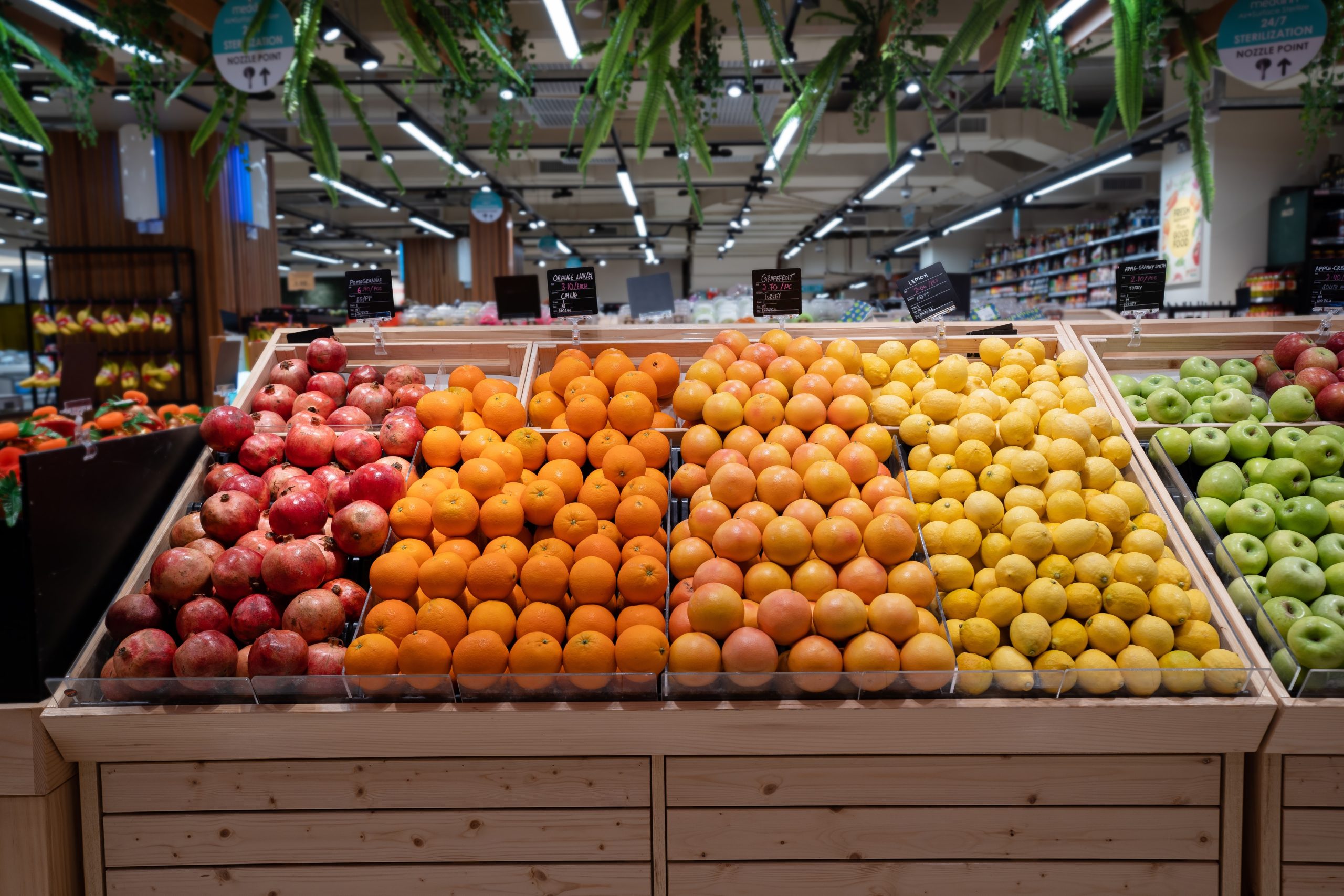
Retailers will sometimes arrange products by color to create a visually appealing, rainbow-like effect. This is common in the produce section or the craft aisle. While this “color blocking” looks nice, it is also a way to disrupt your normal shopping pattern. It forces you to search for the specific item you need within the color block. This increases the amount of time you spend looking at the shelf.
The Architecture of Choice
Shelf blocking is a powerful example of how retailers use the physical architecture of the store to influence your choices. The simple act of arranging products in a specific pattern can have a major impact on what you see and what you buy. By being aware of this technique, you can learn to look past the big, dominant blocks of the major brands. You can make a more conscious effort to seek out the smaller, cheaper alternatives in plain sight.
Have you ever noticed the use of “blocking” on your grocery store shelves? Do you think this arrangement influences what you buy? Let us know your thoughts!
What to Read Next
- 6 Ways Retailers Hide Clearance Items In The Cleaning Aisle
- 7 Sneaky Ways Grocery Stores Hide Their Best Deals
- Why Do Grocery Stores Hide The Best Deals In The Freezer Section
- Price Illusions: 6 “Sale” Tags That Actually Hide a Price Increase
- 10 Items That People Hide Under Other Groceries Out of Embarrassment
The post How Stores Use “Blocking” on Shelves to Hide Cheaper Brands appeared first on Grocery Coupon Guide.