The very nature of the World Cup means that any team that wins it will go down among the ‘best’ ever, though a select few teams manage to transcend whatever happens on the pitch during those seven – now eight – games.
For those of a certain age, Brazil’s World Cup-winning side of 1970 will jump to mind; for others, the Spain dynasty of 2008 to 2012 is the most famed international team.
In South Africa in 2010, there was something in the air as tiki-taka became the era’s definitive style of play, with one of the most skilled football teams of all time deservedly lifting the biggest prize in the sport.
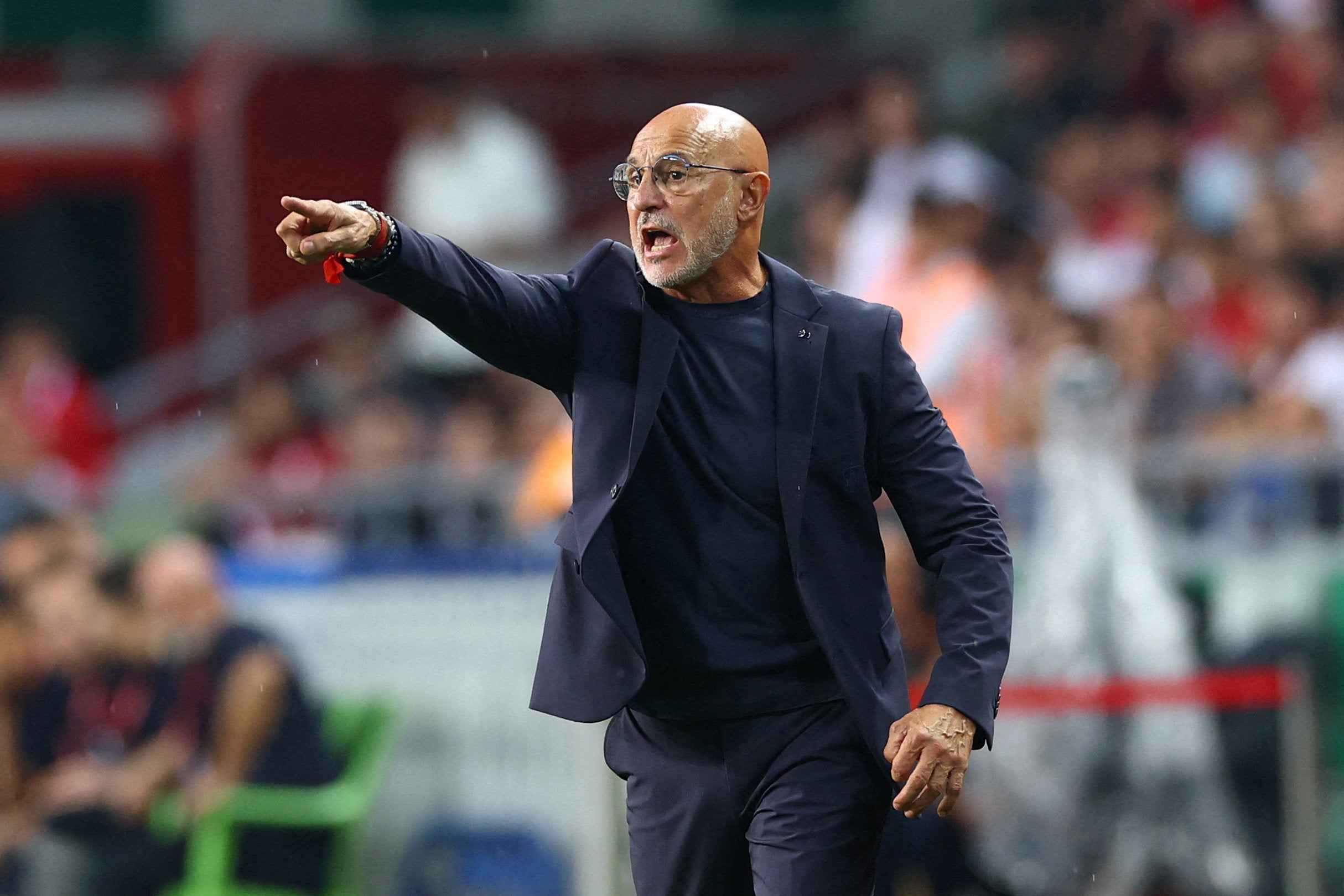
Every Spain team since has tried to build on that era. It failed dismally in 2014, and even Luis Enrique could not tinker with the style successfully in Qatar in 2022. But at Euro 2024, a lesser-known manager finally made it click, as Luis de la Fuente led La Roja to a third European Championship title.
Spain were not among the favourites, but behind the scenes the former U21s manager had built a team that combined some of the main principles of tiki-taka with a more modern-day footballing outlook, and it came together beautifully in Germany.
That triumphant Euros campaign and a positive run of results mean Spain head into the 2026 World Cup among the favourites, and while the presence of some of the world’s best players – in Lamine Yamal, Rodri and Pedri – will be key in North America, it is the management of de la Fuente that could be the deciding factor if La Roja are to repeat the heroics of 2010.
In the wake of the Euro 2024 triumph, questions were asked whether tiki-taka had finally lost its grip on the national team. The first match of the tournament against Croatia marked an end to Spain’s run of 136 competitive games with more possession than their opponent, a streak dating back to the Euro 2008 final.
Tiki-taka was a playing style that had brought every honour at international level, but it was not always popular. Even Pep Guardiola, the man who helped it become the prevailing footballing ideology, dismissed it in 2014, saying: “I loathe all that passing for the sake of it. You have to pass the ball with a clear intention, with the aim of making it into the opposition's goal”.
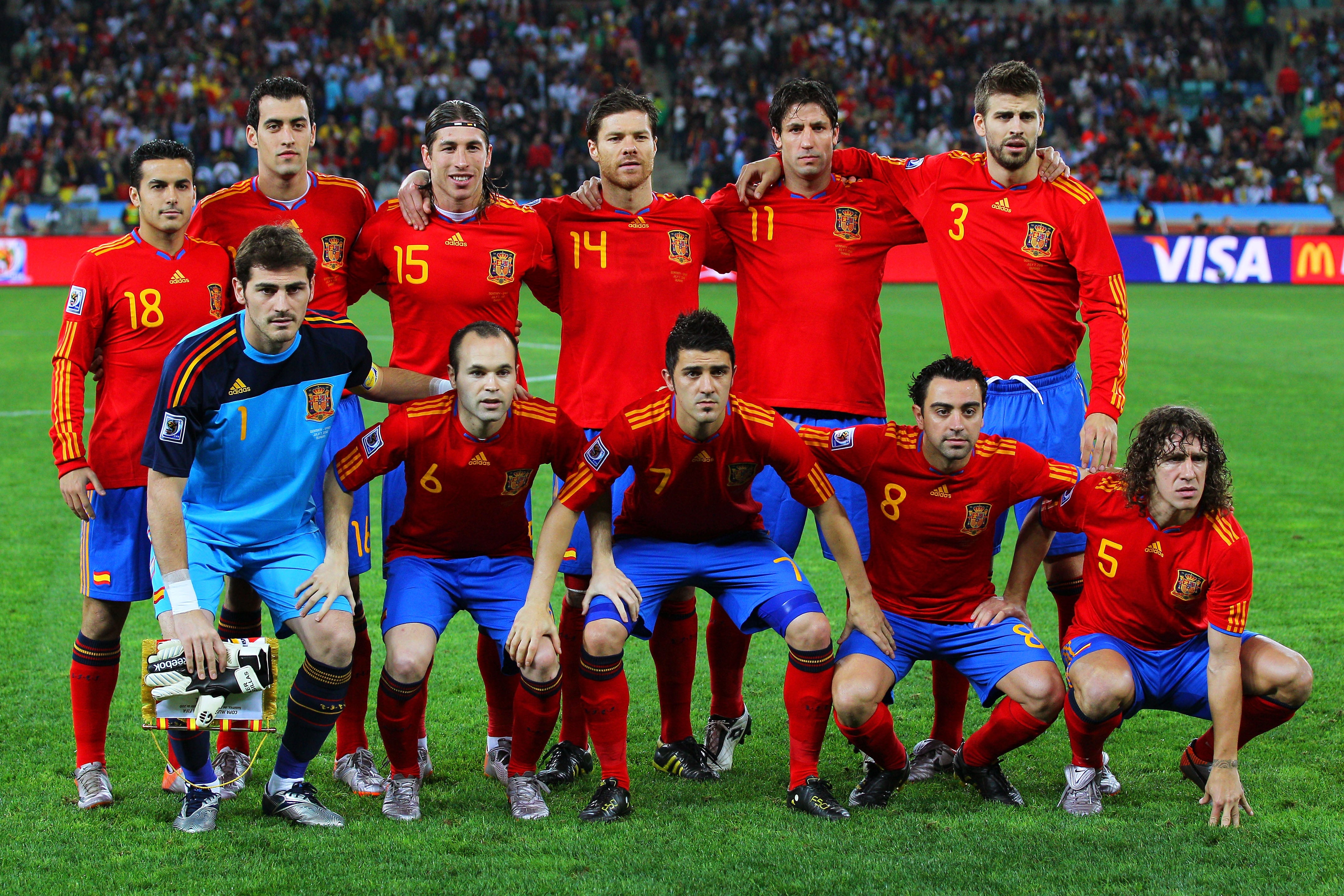
Spain’s World Cup campaign in 2010 had been impressive, but it had seen just eight goals scored in seven matches en route to lifting the trophy. In reality, the fact that Spain kept 10 clean sheets in their 10 knockout games between 2008 and 2012 was the main factor in their success; performances like the 4-0 win over Italy in the Euro 2012 final were rare, not normal.
It meant that many at home saw De la Fuente’s ‘new’ style as refreshing, as it brought the results as well as entertainment. But as the man himself highlighted, this was a side that played direct, attacking football while still being “a team that was recognisably Spain”. Tiki-taka had not been thrown out, it had simply been made more effective.
In a Coaches’ Voice ‘Masterclass’ interview following La Roja’s 2-1 win over England in the final of Euro 2024, De la Fuente said that he had wanted his side to impose themselves in order to have “more control and dominance of the game”.
He said that Spain’s “style of play” involved starting everything by “playing the ball out from the back”. Every phase is focused on how the players can drag the opposition away to create space and “generate overloads in different areas of the pitch”.
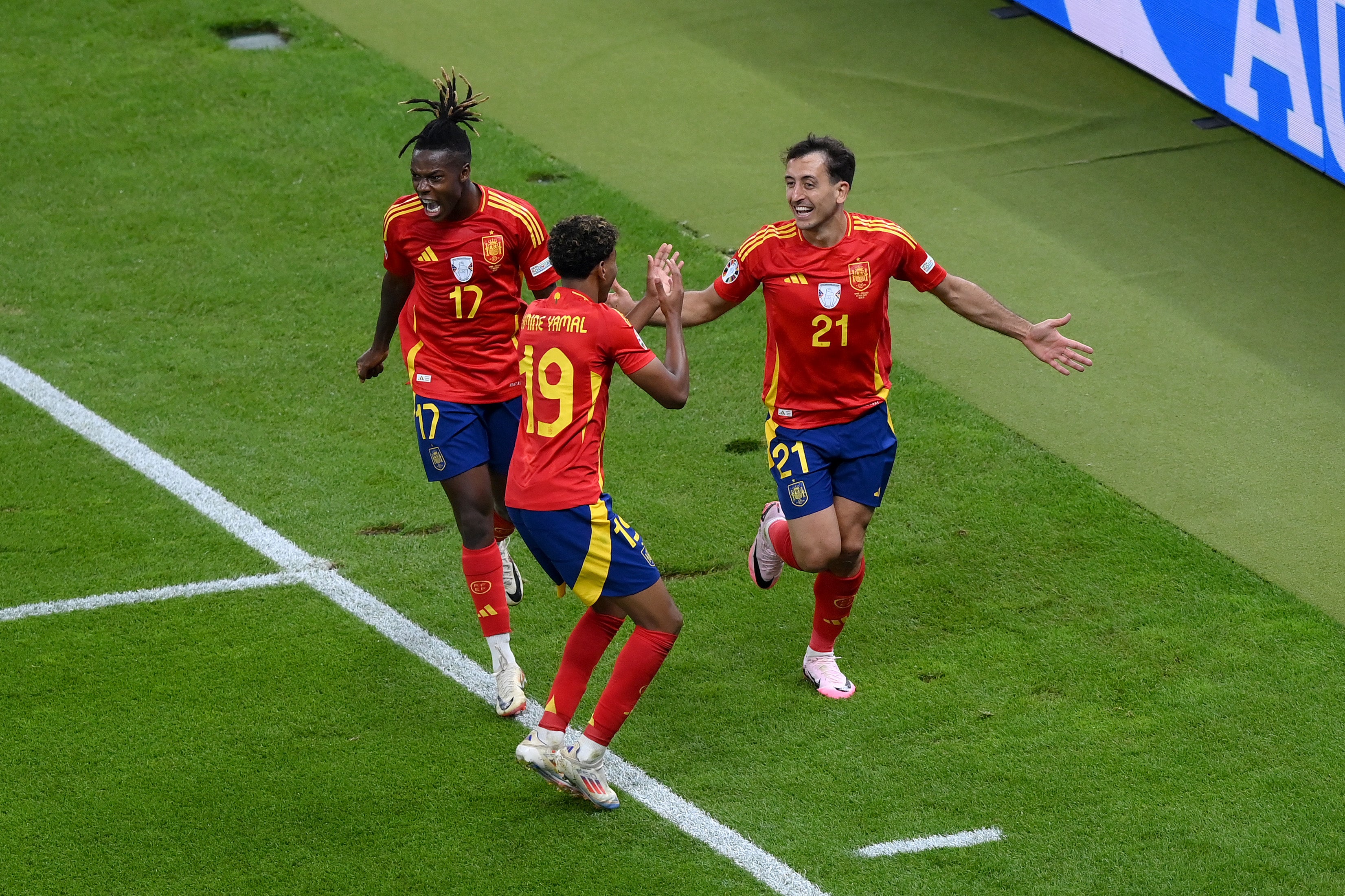
“Our rivals know we can hurt them with possession, with positional attacks built with many passes”, he explained. Sound familiar?
Keeping the ball was as important as ever, but this time there was more emphasis on how that possession could create clear-cut chances. Spain looked to “fill the box” with players in the final third, with crosses from wide positions equally as important as intricate attacking play through central areas.
The most obvious difference between Spain now and in 2010 is in the personnel available on the wing and their respective roles. Where there was once Andres Iniesta and David Silva, there is now Nico Williams and Yamal, the latter of whom is a vastly different player to his predecessors but no less devastating.
The De la Fuente interview emphasised the importance of the width kept by both wingers and how it enabled the full-backs to “join from deeper lines”, giving the team “the ability to unleash quick transitions, quick attacking situations, where we can exploit the spaces” whether dominating possession or on the counter.
Rodri echoed these sentiments when speaking to The Athletic ahead of Euro 2024, with the midfielder saying that De la Fuente wanted “to be a bit more direct, using possession always to damage the opponent”.
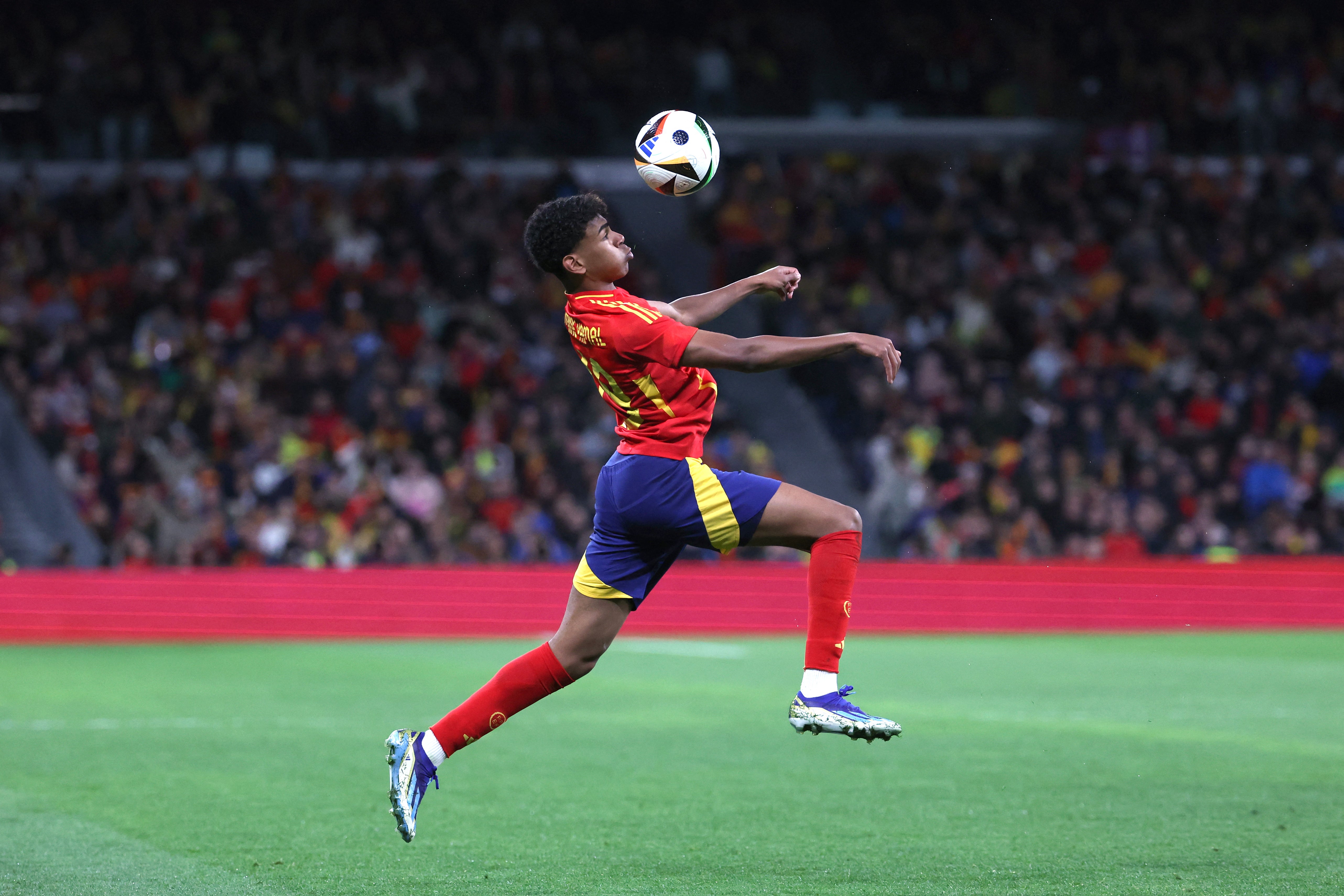
This directness was on display for both goals in the final. The first illustrated the importance of the wingers, with Dani Carvajal maintaining width before passing to Yamal, who had found the space inside and took two defenders out of the game before laying it off for Williams, himself coming in from the other wing
The second showed this Spain side can move it through the centre to devastating effect too, with La Roja going from the edge of their own area to England’s six-yard box in five passes before Mikel Oyarzabal provided the finishing touch.
Notably, when explaining the winning goal, De la Fuente also highlighted two “fantastic” passes from Dani Olmo and Marc Cucurella, even noting that Olmo had chosen the unexpected, more difficult pass that then allowed the chance to materialise.
It was a pointed reminder of the factor that unites both the original tiki-taka and this ‘new iteration’. Once in the final third, both give a degree of freedom to key attackers, with plenty of importance placed on the ability of your players to create chances with moments of ingenuity and individual quality.
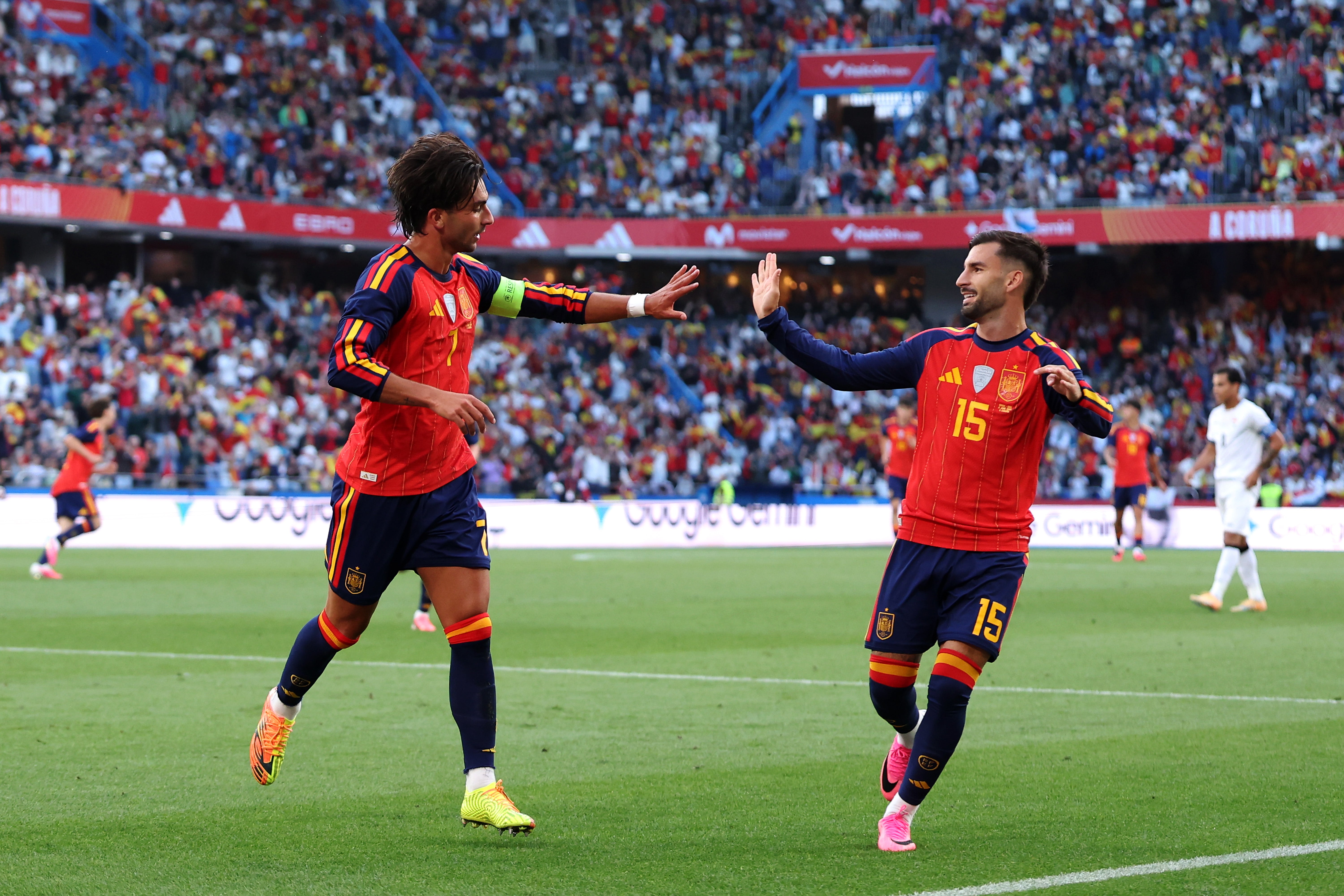
Let’s be clear – Spain still had 67 per cent possession in the Euro 2024 final, but this is a team that can control games in different ways. Getting up the pitch quickly is now of paramount importance, and it means they create dangerous chances more regularly than their predecessors.
There is no team at this summer’s World Cup that boasts as much talent in midfield, while their wingers’ rare blend of skill and physicality gives them an edge that perhaps only France can rival in that position.
There are still factors that need to be addressed, including the absence of key defenders Carvajal and Robin Le Normand and the lack of a recognised striker to take on the role Alvaro Morata played two summers ago. Both areas might require evolution from De la Fuente, though he might continue with more of the same. In any case, this way of playing is also more forgiving than the original tiki-taka – you don’t necessarily need all 11 players to be world class.
Whatever he does, he will look to maintain “a team with many ways of playing”, and with rivals such as England and France facing more uncertainty in terms of personnel, starting line-ups and tactics, Spain will certainly begin with an advantage this time around.
The original tiki-taka was one of the most clearly defined and lauded playing styles seen in football history. If all goes to plan for La Roja, we may be looking at ‘tiki-taka 2.0’ in a similar way come late July.