Product damage during warehousing and transit costs global supply chains billions of dollars each year, with some estimates pegging this figure over $100 billion. Many compromised shipments are rejected at distribution hubs due to inadequate barrier protection and physical packaging failures. Preventing these costly losses requires moving beyond basic corrugated boxes and intentionally selecting engineered materials designed for harsh handling environments.
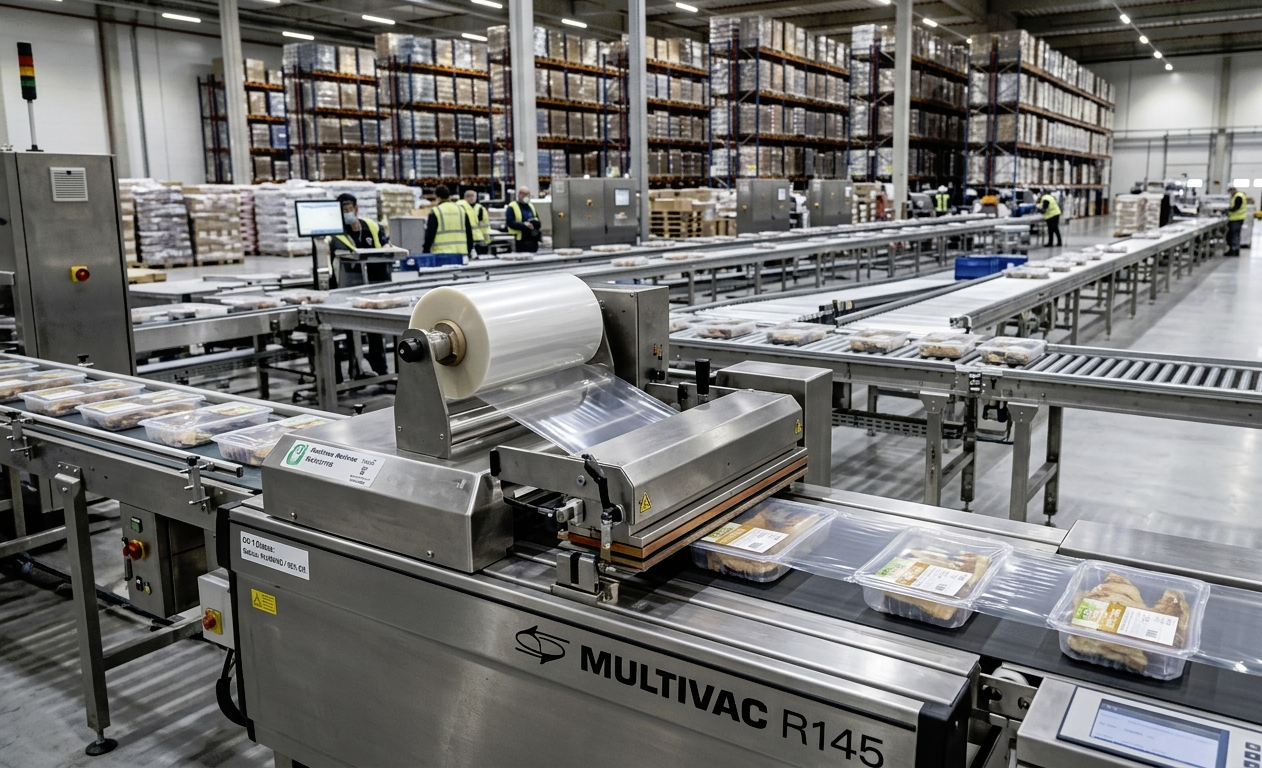
Image Source: Google Gemini
Essential Engineering Principles for Storage and Transport
High-performance packaging systems rely on precise material science to shield goods from ambient hazards. Moisture accumulation, oxygen exposure, dynamic vibration, and puncture risks continuously threaten product integrity between the manufacturing plant and the end customer.
When packaging fragile or perishable items, single-layer solutions often fall short. Multi-layer laminates and high-barrier structures create a controlled internal microclimate that halts degradation.
Selecting high-strength, puncture-resistant flexible barrier packaging materials drastically reduces micro-leaks caused by friction during long-haul freight transit. In automated processing environments, these materials must also demonstrate consistent tensile strength and heat-seal reliability to withstand high-speed mechanical stress.
Optimizing Seal Integrity and Shelf Life
Seal failure represents one of the most common vectors for product contamination and spoilage. Even a microscopic void in a container seal allows moisture and oxygen ingress, rendering internal barrier coatings ineffective.
Integrating an engineered lid film onto rigid trays provides a hermetic seal that secures food, medical devices, and chemical products against external contaminants. Modern lidding films are engineered with targeted peel strengths and barrier customizability, balancing robust protection with effortless consumer access.
Establishing proper physical barriers protects inventory investments across multiple operational areas:
- High-density moisture barriers prevent dampness and physical structural failure in humid storage units
- High gas transmission resistance maintains modified atmosphere packaging mixtures to prevent oxidation
- Tear-resistant composite structures survive rough handling and automated conveyor sorting drops
Deploying precise barrier technologies prevents premature decay and guarantees that goods survive extended logistics delays without compromising freshness.
Reducing Waste and Freight Losses
Excess packaging waste drains operational capital and is a sustainability concern, but under-packaging carries an even higher cost in returned inventory and damaged customer relationships. Identifying the exact physical risks in your supply chain allows you to right-size packaging layers without sacrificing defense.
Analyzing transport data frequently reveals that shock spikes, drop impacts, and humidity surges cause the vast majority of cargo damage during transit. Addressing these environmental and mechanical vulnerabilities directly at the primary packaging level stabilizes product quality throughout complex, multi-stage distribution chains.
When product seals hold firm and barriers prevent ambient degradation, return rates drop drastically. Operations teams can streamline palletization, optimize shipping space, and ensure products arrive in pristine condition every time.
Thermal Stress and Cold-Chain Protection
Temperature spikes inside shipping containers disrupt even the most rigid supply chains. Thermal fluctuations accelerate chemical degradation, melt sensitive coatings, and break down pressure-sensitive seal adhesives long before cargo reaches warehouse docks.
Deploying specialized phase-change materials and reflective thermal barriers helps stabilize internal package temperatures across multi-zone transit routes. Integrating real-time indicator strips or digital thermal sensors alongside barrier layers provides immediate visual verification of thermal compliance. Studies show that these preventative measures protect temperature-sensitive pharmaceuticals and perishable foods from costly heat-induced spoilage during extended freight delays.
Long-Term Inventory Preservation Strategies
Optimizing your packaging strategy requires evaluating material performance against actual freight conditions. Upgrading seal integrity, barrier resistance, and puncture performance protects product quality, lowers total shipping costs, and safeguards your brand reputation across every distribution channel.
Exploring localized packaging studies and testing protocols offers direct insights into tailoring material specifications to your precise logistics demands. You can find more useful articles on our site, covering a broad array of topics and talking points relevant to businesses and consumers, so don’t go anywhere.