In a recent interview, Ben & Jerry’s activism manager, Chris Miller, looked at California as the leader in the US’ fight against climate change.
As activism manager, you’re tasked with championing causes Ben & Jerry’s believes in, and tackling the problems behind climate change is part of the company’s mission. How would you describe the current landscape?
We’re living in a spooky and troubling era where science fiction and post-apocalyptic scenarios rapidly resemble scientific facts. Early warnings of climate warming leading to extreme weather have become reality – historic droughts on four continents, heat waves and record monsoons making reliable weather a distant memory.
Yet in the US, Congress has failed to produce a national policy on climate change. America lags behind other countries like Germany, where renewable energy production has tripled in the last decade.
Do any bright spots exist? Which regions or states are making headway?
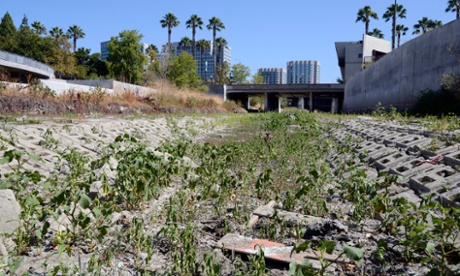
California represents the canary in the coalmine for climate change’s impact in the US. California has suffered a fourth year of a record-breaking drought impacting 97% of the state – and yet this extreme weather could become the new normal. Record-breaking low snow in the Sierras creates intensifying stress across industries and communities relying on the water that is typically stored, then released from high elevations to low.
Meanwhile, farmers relying on irrigation to grow most of the nation’s produce face water rationing in their region, thereby reducing their output; these conditions force many to leave the state all together. Ongoing rain shortages in California have left trees dead and dry – perfect tinder for wildfires – and create divides between wealthy neighborhoods and poorer ones when communities are asked to reduce water use.
Yet you believe California can lead the nation on climate change?
Absolutely – even as California becomes progressively parched, the state has passed stronger policies on climate change than any other state. California is pursuing aggressive environmental goals including reducing greenhouse gas emissions by 40% by 2030. One of the ways California will meet this goal is through a market-based cap-and-trade system for greenhouse gas emissions that sets a broad set of guardrails around the energy sector, allowing companies to find the lowest cost efficiencies and technologies to reduce the state’s carbon footprint.
Does the system work?
Yes. While cap-and-trade appears complex, the program cap now covers 85% of the state’s emissions and the state has $1.6bn in the bank – paid by carbon polluters. The state applies that money towards a Greenhouse Gas Reduction Fund; now $230m goes towards lower income communities suffering from the worst pollution. Most importantly, as of January 2015, emissions from capped entities are down 4%, making the state very confident it can reduce emissions to 1990 levels by 2020 – one of its key goals.
What other positive developments do you pin your hopes on?
President Barack Obama’s own plan for a national carbon cap-and-trade program imploded under the weight of partisan politics. So he used his executive authority to regulate emissions reductions via the Environmental Protection Agency (EPA). The recently adopted Clean Power Plan tasks individual states with cutting emissions and incentivizes investment in renewable energy. Republicans and coal industry lobbyists are rattling their swords in opposition, and lawsuits are expected from coal-dependent states.
California isn’t the sort of state to wait and see if a partisan government can reach a compromise. Its strong climate policies show the rest of the US a cost-effective roadmap for reducing emissions while creating jobs and growing the economy. Taking, improving and repeating California’s successes on a national level would bring a positive outcome and avoid this country becoming a backdrop in Hollywood’s latest dystopian action film.
Content on this page is brought to you by Ben & Jerry’s, sponsor of the Climate change: too hot to handle hub.