Prepare for the worst - it will probably happen soon. This was the message from a discussion on how not-for-profit organisations should plan for crisis situations and ensure they can continue operating after disaster strikes. The panel looked at some of the crisis situations engulfing large corporations - from Volkswagen’s rigged emissions tests to the Alton Towers crash, the BP oil spill and the 2008 financial meltdown.
Charities have found themselves mired in controversy recently, from the crisis from the closure of Kids Company to scandals over intrusive fundraising tactics and fatcat pay for charity bosses. But organisations have not always dealt with these situations skilfully, risking long-term damage to their operations and reputations. So how should charities and not-for-profits respond when a crisis blows up?
To discuss these issues, Grant Thornton brought together a panel of crisis management experts and senior not-for-profit figures along with an audience of board members, as part of their NFP Interchange programme, a forum for non-executive directors from not for profit organisations.
Dealing with a media storm
Oxfam chief executive, Mark Goldring, discussed some of the situations he had handled since taking the helm at charity in 2013. Oxfam was implicated in the scandal over aggressive fundraising methods earlier this year. Goldring said he feared moves to clamp down on fundraising techniques would hit charitable donations.

“If we can’t phone people in this way, if we can’t ask them for data when they send us a text and call them back, actually what is the next generation of fundraising going to look like? And I think that is a major challenge for us.” But he acknowledged that fundraising had overstepped the mark. “I think some charities including Oxfam have not done well enough,” he admitted.
On the issue of aggressive fundraising, Martyn Lewis, chairman of the National Council for Voluntary Organisations, thought there could be a silver lining since it would force charities to try and think of fundraising from the donor’s point of view. He spoke of one large charity that has lost £1m a month in donations after the scandal . “But it is a price worth paying to somehow reconnect trust with donors,” he said.
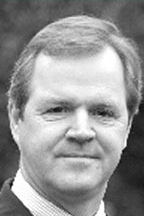
Charities have also been at the centre of a media storm over high executive pay, after it emerged that some chief executives were earning hundreds of thousands of pounds a year. Lewis – who had led a review of charities’ executive pay – told the discussion that he was disappointed that many charities ignored the review’s recommendations. Including that larger charities should list the highest-paid employees on their websites.
He said that only a handful of charities - including Oxfam and the British Heart Foundation - had followed the recommendations.
“When a crisis develops and a sensible response is then provided and sensible recommendations made, why is there no coming together of the individual organisations affected and why are they so content to keeping themselves open to being picked off by the media one by one, keeping this crisis in the public eye?” He thought charities needed to explain carefully to donors why they paid high salaries to top staff and confront the issues head on.
“Trustees have to stop ducking for cover when the issue of pay comes up. “Crisis, what crisis?” is no longer a good enough response when the entire sector is under attack,”Lewis added.
Keep pace with the unfolding situation
Speed is vital when managing an unfolding crisis. An organisation needs to get its point of view heard before unfavourable commentators, whether in the media or elsewhere, influence the debate. Steelhenge’s Dominic Cockram explained how one of his clients had reacted very quickly to a crisis : the chief executive was pulled out of a meeting within 25 minutes of the critical event occurring. But news of the crisis had appeared on Twitter within two minutes of its occurrence and was on BBC and Sky News shortly after.
A tactic which leaders often get wrong is how to frame an apology. Lawyers have long advised leaders to avoid apologising as they may incriminate their organisations or make a tacit acceptance of fault. But this has changed, according to Cockram: “Now most accept that you can apologise without accepting responsibility. It is very powerful, but if you try to avoid it, you’ve got a very very difficult job ahead of you.”
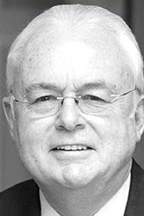
Organisations need to prepare for a crisis with detailed scenario planning, panellist Howell James, chief executive of Quiller Consultants, told the panel. He was permanent secretary for Government Communication in the Cabinet Office between 2004 - 2008 and dealt with communications after the 7/7 London tube bombings in 2005. Three months before the bombings, he had overseen a crisis scenario about electricity shortages related to the petrol crisis.
“The benefit on 7/7 was that different people in different organisations had had an opportunity to work with each other - allbeit on a different issue. Test yourself, however irrelevant,” he said.
Part of the preparations for a crisis should involve identifying all the key stakeholders who need to be kept informed and to make sure you have robust channels to get messages out to them, he said. And he added: “Build strong, practical engagement with the media, with politicians and with regulators in the good times, it will pay big dividends in the bad.”
The panel
Mark Goldring CBE - chief executive of Oxfam
Dominic Cockram - managing director of Steelhenge Consulting
Martyn Lewis CBE - Chairman of the National Council for Voluntary Organisations
Howell James CBE - chief executive of Quiller Consultants
Chair
Carol Rudge - head of Grant Thornton’s Not for Profit team.
Content on this page is paid for and provided by Grant Thornton, sponsor of the Guardian Society Professional’s Better Boards series.