

Ryan Bueter approaches live entertainment with a sense of responsibility that goes beyond performance. Through The Killer Dueling Pianos, he has built a dueling piano experience designed for corporate gatherings and private celebrations that emphasizes connection and shared energy. The concept centers on two piano players who sing, play, and invite guests into the experience through requests and participation, creating an atmosphere that feels responsive to the room itself.
For Bueter, The Killer Dueling Pianos serves as an extension of his story, carrying his musical roots, professional discipline, and belief that events are most memorable when people feel seen and included. "Music was just part of everyday life for me. I grew up in a house where instruments were always around, and people were always practicing. That environment taught me rhythm and expression long before I ever performed professionally," he shares. That early immersion fostered an instinctive approach to performance.
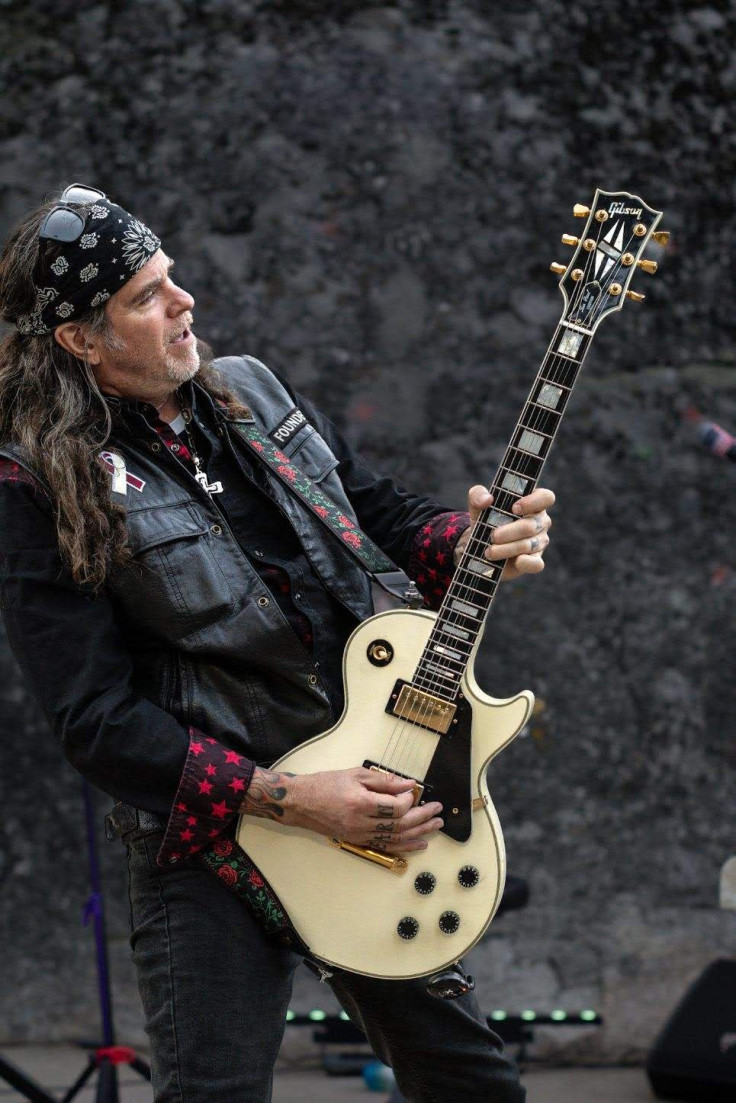
As his skills developed, Bueter sought out environments that challenged him to engage audiences more directly. Formal training refined his technical abilities, while years of performing in various settings offered lessons in reading a room and adjusting in real time. In the late 1990s, he encountered dueling pianos for the first time.
"Dueling pianos clicked with me right away. It blended real musicianship with conversation, humor, and the kind of back-and-forth that makes the whole room feel involved," Bueter remarks. "It didn't feel like a performance being delivered to people. It felt like a shared moment, and that's always been the way I connect best on stage."
In 2001, his involvement deepened when he took on leadership responsibilities as the musical director at a piano bar in Baltimore, Maryland. That role expanded his understanding of how consistency, preparation, and flexibility intersect in live entertainment. Bueter says, "Those years taught me a lot. Managing performers, shaping the flow of a night, and adjusting to all kinds of crowds showed me how important it is to have structure while still leaving space for real spontaneity." Essentially, they clarified his vision for a version of dueling pianos that felt dynamic and personal, where performers move through the audience and build rapport through conversation and participation.
Life experiences during that period also prompted reflection and change. A personal turning point in 2005 encouraged Bueter to reassess his priorities and direction. Music remained central, although his relationship to it matured into something more intentional. When he returned fully to performing the following year, the focus shifted toward creating a sustainable business built on trust and accountability. The Killer Dueling Pianos emerged from that mindset.
"I wanted to introduce a high-energy, rock-and-roll party feel to dueling pianos that I felt was missing in many other shows," Bueter says. "I didn't want to be like everybody else. I wanted a dueling pianos show that belonged in arenas, but could still cater to the smallest of private events." His ability to read a room and respond to song requests, especially alongside his show partner Donny Scott, helped shape a performance style that audiences may experience as unusually dynamic and skillful within the genre. When Bueter started the company and presented his "Skull Logo", he received heavy criticism from his peers, many saying that his logo alone would scare people off. That's when Bueter realized he was on the right path to success, and being different while staying true to himself paid off.
From the beginning, The Killer Dueling Pianos emphasized adaptability. Shows are shaped around the preferences of the people who hired the performers, whether the setting is a corporate event, a private celebration, or a fundraising gathering. Requests guide the music, and interaction guides the pacing. Performers engage directly with guests, inviting participation. Over time, the company expanded its roster to include performers trained in that same philosophy, allowing events to maintain consistency even when Bueter himself is not on stage.
Managing a national operation while remaining creatively involved requires balance. Bueter continues to perform regularly while overseeing logistics, talent development, and client relationships. "Whenever I can't be at an event myself, we have incredibly talented performers who step in and bring the same level of engagement and professionalism," he states. The business travels wherever it is invited, adapting to venues of varying scale while preserving its interactive identity.
The company's schedule reflects that growth and reach. Upcoming appearances include a high-energy show at Eagle Mountain Casino in Porterville, California; a return performance for the Children's Learning Center fundraiser in Jackson Hole, Wyoming; and a rock‑driven Valentine's event at Potosi Live in Abilene, Texas. Several additional private and public events fill the calendar between these anchor dates, demonstrating the ongoing demand for the show's interactive style.

Health challenges in recent years added another layer to his perspective. A throat cancer diagnosis required him to pause performing and focus on treatment and recovery. During that period away from the stage, acceptance shaped his outlook. He returned to performing with a renewed sense of purpose, viewing each event as an opportunity to contribute something positive to others' milestones. That experience also inspired plans for a nonprofit initiative, Ryan's Rockstars, intended to support children facing serious illness through meaningful experiences. The foundation reflects Bueter's belief that music and generosity can coexist within the same mission.
In many ways, The Killer Dueling Pianos serves as a reflection of its founder, with Bueter's history, values, and resilience woven into every performance. That foundation shapes an experience built to bring people together, offering event planners entertainment that feels attentive and adaptable. As the company grows, it continues to explore opportunities in larger venues and a wider range of private events, while remaining open to taking its interactive approach beyond national borders.






.png?w=600)




