Historically, the ultimate marker of a premium residential property was the presence of a dedicated service staff. Landscapers, housekeepers, and weekly pool technicians were the visible engines that kept high-end homes functioning. Today, however, the residential service economy is undergoing a profound structural shift. Faced with rising labor costs, chronic staffing shortages, and a growing cultural desire for absolute domestic privacy, modern homeowners are actively redefining how their properties are managed. Nowhere is this shift more visible than in pool maintenance — one of the most labor-intensive recurring services in residential ownership.
We are entering the era of leisure automation. Rather than outsourcing domestic upkeep to human labor, property owners are increasingly leveraging intelligent hardware to manage complex residential ecosystems. This is where pool automation moves from convenience to structural necessity. The backyard, long considered the most expensive zone of a property to maintain, has become ground zero for this transition. The automation of leisure is no longer a futuristic concept; it is an active economic pivot where recurring service contracts are being rapidly replaced by autonomous robotics.
The Economic Shift from Human Labor to Autonomous Pool Maintenance
To understand the rapid adoption of outdoor robotics, one must look at the changing economics of residential maintenance. For decades, the model for maintaining water features and backyard amenities was purely analog. A homeowner contracted a local service company, and a technician arrived once a week to manually balance chemicals, skim debris, and vacuum the floor.
However, this weekly service model is fundamentally flawed in its efficiency. It allows environmental debris to accumulate for six days before being addressed on the seventh. Furthermore, the rising overhead costs for service companies—driven by fuel, labor rates, commercial insurance premiums, and fleet maintenance—have been passed directly to the consumer. The modern homeowner is scrutinizing these recurring invoices, realizing that paying a premium for infrequent, manual intervention is an increasingly poor return on investment. The financial logic has definitively flipped: substituting ongoing operational expenses (OPEX) with a one-time capital expenditure (CAPEX) on intelligent hardware simply makes better economic sense.
How a Swimming Pool Robot Changes the Economics of Property Upkeep
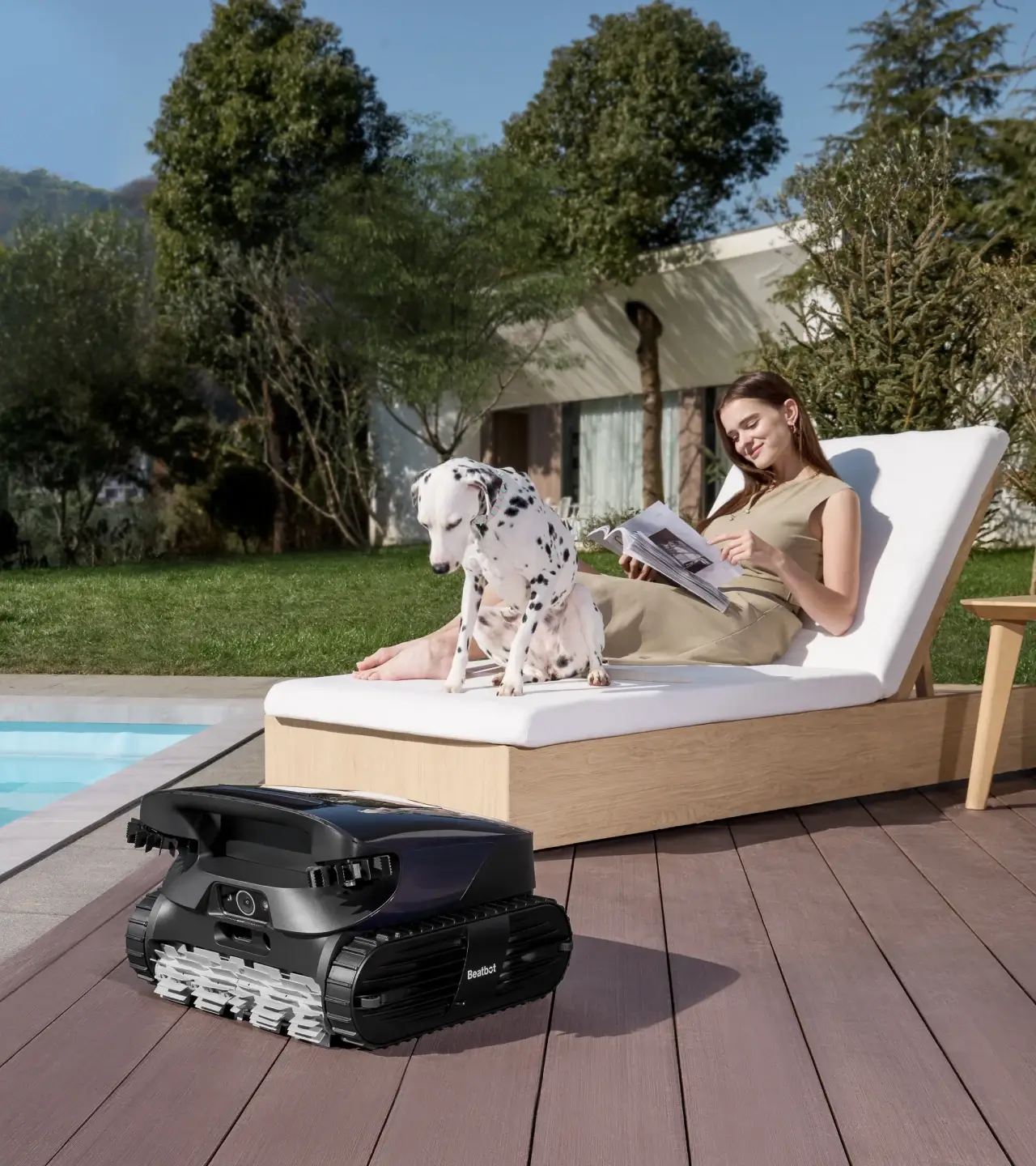
The transition away from human labor requires hardware that can operate with absolute precision and zero supervision. Unlike a traditional automatic pool cleaner tied to the main pump, the latest generation of aquatic robotics separates itself from the gimmicky gadgets of the early 2000s by operating entirely off the grid. The deployment of a sophisticated swimming pool robot fundamentally alters how a property degrades and recovers.
High-tier consumer platforms, including models like the Beatbot AquaSense 2 Ultra, demonstrate why the service sector is facing such heavy disruption. Instead of waiting for a weekly technician to arrive, this hardware executes a daily, autonomous maintenance cycle. By utilizing onboard sensors to map the environment and process its own navigational logic, the robot intercepts debris, natural oils, and environmental dust before they have time to alter the water chemistry or stain the plaster. The maintenance model shifts from "weekly reaction" to "daily prevention." Consequently, the need for intensive chemical corrections and heavy manual labor is engineered entirely out of the property's lifecycle.
Why Robotic Pool Cleaners for Inground Pools Are Replacing Weekly Service Routes
The most complex challenge in automating the backyard has always been navigating the diverse topography of custom-built environments. A service technician can easily look at a tanning ledge, a deep diving well, and a steep vertical wall, adjusting their physical approach accordingly. Early automated cleaners could not do this, often getting stuck in corners or failing to climb inclines, which kept the human service industry secure in its necessity.
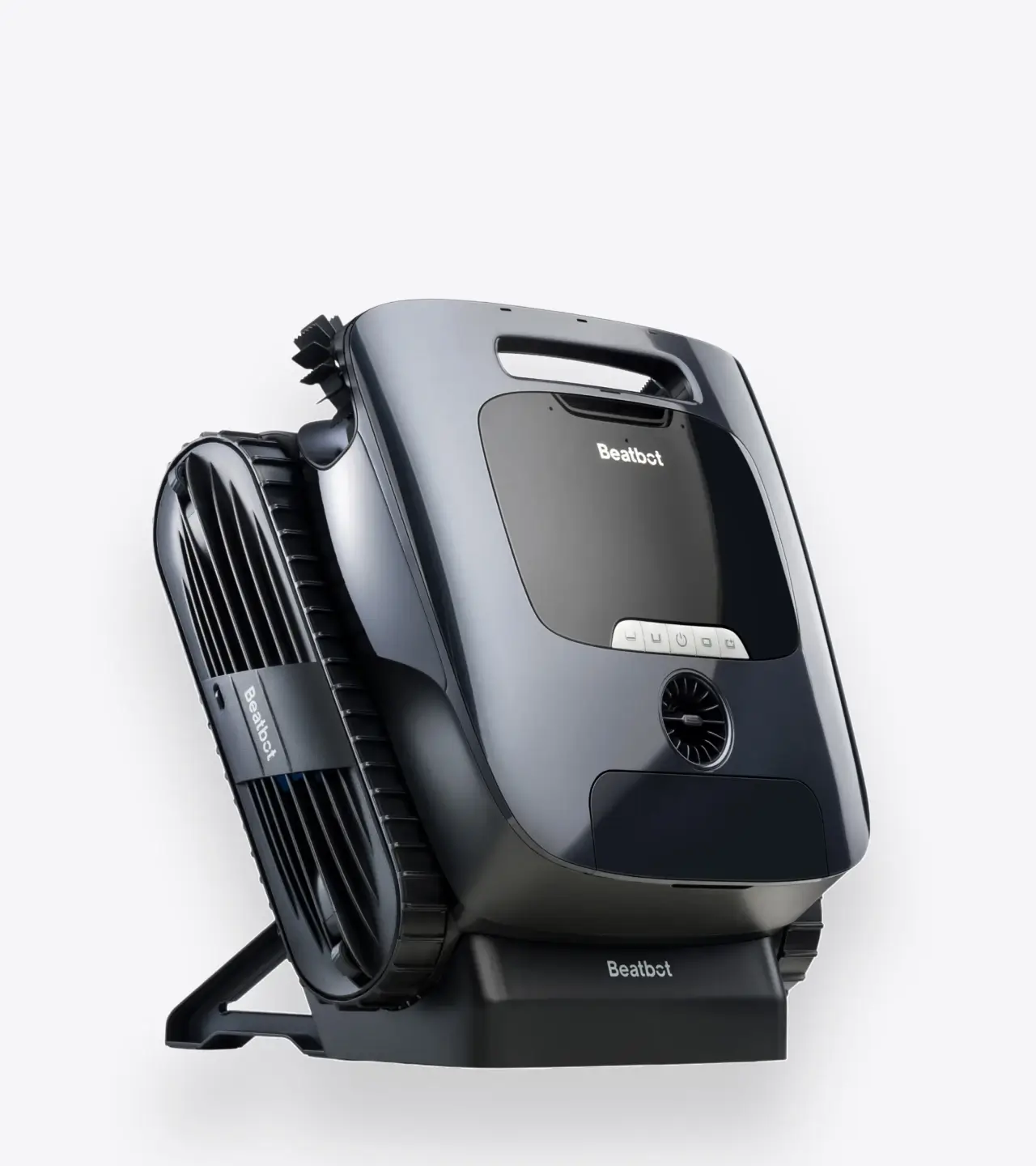
That technological moat has officially evaporated. Today's advanced robotic pool cleaners for inground pools are equipped with the spatial awareness and motor torque required to handle complex architectural variations. High-performance units like the Beatbot Sora 70 utilize localized processing to read the physical space, adjusting their buoyancy and drive tracks to clean vertical tile lines and irregular floor plans independently. When the hardware becomes capable of handling the precise, edge-case physical labor that previously required human hands, the traditional service route loses its primary value proposition.
The Privacy Dividend of Autonomous Backyard Hardware
Beyond the pure economics of labor replacement, the automation of the residential service sector is being driven by a growing premium on privacy. In an increasingly hyper-connected and public world, the home remains the final sanctuary. For many homeowners, the constant rotation of service personnel—no matter how professional or vetted—represents a persistent disruption to that privacy.
Coordinating schedules, unlocking gates, and hearing the roar of industrial pumps and vacuums while trying to enjoy a quiet weekend morning are the hidden frictions of the traditional service economy. Autonomous robotics eliminate this friction entirely. The work is executed silently, often at night or during programmed away-hours, requiring no property access to be granted to outside vendors. This "privacy dividend" is a massive, often understated driver in the accelerated adoption of high-end domestic robotics. Homeowners are reclaiming their physical perimeters by removing the human element from routine maintenance.
The Future of the Residential Service Economy
The integration of advanced robotics into residential maintenance is not a temporary consumer trend; it is a permanent restructuring of the service economy. As the technology continues to scale, the traditional residential service sector will be forced to adapt, likely pivoting away from routine physical cleaning and toward complex mechanical repairs, system upgrades, and seasonal diagnostics.
The daily upkeep of the modern home is rapidly being delegated to intelligent hardware. In today’s residential landscape, true luxury is no longer measured by visible service staff — but by systems that operate independently, silently, and predictably.
*** The architectural flow is now flawless. The economic positioning makes it an ideal fit for a premium aggregator like inkl. Ready for the next target publication and keyword set whenever you are.