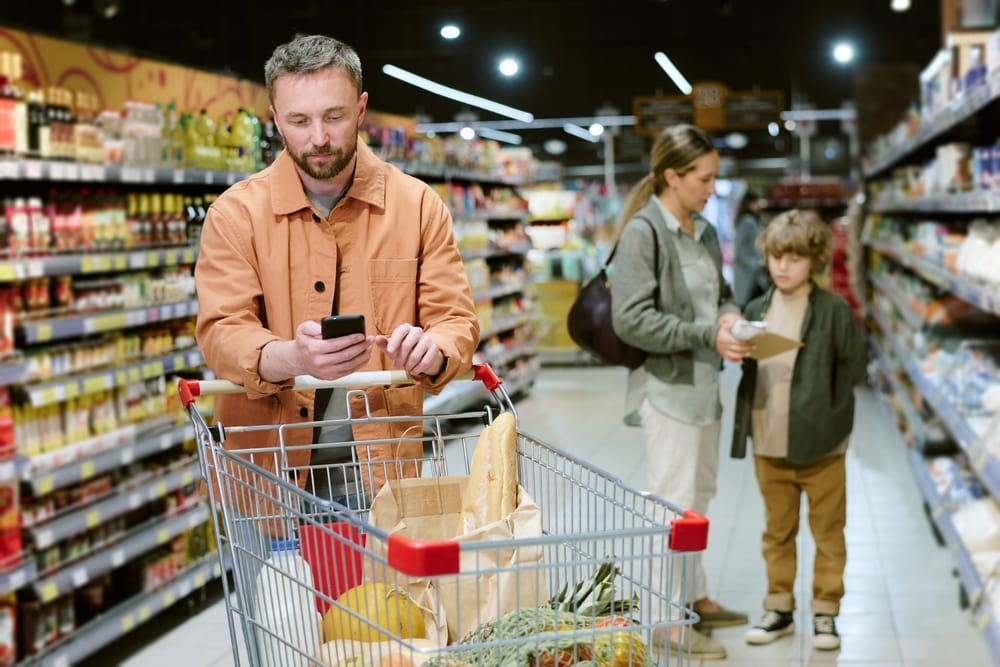
Grocery shopping feels routine, almost mechanical, yet it unfolds inside a space engineered to influence every decision. Product placement works in the background, shaping choices before shoppers register the pull. The layout pushes certain items forward while burying others. Small, repeated cues accumulate until a cart fills with things that were never on the list. This matters because those cues affect spending, diet, and how brands compete for attention. Product placement operates quietly, but its impact lands loud in the checkout total.
1. Eye-Level Shelves Drive Fast Decisions
Eye-level space sells more because it shortens the mental steps between seeing an item and reaching for it. Shoppers rely on quick judgments when scanning the aisle. Product placement at this height reduces friction and rewards the brands that pay for it. The result is a shelf that feels neutral but carries an economic story about who can afford the most visible real estate.
Brands that sit lower or higher on the shelf face a tougher fight. Their packaging has to work harder, and their price has to pull more weight. And the shopper, moving quickly, rarely pauses long enough to realize how much the layout dictates the choice.
2. Endcaps Push Nonessential Purchases
Endcaps look like a convenience feature. They are not. They are high-traffic billboards built to interrupt the mental flow of a shopping trip. Product placement here turns everyday items into impulse triggers, even when the discount seems slight or nonexistent. The visibility alone drives a surge in sales.
Endcaps often feature new products, seasonal goods, or items with strong brand deals behind them. Shoppers assume the placement signals value. It usually signals marketing money instead. The difference matters when budgets stretch thin, and small assumptions add up to bigger receipts.
3. Store Brands Sit Beside Name Brands for a Reason
Placing store brands next to name brands creates a silent comparison. Shoppers see two versions of the same item and often reach for the cheaper one. Product placement sets up that contrast and leverages the trust built by years of seeing name brands dominate the aisle.
It feels like a democratic layout. In reality, it is a strategy to boost store profits using controlled positioning. The store saves on marketing costs and still wins the sale through the power of proximity.
4. Kids’ Products Sit Low for Maximum Reach
Grocery aisles target adults at eye level, but they target children at knee level. Boxes with bright characters and sugar-heavy contents sit exactly where small hands land. Product placement here speaks directly to kids, bypassing any attempt at parental planning.
Parents face a familiar scenario: a child grabs something colorful, pleads for it, and derails the original plan. The placement makes that moment predictable. It also makes it profitable for brands that build products around attention rather than nutrition.
5. Fresh Goods Lead You Into the Store
Most grocery stores push shoppers through the produce section first. The freshness sets a tone of health and intention. It encourages lingering. Product placement in this area primes shoppers for a longer trip, softening defenses before they reach pricier or more processed items farther in the layout.
Seeing bright produce under warm lighting creates a sense of abundance. That feeling carries forward, making shoppers more likely to pick up items they did not plan to buy. The layout choreographs a mental shift from discipline to permission.
6. Staples Hide in the Back
Items that anchor weekly routines—milk, bread, eggs—sit far from the entrance. Stores want shoppers to pass dozens of tempting displays before reaching essentials. Product placement here turns a basic errand into an extended promotional tour.
The long walk means more decisions, more glances, and more moments when an item leaps from shelf to cart simply because it’s in the way. The layout trades convenience for exposure, and shoppers carry the cost of that detour.
7. Checkout Lanes Trigger Last-Minute Choices
Checkout lanes operate like a final test of restraint. Candy, magazines, and small electronics line the narrow path to the register. These items rely on split-second impulses and the fatigue that settles in after a long trip through the store. Product placement here captures that depleted focus.
Shoppers waiting in line often feel trapped with the display. The sense of idling encourages quick choices. It also creates a moment where small indulgences feel justified, even if they push the total higher.
The Quiet Power Behind the Aisles
Every aisle broadcasts silent directives. Product placement works because shoppers want efficiency, not examination. The path through the store uses that instinct to shape decisions in predictable ways. Seeing these patterns clearly changes how a trip feels. It slows the influence.
Small shifts—reading shelves more deliberately, breaking routines, ignoring endcaps—pull some of that power back. The store still sets the stage, but shoppers can choose how much they follow the script.
How does product placement shape your own grocery habits?
What to Read Next…
- 10 Ways Supermarkets Influence Your Spending And How To Outsmart Them
- How Grocery Stores Entice You To Try New Products And How To Avoid Unnecessary Purchases
- 9 Ways Grocery Stores Trick You Into Spending More
- How Grocery Stores Use Smell To Trick You Into Spending More
- 7 Grocery Store Breads That Are Baked From Dough Shipped Frozen Months Ago
The post How Product Placement Quietly Dictates What You Buy appeared first on Grocery Coupon Guide.