
What Types of Pets Are Best for Children With Autism?
Choosing the right pet for a child with autism involves careful consideration of the child’s sensory preferences, social comfort level, and family lifestyle. Though no pet is better than another, it’s important to be intentional about the type of animal.
Dogs: Loyal Companions with Therapeutic Potential
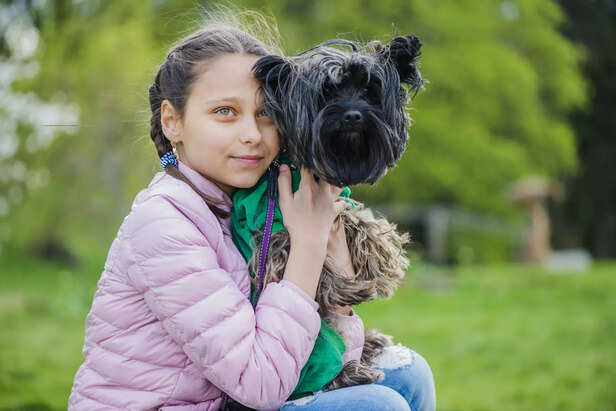
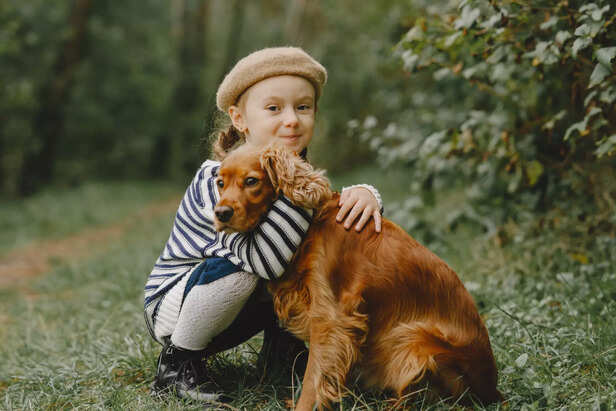
Dogs remain one of the most popular choices for families with children on the autism spectrum, and for good reason. Studies indicate that dog-assisted therapy has a positive impact on communication and social interaction for children and adolescents diagnosed with autism. The dog often serves as a communication facilitator and reinforcer, naturally capturing and maintaining a child’s attention. Golden retrievers and Labradors are particularly popular choices for children with autism. These breeds are known for their gentle temperament, patience, and ability to bond closely with their owners tend to work well. However, if your child is prone to sudden movements or tail pulling, an adult dog might be more appropriate than a puppy.
Pros:
- Strong emotional bonding potential
- Can be trained for specific support tasks
- Encourage outdoor activity and exercise
- Natural conversation starters that support social interaction
Cons:
- Require significant daily care and exercise
- Can be overwhelming for children sensitive to barking or sudden movements
- Higher maintenance and veterinary costs
- May trigger allergies in some children
Cats: Gentle and Less Intrusive Companions
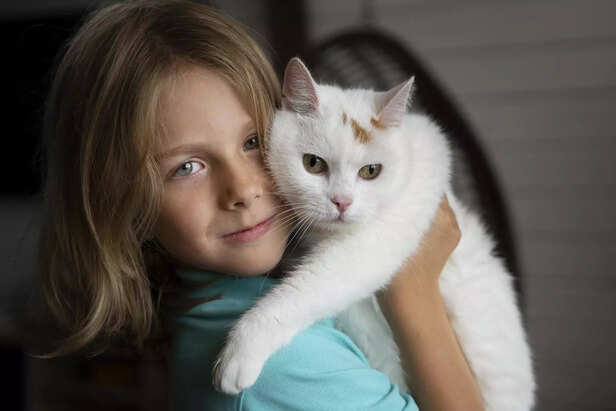
There is some evidence that children on the spectrum prefer the company of cats to dogs, as cats have a “less intrusive” gaze. Contrary to dogs, who have an intense stare, cats tend to quickly avert their gaze. This may feel more comfortable for autistic children who struggle with eye contact. Cats offer a naturally calming presence and are well-suited for children with sensory sensitivities. Their purring can provide soothing sensory input, while their independent nature makes them less demanding than dogs. Despite this, they still provide meaningful companionship.
Pros:
- Lower maintenance than dog
- Gentle, soothing presence
Less intrusive interaction style
Good for children who struggle with direct eye contact
Cons:
- May not provide the same level of interactive engagement as dogs
- Scratching behavior could be concerning for some children
- Litter box maintenance required
- Some children may be allergic to cat dander
Small Mammals: Manageable and Gentle
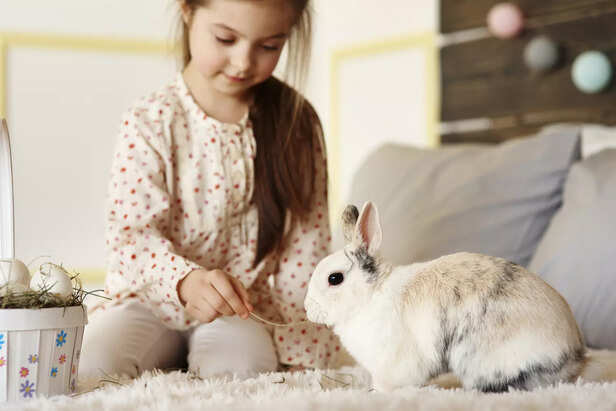
Guinea pigs, rabbits, and similar small mammals are excellent for helping autistic children with their social and emotional development. Guinea pigs are known for their docile and sociable nature, making them excellent companions for children with autism. These smaller pets offer many benefits of animal companionship while being more manageable for families new to pet ownership. They’re gentle, rarely bite, and can provide tactile comfort through careful handling and petting.
Pros:
- Smaller size feels less overwhelming
- Generally gentle and calm temperaments
- Lower cost and space requirements
- Provide an opportunity to research care needs
Cons:
- Shorter lifespans may lead to earlier grief experiences
- Require specific habitat setups and maintenance
- May not provide the same level of interactive play as larger animals
- Can be fragile and require careful handling
Reptiles and Aquatic Animals: Calm and Predictable
For children who prefer quieter, more predictable companions, reptiles like bearded dragons or geckos, and aquatic animals like fish, might be the best choice. Watching fish swim has been shown to reduce stress and provide calming sensory input.
Pros:
- Very predictable behavior patterns
- Quiet and non-intrusive
- Can provide visual sensory input without demands for interaction
- Lower daily maintenance once the habitat is established
Cons:
- Limited opportunities for tactile interaction
- Require specific environmental controls (temperature, humidity, water quality)
- May not provide the emotional bonding opportunities of mammals
- Initial setup costs and ongoing dietary/lighting requirements can be significant
Celebrate the bond with your pets, explore Health & Nutrition, discover Breeds, master Training Tips, Behavior Decoder, and set out on exciting Travel Tails with Times Pets!
Frequently asked questions (FAQs)
-
How do pets help children with autism at home ?
Pets provide emotional comfort, reduce anxiety, and create a sense of routine. Their unconditional love helps children with autism feel safe, while daily pet care encourages responsibility and structure.
-
Can pets improve social skills in autistic children ?
Yes, Interacting with pets can improve communication skills, eye contact, and empathy. Children often find it easier to connect with animals, which can later help them build confidence in human relationships.
-
Is pet ownership safe for children with autism ?
With proper supervision and choosing the right pet, it can be very safe and beneficial. Teaching boundaries and gentle interaction ensures a positive relationship for both the child and the animal.