Outside the pool, Australian water polo all-rounder Tilly Kearns chronicled a steady stream of warm fuzzy moments at the 2024 Paris Olympics - but she also saw social media's dark side.
Her combined TikTok and Instagram audiences, which grew beyond half a million people, delighted in her behind-the-scenes reels - from Pacific islanders singing, impromptu dancing, to a triumphant homecoming at the athletes' village with teammates leaping out of a golf buggy with their silver medals.
"It's more than just standing on the podium or in the pool. It's those raw moments, and I think they're the most powerful," Kearns told AAP from Barcelona.
"It's what keeps us playing sport. It's not about the game always."
But the 25-year-old also experienced the unpleasant side of social media when an old Instagram video about scratch marks from a practice match was misinterpreted and went viral in China.
"It just resurfaced, and I was like, 'Oh my god, what is happening?'" she said.
"I turned comments off on one post, and then as soon as I turned those comments off, they just went to the next post and started abusing and harassing me there."
Kearns' experience is far from unique.

A Deakin University study found nine out of 10 elite Australian sportswomen have experienced online harm, ranging from personal insults to hate speech and unwanted sexualised comments about photos.
In Paris, the International Olympic Committee deployed AI to keep athletes and officials safe.
The opt-in system monitored 20,000 social media account handles, trawling through 2.4 million posts and flagged 152,000 potentially abusive posts for human review.
More than 10,000 posts were reported to social media platforms for breaching community standards.
Police also investigated online death threats against athletes and officials.
The IOC's director of health and former Canadian Olympic rower, Dr Jane Thornton, said she had seen more athletes "coming to me with mental health issues" as a result of the uptick in online abuse in recent years.
The Paris Games had a special Mind Zone centre where athletes could access counselling. This will be expanded to six centres at the 2026 Winter Olympics.
With Thursday marking 50 days to go until the Milano Cortina Games, Australia's winter athletes are weighing up whether it is worth being active on social media during the event.
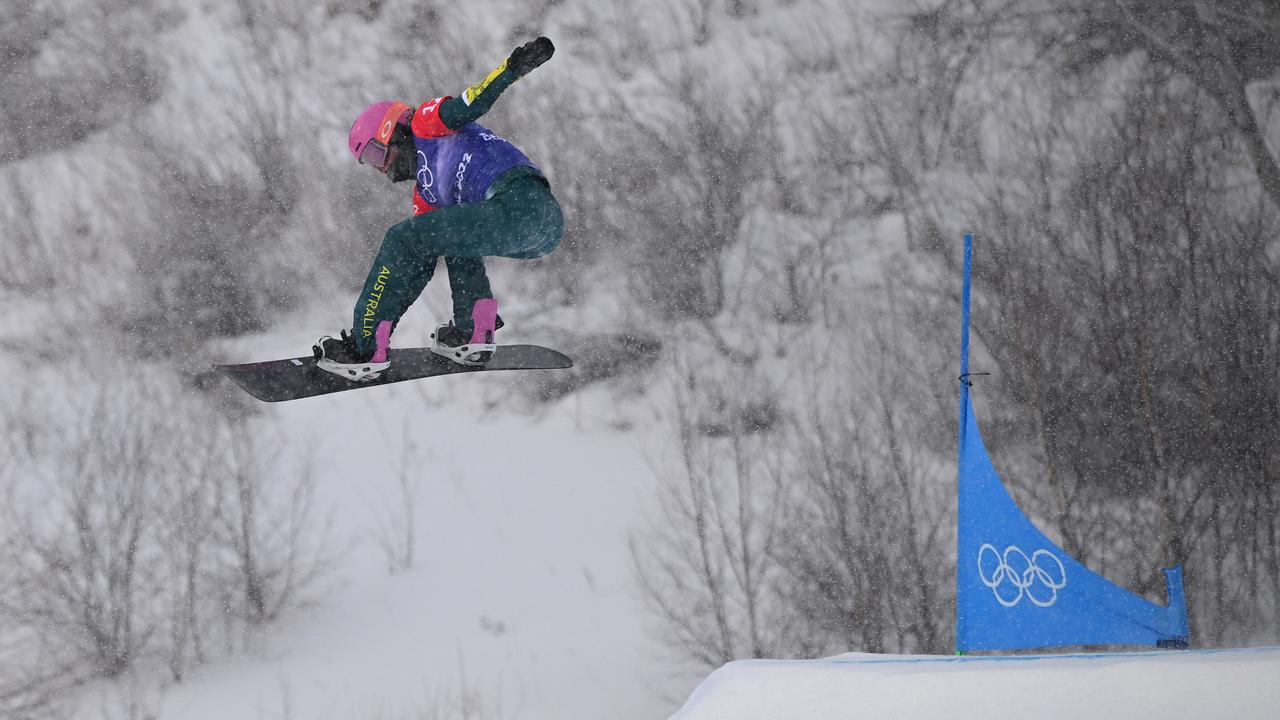
Snowboarder Josie Baff, 22, who made her Olympic debut in 2022 in Beijing, plans to take a break from social media in Italy to focus on her performance.
"I just don't want to be worried or thinking about what I am posting ... I just don't want to have the distraction," she said from a training camp at Pitztal in Austria.
Baff acknowledged it was increasingly important for athletes to have a social media presence because it can open up doors to sponsorships - she has a partnership with an activewear company.
"Very short, quick videos of unboxing of uniforms will perform really well," she said.
Three-time Winter Olympian Cam Bolton, 35, has a small social media following of mostly family, friends and people in the snowboarding community.
He will continue to post sporadically.
"I have a solid understanding that if people who I don't know, or don't know really anything about me are making comments or saying stuff, I think that it's something that I can ... just let go off my back," he said.
Australia's Winter Olympic team chef de mission Alisa Camplin said there was no one-size-fits-all approach when it came to athletes and social media use during the games.
"Every personality is different, so you really have to stick with what is good for you, what's feeling right," she said.
Cyber-safety education and teaching athletes to tune into themselves and strike a balance between social media, preserving energy and good-quality rest have been a focus, Camplin added.
When she won gold in aerial skiing at the 2002 Winter Olympics, Camplin sought to minimise all distractions.
She even banned family and friends from coming to Salt Lake City, although her mother and sister secretly made the trip and hid in the crowd.
"I really focused on what was happening inside the fence," Camplin said.
"I kept thinking, I know what's in my field of play. I've got snow, I've got jumps. I know what I do in this arena.
"I knew where the bounds of my bubble needed to start and stop so I could feel regulated, comfortable and not distracted. You need to do the same today as an athlete."
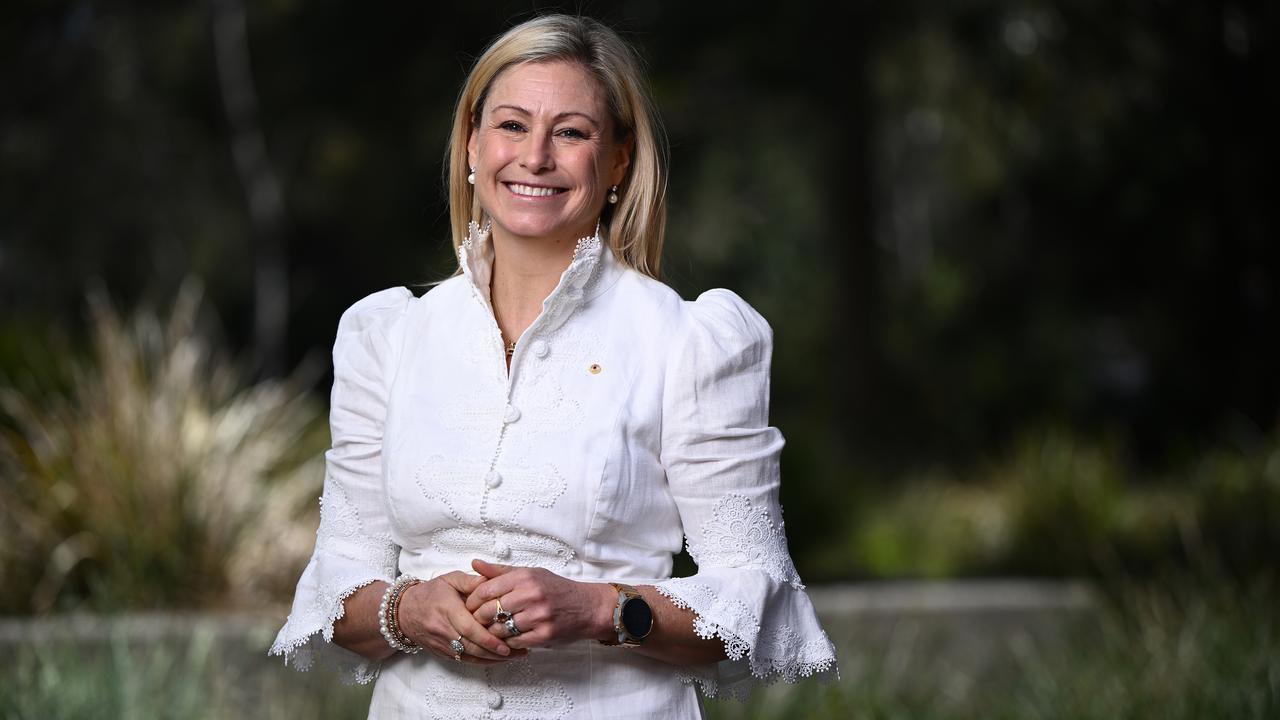
Bolton urges sports fans to be thoughtful in their social media interactions with Olympians.
"We as athletes would just hope that everyone ... treats us as regular people who are just pouring their hearts and souls into their pursuit of their sport ... trying to bring glory back to Australia," he said.
"We are just normal people... (treat us) the same way you'd speak to someone that you met in the street."

Despite the brief trolling drama in Paris, Kearns - who in August signed with Spanish powerhouse club CN Mataro after playing US college water polo for the University of Southern California - is adamant she won't be silenced online.
Posting brings her immense joy. She loves how youngsters can find role models on social media and learn about pathways in elite sport.
"People want to know the stories of the athletes, and social media makes that really easy to do because you can follow them for their whole journey, instead of just chiming in for the two weeks of the Olympics," Kearns said.
"It just makes people feel like they're a part of something."