
Starting a new garden or even adding more plants to a pre-existing one can feel pretty daunting, but mastering the basics makes it all that much easier. One of these basics is learning how to care for seedlings and knowing how much water they need in their early days.
When it comes to gardening, knowing how to water garden plants properly is a top priority and one that changes depending on the plant. It's not just the species but also how far along it is in its growing process and whether it's established yet. Seedlings are, of course, young plants which are more vulnerable to damage or ill health, so their watering needs have to be met correctly.
To make sure your seedlings thrive and grow to become established, here's what the experts recommend when it comes to their watering routine.
How often should you water seedlings?
If you're trying to transform your garden on a budget, you might be looking to add some new plants to your space. To save money on your garden costs, growing them from seeds is the cheapest option, but you need to ensure you know how to raise young plants.
"There are so many factors which will affect how often you need to water them – from how old they are, what type they are, where they are growing, etc., that you shouldn’t have a regular watering schedule," states Lucie Bradley, gardening expert at Easy Garden Irrigation.
"When plants are this young, they are very vulnerable to both over- and under-watering, so you should monitor the moisture in the compost and use this as your guide to tell you when you need to water again."
"Ideally, check the compost daily - first thing in the morning - and if the compost feels dry, then it’s time to water. However, if it’s still moist, test it again the following day," she continues.
Do seedlings need watering every day?
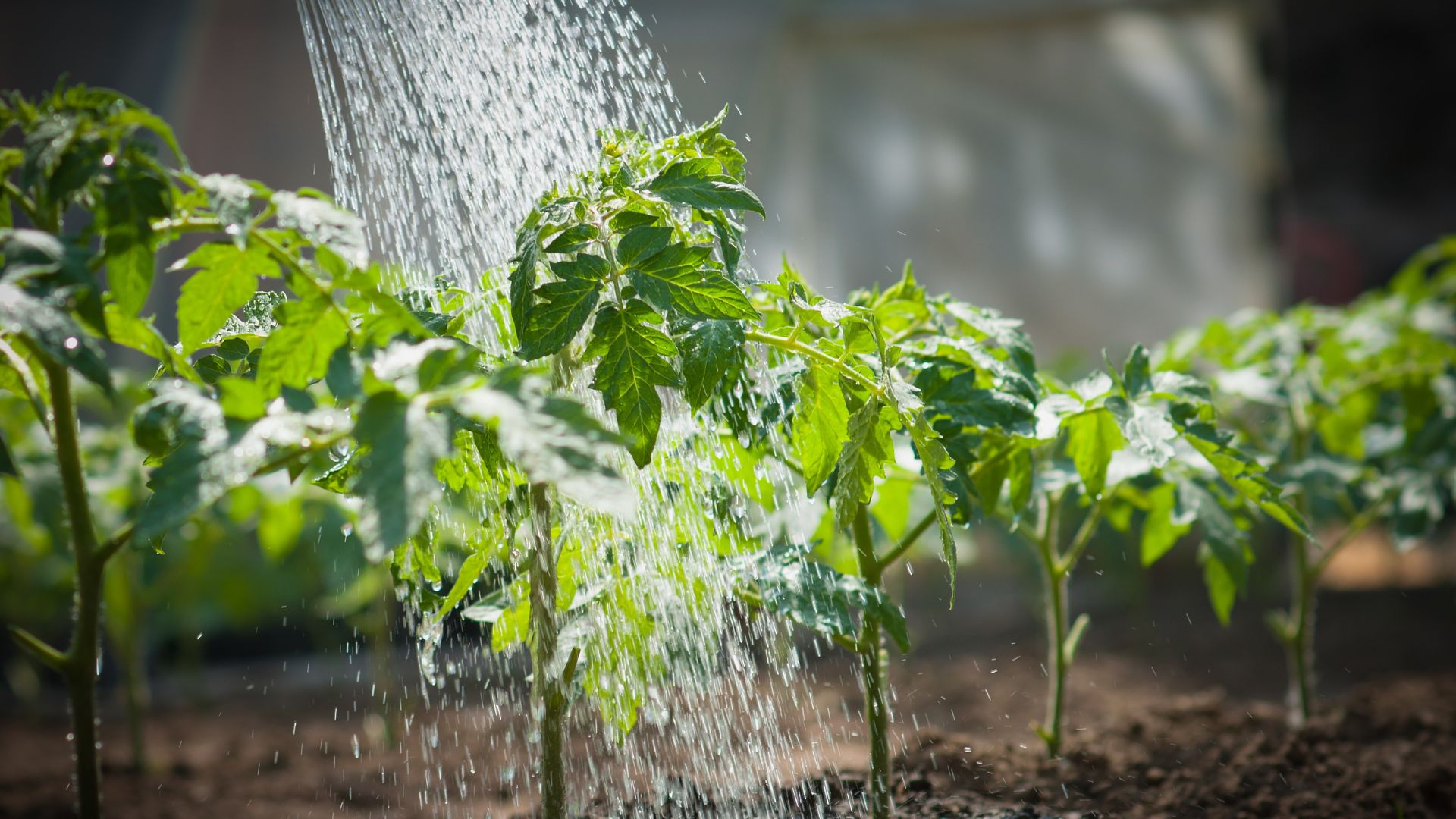
In the same way outdoor plants need to be watered more often in hot weather, seedlings require frequent watering as their root systems are underdeveloped.
"You may find that as your seedlings start to grow, they may need more frequent watering than if they were mature plants, and this often means that they need watering daily," says Lucie.
"The reason for this is that young seedlings are just developing root systems, so they need to be kept consistently moist to thrive. Whereas mature plants, with developed root systems, can store more water, so they can wait longer for you to water them," she continues.
The long, thin spout on this watering can makes it easy to get a good pour into any of my plant pots, and the spray bottle is a priceless addition for seedling watering.
Can you water seedlings too much?
Although seedlings do tend to need more watering, you still need to be careful not to overwater them. As mentioned previously, they're incredibly fragile at this stage, so any stress on the plant can kill it.
"It is possible to water seedlings too much, as their soil should be kept moist but not waterlogged. Overwatering can cause what is known as 'damping off', a fungal disease that makes seedlings collapse and rot," explains Richard Barker, horticulture expert and Commercial Director at LBS Horticulture.
How much water should a seedling get?
To make sure you don't overwater, it's important to know how much each seedling actually needs.
"There is no hard and fast rule as to how much you should water seedlings, as there are so many variables which can affect this - the type of seedlings, how small or large they are, the temperature they are growing in, etc.," starts Lucie.
"So rather than having a schedule, it’s better to check the compost daily, which your seedlings are growing in - if you push down on the surface or insert your finger and it’s moist, then you don’t need to water. If it feels dry, it’s time to water," she continues.
This test is also helpful for patio container plants and seeing whether they need watering.
"What you are likely to find is that the frequency of watering will change as your seedlings grow or are moved into different environments, for example, taken out of a propagator, or being potted on," adds Lucie.
"When you water, it’s best to do so in the morning, so that if the stems or leaves of the seedlings get wet - for example, if you use a mister to supply water - then they have time to absorb the moisture during the day," she finishes.
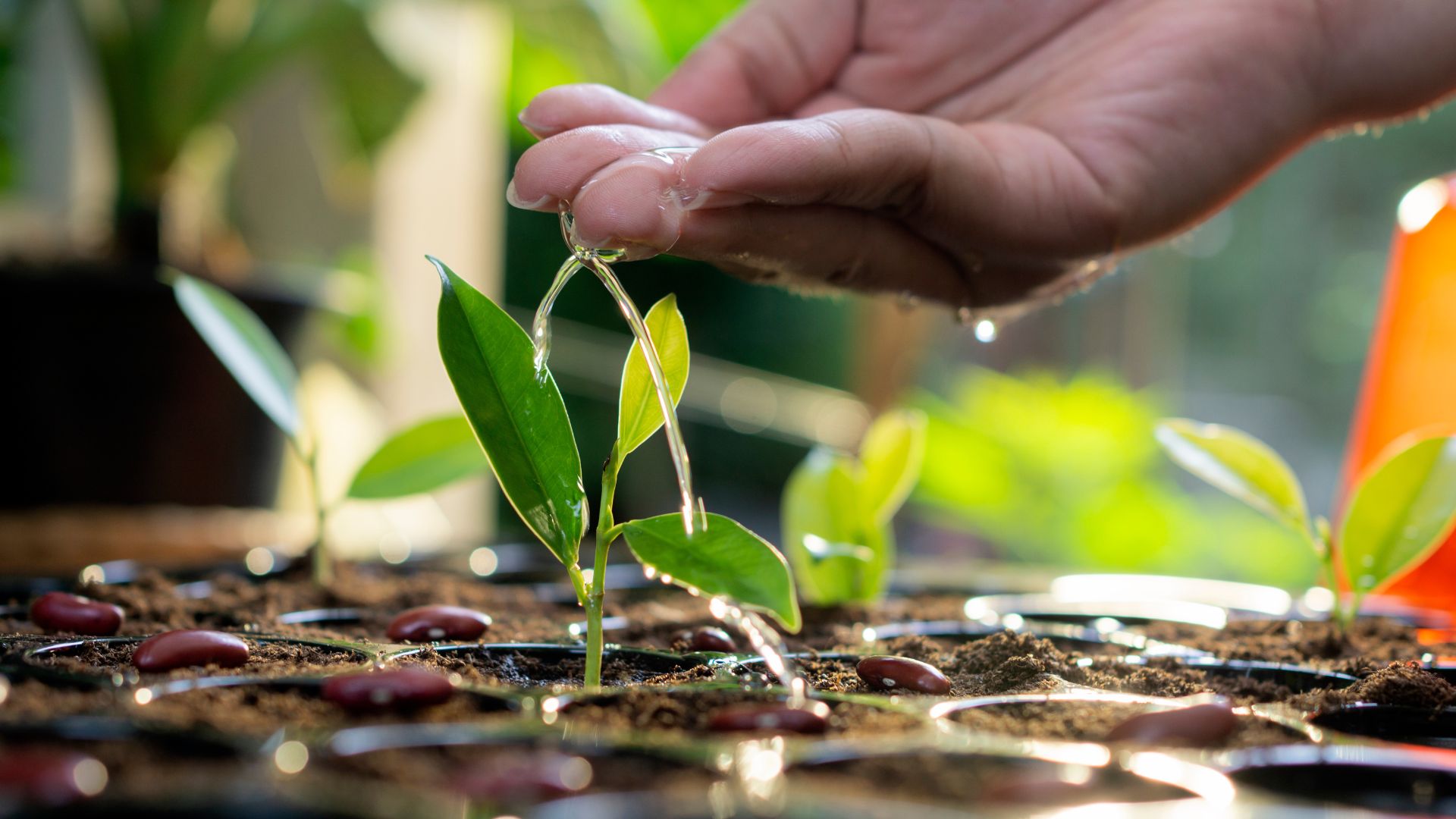
If you're looking to sort your garden out and breathe a little more life into it, then adding new plants is certainly the way to go. From late summer flowers to edible plants you can grow in pots, there's so much you can fill your outdoor space with.