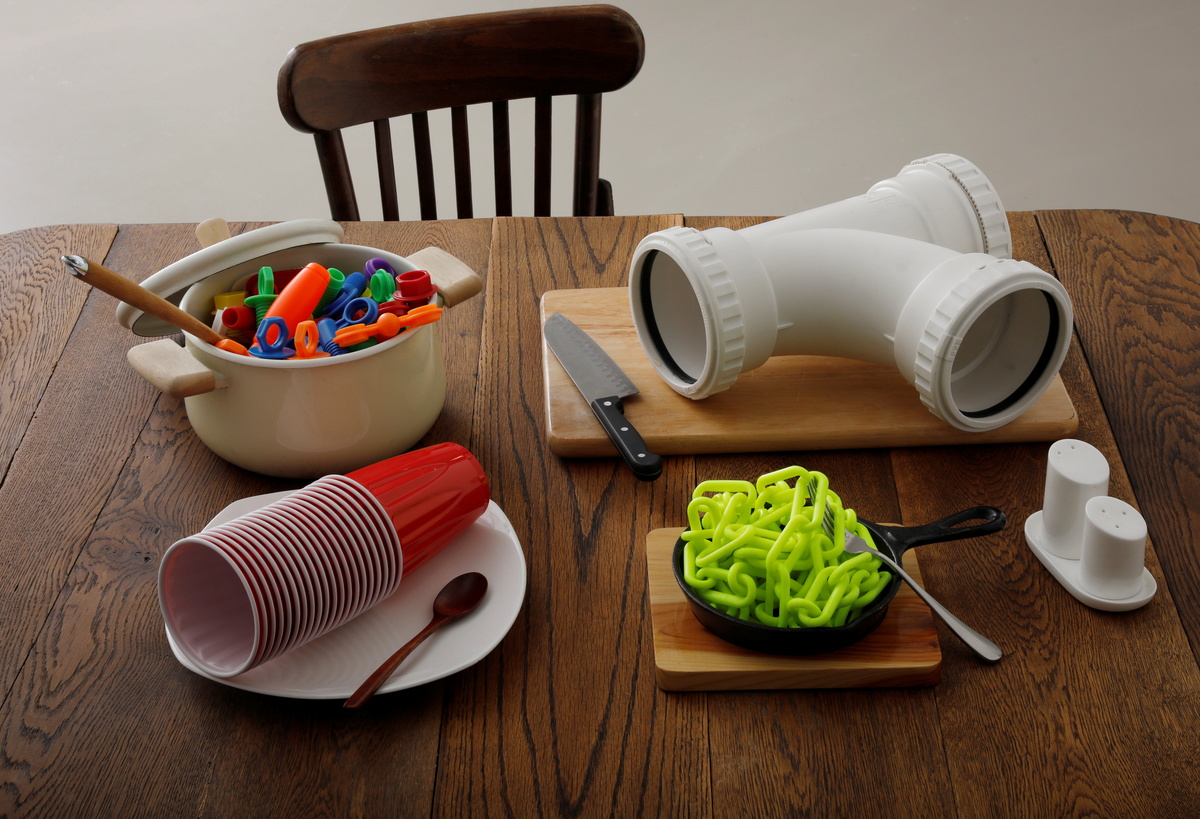
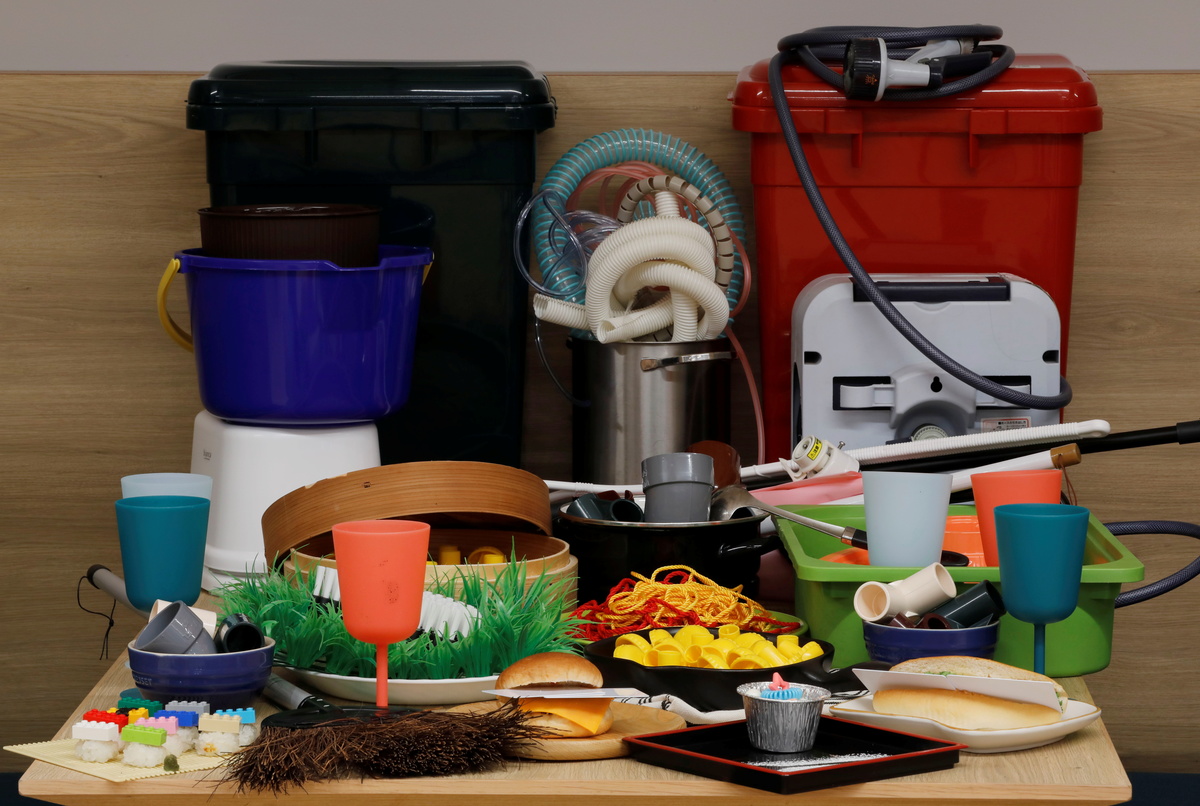
Various plastic goods weighing 3.15 kilograms, which is equivalent to the amount of plastic that someone could eat in ten years, are displayed on a table in this illustration taken in Tokyo, Japan, March 31, 2020. People could be ingesting the equivalent of a credit card of plastic a week, a 2019 study by WWF International concluded, mainly in plastic-infused drinking water but also via food like shellfish, which tends to be eaten whole so the plastic in their digestive systems is also consumed. Reuters used the findings of the study to illustrate what this amount of plastic actually looks like over various periods of time. REUTERS/Kim Kyung-Hoon/Illustration
What's for dinner? Lego sushi, credit card burgers, or a well-done piece of PVC pipe?
These examples may sound extreme, but can easily represent over time the cumulative amount of microscopic pieces of plastic we consume every day.
People could be ingesting the equivalent of a credit card of plastic a week, a 2019 study by WWF International concluded, mainly in plastic-infused drinking water but also via food like shellfish, which tends to be eaten whole so the plastic in their digestive systems is also consumed.
Plastic buttons weighing 5 grams, which is equivalent to the amount of plastic that someone could eat in one week, are displayed with a cup of coffee in this illustration taken in Tokyo, Japan, March 31, 2020. People could be ingesting the equivalent of a credit card of plastic a week, a 2019 study by WWF International concluded, mainly in plastic-infused drinking water but also via food like shellfish, which tends to be eaten whole so the plastic in their digestive systems is also consumed. Reuters used the findings of the study to illustrate what this amount of plastic actually looks like over various periods of time. REUTERS/Kim Kyung-Hoon/Illustration
Reuters used the findings of the study to illustrate what this amount of plastic actually looks like over various periods of time. (Open https://reut.rs/3qsC89K in an external browser to see a visualisation of the amount of microplastic we consume.)
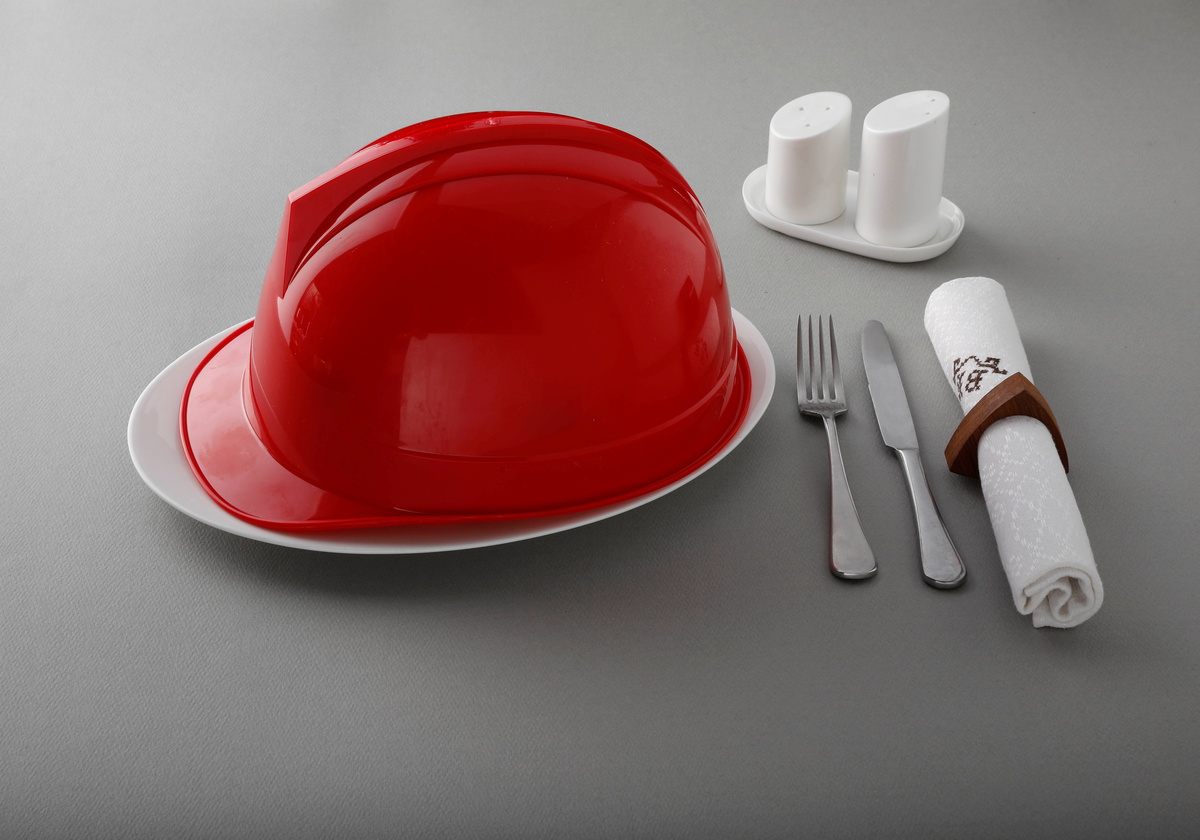
In a month, we ingest the weight of a 4x2 Lego brick in plastic, and in a year, the amount of plastic in a fireman's helmet.
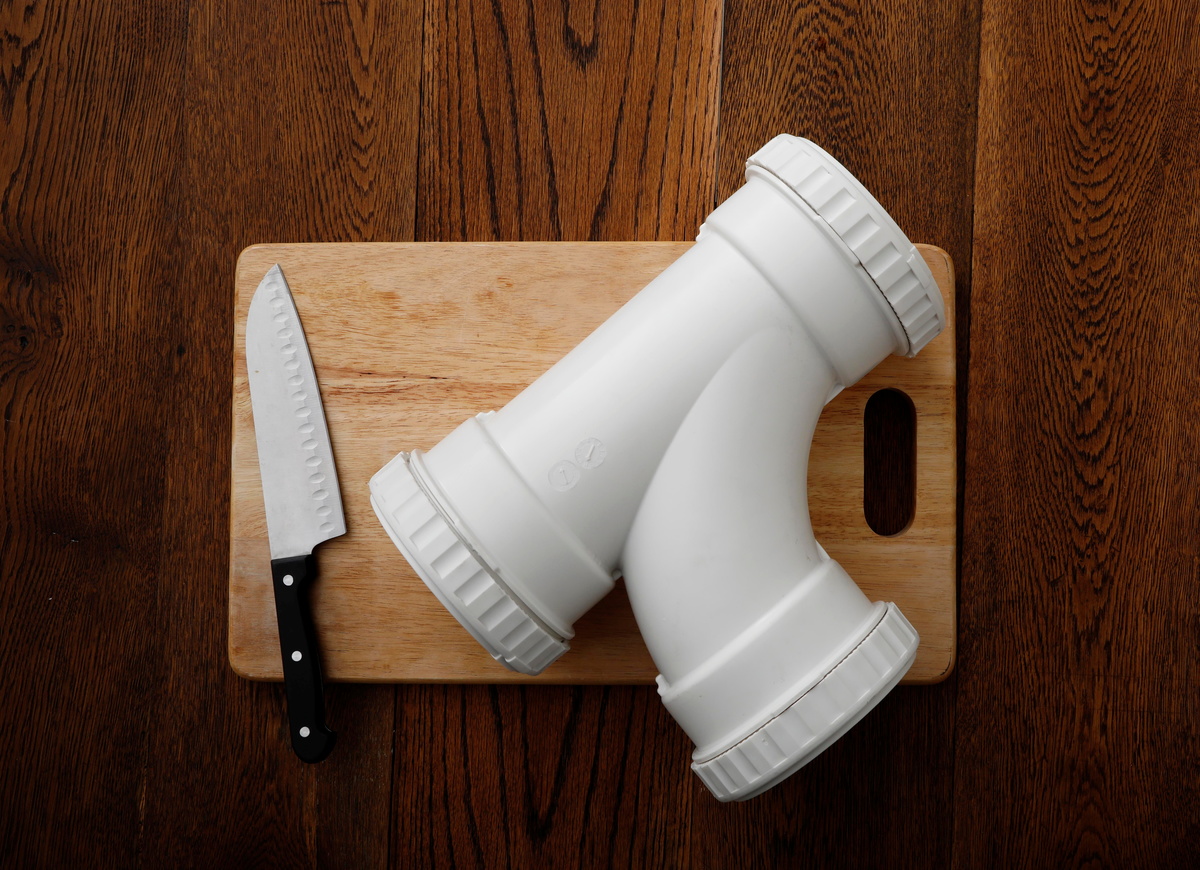
This may not sound like much, but it can add up. At this rate of consumption, in a decade, we could be eating 2.5 kg (5.5 lb) in plastic, the equivalent of over two sizable pieces of plastic pipe.
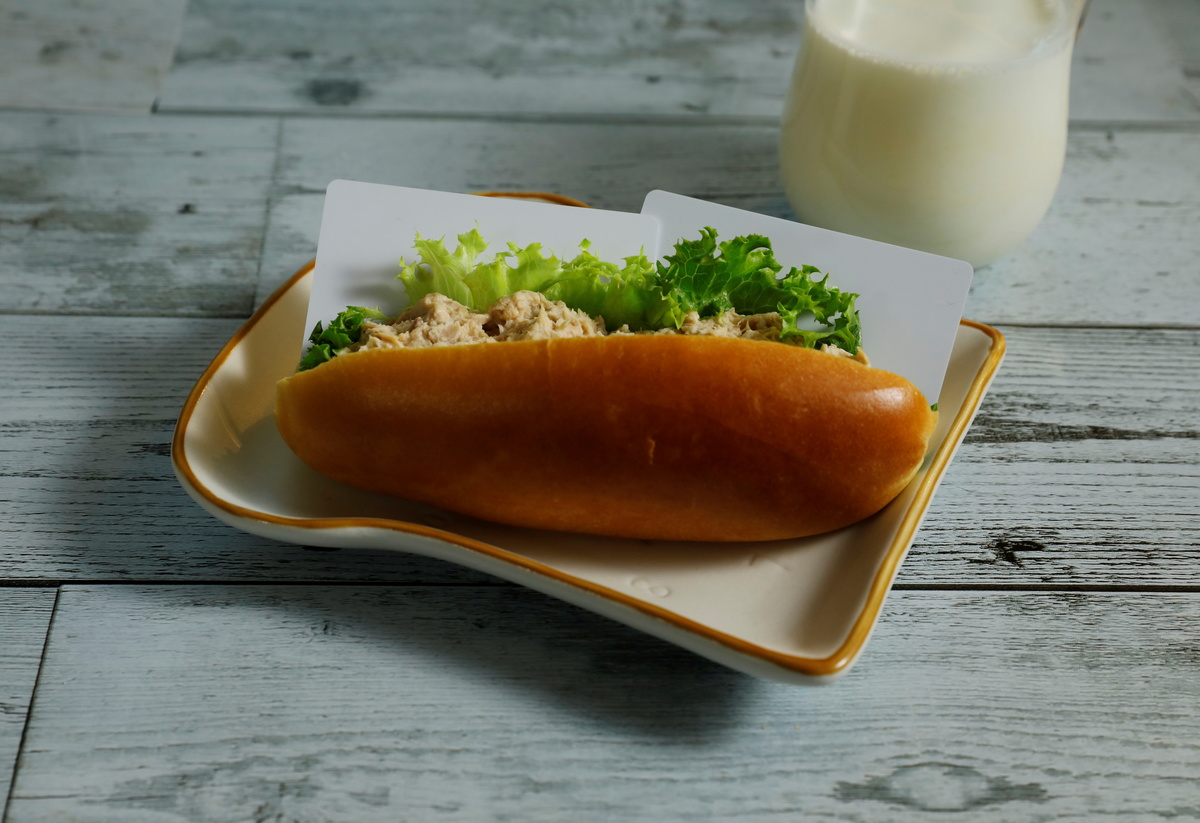
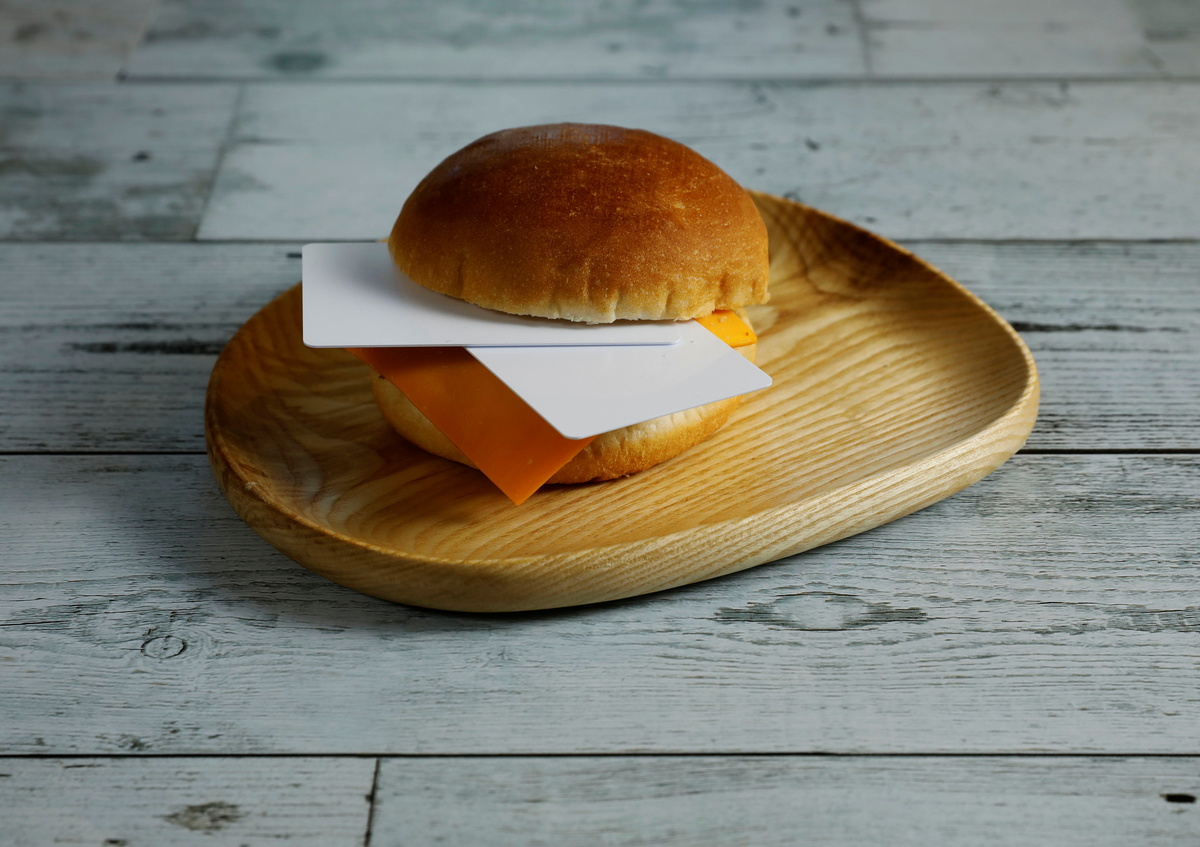
Plastic cards weighing 7 grams, which is equivalent to the amount of plastic that someone could eat in ten days, are displayed inside a tuna salad sandwich with a cup of milk in this illustration taken in Tokyo, Japan, November 11, 2020. People could be ingesting the equivalent of a credit card of plastic a week, a 2019 study by WWF International concluded, mainly in plastic-infused drinking water but also via food like shellfish, which tends to be eaten whole so the plastic in their digestive systems is also consumed. Reuters used the findings of the study to illustrate what this amount of plastic actually looks like over various periods of time. REUTERS/Kim Kyung-Hoon/Illustration
And over a lifetime, we consume about 20 kg (44 lb) of microplastic.
Plastic production has surged in the last 50 years with the widespread use of inexpensive disposable products. As plastic is not biodegradable, but only breaks down into smaller pieces, it ultimately ends up everywhere, cluttering beaches and choking marine wildlife, as well as in the food chain.
Standing on the shoreline of a wildlife-protected saltmarsh in southern England, Malcolm Hudson, a professor of environmental science at the University of Southampton, shows Reuters small, bead-like plastic pellets that permeate the marsh.
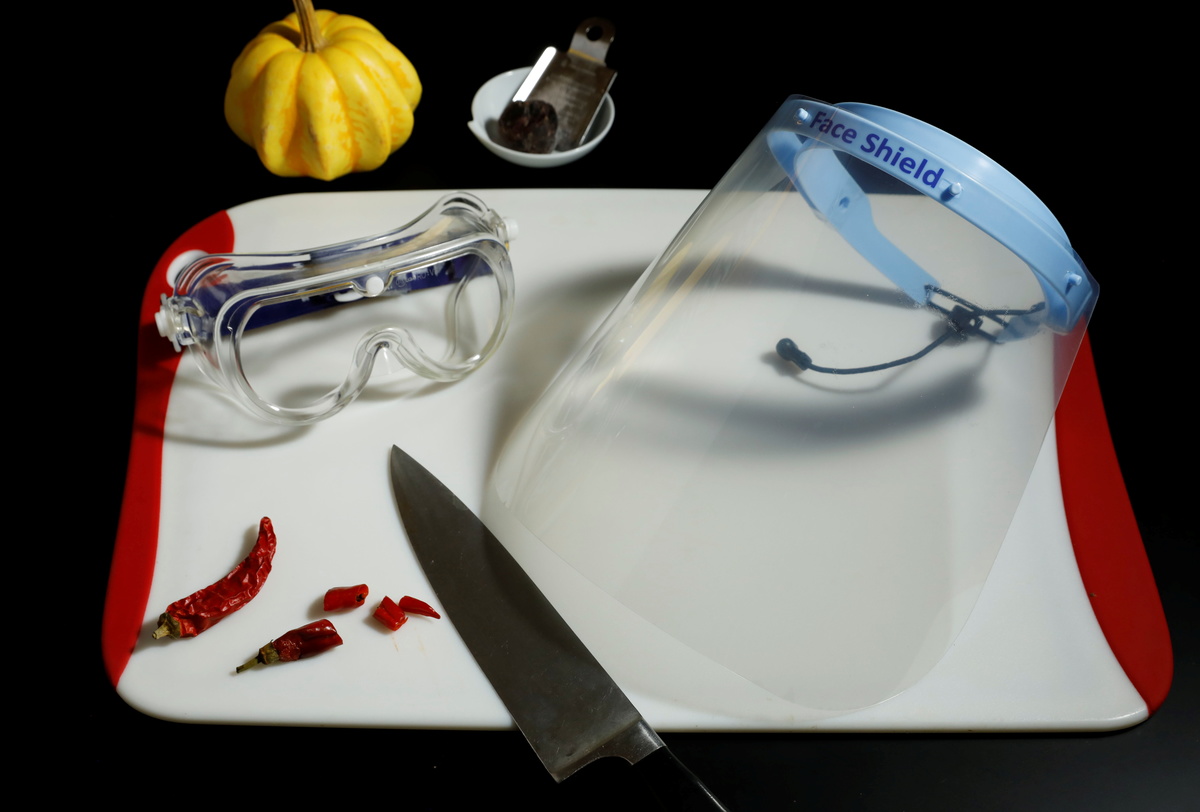
A plastic pipe weighing 1 kilogram, which is equivalent to the amount of plastic that someone could eat in four years, is displayed on a cutting board in this illustration taken in Tokyo, Japan, March 31, 2020. People could be ingesting the equivalent of a credit card of plastic a week, a 2019 study by WWF International concluded, mainly in plastic-infused drinking water but also via food like shellfish, which tends to be eaten whole so the plastic in their digestive systems is also consumed. Reuters used the findings of the study to illustrate what this amount of plastic actually looks like over various periods of time. REUTERS/Kim Kyung-Hoon/Illustration
Hudson says that most research has been done on these microplastics, but there are increasing amounts of even smaller particles called nanoplastics in the environment that are far more difficult to detect, which we are likely ingesting as well.
"It could pass into our blood or lymphatic system and end up in our organs," said Hudson.
"Those plastic particles are little time bombs waiting to break down small enough to be absorbed by wildlife or by people and then potentially have harmful consequences."
Plastic ropes and plastic pipes weighing 510 grams, which is equivalent to the amount of plastic that someone could eat in two years, are displayed on a table in this illustration taken in Tokyo, Japan, November 12, 2020. People could be ingesting the equivalent of a credit card of plastic a week, a 2019 study by WWF International concluded, mainly in plastic-infused drinking water but also via food like shellfish, which tends to be eaten whole so the plastic in their digestive systems is also consumed. Reuters used the findings of the study to illustrate what this amount of plastic actually looks like over various periods of time. REUTERS/Kim Kyung-Hoon/Illustration
(Reporting by Kim Kyung Hoon and Matthew Stock; Writing by Karishma Singh; Editing by Michael Perry)
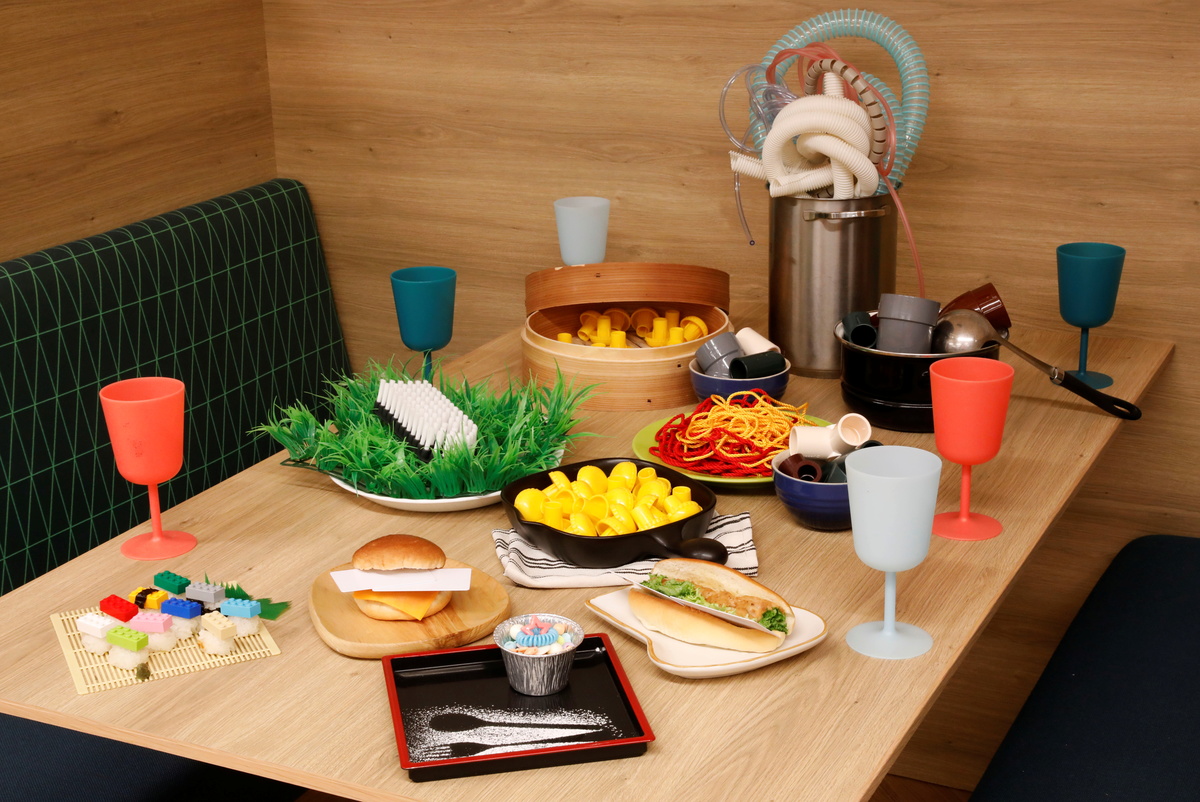
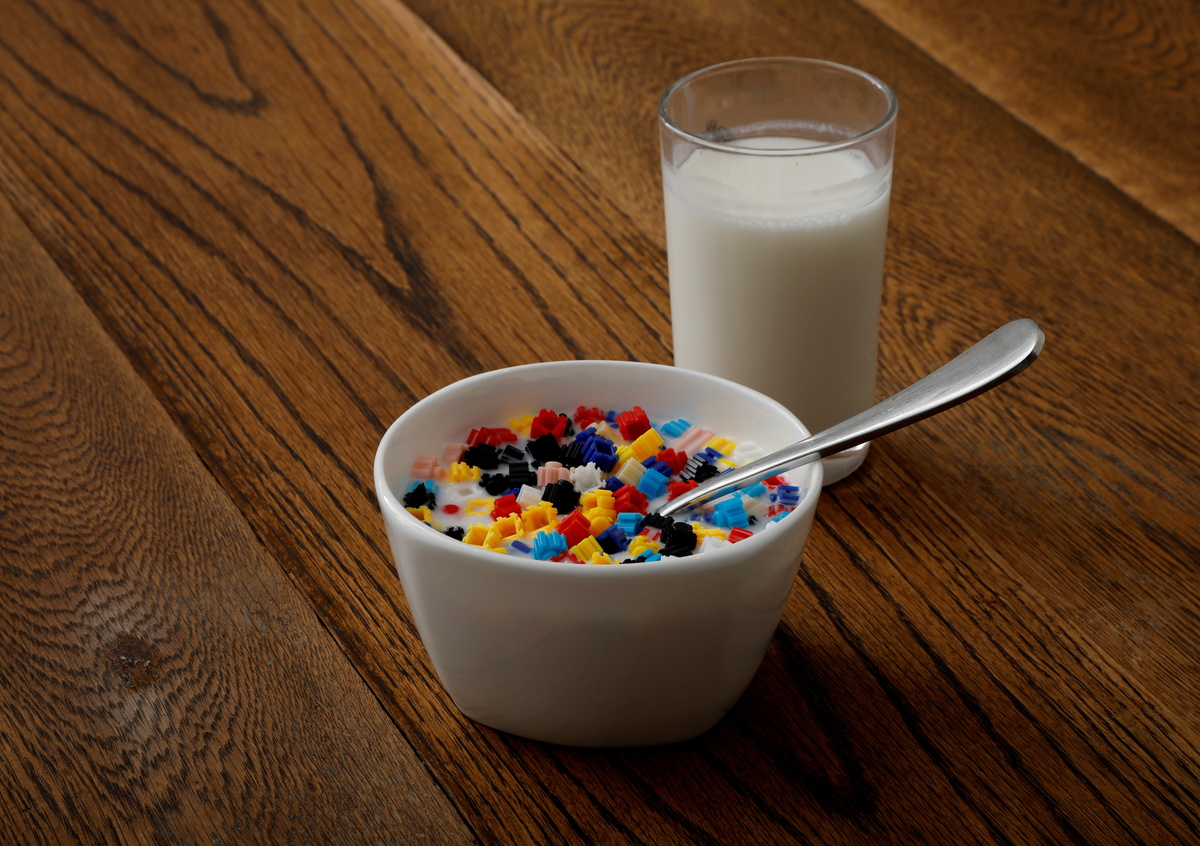
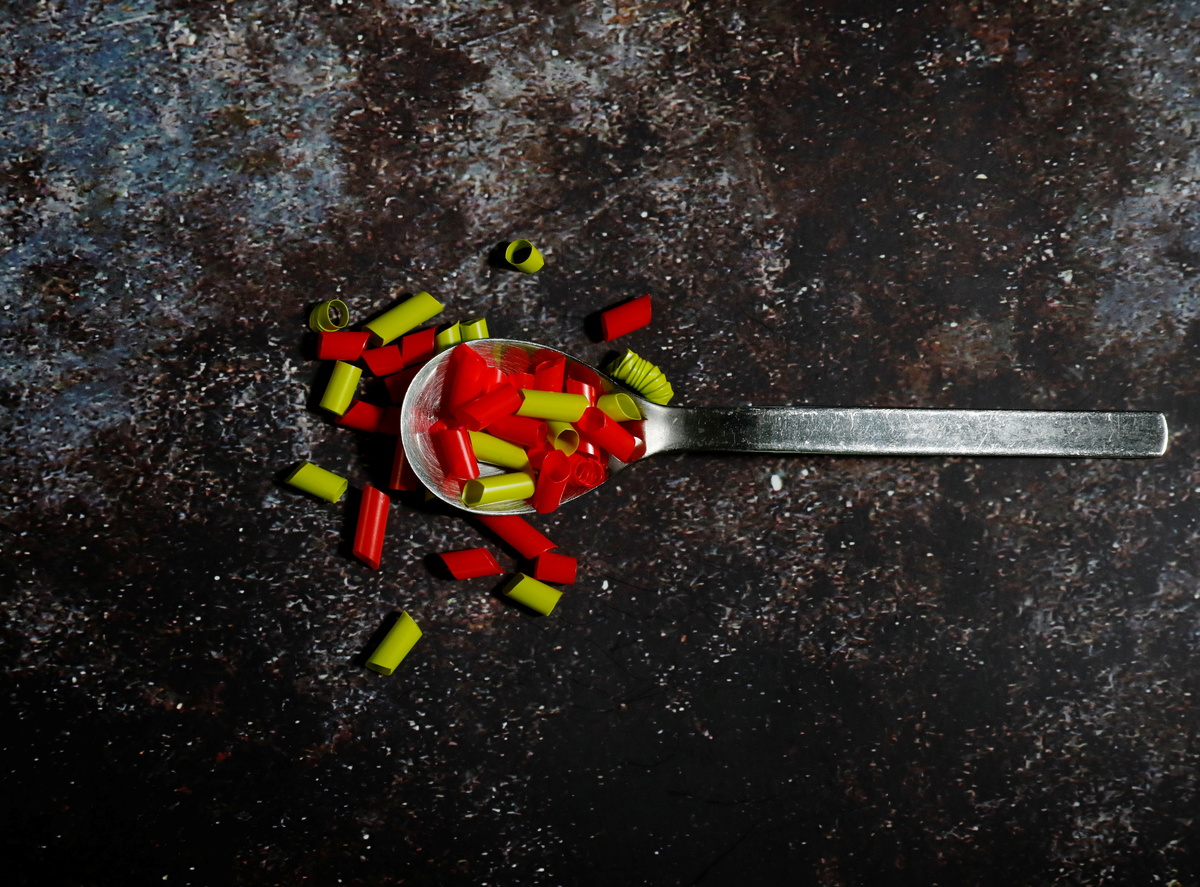
Various plastic goods weighing 2.7 kilograms, which is equivalent to the amount of plastic that someone could eat in ten years, are displayed on a table in this illustration taken in Tokyo, Japan, March 31, 2020. People could be ingesting the equivalent of a credit card of plastic a week, a 2019 study by WWF International concluded, mainly in plastic-infused drinking water but also via food like shellfish, which tends to be eaten whole so the plastic in their digestive systems is also consumed. Reuters used the findings of the study to illustrate what this amount of plastic actually looks like over various periods of time. REUTERS/Kim Kyung-Hoon/Illustration A plastic safety helmet weighing 248 grams, which is equivalent to the amount of plastic that someone could eat in one year, is displayed on a dish in this illustration taken in Tokyo, Japan, March 31, 2020. People could be ingesting the equivalent of a credit card of plastic a week, a 2019 study by WWF International concluded, mainly in plastic-infused drinking water but also via food like shellfish, which tends to be eaten whole so the plastic in their digestive systems is also consumed. Reuters used the findings of the study to illustrate what this amount of plastic actually looks like over various periods of time. REUTERS/Kim Kyung-Hoon/Illustration Various plastic goods weighing 6.8 kilograms, which is the equivalent to the amount that someone could eat in 27 years, are displayed on a table in this illustration taken in Tokyo, Japan, November 12, 2020. People could be ingesting the equivalent of a credit card of plastic a week, a 2019 study by WWF International concluded, mainly in plastic-infused drinking water but also via food like shellfish, which tends to be eaten whole so the plastic in their digestive systems is also consumed. Reuters used the findings of the study to illustrate what this amount of plastic actually looks like over various periods of time. REUTERS/Kim Kyung-Hoon/Illustration Various plastic goods weighing 1.3 kilograms, which is equivalent to the amount of plastic that someone could eat in five years, are displayed on a table in this illustration taken in Tokyo, Japan, November 12, 2020. People could be ingesting the equivalent of a credit card of plastic a week, a 2019 study by WWF International concluded, mainly in plastic-infused drinking water but also via food like shellfish, which tends to be eaten whole so the plastic in their digestive systems is also consumed. Reuters used the findings of the study to illustrate what this amount of plastic actually looks like over various periods of time. REUTERS/Kim Kyung-Hoon/Illustration Plastic toy beads weighing a total of 125 grams, which is equivalent to the amount of plastic that someone could eat in 6 months, are displayed inside a cereal bowl filled with milk in this illustration taken in Tokyo, Japan, March 31, 2020. People could be ingesting the equivalent of a credit card of plastic a week, a 2019 study by WWF International concluded, mainly in plastic-infused drinking water but also via food like shellfish, which tends to be eaten whole so the plastic in their digestive systems is also consumed. Reuters used the findings of the study to illustrate what this amount of plastic actually looks like over various periods of time. REUTERS/Kim Kyung-Hoon/Illustration Plastic dice weighing 21 grams combined, which is equivalent to the amount of plastic that someone could eat in one month, are displayed on a plate in this illustration taken in Tokyo, Japan, March 31, 2020. People could be ingesting the equivalent of a credit card of plastic a week, a 2019 study by WWF International concluded, mainly in plastic-infused drinking water but also via food like shellfish, which tends to be eaten whole so the plastic in their digestive systems is also consumed. Reuters used the findings of the study to illustrate what this amount of plastic actually looks like over various periods of time. REUTERS/Kim Kyung-Hoon/Illustration A face shield and a pair of plastic goggles used to prevent the spread of the coronavirus disease (COVID-19), weighing 151 grams, which is equivalent to the amount of plastic that someone could eat in eight months, are displayed on top of a chopping board in this illustration taken in Tokyo, Japan, November 12, 2020. People could be ingesting the equivalent of a credit card of plastic a week, a 2019 study by WWF International concluded, mainly in plastic-infused drinking water but also via food like shellfish, which tends to be eaten whole so the plastic in their digestive systems is also consumed. Reuters used the findings of the study to illustrate what this amount of plastic actually looks like over various periods of time. REUTERS/Kim Kyung-Hoon/Illustration Lego bricks weighing a total of 22 grams, which is equivalent to the amount of plastic that someone could eat in one month, are displayed on top of pieces of sushi rice in this illustration taken in Tokyo, Japan, November 11, 2020. People could be ingesting the equivalent of a credit card of plastic a week, a 2019 study by WWF International concluded, mainly in plastic-infused drinking water but also via food like shellfish, which tends to be eaten whole so the plastic in their digestive systems is also consumed. Reuters used the findings of the study to illustrate what this amount of plastic actually looks like over various periods of time. REUTERS/Kim Kyung-Hoon/Illustration Plastic caps weighing 62 grams, which is equivalent to the amount of plastic that someone could eat in three months, are displayed inside a bamboo steamer basket in this illustration taken in Tokyo, Japan, November 11, 2020. People could be ingesting the equivalent of a credit card of plastic a week, a 2019 study by WWF International concluded, mainly in plastic-infused drinking water but also via food like shellfish, which tends to be eaten whole so the plastic in their digestive systems is also consumed. Reuters used the findings of the study to illustrate what this amount of plastic actually looks like over various periods of time. REUTERS/Kim Kyung-Hoon/Illustration Plastic cards weighing 7 grams, which is equivalent to the amount of plastic that someone could eat in ten days, are displayed inside a hamburger in this illustration taken in Tokyo, Japan, November 11, 2020. People could be ingesting the equivalent of a credit card of plastic a week, a 2019 study by WWF International concluded, mainly in plastic-infused drinking water but also via food like shellfish, which tends to be eaten whole so the plastic in their digestive systems is also consumed. Reuters used the findings of the study to illustrate what this amount of plastic actually looks like over various periods of time. REUTERS/Kim Kyung-Hoon/Illustration Pieces of plastic straws weighing 0.7 grams, which is the equivalent to the amount of plastic that someone could eat in one day, are displayed on a spoon in this illustration taken in Tokyo, Japan, November 12, 2020. People could be ingesting the equivalent of a credit card of plastic a week, a 2019 study by WWF International concluded, mainly in plastic-infused drinking water but also via food like shellfish, which tends to be eaten whole so the plastic in their digestive systems is also consumed. Reuters used the findings of the study to illustrate what this amount of plastic actually looks like over various periods of time. REUTERS/Kim Kyung-Hoon/Illustration
Sign up to read this article
Read news from 100’s of titles, curated specifically for you.