
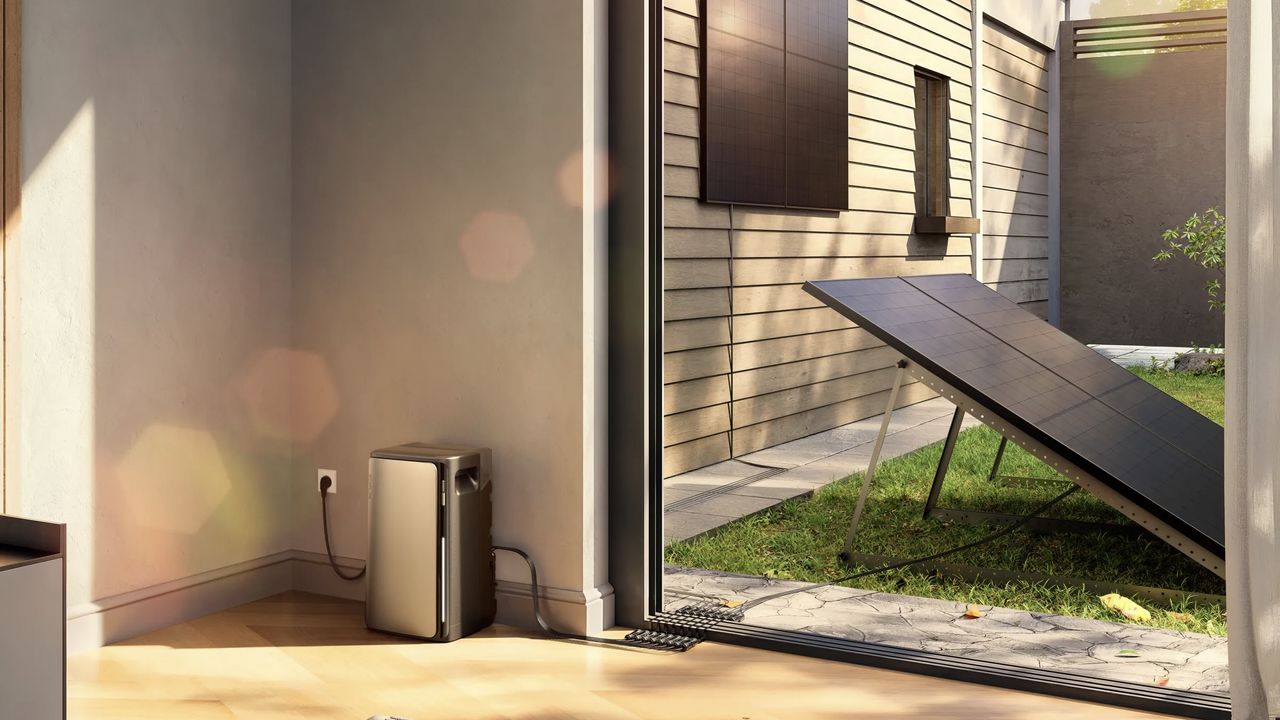
From 27th August, plug-in solar panels will officially be available in the UK, offering a simpler and more affordable way to generate your own electricity. The new UK standard allows systems of up to 800W – typically made up of two 400W solar panels – making them suitable for balconies, gardens and smaller homes.
Like conventional solar panels, plug-in systems generate electricity from sunlight. The key difference is that instead of powering your entire home, they're designed to offset your home's base load – the electricity you constantly use to keep appliances such as your fridge, Wi-Fi router, TV and other smart devices running.
So, how much could an 800W plug-in solar system actually save you on your energy bills? I dug into the numbers to find out, and here's what you need to know..
How do plug-in solar panels save money?
How much you can save depends on several factors, including where you live, how much sunshine your home gets, which direction your panels face, and how much of the electricity you use whilst it's being generated.
I've put together a rough guide to the savings you can realistically expect. These estimates are based on the new 800W plug-in solar systems, which is also the maximum output currently permitted under the new regulations.
System size |
Typical price |
Potential annual savings |
800W |
£300-£600 |
£70-£110 |
Are they as good as rooftop solar panels?
In short, no.
A traditional rooftop solar installation is typically several kilowatts in size, meaning it can generate significantly more electricity and cover a much larger proportion of your household's annual energy use.
Plug-in solar panels are best thought of as a more affordable and accessible alternative. They won't replace a full rooftop system, but they can help reduce your electricity bills without the high upfront cost or disruption of a professional installation.
Are the savings worth it?
An 800W plug-in solar system isn't going to halve your electricity bill, but it can make a noticeable dent in it. For households with a steady daytime electricity demand, annual savings of around £70 to £110 are achievable, especially if the panels are installed in a sunny spot and most of the electricity generated is used as it's produced.
The biggest advantage is the relatively low upfront cost. Whilst a traditional rooftop solar installation can cost several thousand pounds, plug-in systems are expected to be available for a few hundred pounds. That makes them a much more affordable way to start generating your own electricity and reducing your reliance on the grid.