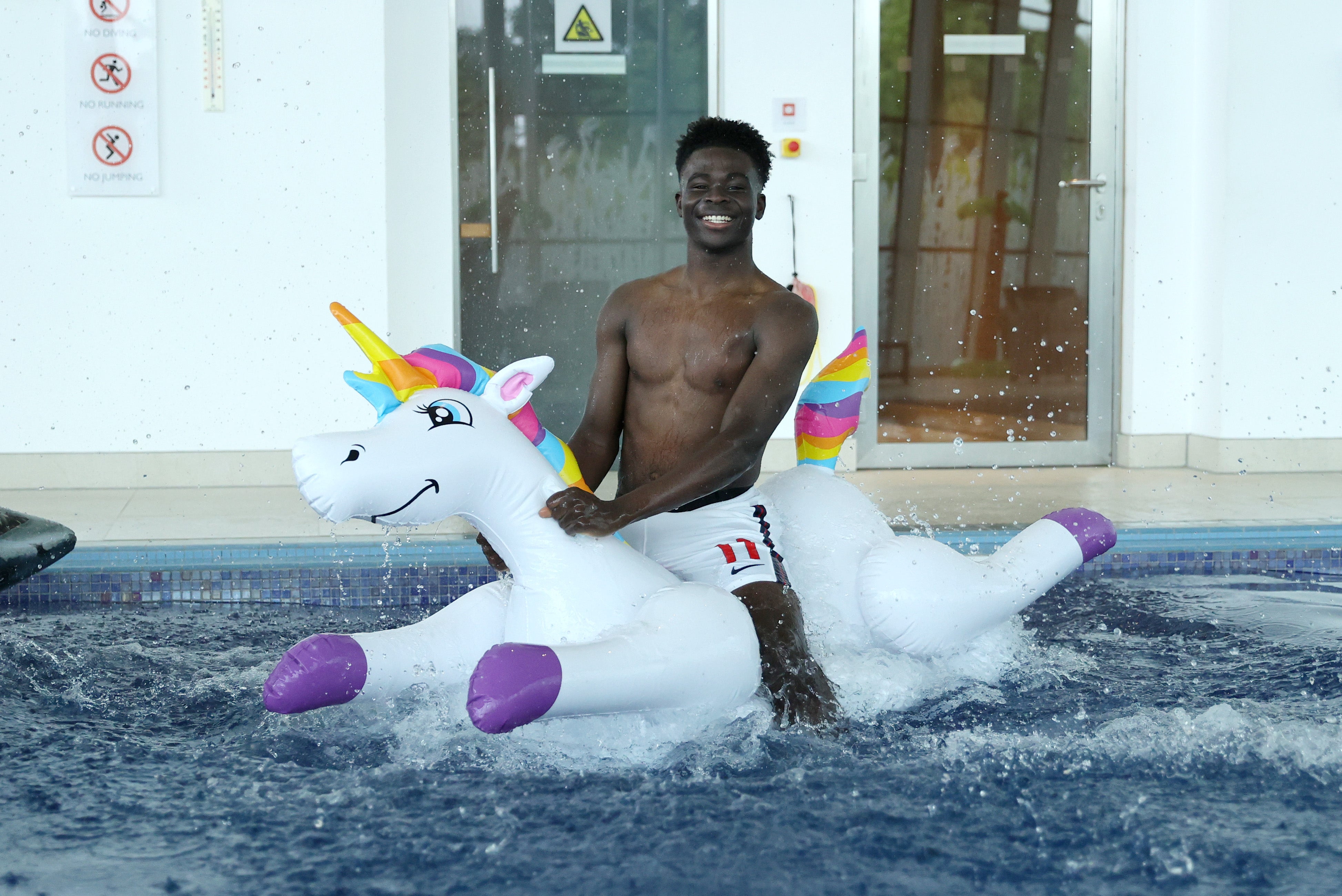
After a few minutes of hugging and celebrating at London Colney on Tuesday, when Arsenal had finally been confirmed as champions again, the players just let go. There had already been a few guttural roars from the pure relief of winning. They then all jumped into the swimming pool.
Bukayo Saka of course had an inflatable, if not this time a unicorn. Some older staff members were chuckling that this was rather different to how the Premier League-winning squad of 1998 to 2004 celebrated. The point, however, was that they were actually celebrating again.
The players did end up going to a club in central London. They’ve very much come of age in other ways, but so has the manager.
Some of the popular jibes about Mikel Arteta won’t work any more.
And the story of Arsenal’s 14th title is really the story of how their former captain, through a deliberate long-term plan, turned the club from a joke to a serious team again. He ended Arsenal’s “banter era”.
If Arteta himself can often seem overly serious, too, those who know the 44-year-old stress that one point should always be acknowledged: he is a phenomenally hard worker. Many were happy for him for that alone. Some liken Arteta to the founder of a start-up, and how he can easily work 90 hours in a week without even realising.
“He’s an obsessive,” in the words of one source. Another even recalled a comment that Sir Alex Ferguson made at a similar age at Manchester United. “This isn’t just a job to me. It’s a mission.”
This has been a mission for Arteta.
Arsenal could have benefitted from this zeal even earlier, but for the dysfunction that was so characteristic of the club before Arteta returned.
He was lined up to be their manager in 2018, only for the hierarchy to U-turn on Unai Emery very late in the process.
Despite Emery’s qualities – which he proved once again when leading Aston Villa to Europa League glory against Freiburg on Wednesday evening, his fifth time winning that competition – and how he had to endure the same dysfunction, the older Basque was ultimately seen as not right for a club of that size.
Arteta sees the wait as having been better for his own career. It is funny how things work out. Arsenal’s transfer window in the summer of 2011 is commonly seen as emblematic of the club’s recent lows, but it may have secured their future. It gave them this manager. That was when Arteta was finally signed from Everton, after initial reservations from Arsene Wenger.
From a growing connection with the club, Arteta gradually began to see it as his destiny to be Arsenal manager. He was already a coach as a player, and inquisitive about what was happening at other clubs. From 2013-14, he was obsessed with Pep Guardiola’s Bayern Munich, and how their “U shape” pinned you in.
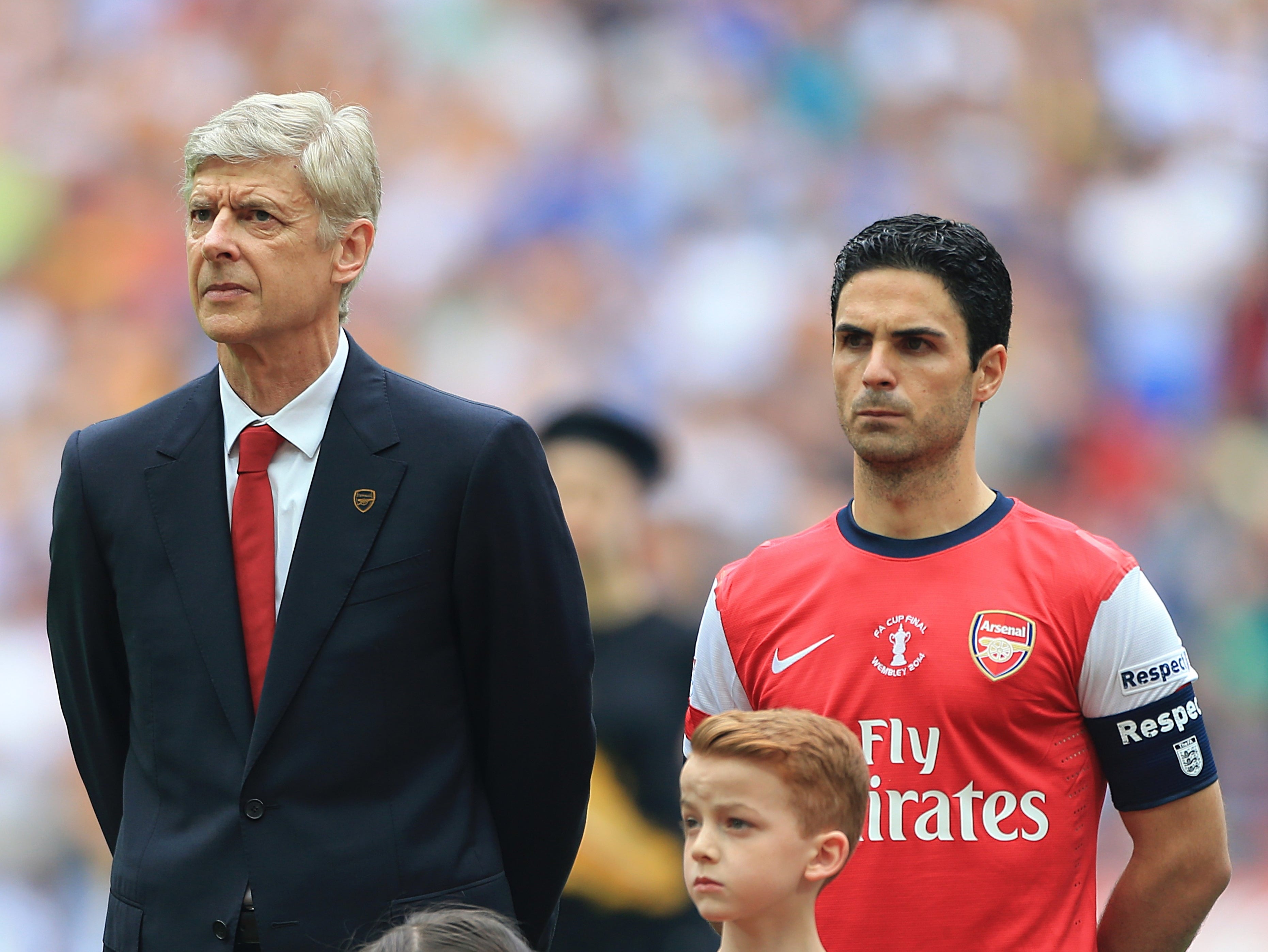
Arteta knew his own limitations as a player, but his ability to adapt would preface his thinking as a manager.
Despite all of this, some of the Arsenal hierarchy were reluctant to go back to Arteta in that December of 2019, since it was going to be his first job. They had spoken to Patrick Vieira and Vitor Pereira, and were also considering Max Allegri and Ronald Koeman.
Mike Ashley had meanwhile been trying to get Arteta to Newcastle United from his assistant job at Manchester City.
On eventually becoming convinced to take a one-hour meeting that ended up becoming four, one executive gave a telling comment. “I can see what the fuss is about.”
Arteta had given his full idea, blowing them away with his detail and how they could become competitive. Arsenal badly needed someone of such vision, because everything at the club was – in the words of one senior figure – “a chaotic mess”.
The dressing room was described as “toxic”, with too many characters who “just didn’t care”. Some staff members would even suspect certain players of picking and choosing their games, suddenly suffering injuries before undesirable away trips. “It was disjointed and selfish,” one insider said.
It was described as “a boys’ club” not geared towards elite performance and some of the directors didn’t show much ambition because, ultimately, they didn’t think owner Stan Kroenke was that interested. The feeling was there was “no drive to be successful”.
This was infamously known as the club’s “banter era” online. They had endured so much calamity, with putative rivals considering them “a laughing stock”. Arteta himself had been all too aware of some causes of this, before he retired as a player in 2016.
It used to deeply frustrate him that Arsenal were always out of contention by February, as some players seemed more concerned with getting their bodies ready for holidays.
Despite Arteta’s great respect for Wenger, he believed there wasn’t enough detail on preparation. Instructions would be written on post-it notes. Far from putting Arteta off, though, it drove an urge to set it right.
He felt it was still a club with almost everything – especially a huge fanbase and great stadium in London – that had just been allowed to drift. “You just need to grab everyone by the collar,” the Spaniard said.
It soon became apparent much more than that was needed. In finally trying to change everything around Arteta, one executive found the role “overwhelming”.
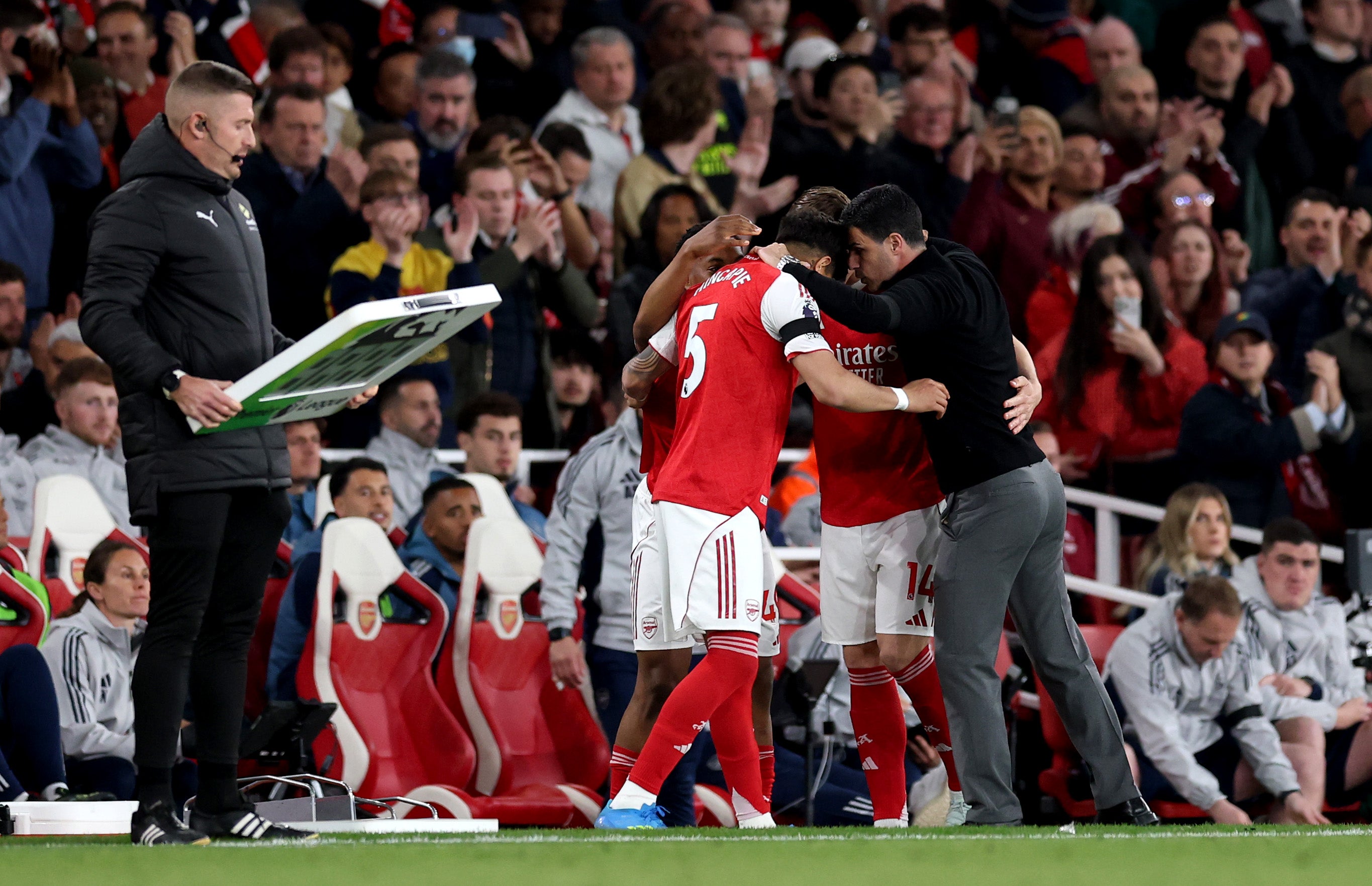
The squad was still so average that Arsenal struggled to shift players. On the other side, the initial signings weren’t up to it. Arteta still showed promise by marshalling that squad to the 2020 FA Cup. When asked if he wanted a bonus for that, he instead insisted on a new office.
The same problems continued, though. Arsenal would stumble from bad run to bad run, with rare bright performances giving a glimpse of what Arteta was trying to do. Numerous sources now say that at that point, going into the winter of 2020, Arteta was in “a very low place” and thought he’d “made a terrible mistake”.
He was even considering quitting.
It was recent executive-vice chair Tim Lewis who is viewed as integral to preventing that. The former lawyer had initiated the infrastructural turnaround of Arsenal by setting up a “football leadership team” around Arteta and sporting director Edu.
Lewis, an Arsenal fan who had worked with the Kroenkes for years, felt it was vital to get Arteta in front of the owner. The two flew to Denver, where Arteta explained his football vision and Lewis pointed out how important a competitive team was to the Kroenkes’ own business.
It was crucial to getting Arteta that backing but the manager also knew he had to start thinking about things anew himself.
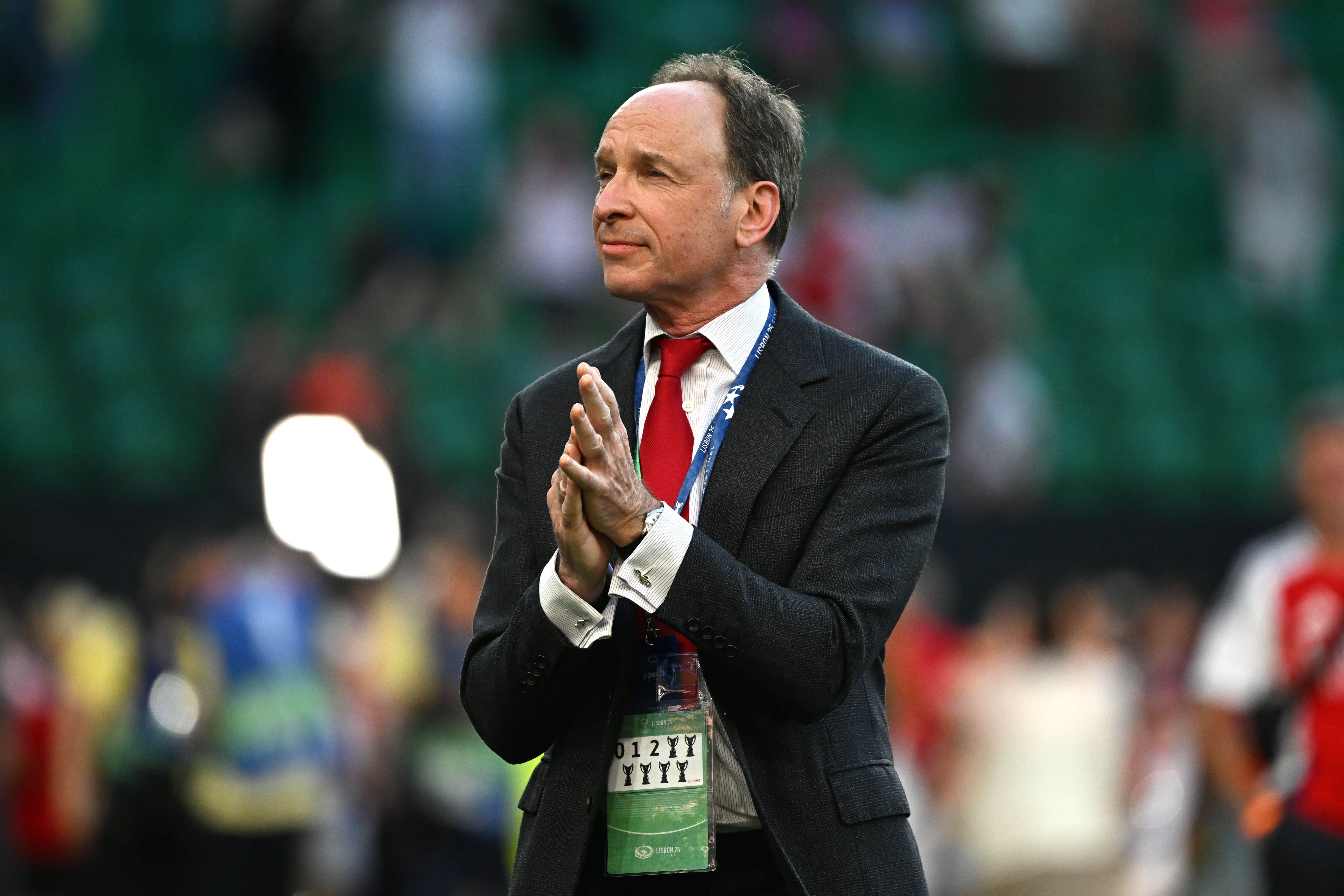
A key moment came in that same new office in July 2021, when he wrote up a five-year plan with a sharpie. Arteta was well versed in how the average age of a title-winning team was 27 years and three months but that Arsenal couldn’t afford that kind of profile. Their wage bill was a mere £125m, compared to the £300m-plus that Manchester City were winning the title with.
So, Arteta realised he had to do “a Borussia Dortmund”, as it used to be known, and get young players in to build to a proper collective. “That’s the future of Arsenal,” he pronounced.
Youth graduates like Saka and Emile Smith-Rowe were immediately elevated. Arteta did wonder whether a long frustrated fanbase would accept this, and the inevitable pain within progress, but realised the need to sell it as a journey.
“Project players” would be targeted and Arteta ensured a good number had a high football intelligence. He wasn’t initially sold on William Saliba but quickly realised what he had. Arteta gradually developed a system that would be known as “the spin drier” – getting the opposition in such a whirl they couldn’t get out – but soon realised the pressing necessary couldn’t have any passengers.
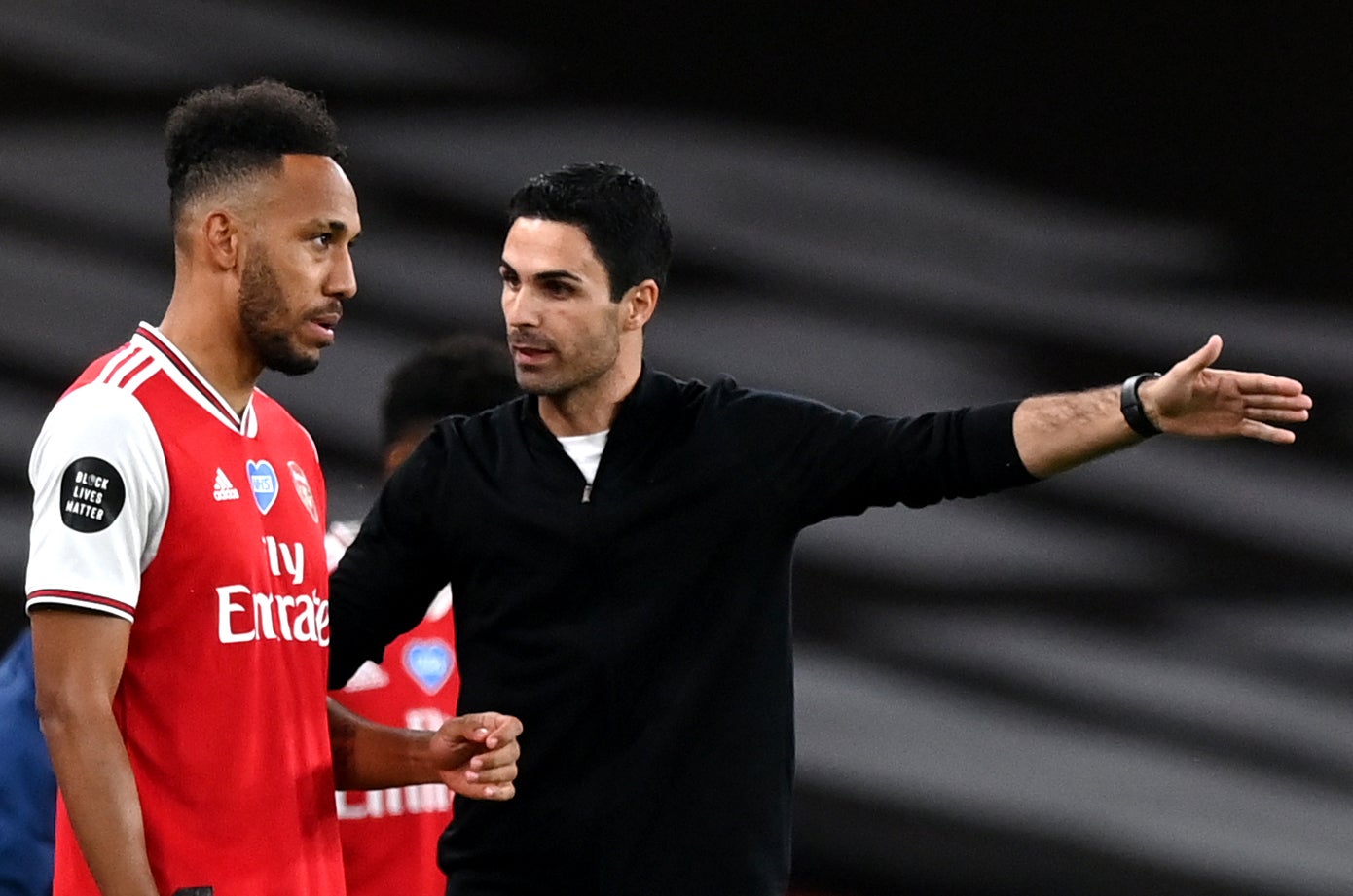
Pierre Emerick-Aubameyang, whose individual quality had been so crucial to that FA Cup success, had to go. Gabriel Jesus’ range was seen as “changing everything” for the team.
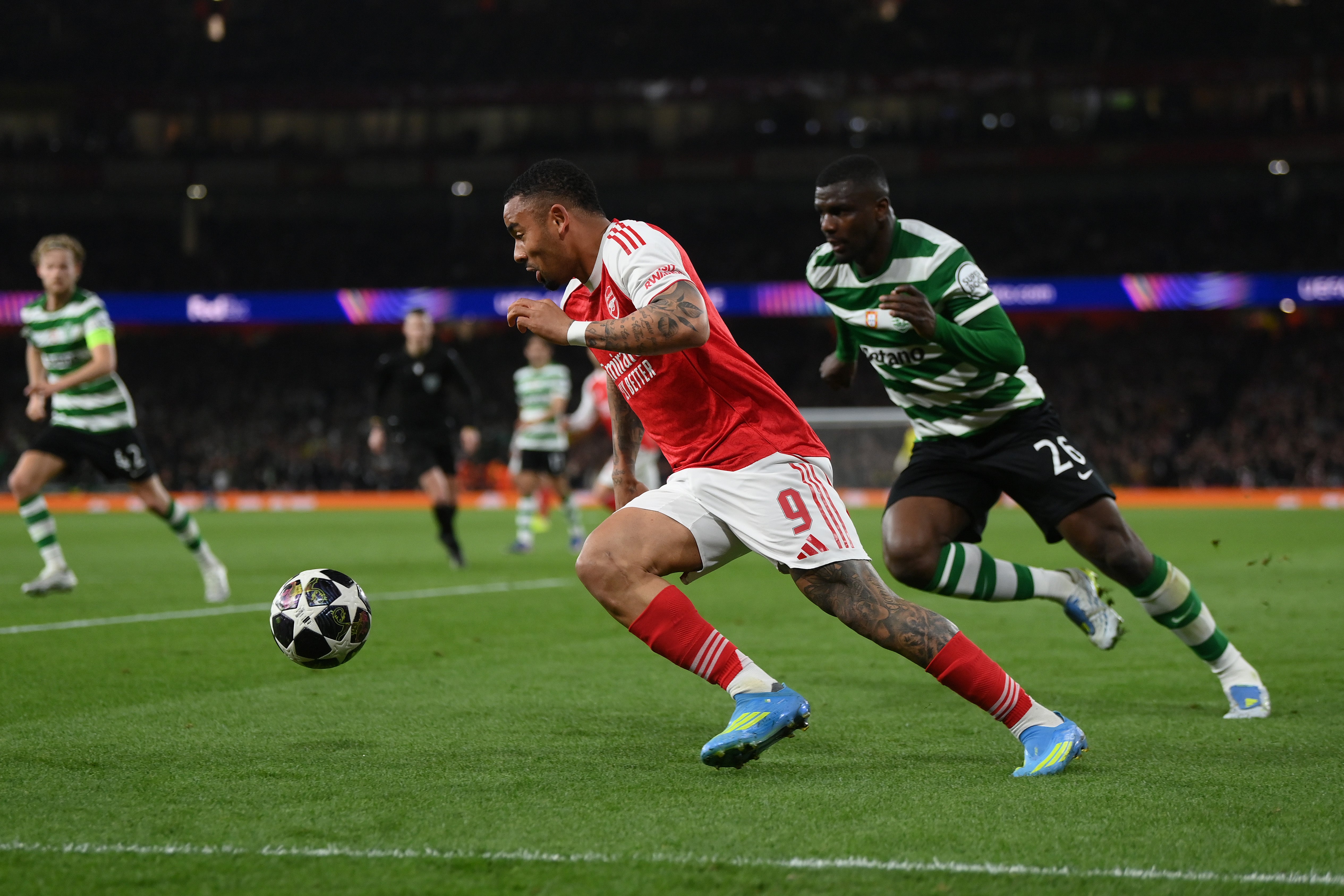
There was also something resolute about them, despite perceptions. Arsenal suffered setbacks – like getting thrashed by Antonio Conte’s Tottenham Hotspur to lose a Champions League place in 2021-22 – only to come back stronger. It would eventually be the same with second-place finishes.
By August 2022, and a 2-1 home win over Fulham, Arteta felt he finally had the spirit he wanted. There was “an incredible noise” at the stadium. There was a re-forged connection with the fans, who were enjoying that preciously rare football experience of a team on the up.
It just took them another four years to get to the very top.
There was progress every season – 83 points in 2022-23, then 89 the next, the Champions League quarter-finals in 2022-23, then the semi-finals.
The problem was that City, Arteta’s former club, just seemed too powerful.
Arsenal got another sense of why when they secured one of the key pieces, with the signing of Declan Rice in the summer of 2023. City came in strong, with sources insisting their offer was much higher than Arsenal’s. Rice had already been persuaded by Arteta and the culture around his team, though. He could see he was “going to be loved” there. The midfielder eventually had to insist on Arsenal, to the “fury” of some of the West Ham United hierarchy.
Other Arsenal figures similarly tracked progress by how people at City spoke to them. From 2020 to 2022, when City were regularly battering Arsenal, they felt Arteta was being “patted on the head”. Guardiola would tell some of the Arsenal hierarchy to look after his friend.
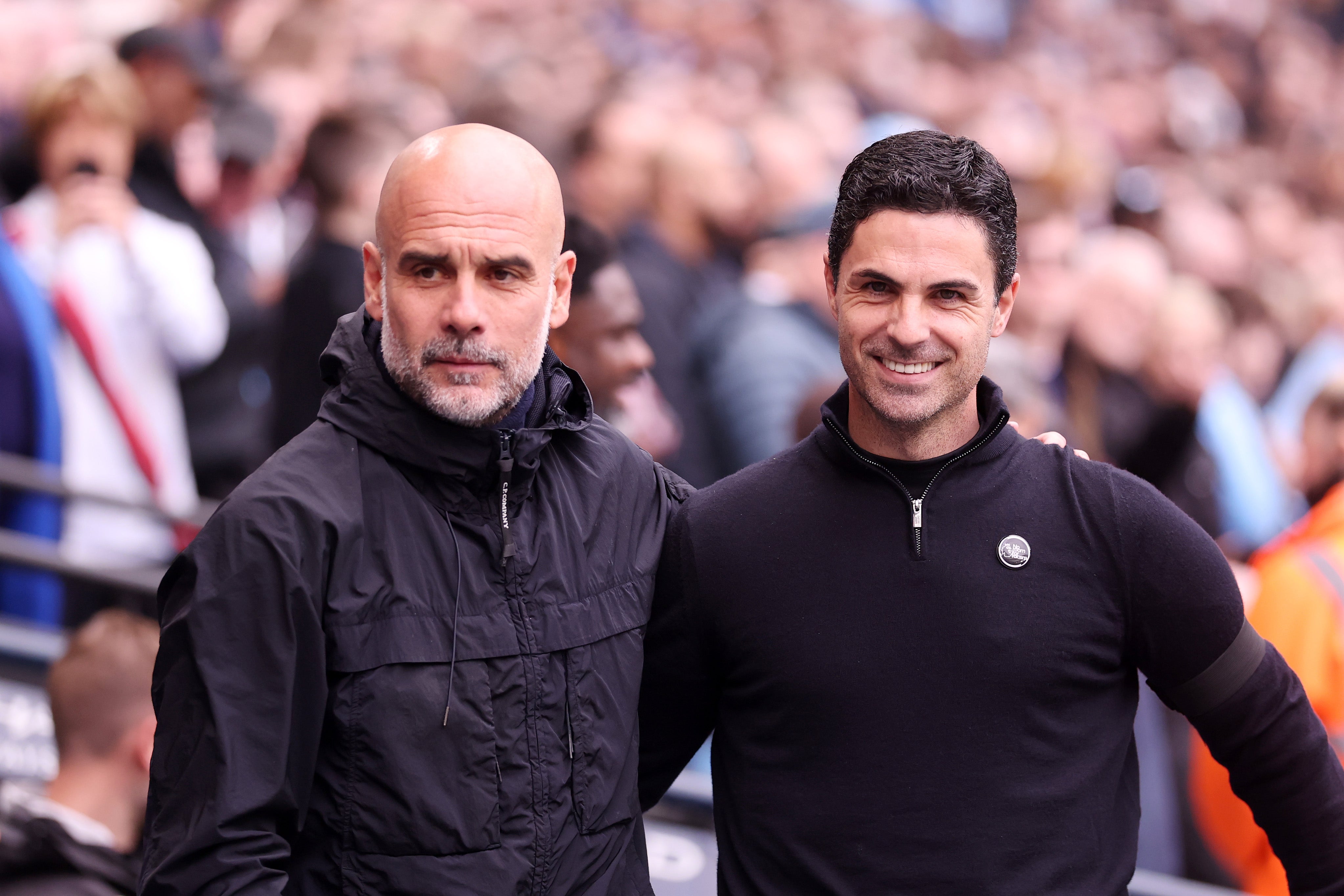
None of that was happening by 2024. There was war between the clubs, which ended up infusing this title race. Arsenal still didn’t have the right weapons, though.
Arteta is described as taking the two second places of 2022-23 and 2023-24 very badly.
“He was in the basement and it was hard to pull him out of it,” one insider says. A corollary to the hard work was an element of “torturing” himself. Such anguish gradually evolved into deep consideration about what was required, though.
Strategy meetings about how you evolve a team soon became strategy meetings about how you win the Premier League. Process now required end product.
Arteta could see how the positional game he had been a devotee of was fracturing, in a Premier League that was becoming more physical. Arsenal found that their attacks were increasingly coming up against massed defences, which resulted in more set-pieces, so they had better start practising them.
Nicolas Jover assumed a new importance at the club, even if long sessions occasionally grated with the players.
Other decisions paid off. It’s remarkable to think now there was some debate when David Raya replaced Aaron Ramsdale.
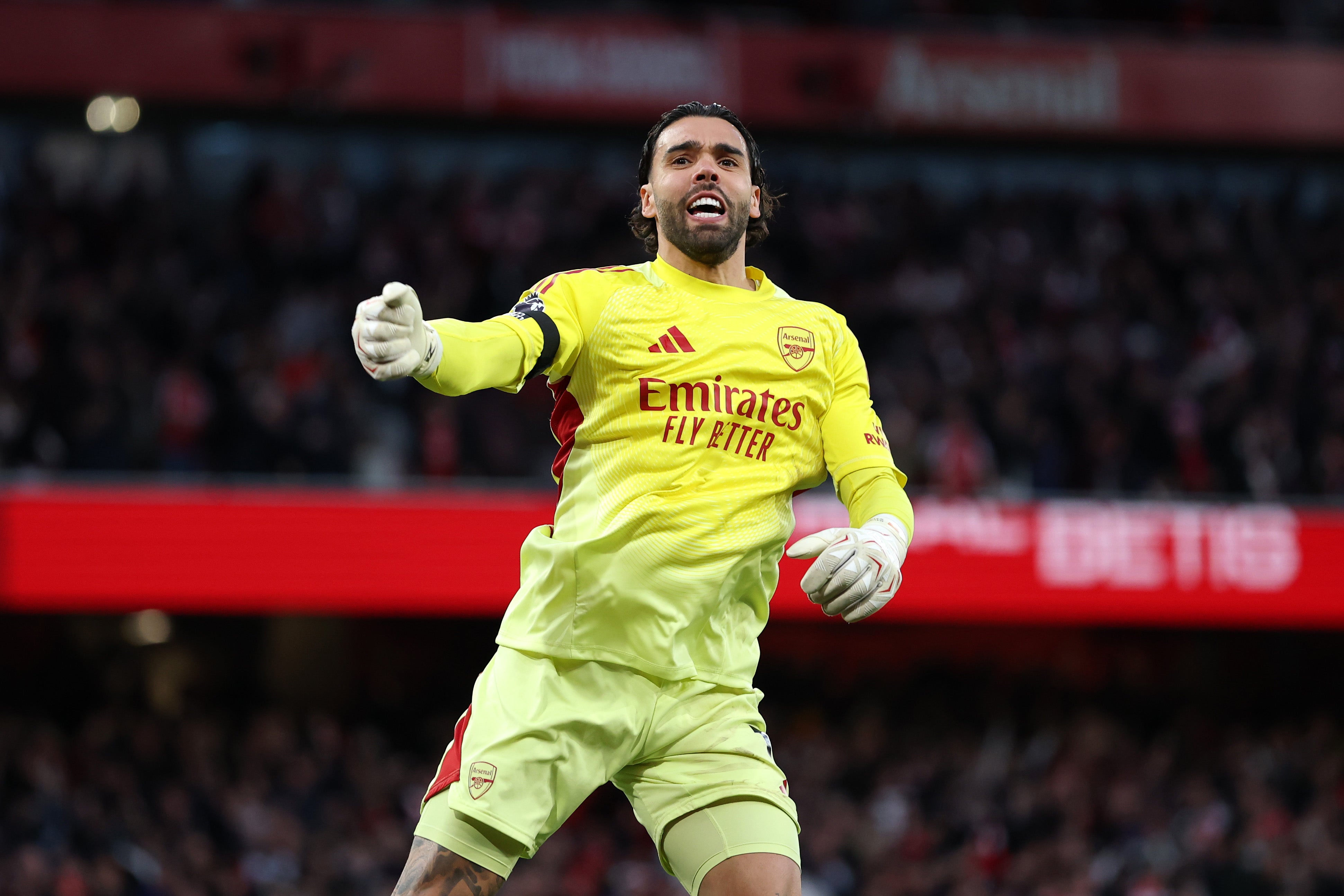
The goalkeeper has been inspirational, a clip of his save against West Ham United receiving a special cheer from the players when shown on a video on Tuesday night.
Arteta of course didn’t just want to make his squad physically bigger, but bigger in number. He’d learned the lessons of the expanded 2024-25 campaign.
“The bench is what does it for you,” he’d say. The result has been football that not everyone enjoys watching, but that no one likes facing.
Arsenal were no longer a joke, or a punchline. They are champions again.
Insider access, exclusive analysis, and behind-the-scenes gossip – sign up for Miguel Delaney’s Inside Football newsletter now