In search for growth, agencies are always looking for new consumers to market their brands to. One of the most sought after demographics is the much-discussed millennial generation, who are at a stage in life where they’re open and receptive to new products, experiences and habits – and often have the disposable income to seek out and discover new brands.
One category that has traditionally thrived with that audience is beers, wines and spirits. Alcohol plays an important part in our culture and, for most of us, it is in our twenties when we explore varieties and form our own tastes and preferences.
The alcohol category has faced significant challenges in recent years, with drinking levels consistently declining over the past decade. There has also been a 40% rise in the number of teetotal young adults since 2004, which is driven by more health-conscious lifestyles and the changing social and religious landscape of the UK. Despite this, we’ve seen the resurgence of cocktail culture, the rise of craft beers and the availability of wines from across the world that previously were not accessible to the UK market.
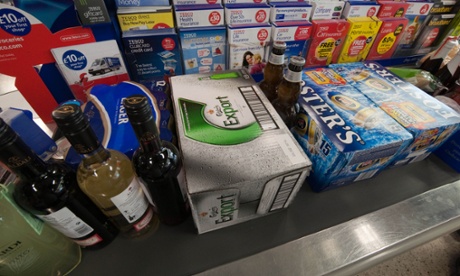
Haygarth’s latest report focused on how millennials discover and shop for these new drinks and expand their repertoire. What immediately stood out was the importance of the supermarket when discovering new drinks. Of the millennials we spoke to, 72% said they explore the alcohol aisle of the supermarket regularly, while 57% specifically seek out new drinks and inspiration for new drinks when in store. With such a high number of millennials now looking for inspiration within retail, has the landscape of discovery potentially changed and shifted from pubs and bars, giving the supermarket a bigger role to play?
To understand this we surveyed 2,000 European millennials to recognise how they are expanding their drinking experience. Millennials represent nearly 20% of the UK population, however we found that brands and retailers were not doing enough to inspire this generation in the beers, wines and spirits category in store.
What became clear is that millennials possess an insatiable thirst for novelty when it comes to finding new drinks. More than a third (35%) of those surveyed had chosen their most recent drink purely to try something new, and more than half (54%) said they regularly have three or more different types of drink a week. Despite this, our findings suggest that millennials are left uninspired by supermarket offerings.
Of the millennials we spoke to, 72% felt they would like more inspiration when shopping for alcohol. Shaking up the tired, traditional alcohol retail format offers a significant opportunity to both brands and retailers to re-engage millennials right where they are looking to make new discoveries.
Outside of retail, the influence of experts should not be disregarded. Of those surveyed, 32% felt that recommendations by an expert, including online, encourage them to try new drinks. This is also supported by the large number of this generation who have used social media, notably Facebook and YouTube, to be inspired around drinks.
When looking at UK millennials in comparison to their European counterparts, we found that in the UK shoppers are more price conscious and brand-led when compared to those in France and Italy. Despite this, a major similarity is that traditional retail mechanics still apply across Europe, with around a quarter of millennials feeling that promotions such as a gift with purchase would encourage them to try a new drink.
This highlights that, despite the constant quests for new drinks and inspiration, the millennial generation aren’t averse to marketing and retail communications. Retailers and brands have the opportunity to play an encouraging yet responsible role in helping this generation of shoppers to discover and try new beers, wines and spirits – to quench their thirst for experimentation.
The message is clear: by effectively engaging young adults through re-invigorating the drinks retail environment, offering credible guidance and advice, and focusing on powerful “peer-to-peer” recommendation networks, brands can capitalise on the significant growth potential of this “inspiration generation” market.
Marcus Sandwith is managing director at Haygarth
This advertisement feature is brought to you by the Marketing Agencies Association, sponsors of the Guardian Media & Tech Network’s Agencies hub.