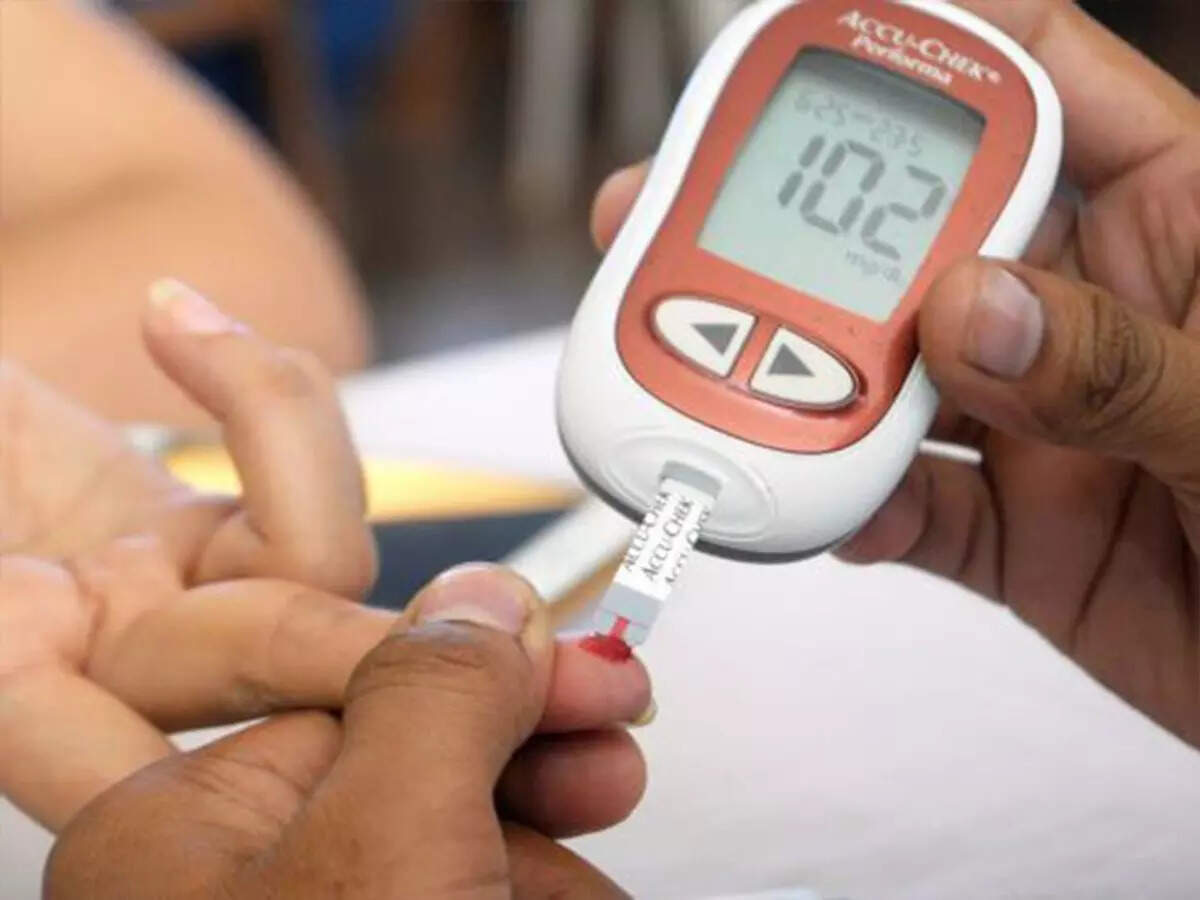
MUMBAI: After the pandemic revealed that people with diabetes and hypertension are at high risk of severe Covid infection, the BMC will start next week its most scientific survey to find out how many Mumbaikars suffer from either of both of these two diseases.
In collaboration with the World Health Organisation, the BMC will carry out the STEP survey that will also capture those at the risk of other non-communicable diseases such as cancer, heart disease or stroke.
“We plan to interview 6,000 people between 18-69 years and collect their samples to work out the prevalence of diabetes and hypertension in Mumbai,’’ said BMC deputy executive health officer Dr Daksha Shah.
Already work on identifying 25 houses in each of the 238 census blocks in the city has begun. “One person from each of these 25 households will be chosen for the survey,’’ said Shah. The participant will have to answer an elaborate questionnaire focusing on behaviours --- physical activity levels, smoking, alcohol intake, among others, and also submit physical measurements and samples.
While the prevalence of diabetes in India is assumed to be around 10-11%, hypertension affects almost a third of the adult population. “Most of such estimates are drawn on national-level studies, but city-specific data is often missing,’’ said a senior BMC doctor.
The National Family Health Survey-5 by the International Institute of Population Sciences in Deonar showed more men than women suffered from these twin diseases, often called lifestyle epidemics. It also showed almost 20% of the 15-plus population in the city needed medicines to keep their sugar levels in check. The corresponding number for hypertension is closer to 30%.
The BMC hopes to get ward-level or even pocket-wise estimates for these diseases. “We will collect an almost equal number of samples from slums and non-slum pockets to understand the prevalence,’’ said Shah.
The BMC has previously held diabetes detection camps in neighbourhoods, but it hasn't got a city-wide picture of the disease. The WHO has devised STEP surveys scientifically to assess the true prevalence of lifestyle or non-communicable diseases in any geographic area.
Covid has brought public health into focus and the need for local and central governments to invest in the field. Knowing the vulnerable populations before an emergency strikes would help devise strategies to contain diseases, be they communicable like Covid-19 or non-communicable such as cancer or diabetes.