
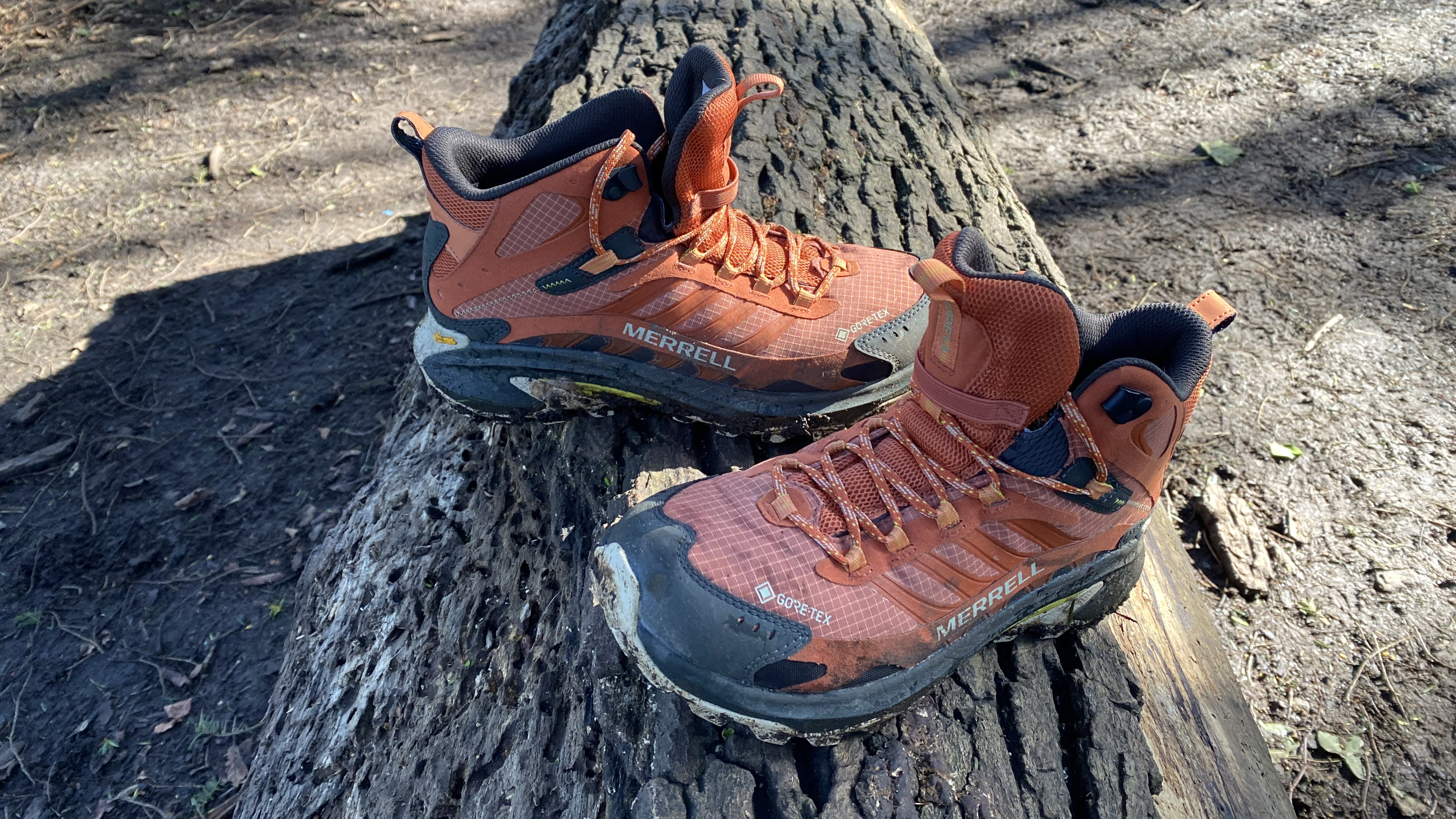
Even the best hiking boots aren't immortal. That kind of vibe is the preserve of Captain Scarlett, Sir Galahad, Gandalf and any of the Vampires from Buffy, Twilight, Charmed etc etc.
As much as we'd like our expensive, shiny new boots to live forever, after many trail conquering adventures they'll certainly be feeling the strain and it may be time to get a new pair. So, how long can you expect the best hiking boots to last?
We've asked two of our hiking experts to consider this question and provide advice on when you might want to consider repairing your boots or hunting for a replacement pair, as well as what to do to extend their lives.
How long do hiking boots last?
Disappointing answer alert! There's no easy way to answer this question, as the shelf life of your hiking boots depends on a few key factors:
- The quality of the boot to begin with and the materials used in its construction
- How often you hike and the terrain you hike on
- How well you look after your boots
Many hiking boot brands say their boots should last between 500 and 1000 miles, which could mean 10 or even 20 years if you only hike about 50 miles each year. However, read on for a more detailed analysis of the factors that affect the lifespan of your boots and what you can do to both extend it or repair them when the time comes.
Meet the experts
Today's best deals
Quality of design and materials
- More expensive boots tend to be made from more durable materials
- Synthetic boots typically don't last as well as ones with uppers made from leather
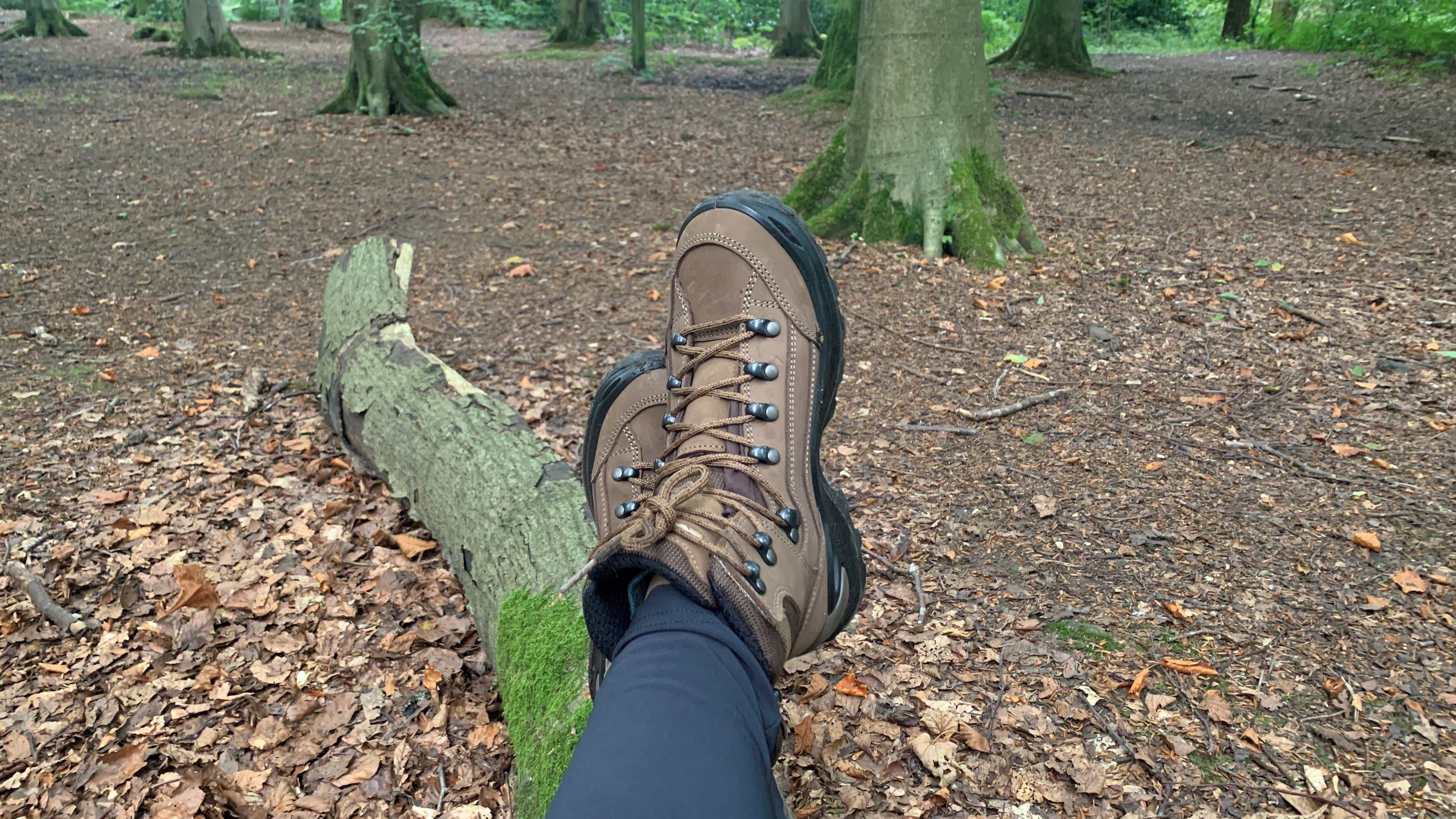
How long a boot will last all depends on its quality to begin with. If you purchase higher end hiking boots from a really reputable company, such as Danner, Hanwag, Aku or Mammut, you should expect to spend more money and get more from that investment. If you decide to save money up front by purchasing a cheaper pair of generic boots, you might find that the soles wear out faster while they uppers lose their shape and integrity.
It also depends on the materials used in your boots. More and more hiking boots these days are being made using synthetic materials, which are lighter, less expensive and usually equate to better out-of-the-box comfort. Full-grain leather hiking boots, on the other hand, are likely to be a lot more hard wearing and these tend to be the styles that people wear for years. Learn more in our article on leather vs synthetic hiking boots.
How often you hike and the terrain you take on
- The more you wear your boots, the more you'll expose them to wear and tear
- More rugged technical terrain will wear your boots out faster than gentle paths
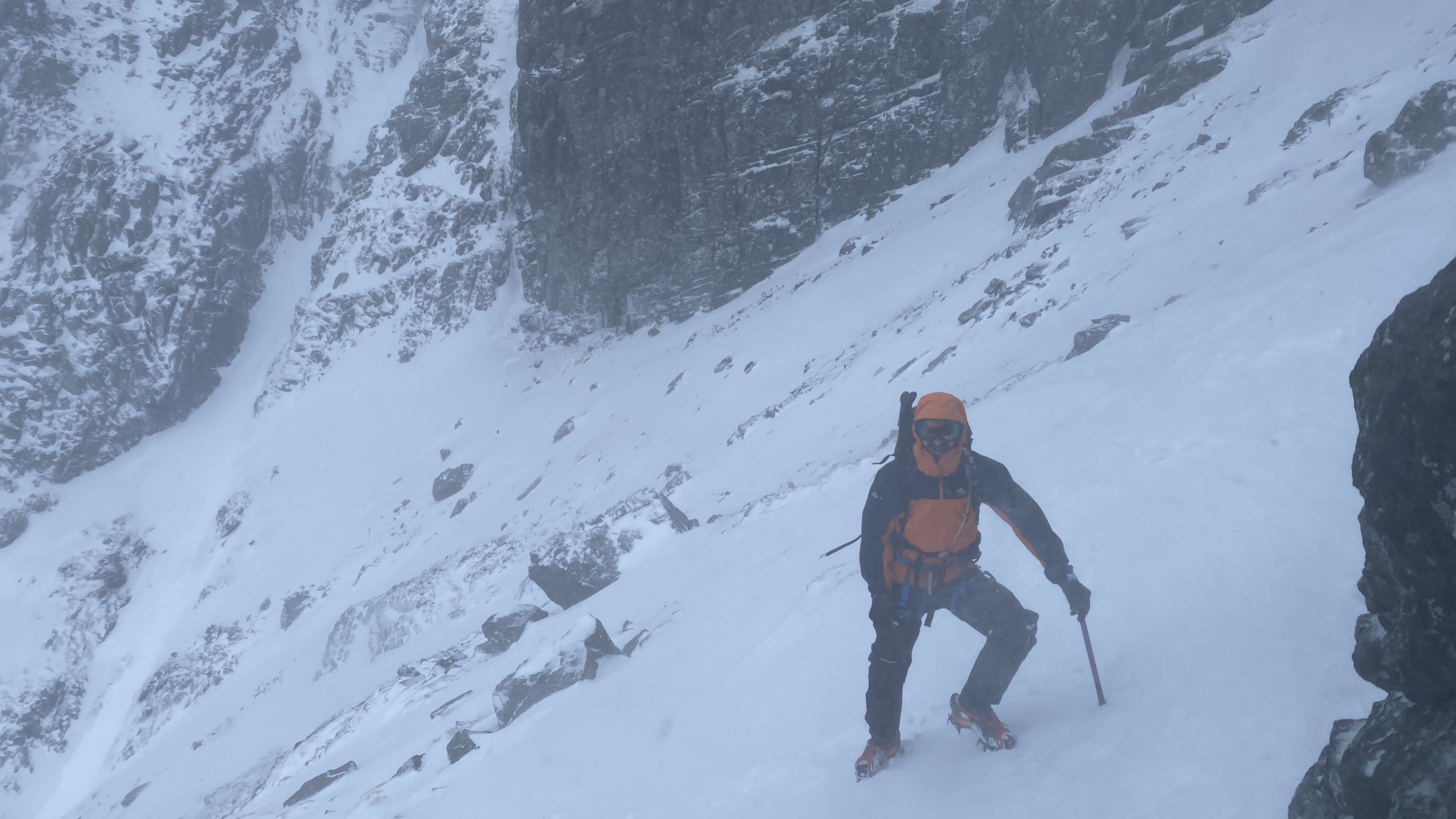
Let's use the example of winter hiking boots. These are typically built like tanks, with quality leather, premium soles and loads of reinforcement. If you took a pair of these out on gentle trails for occasional hikes in the backcountry, we reckon they'd last 10 to 20 years.
Alternatively, if you were to use them consistently to go winter climbing and mountaineering, the continuous abrasion against rock and ice, the need to kick steps in the snow and the daily addition and removal of crampons would soon take their toll. Used and abused in this way, you might only see a few years of use before it'd be time to get them resoled or consider an upgrade. This is despite these kinds of boots being the most durable around.
So, how often you hike and the kind of terrain you take on both have a direct impact on how long your boots will last. The above is an extreme example, but generally more technical, rocky mountain terrain will wear your boots out quicker than gentle paths through the forest.
Taking care of your boots
- Dirt and water can slowly degrade your boots
- Look after them by cleaning and reproofing them with aftercare products
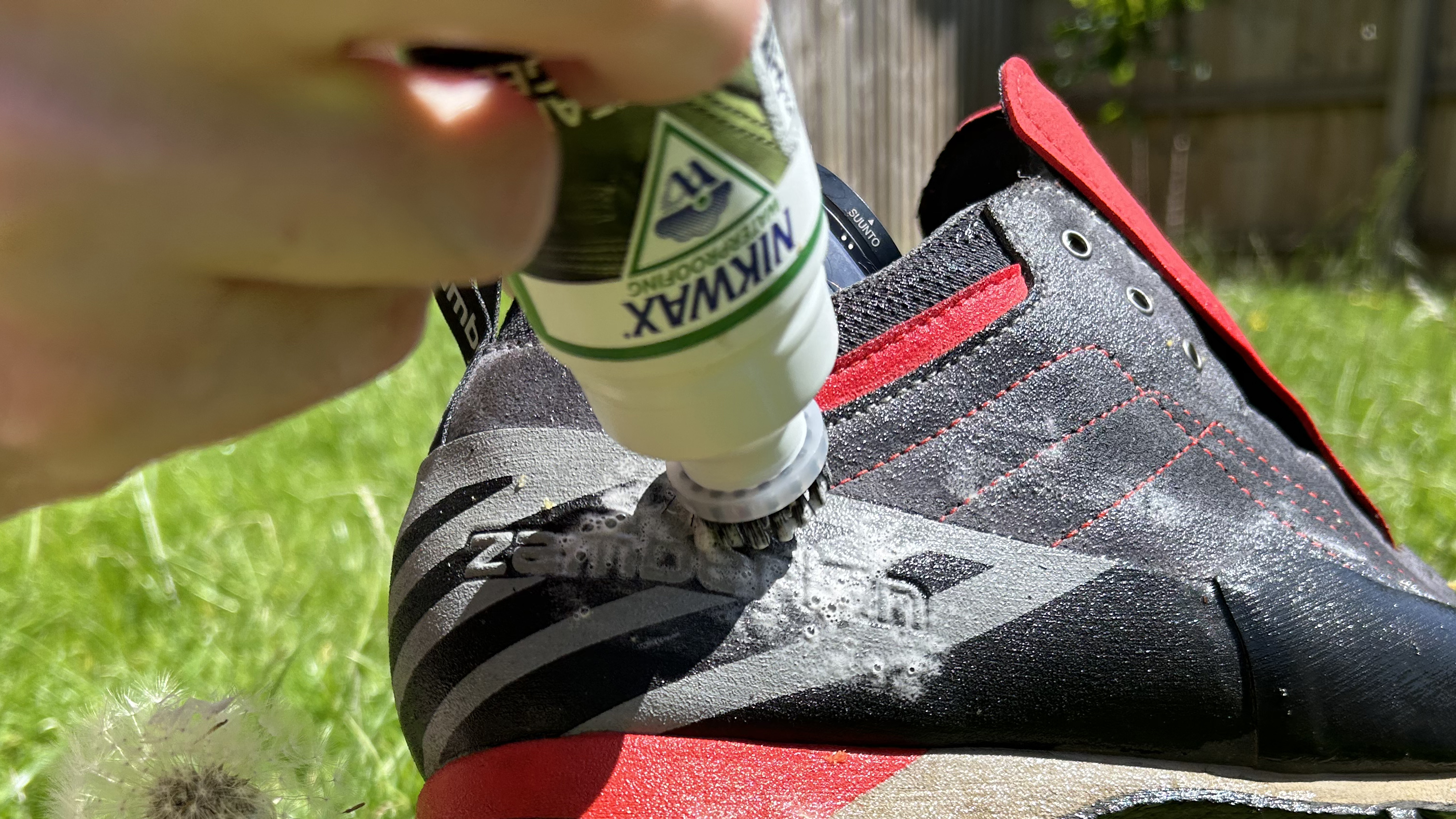
How you treat your boots will drastically alter their lifespan. There are factors you might have less control over, such as doing a lot of river crossings and hiking in boggy conditions, that can slowly degrade your boots. Then there are behaviors you can influence, such as cleaning your boots regularly, letting them air out after a hike rather than stashing them in your backpack for weeks and avoiding placing them on or next to heat sources to dry out.
It's worth purchasing aftercare products from brands like Nikwax or Grangers to properly care for your boots, particularly if their uppers are made from leather. You can also rejuvenate their waterproof qualities with such products.
How do I know when it’s time to replace hiking boots?
A little wear and tear is normal for hiking boots, but signs that you need to either start shopping for a new pair, or do some repairs, include:
- Holes letting dirt and water in.
- Loss of tread/grip in the outsoles.
- Loss of ankle support.
- Loss of cushioning in mid soles.
Not all of these signs mean you need to chuck your trusty boots in the trash and start over, however – make sure to read up on when to resole hiking boots and how to waterproof your boots as these tactics may solve the problem.
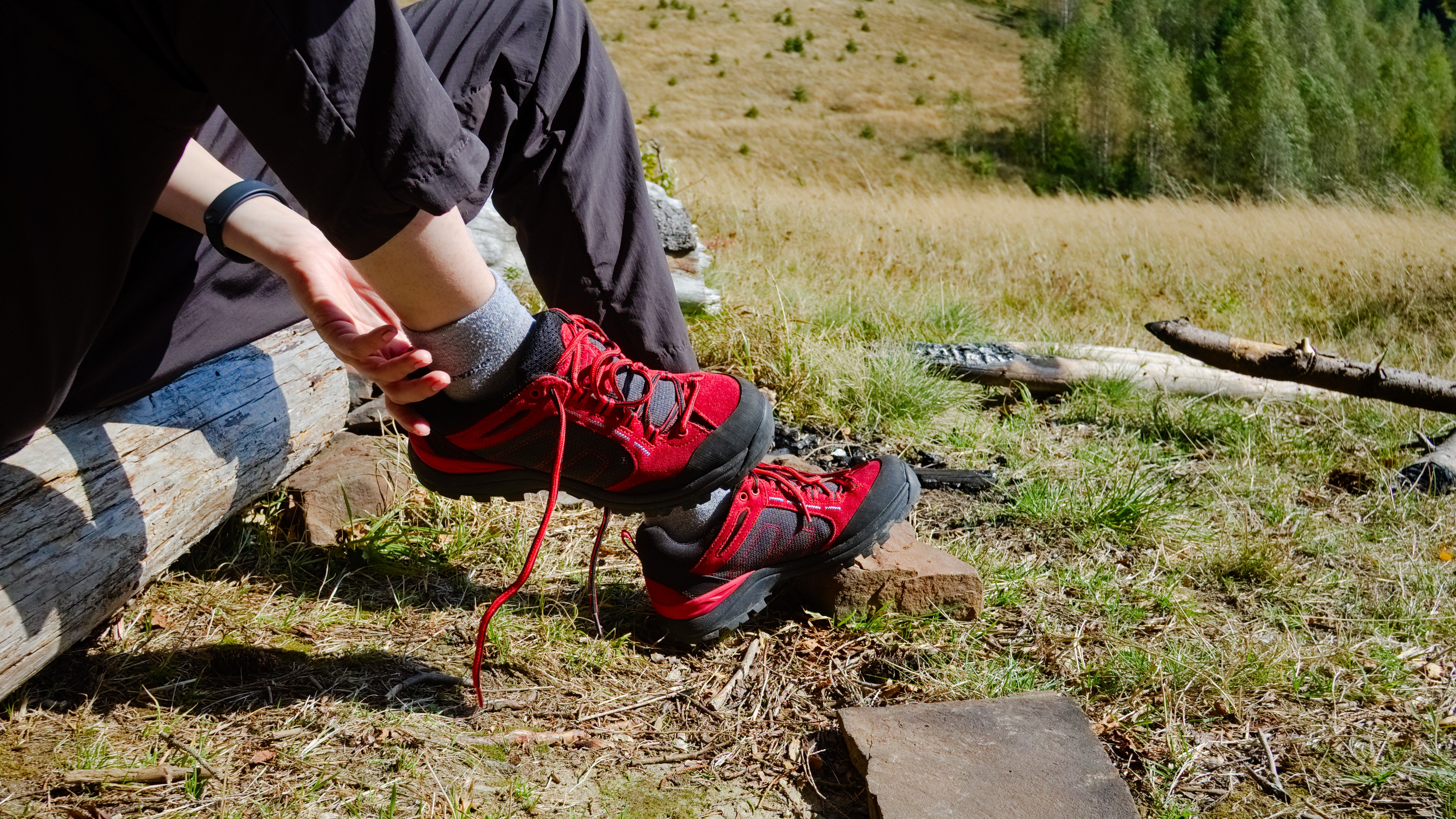
How can I prolong the length of my hiking boots?
- Avoid unnecessary river crossings and avoid saturating your boots
- Look after your boots by cleaning them regularly
- Look into resoling your boots rather than replacing outright
- Purchase boots for different purposes
Obviously, if you’ve spent a lot of money on a really great pair of hiking boots and they’re performing really well for you, you want to keep them in as good condition as possible for as long as possible. That said, you also probably want to be scrambling up rocky summits with them, so is there anything you can do to keep them around for longer?
You can definitely avoid unnecessary river crossings and avoid saturating your boots repeatedly for long periods of time. It’s also a good idea to clean your hiking boots after every use, whether that’s just brushing the dust and debris off them or giving them a proper scrub.
As we already mentioned, you may be able to have your boots resoled rather than replaced, if the soles have worn down and the uppers are still looking good. Not all boots can easily be resoled these days, but it’s certainly worth looking into as a better option for your wallet and the planet.
Finally, it might make sense to own more than one pair of hiking boots. For example, you might have a heavier, warmer pair of waterproof winter hiking boots for colder weather and a more lightweight pair of hiking shoes for when the weather is warm and the trails are dry. This might mean more comfortable hiking year-round, and means each pair sees less use over time.