After his installation as England captain during a disastrous series against the West Indies in 1966, Brian Close is alleged to have delivered a few tough truths to his men. “I shouldn’t be here if we hadn’t made such a mess of this series,” Close supposedly said. “What’s more, neither would a few of you.”
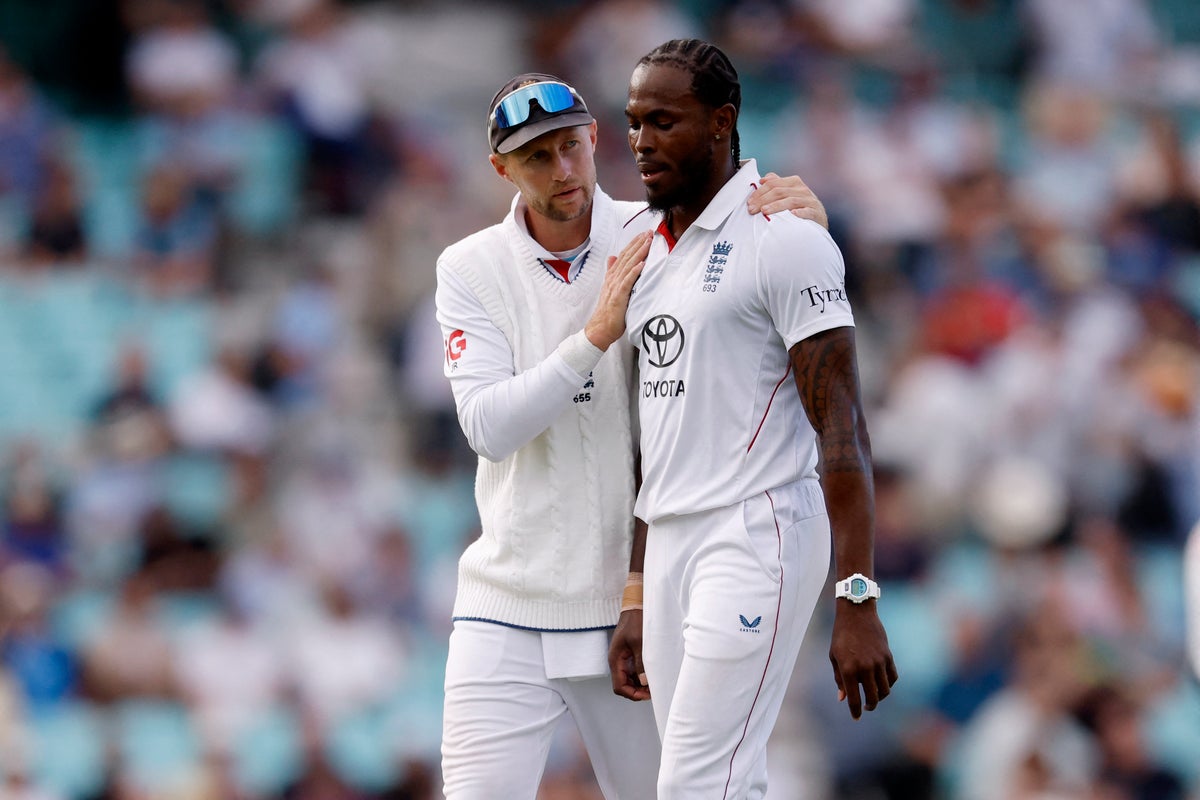
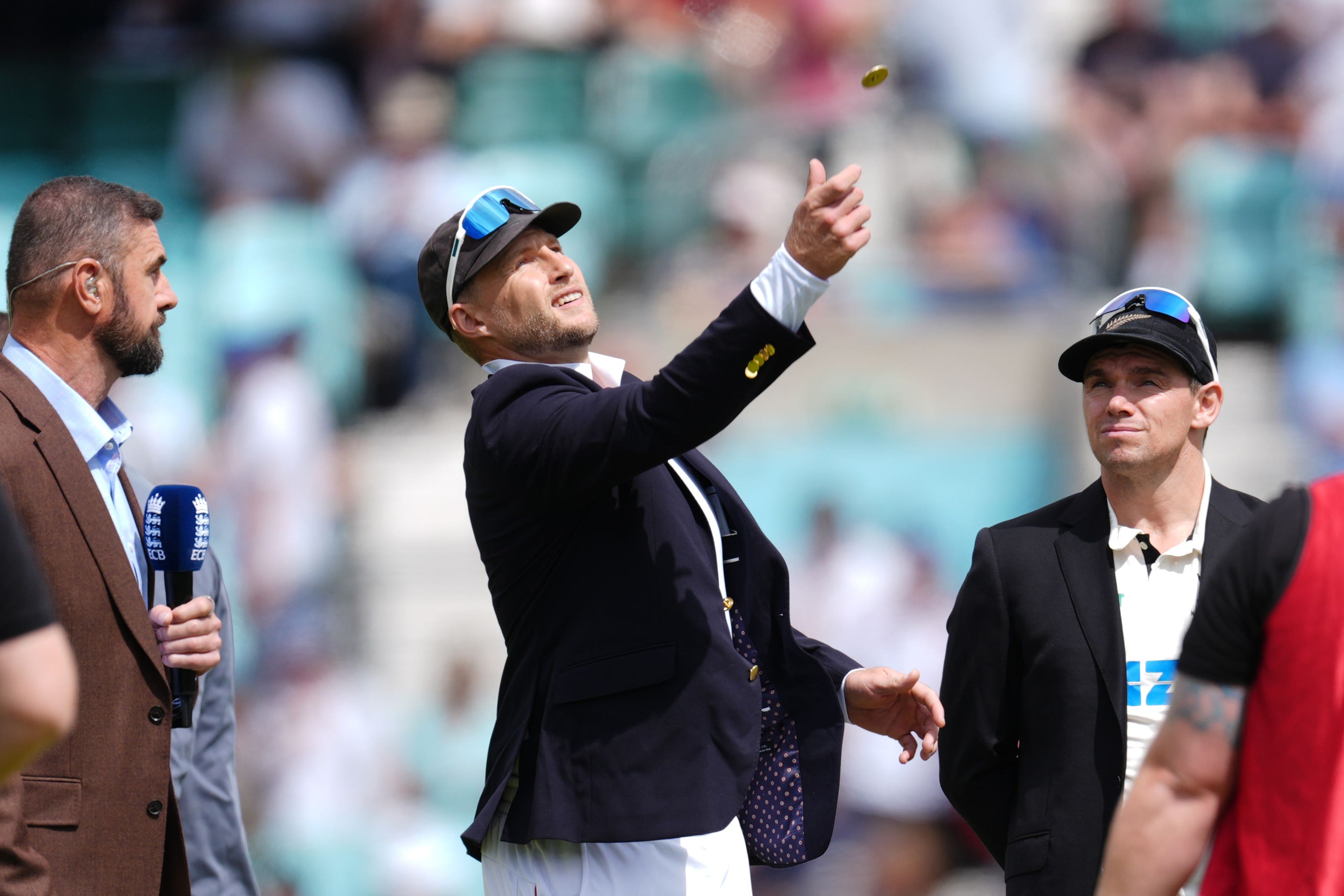
They were words that his fellow Yorkshireman Joe Root could perhaps have aped as he addressed the rank and file after leading England out in Test cricket for the 65th time. The mess may not have been made on the field as in 1966 in the summer of Sobers, but the stand-in skipper may just have gazed around a huddle containing five players with one cap or fewer and wondered quite how he and they had got here. At least the blazer, dug out of the garage and dusted off, still fit snugly on shoulders that, Root himself admitted, had been unlikely to carry this burden again.
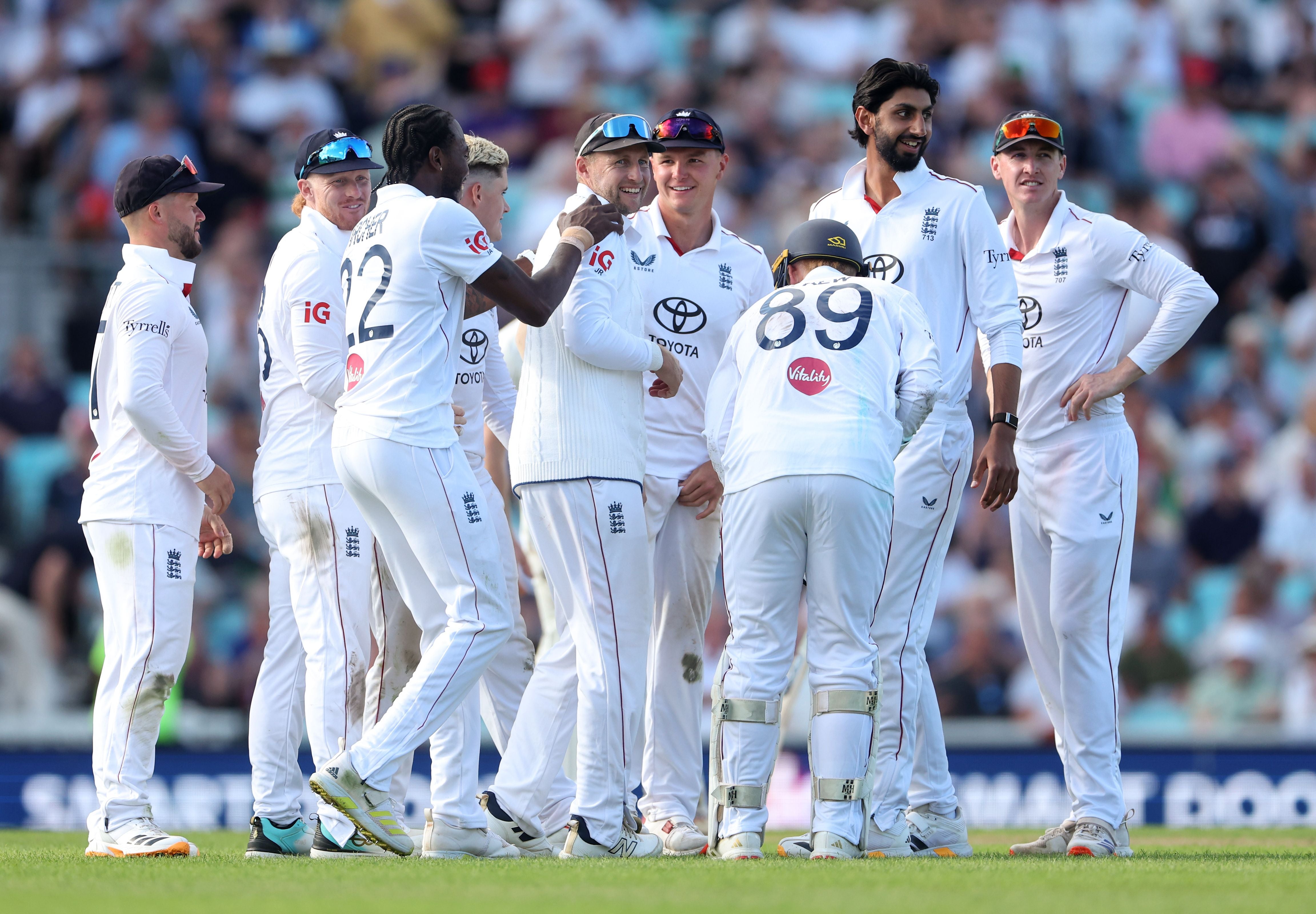
Four years on from being worn down and worn out by the captaincy, England’s man for a crisis answered his country’s call once more. How long his interregnum will last is one of a number of unknowns amid circumstances that must be termed exceptional – but this was an encouraging, imaginative start to his temporary tenure. Root had spoken on match eve of a faint envy of the relationship built between Ben Stokes and Brendon McCullum, and there were shades of Stokes in the unorthodox field placings and regular tinkering that came across the course of the day. At various points there were umbrella-ed catchers in front of the wicket and an avant-garde selection behind, with time left for a spot of leg theory late on.
It felt distinctly different to the Root of his permanent tenure. The stand-in skipper had not been handed an attack of vast experience – his 73 was the highest tally of Test wickets in the team – but in Jofra Archer, Josh Tongue, Sonny Baker and Matt Fisher there was plenty of pace and enthusiasm. The funkiness of the fields did not always help a callow unit that might have benefitted from a more conventional approach, though succeeded in giving the New Zealand batters plenty to think about on a surface likely to get better over the next couple of days.
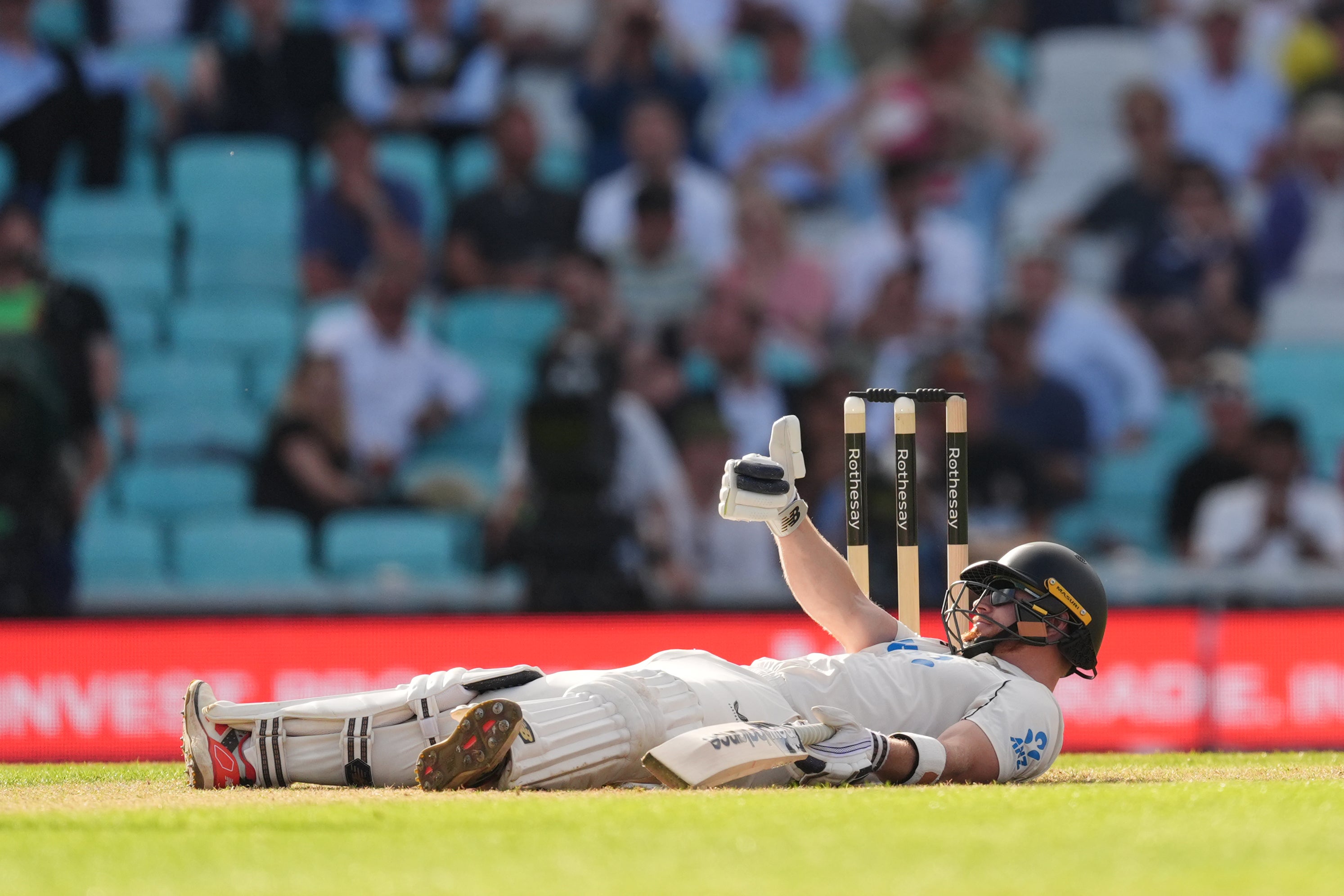
It cannot have been easy for Root to fill the sizeable shoes of his great mate, particularly in such a scenario, but it felt like he enjoyed re-taking the reins. Late in the day, he let Archer loose for an eight-over burst of bouncers that left Glenn Phillips flat on his back several times – the punchy Kiwi counter-attacker finished just about still standing to resume on 48 on a second morning upon which he will be key.
There had been a certain serenity to the early proceedings, which was welcome after the helter-skelter Lord’s Test and the turbulent week that followed. The Test began half-an-hour later than planned under clearing skies that, having released a moistening morning shower, nonetheless helped persuade Root to insert New Zealand. Early swing and zip for Fisher and Archer provided reason for encouragement but the peeling back of the covers had revealed a firm surface upon which some toil from the four seamers would be required.
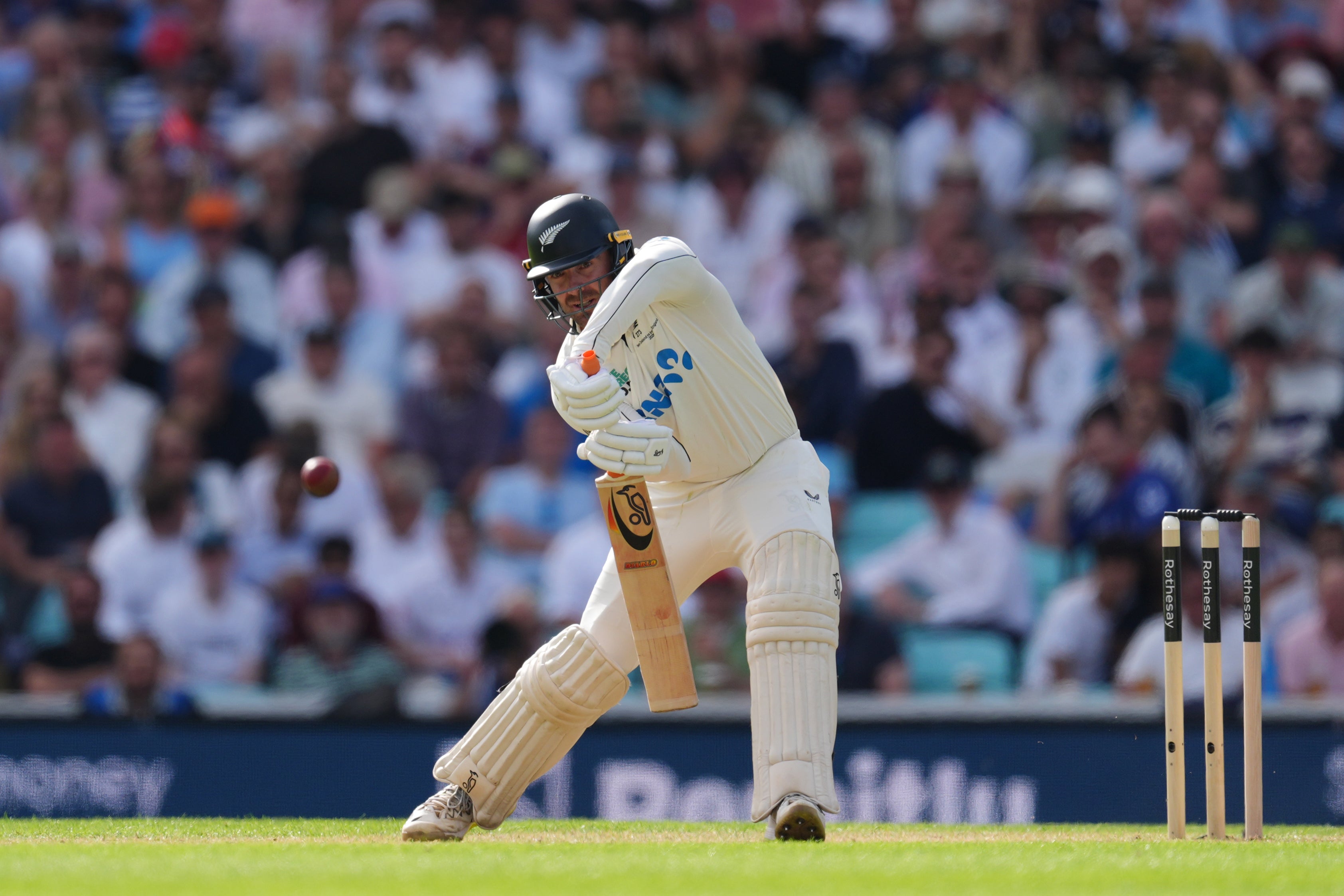
They did not, perhaps, make a top four of southpaws play often enough in the 25 overs that preceded lunch, though did strike twice. Fisher – whose angle of attack from around the wicket to the left-handers did not maybe make best use of his significant inward movement – was a little fortunate to burgle the wicket of Conway, gloving down the leg side to James Rew, one of three English debutants, early on. Archer’s removal of Tom Latham for 27 was a rather more classical dismissal, nip from the surface taking the leading edge of a flicking bat and snaffled superbly by Jacob Bethell.
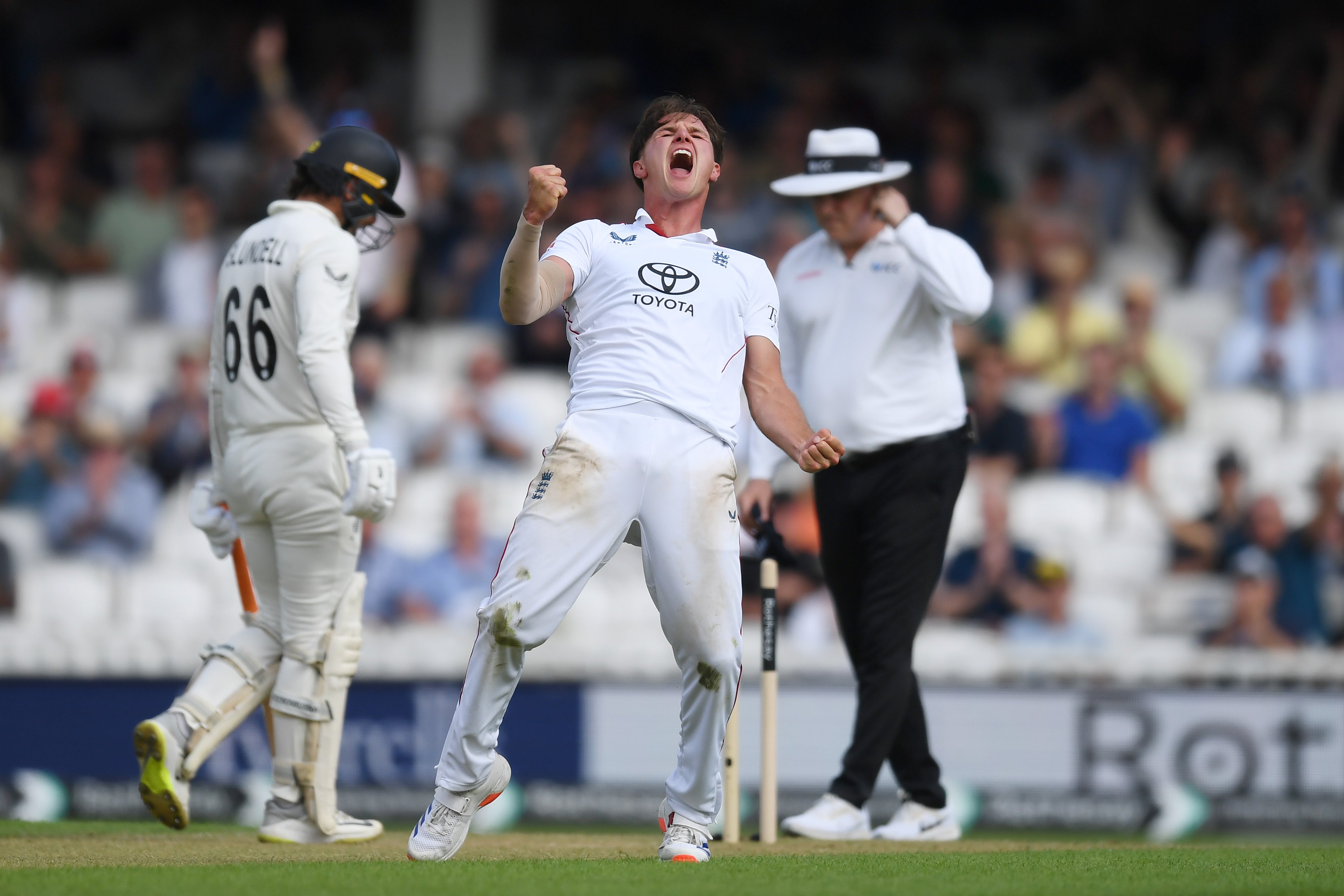
The arrival of Baker for the first time in Test cricket had been greeted by strains of the sax solo from that old Gerry Rafferty tune, and after lunch there was cause for a reprise. Tongue had already extracted the limpeting Nicholls – batting No 3 after the retirement of Kane Williamson – with a chop-on when the debutant drew an indeterminate guide to the gully from Rachin Ravindra, which was grasped again by Bethell’s safe hands. “I’m so happy to be underway and get my first one, I’m buzzing,” the ebullient seamer beamed afterwards. “I saw it as a bit of a free hit, really. It is such a good opportunity for me to just get stuck in.”
The partnership of Daryl Mitchell and Tom Blundell had been the scourge of England in the first series of the McCullum/Stokes era and their alliance of 81 threatened to reopen old scars. It was snapped, though, by the boundless energy of the terrier-like Baker, hurrying Mitchell for pace even while bowling from a yard behind the crease after some foot-hole issues.
A sprawling Rew grassed an exceptionally tough catch down the leg side off Blundell, allowing his wicketkeeping counterpart to stitch together another partnership of substance with Phillips. Archer’s sharp bumper barrage looked the likeliest route to parting them. Inadvertently, it did: Blundell (51) dragged an introduced Bethell’s innocuous tweakers at the other end straight to Root at midwicket. A sharp catch; a clever change. 15 minutes before the close, the left-arm spinner had another, Nathan Smith helping a thigh-high full toss straight up in the air to make it just about England’s day.