Labour has set out its proposals for major reforms to special educational needs and disabilities (Send) provision as part of its new policy package on schools today.
Children who need additional support in nursery, school or college currently access help through the Send system, with their parents applying for an Education, Health and Care Plan (EHCP).
But spending on support for Send children has ballooned in recent years, with the number of EHCPs increasing by 166 per cent between January 2015 and January 2025.
As demand for provision grows, many councils have raised concerns about the unmanageable cost of provision, prompting the government to announce earlier that it will write off 90 per cent of the Send deficits accrued.
The Department for Education (DfE) has now released its Schools White Paper, detailing its plans to overhaul the Send system, which has been criticised by many parents and campaigners as insufficient despite its high cost.
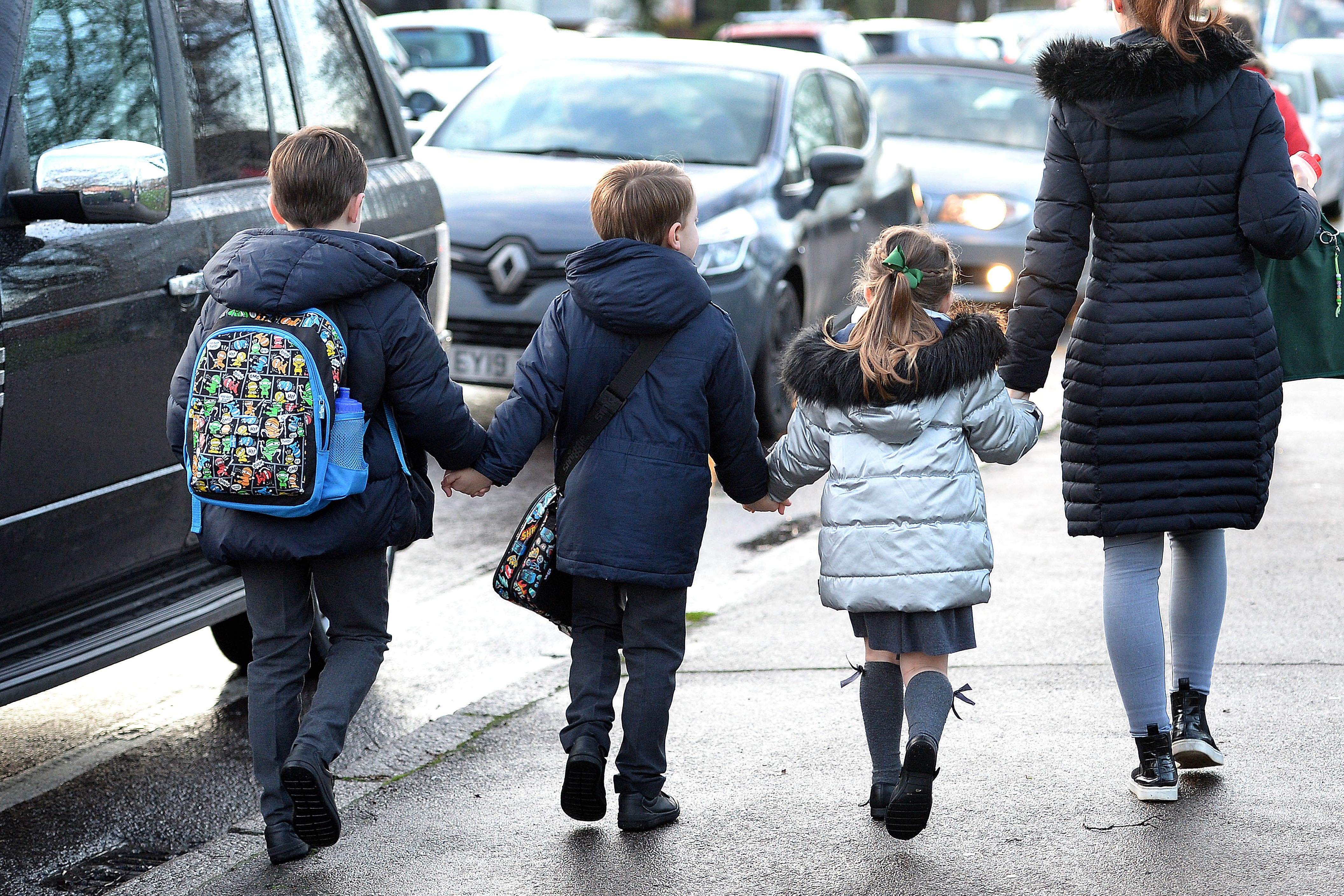
Prime minister Keir Starmer said: “I’ve heard first hand the struggles and exhaustion faced by too many parents who feel they have to fight the system to get their child the support they need.
“But getting the right support should never be a battle – it should be a given.
“That means no more ‘one size fits all’ system that only serves children who fit the mould. Instead, families will get tailored support built around their child’s individual needs, available on their doorstep.”
The government has committed an extra £4bn to the new programme.
However, experts have also warned that 270,000 fewer young people will be awarded EHCPs by 2035 after the changes, a drop of a third on current projections, meaning some may miss out on the provision they need.
What are the proposed Send changes?
Most of the proposed changes to the Send system are expected to be enacted from 2029, and are now subject to consultation.
One of the key proposals is to revise the EHCP of pupils when they move from primary to secondary school (year 7). Crucially, this would not apply to children currently in year 3 or above, who will continue to keep their EHCP until at least age 16.
The policy document also outlines a universal offer for all children, setting a “new baseline” for mainstream schools to meet the needs of all children.
The paper proposes a new plan with legal footing for all children with Send called individual support plans (ISPs), which have multiple tiers of support – targeted and targeted plus. Children will not need to have a diagnosis to access these.

Children with the most complex needs will still have EHCPs, which will underpin new specialist provision packages.
Assessments for the new system, which will be consulted on for 12 weeks, will start in September 2029 with no changes to current support before “at least September 2030”.
When the new legislation comes into effect, children with EHCPs will be reassessed at the end of their education phase and it will be decided whether they need a specialist provision package. If they do, a new EHCP will be developed.
Regardless of whether they have a new EHCP developed, the child’s school will have a statutory duty to draw up an ISP.
Schools watchdog Ofsted will monitor how schools are implementing ISPs, and where they are not meeting standards it could lead to new school management.
The reforms will also introduce a fast-track route alongside the NHS for a specialist provision package and EHCP for children under five who have been identified as having the most complex needs.
No child with a special school place when the reforms start being introduced in 2029 will lose it, the white paper adds.
The DfE said it wants Send tribunals to be a “last resort”, but parents will still be able to appeal to a tribunal about an EHCP if they have a complaint about a council’s decision not to carry out an assessment of their child’s needs, or about whether their child meets the threshold for a certain type of support.
Challenges to ISPs will be through normal schools and local council complaints procedures.
East Coast hit with a foot of snow as blizzard conditions cause chaos
Phillipson vows inclusion for Send children amid concerns over support reforms
Children with current highest level of Send support set to fall from 2030
My late brother’s struggles in school inspired Send overhaul, Starmer says
Martin Lewis apologises after gatecrashing Badenoch interview on student loans
Urgent recall of another children’s toy over asbestos contamination fears