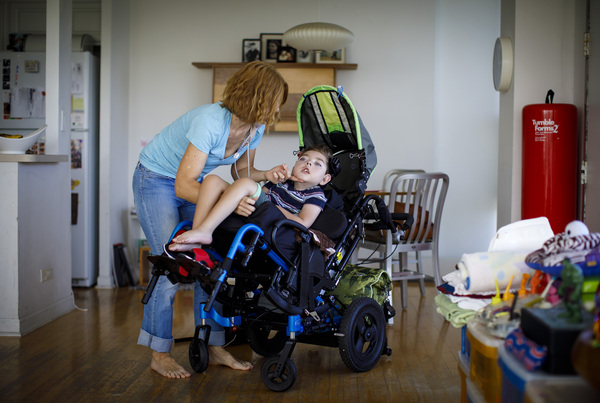
CHICAGO _ Nine months pregnant, Natasha Spencer watched anxiously from her eighth-floor window as the abandoned cars and buses piled up on South Shore Drive.
One of the worst blizzards in Chicago history gripped the city in the winter of 2011, and Spencer was past her due date. Her obstetrician had offered to induce labor before the storm hit, but Spencer declined. As she watched the snowdrifts devour the vehicles on the road below, Spencer wondered if she should have listened.
Spencer was nearing 40, so she was keenly aware that her pregnancy was high-risk by medical standards. Throughout her pregnancy, she hadn't been able to shake a foreboding that was so intense and so out of character she didn't even tell her husband about it.

She had opted for all the tests, even the amniocentesis, and all came out clear. At Spencer's 21-week ultrasound, the doctor went through her son's anatomy part by part and offered reassurance, his comforting words etching themselves into her memory: "That's a beautiful brain."
Spencer's son also had impeccable timing. Kenan Spencer Witczak _ 8 pounds, 11 ounces with a full head of hair _ was born on Feb. 5, three days after the snowstorm ended, enough time for the streets to become passable, enough time for doctors to get back to work.
Spencer introduced Kenan, her second child, to her Facebook friends with a photo of him swaddled and sleeping. "We are in love!" she wrote.

Before Kenan headed home from the hospital, there was one final test, a routine one for Illinois newborns. A nurse pricked his heel and collected blood for special filter paper that a state lab would screen for dozens of rare diseases.
The Illinois Department of Public Health followed up with a sheet of paper bearing an unmistakable message:
"All results are normal."

Those four words doomed Spencer's child.