
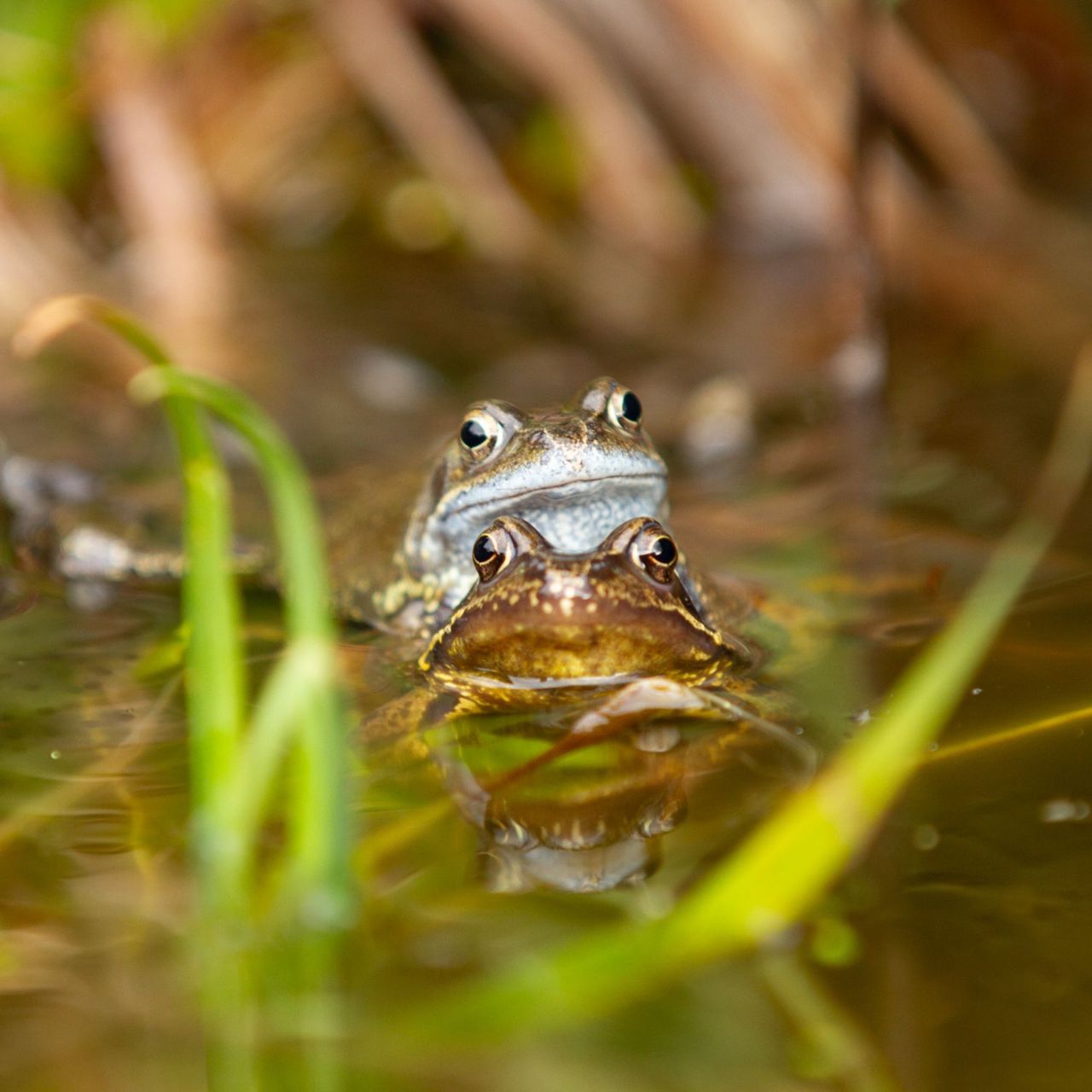
Every single year, my garden is filled with confused frogs and toads looking for somewhere to rest. Finally, I decided to do something about it and build a mini pond for all my watery critters to enjoy.
For years I thought a pond would be expensive, hard to build and something only to be attempted by professional landscapers. I shoved it to the bottom of my wishlist, even as I read up on its benefits for a wildlife garden. Then, I discovered I didn’t need a digger, a contractor, or even a big space. I just needed a bucket and a bit of curiosity.
Oh yes, a bucket! And believe me, if you’ve got a patch of soil, some time and a willingness to get a little muddy, building a mini pond is one of the most satisfying wildlife projects you can do. Honestly, I used advice from The Wildlife Trusts, swapped a hole in the ground for a humble bucket, and ended up with a tiny aquatic haven that’s already teeming with life. Win!
Why a mini pond is worth it
Before I dug in (literally), I read up on why ponds are so valuable. Even a small body of water can be a lifeline for wildlife: amphibians (think frogs, toads, newts), insects (dragonflies, water beetles), birds, hedgehogs and mammals will all use water as a resource if it’s available. Rarely do gardens have standing water by default, which means creating one – even a modest one – can fill a gap in your local ecosystem.
The Wildlife Trusts explain that ponds support more species than any other freshwater habitat in our gardens, especially if they’re left to mature naturally over time. With a bit of planning, even a tiny pond can become a bubbling biodiverse hotspot.
1. Location, location, location
The first consideration was where to put it. After watching how sunlight tracked across my garden, I chose a spot that gets morning sun and afternoon shade: it’s warm enough to encourage life but not so hot that the water boils away or weeds take over. A mini pond doesn’t need perfect conditions, but it does need stable ground and good drainage around it so that overflow doesn’t puddle indoors.
I also kept it away from big trees to avoid being swamped with leaves – pond maintenance is easier when you don’t have to fish out autumn debris every ten minutes.
2. Choosing my ‘pond’
Enter the humble bucket. It might sound unromantic, but a sturdy garden bucket is excellent for a mini pond because it already holds water, it's small enough to place almost anywhere, and it's really simple to install. It's also cheap!
I used a 20-litre bucket I already had, but you can use any container as long as it’s watertight and safe (avoid old paint buckets, as the residues can be toxic). You just need to make sure you have a depth of at least 30cm, so nature has space to do its thing. This bucket from Amazon, £12.99, is perfect.
3. Digging in
The Wildlife Trusts recommend that pond edges slope gently, but with a bucket, the slope is built in. I dug a hole just deep enough so that the top lip of the bucket sat flush with the soil. This way, wildlife can easily climb in and out (frogs aren’t fans of fancy vertical ladders!), and it looks more natural.
Once level, I placed the bucket in its new home, filled the space around it with soil and pressed down firmly so it couldn’t shift.
4. Filling up
Next came water, and here’s a tip straight from the Trusts: use rainwater if you can. Tap water is fine, too, but rainwater is softer and closer to what wildlife is adapted to. I set up a simple rain catcher (a clean watering can beneath the downpipe) and filled the bucket over a couple of days.
Once it was full, I left it to settle for a day or two before adding plants.
5. Adding plants
Plants are the heart of any pond or water feature. They oxygenate the water, provide shelter and food, and make the whole thing look lush. I chose a few simple, budget-friendly plants: think elodea and water lettuce.
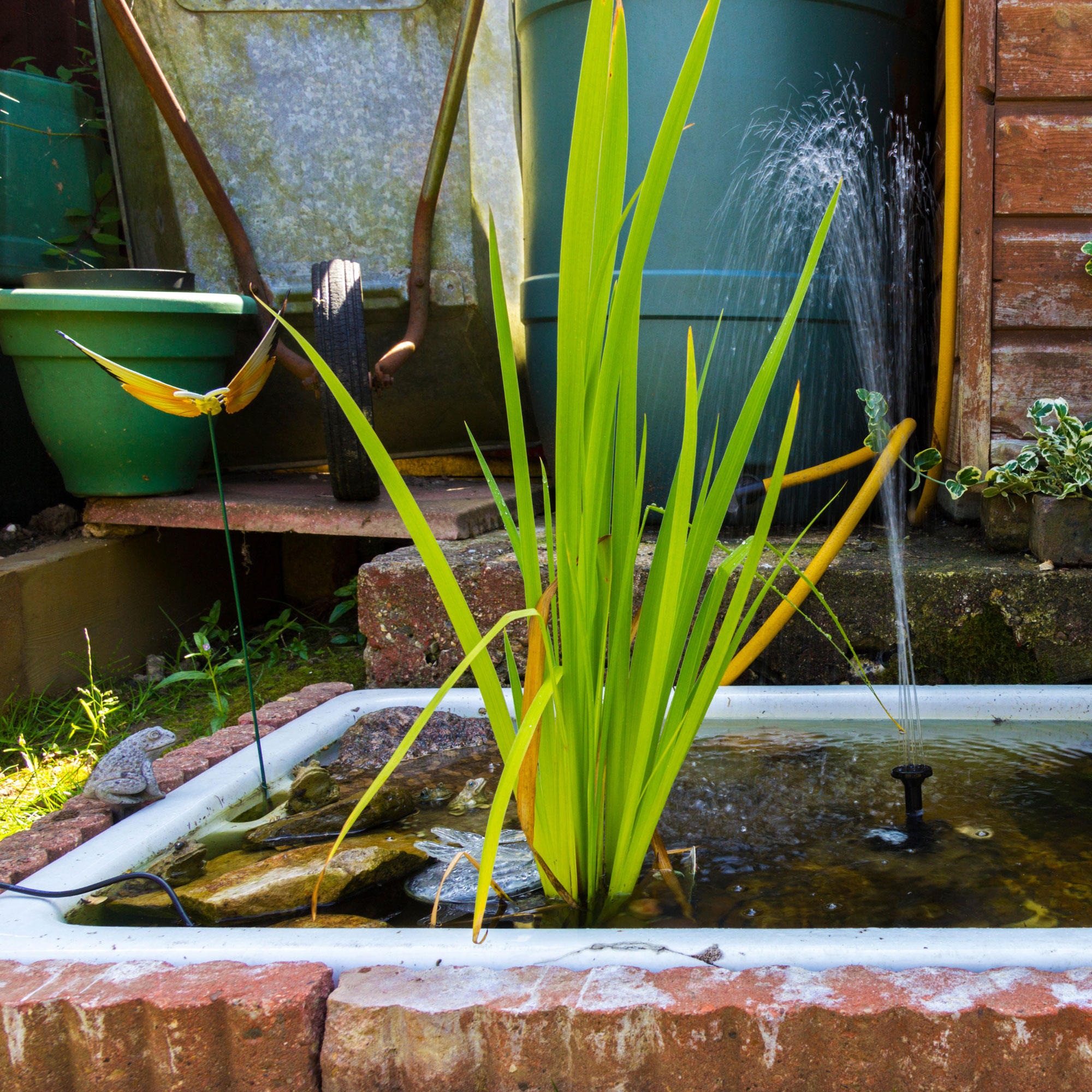
The Wildlife Trusts suggest using native plants where possible so that local wildlife recognises them. I planted most at the edge of the bucket so their roots could spread into the water.
6. Leave it alone
This was the part I least expected: waiting. I figured I’d need to introduce frogs or newts manually. Turns out, I didn’t. Within a couple of weeks, insects discovered the water, followed by the biggest toad I’ve ever seen. Birds have been drinking from it regularly, and the odd squirrel, which means my greyhound often stalks the perimeter with hopeful eyes.
One reason this works is that even tiny pockets of water attract life naturally: wildlife often discovers a new pond within days if conditions are right. And if yours doesn’t attract everything at once? That’s OK, too. Patience is part of the joy of gardening!
Still, to quickly attract wildlife to the new pond, consider using some wildlife pond food, available from Amazon, which will prove popular with critters in your garden.
FAQs
Do I need planning permission for a small pond?
You do not need planning permission for a very small pond (especially if you're attempting this same bucket method), but if you're thinking bigger, then it is worth checking in with your local authority.
How often should you clean a mini pond?
You don’t need to clean a mini pond obsessively. However, you should check water levels weekly (especially in dry spells) and top up with rainwater where you can.
It's also a good idea to let leaves and detritus break down naturally, as this feeds insect larvae and builds healthy pond ecology. If there are lots of old leaves, though, then do remove them with a small net.
Whatever you do, steer clear of nasty chemicals. It ruins the point entirely!
Looking back, building a mini pond with a bucket was one of the most satisfying projects I’ve ever done in my garden. It cost next to nothing, took just an afternoon, and now offers endless pleasure (my kids love checking in to see what minibeasts are enjoying it).
Best of all, though, it serves as a reminder that you don’t need a big space or specialist gear to make room for nature: just a willingness to get stuck in and try something a little different.
Trust me: your garden’s tiny pond might start with a bucket, but what it creates is something that feels much, much bigger. Good luck!