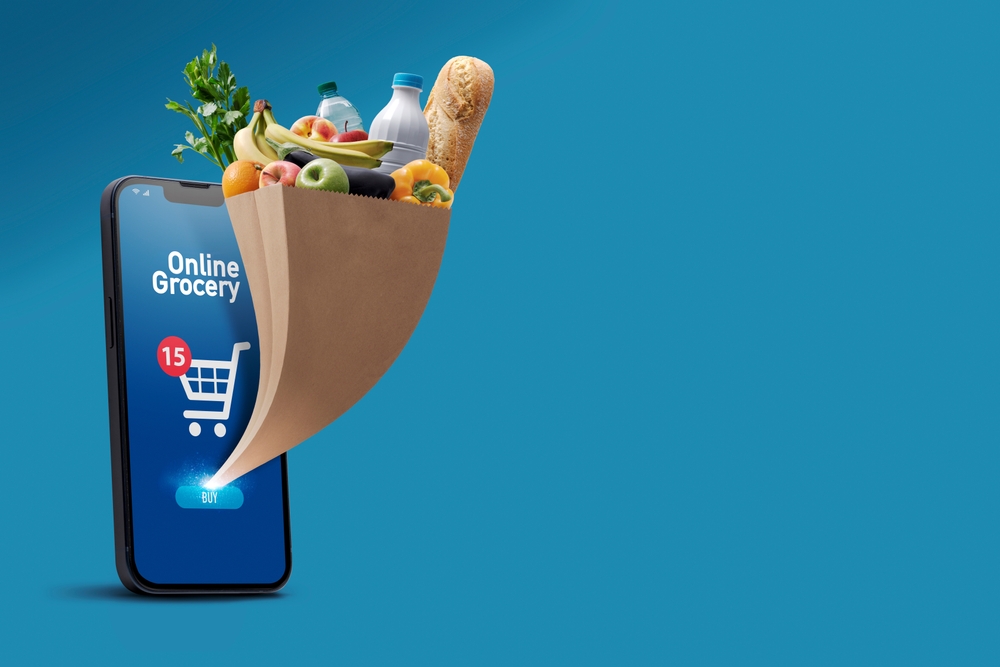
Grocery delivery apps have revolutionized the way people shop for food. They offer convenience, speed, and a promise to save time. But behind that promise sits a growing concern: hidden charges that quietly inflate the final bill. As more families rely on these services, understanding how these additional costs work is crucial. The real price of convenience is often higher than it looks, and it’s time to unpack how grocery delivery apps profit from hidden fees.
1. Service Fees That Shift Without Notice
One of the most common hidden fees in grocery delivery apps is the “service fee.” It sounds harmless—just a small charge to keep the platform running. But these fees often fluctuate depending on order size, store choice, or even time of day. A shopper might see a 5% fee one week and a 9% fee the next, with no clear explanation. That lack of transparency is what makes it a hidden cost.
Some apps frame these charges as necessary for maintaining quality or paying drivers fairly. The truth is more complicated. The company, not the driver, usually keeps most of that money. When users think they’re tipping or supporting workers, they’re often padding the platform’s profit margin instead. This practice turns a small convenience into a steady revenue stream built on confusion.
2. Inflated Product Prices
Hidden fees don’t always appear as line items. Sometimes they’re baked right into the price of milk, cereal, or produce. Grocery delivery apps often mark up in-store prices without telling the customer. A banana that costs 25 cents in-store might show up as 35 cents online. The difference seems tiny, but across a full cart, it adds up fast.
Platforms justify these markups as covering logistics or “digital shelf” costs. But when users compare receipts from in-store purchases with app orders, the gap becomes obvious. The markup model quietly boosts profit without showing up as a fee. It’s a clever way to profit from hidden fees while pretending to keep delivery affordable.
3. Delivery Fees That Don’t Go Where You Think
Most shoppers assume delivery fees go straight to the driver. In many cases, only a fraction does. The rest funnels back to the company. Apps often charge both a “delivery fee” and a “service fee,” each described vaguely. The overlap is intentional. It lets companies double-charge for a single service under two names.
Drivers frequently rely on tips to make up the difference. That means customers are paying more than they think, while workers still earn less than expected. The company ends up profiting from both sides. It collects from the shopper through hidden fees and saves on labor costs by shifting responsibility to tipping. It’s a system that looks fair on the surface but benefits only one party—the platform itself.
4. Small Order Fees and Minimums
Ordering a few items might sound like a smart way to save money, but many grocery delivery apps penalize small orders. They tack on “small order fees” or require a minimum purchase amount. If you just need a carton of eggs or a loaf of bread, you might pay an extra $2 to $4 simply for ordering less.
This structure nudges users toward larger orders, which increases the company’s average ticket size. It also discourages price-sensitive customers who might otherwise use the service occasionally. The small order fee is a hidden fee disguised as a nudge, designed less to cover costs and more to manipulate behavior.
5. Memberships and Subscription Loopholes
Subscription models like “premium” or “plus” memberships promise free delivery and exclusive deals. But buried in the fine print are new forms of hidden fees. Some memberships include “peak time” surcharges or limited “free” deliveries per month. After that limit, normal charges apply again. Others quietly renew at higher rates after an introductory period.
These subscriptions create predictable revenue for companies while giving shoppers a false sense of savings. Many users don’t realize how much they’re spending until renewal hits their statement. The promise of free delivery becomes another way grocery delivery apps profit from hidden fees—just spread out across time.
6. The Role of Algorithmic Pricing
Algorithms now determine how much users pay, and that’s where hidden fees get even murkier. Prices can shift based on demand, location, or even browsing history. Two people living in the same neighborhood might see different totals for identical orders. That’s not a glitch—it’s dynamic pricing in action.
By adjusting costs invisibly, grocery delivery apps can squeeze more revenue out of busy evenings or high-income zip codes. It’s the same strategy used by rideshare companies, but with groceries, it’s harder to spot. The lack of clear pricing rules turns convenience into a guessing game. The algorithm ensures profit while keeping customers in the dark.
What Shoppers Can Do About It
Awareness is the first step toward avoiding these costs. Comparing in-store receipts with app totals often reveals how grocery delivery apps profit from hidden fees. Some shoppers use browser extensions or track prices manually to see when markups appear. Others switch between apps to find the lowest overall bill, even if it means juggling multiple accounts.
Regulators have started paying attention, but policy changes move slowly. Until then, it’s up to shoppers to read the fine print and question every extra charge. Convenience doesn’t have to mean surrendering control of your budget. When customers push back, even quietly, it forces transparency. And transparency is the one thing hidden fees can’t survive.
Have you noticed sneaky extra charges on your grocery deliveries? Share your experience in the comments.
What to Read Next…
- Why Grocery Delivery Might Be Making You Spend More Not Less
- The Hidden Costs Of Grocery Delivery Is It Really Worth It
- Grocery Delivery Coupons 7 Rules Every Frugal Shopper Swears By
- 8 Ways Grocery Stores Trick You Into Paying More
- How Retailers Trick You Into Spending More With Discounts
The post How Grocery Delivery Apps Are Profiting From Hidden Fees appeared first on Grocery Coupon Guide.