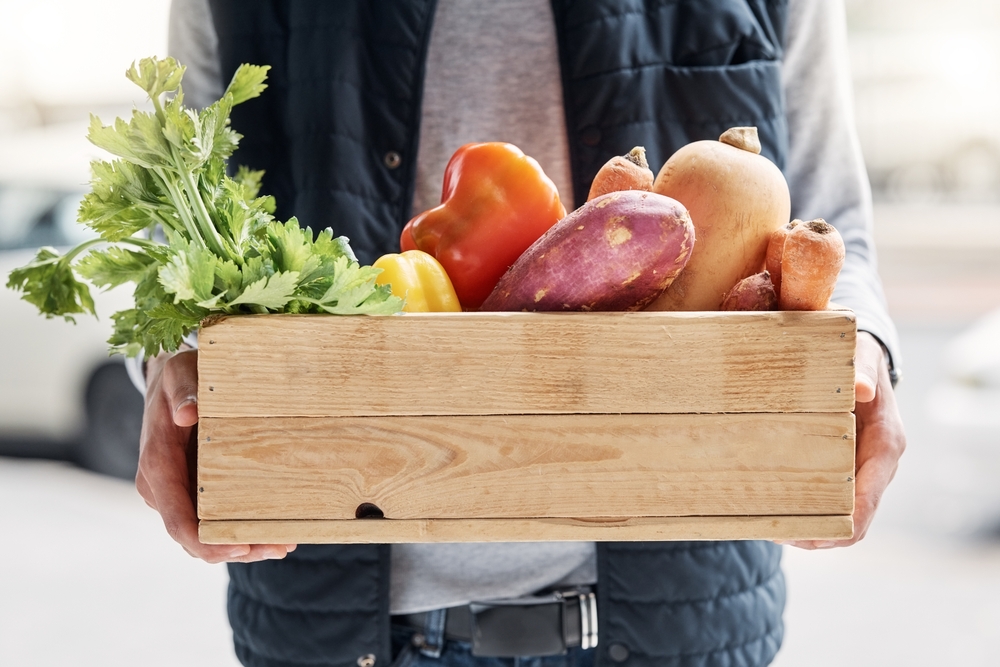
Access to fresh food determines whether a neighborhood thrives or struggles. Grocery chains rarely say it outright, but they sort communities into winners and losers through quiet calculations. Some blocks get full-service stores packed with produce. Others get nothing. The pattern raises uncomfortable questions about who has access to fresh food and who is shut out. These decisions shape daily life, and they ripple through health, housing, and local economies.
1. Demographic Thresholds
Chains start with population metrics. A neighborhood needs enough potential customers to justify the cost of opening a store, stocking perishables, and hiring full-time staff. Fresh food access rises or falls on this first filter. If household counts fall short, chains often stop the process right there.
But headcount alone doesn’t seal a neighborhood’s fate. Chains parse age brackets, family size, and household density to project how quickly produce will move off shelves. Slow turnover means waste. Fast turnover signals stability. And in this business, stability wins. Fresh food access becomes collateral damage when the math says a location might stall.
2. Income and Spending Power
Income data shapes more decisions than any feasibility study. Chains model how much money a community can consistently spend on groceries. It’s not just about raw income. They look at disposable income, rent-to-income ratios, and how much room families have for produce that spoils if not eaten quickly.
Neighborhoods with tight budgets often get pushed into a different category. Chains assume residents will buy shelf-stable goods before fresh produce. That assumption becomes policy. And with that policy, fresh food access contracts. The gap widens, not because demand is missing, but because chains expect limited spending and act on those expectations.
3. Competitive Pressure
Chains track where rivals operate and whether those stores meet demand. If a competitor sits nearby—even one that doesn’t offer strong produce sections—chains often retreat. They don’t want to split margins or fight for market share in a crowded zone.
This is where fresh food access becomes a casualty of corporate caution. A community might technically have a store. But if that store skimps on produce or sells items at high prices, the neighborhood still lacks real access. Yet chains treat the area as covered. The result: a kind of competitive mirage that hides the gap from corporate maps.
4. Real Estate Constraints
A full-service grocery store needs a large footprint, room for trucks, and enough space to move customers through wide aisles. Many neighborhoods lack parcels that meet those demands. Houses sit close together. Lots are small. Commercial land is split into narrow slices. Chains label these areas “site constrained.”
And that label often sticks, even when alternatives exist. Smaller-format stores could work. Mixed-use developments could bring retail to dense blocks. But chains follow standard templates that leave little room for variation. Without flexibility, fresh food access becomes entangled in zoning rules and outdated building models.
5. Transportation Patterns
Chains study how people travel. They want customers who can reach the store quickly by car, bus, or foot. If a neighborhood relies heavily on public transit or walking, chains scrutinize the data harder. They fear low transaction volume, shorter visits, and smaller baskets.
This logic hits certain communities disproportionately. When residents depend on buses, chains assume the trips won’t support significant produce sales. Fresh food access becomes tangled in assumptions about how people shop, even when those assumptions overlook how residents adapt, share rides, or make frequent small trips.
6. Perceived Risk
Chains evaluate loss prevention data, past break-ins, and neighborhood incident rates. These metrics can outweigh every other factor. If a location is flagged as high risk, chains hesitate. They worry about shrinkage, payroll costs for additional security, and insurance premiums.
The problem: these risk models often rely on broad area statistics, not the character of specific blocks. One street’s challenges get applied to another. And when that happens, fresh food access can collapse under the weight of a reputation that doesn’t reflect daily reality.
7. Local Government Incentives
Some cities offer tax credits, grants, or expedited permitting to bring grocery stores into underserved areas. Chains respond quickly when these incentives exist. The money offsets risk and reduces the cost of building or renovating a location.
But not every neighborhood has a city willing to negotiate. When incentives vanish, chains pull back. Fresh food access becomes a bargaining chip in local politics. The neighborhoods with the least leverage often wait the longest.
8. Long-Term Profit Modeling
Chains don’t look only at opening-year numbers. They project five, ten, even fifteen years out. They ask whether a neighborhood’s population will grow, whether new housing is coming, and whether future customers will want fresh food. If projections look flat, the discussion ends.
These long timelines can freeze out communities that need investment now. A neighborhood with a stable population but limited growth may lose its chance, even if current residents would immediately benefit. Fresh food access becomes secondary to decades-long forecasts.
A Different Path Forward
Some chains now reconsider their models. Smaller footprints and flexible designs create openings in places once dismissed as unviable. When these approaches work, fresh food access expands without massive construction or long-term projections. It shifts the conversation from profitability alone to meeting basic needs.
The neighborhoods that waited longest often respond fastest. When fresh food access finally arrives, demand rises. And that demand signals a truth corporate models rarely capture: people want real options, not assumptions written into spreadsheets.
What trends around grocery access have you seen in your community?
What to Read Next…
- How Your Zip Code Could Be Affecting Your Access To Healthy Food
- Where Can You Buy The Cheapest Groceries Suburbs Or City
- Supporting Your Neighborhood 5 Reasons You Should Shop Local
- Why Shopping At Local Grocery Stores Could Save You More Money Than Big Chains
- Grocery Chains Sued For Mislabeling How Trustworthy Are Your Food Labels
The post How Grocery Chains Decide Which Neighborhoods Deserve Fresh Food appeared first on Grocery Coupon Guide.