
Almost one-third of all food generated worldwide goes wasted. It's an astonishing amount, right? In our kitchens, excessive buying and unused ingredients add to this malfunction. Enter food boxes-a very-meeting rapidly growing phenomenon.
These services deliver proportioning ingredients and recipes at your home, allowing for simple meal preparation. Besides easy use, food packaging boxes also bring the possibility of significantly reducing food waste.
They help create a plate more sustainable by accurate portioning, including efficient supply chains and consumer education.
The Problem of Food Waste
Food waste is not just a problem at the commercial kitchen level but has very much become a global disaster. Billions of billions of foodstuffs get lost or wasted on the global scene over the years. This issue gives rise to a number of environmental and economic problems.
Think about the resources that go into growing, transporting, and storing that food wasted. The numbers aren't pleasing back at home as well. But where exactly of this does a large part of it come from?
Our homes!
Buying too much tends to spoil fresh produce as well as leftover meals. Improper storage causes early spoilage, planning of meals is missing, resulting in stockpiling unused ingredients in the pantry.
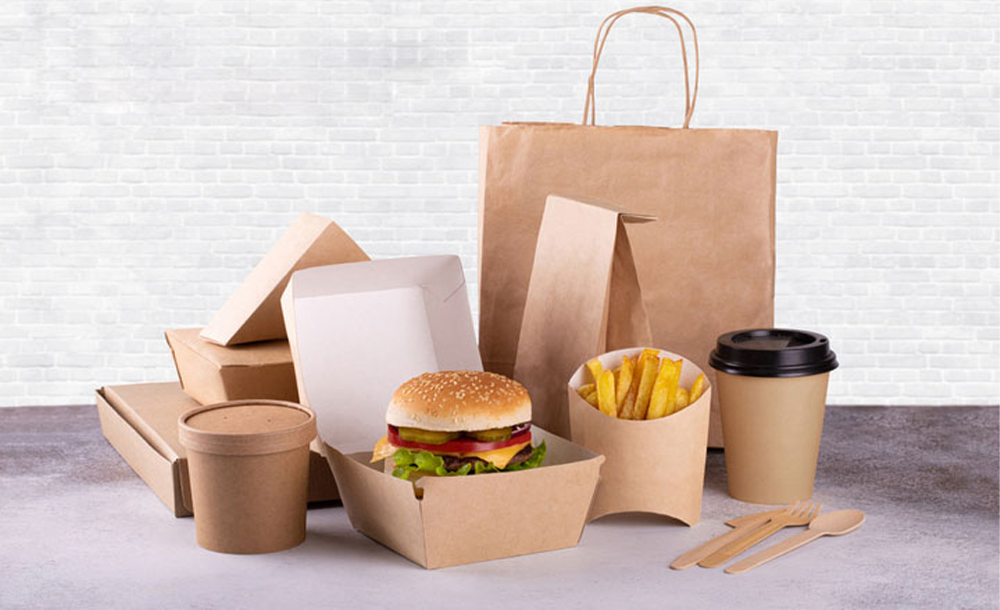
Packaging for junk items like custom burger boxes also piling up that need to be recycled properly.
Impulse purchases and serving sizes are other areas outside the home that add to the waste problems. Very small household habits collectively cause waste, indicating an imperative need for better consumption habits.
How Food Boxes Address Key Waste Drivers?
How often do you buy herbs in bunches only to use a few sprigs? Food box packaging like cone sleeves address this, as they provide pre-portioned ingredients.
It means you get just what you need for a given recipe, and that minimizes excess with the potential for ingredients to spoil in your fridge.
Unlike traditional grocery shopping, where bulk buying creates a tendency for overstocking, this exact way guarantees that everything gets used, and that translates in a massive potential for reducing household food waste.
Efficient Supply Chains: From Farm to Door
Food boxes are known to directly source ingredients and do away with unnecessary long storage times and numerous intermediaries. Such a streamlined distribution approach would minimize losses from transport and distribution.
The concept of just-in-time delivery allows the ingredients to reach your door at maximum freshness to reduce the possibility of spoiling.
With this optimization of supply chains, food box companies will deliver fresher ingredients. Also, ends up with minimum waste compared to conventional grocery models.
Meal Planning and Impulse Buying: Curated Convenience
In fact, the recipes and meal plans supplied in these boxes work towards effective meal planning. The best example is custom waffle boxes. This, in turn, curtails spontaneous grocery shopping, which is usually a wasteful activity.
After how many times have you gone to the store without a plan, just to end up buying things you did not in all need?
These boxes for food prevent impulse buys by providing a plan for your meals for the week; this avoids overbought impulse items with other potential uses and leads to food waste reduction in a home.
Practical Tips for Maximizing Food Box Benefits
Unpack your food box quickly when it arrives. Put perishable items such as leafy greens, herbs, and berries into the refrigerator. All these should be well kept in the crisper drawer for the ideal balance of humidity. However, unboxing for cereal packaging boxes is not recommended.
Grouped, appropriate amounts are where you keep perishable things to maximize access and raw meats for prevention from cross-contamination. Consider checking the expiration dates, and those items that need to be consumed earlier should be placed at the front of your refrigerator.
With the organization above, you ensure that the ingredients are fresher for a longer period, and all spoilage becomes rare, increasing the worth of your food box.
Creative Scrap Use
Use these boxes to save those other strange ingredients or those impossibly useless scraps. Vegetable peel stems and ends stew together for deep, rich, and flavorful vegetable broths that add depth and richness to soups and sauces. Herb stems add flavor to oils or vinegars, creating unexpected flavor profiles.
Stale bread becomes crunchy croutons and custom-made breadcrumbs for an added texture in salads and casseroles. Citrus peels to be zested for fragrant baking or infused cleaning solutions to make your house chores more eco-friendly.
Even watermelon rinds can be pickled or turned into chutneys, leaving a sweet and tangy twist in your meals. You can save all these scraps in your food boxes and reuse them when you can.
Think out of the box and you might find numerous innovative ways of using every part of your food besides significantly reducing waste and maximizing flavor.
Packaging Innovations and Sustainability
In recent years, biodegradable, compostable and recyclable food boxes have been stealing the light. The necessity of moving from traditional plastics to single-use materials cannot be overstated.
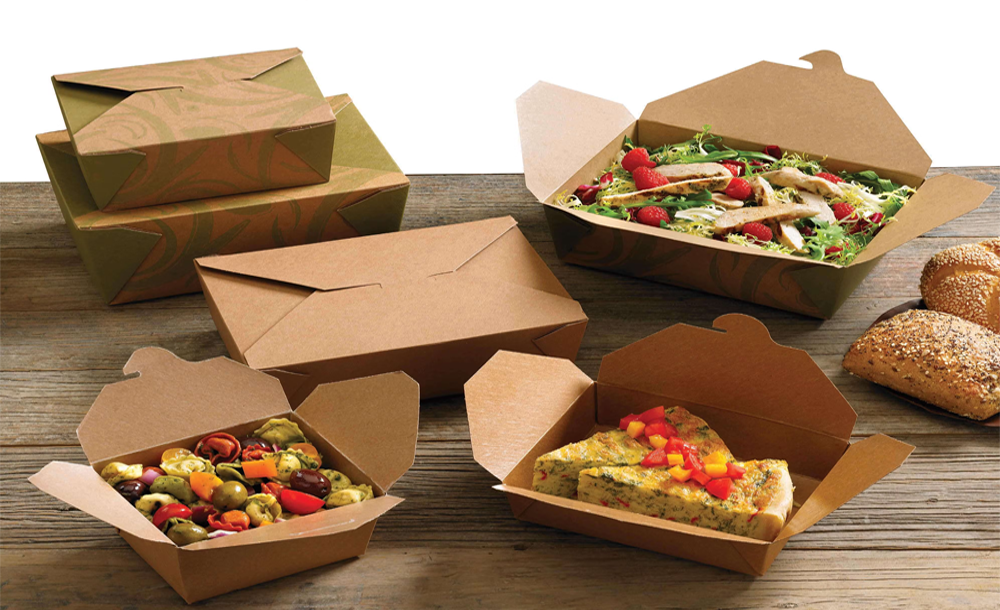
You can consider recycled cardboard boxes, compostable fibre trays, and plant-based films. Such materials break down in nature better than their conventional counterparts, leaving a much lighter environmental footprint.
Superb Packing Model
Did you know that all the outer materials count along with the inner material? That is why you need smart packaging boxes. The first of these is that it minimizes void space, which also reduces the amount of packaging material that goes up in transportation.
One incredible feature of efficient packaging design is that it can extend shelf life. An example is vacuum-sealed bags and modified atmosphere packaging designed to maintain chromatic quality and freshness in produce for a longer duration and thereby minimize spoilage and wastage.
Get Consumers On Board
There is not much sustainable effective packaging without some form of consumer engagement. Clear directives for recycling and composting count. Having these directives printed on the packaging itself helps provide a means to encourage disposal in the right way.
Encouraging reuse, for example, by suggesting ways by which one can find new uses for cardboard boxes or containers can go a long way in enhancing a circular economy. Such tiny actions, e. g. composting or recycling, are quite significant when accompanied by clear instructions.
Consumer Education and Behavioral Change
Most of these boxes for food arrive with recipe cards replete with detailed instructions that encourage the use of all ingredients supplied. This facilitates less waste being thrown into landfills and motivates excitement with any leftover ingredients.
How often have we chucked vegetable peels or stems? Recipe cards can also show possible uses for these parts and turn potential waste into wonderful dishes. Food packaging contributes to reducing household waste with enhanced cooking skills and resourcefulness.
Quantities Estimation for Mindful Eating
Pre-portioned ingredients in these boxes promote portion acquaintance and mindful eating. This helps consumers to be aware of the proper serving sizes. It allows them to adopt a healthy eating pattern whereby excesses in consumption are avoided.
These boxes for food are good when they provide the correct amount of each ingredient, teaching consumers to be mindful of what constitutes a proper serving, hence limiting overestimation and wastage of food.
Reducing Food Wastage at Home
Food custom boxes can also promote sustainability in other aspects aside from the ingredients. This often leads to tips for storing and preserving foods, thereby extending the life of groceries.
This, in combination with structured meal planning and portion control, greatly aids in reducing food waste at home.
Having sustainable practices made easy by food box providers goes a long way in encouraging the consumer to adopt responsible methods of consuming food.
Food Education and Conscious Consumption
Food boxes are vital in encouraging respect for food where fresh, perfectly sourced ingredients are delivered. The recipes they send out and the interaction of making something from scratch emphasize eating mindfully and connecting to the cooking process.
- Seasonal fruit is often featured in food custom boxes, which imprints the cycle of nature to the consumer who benefits from eating seasonal produce in line with this understanding.
- Thereby creating a heightened awareness of the seasonality of products and why it is important to buy locally.
- Moreover, food boxes encourage meal planning in terms of implementing steps to get food ready for use before it spoils. This plays a first-hand role in reducing food wastage.
Additionally, presents an efficient arrangement for the timing and planning of meals, thus creating a more sustainable and pleasant culinary experience.
Challenges and Future Directions
Balancing freshness and sustainability remains a key challenge. Many companies are now using eco-friendly materials, greatly emphasizing the importance of recycling infrastructure.
How are we going to process these materials? Companies must collaborate with municipalities to improve recycling rates and reduce the overall impact of packaging on the environment.
Increasing Access and Affordability
It is essential to make food boxes available to varying groups in terms of socio economics. Many people find that the cost is a barrier to accessing these services.
Technology comes in handy in optimizing logistics and reducing costs. Streamlining their operations to run efficiently allows for an increase in the number of people who can afford premium boxes.
Future Trends of Innovations and Customization
Going forward, exciting trends can be expected. Personalized nutrition boxes communicating with individual dietary needs and tastes might soon follow.
AI-driven waste reduction promises to further minimize food waste through the analysis of data to make sourcing and portioning of ingredients optimal.
Such introductions will continue to sustain innovations in the food box industry and contribute to the sustainable food systems agenda.
Community Partnerships to Reduce Waste
Food box companies could develop fruitful partnerships with local food pantry organizations. Donations of surplus or slightly imperfect produce could be made to directly confront food insecurity.
Collaborations with local composting services would create an environmentally sustainable way to dispose of food scraps and compostable packaging.
Such dual solutions reduce landfill organic waste, promote well-being, and contribute to a healthy environment.
Partnerships would give visible expression to a commitment to social responsibility and help create a closed-loop system, reducing waste and optimizing resource utilization.
Conclusion
Food boxes are a tremendous weapon against food waste. They minimize wastage at every stage based on correct portioning, a well-functioning supply chain, and consumer education. But the effect will go way beyond individual kitchens.
Collectively, sustainable consumption must become a commitment: therefore think of integrating food custom boxes into your life!
They help with meal preparations and work towards a sustainable future. If we make intelligent choices, we can help with diminishing food waste and healthily sustain the earth.













