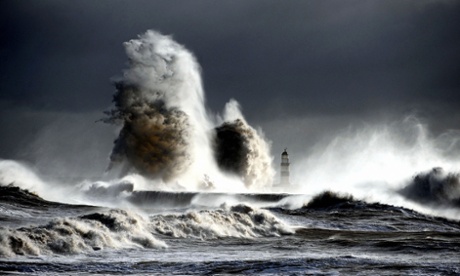
Blockbuster movies such as The Day After Tomorrow, 2012, and this year’s Interstellar paint an apocalyptic portrait of the havoc climate change can wreak on the planet. In The Day After Tomorrow, New York City freezes; crashing waves and churning seascapes bear down on a major urban centre – all because we left the lights on too long.
Interstellar goes even further. Drought and famine have devastated the planet, leaving the Earth unsuitable for growing food and supporting people. Astronauts must search the universe for livable habitats, places that require mind-boggling journeys through wormholes to visit. The films may be fictional, but the jarring images remain long after viewers leave the cinema.
Films get people talking – regardless of the accuracy of the script – and are an effective way to mobilise public opinion, even on a subject as complex and seemingly surreal as climate change. Just think of the roles brand-name products now play films. Research has demonstrated how putting products such as soft drinks, food and technology in movies increases viewers recognition and acceptance of – even desire for – the product. If a viewer has positive associations with a movie, he or she is likely to also have positive associations toward the brand of laptop or the kind of bottled water a popular character has in their home.
Filmmakers and film producers who are passionate about climate change effects are placing global warming messages in their work, hoping that such large-scale “product placement” will have an effect on audiences of all kinds – especially the same youthful demographic consumer product marketers target.
“We are all participating in the world together, which is all about our survival of the planet and humanity,” says Marc Forster, the German-Swiss filmmaker, who directed The Kite Runner and Quantum of Solace. He saw first-hand how film can be a change agent when he joined the jury of the Action4Climate film competition, which showcased climate change stories produced by young people all over the world.
Action4Climate, part of the World Bank’s Connect4Climate programme, ran a competition that inspired young directors around the world to send in their climate change stories. Action4Climate received 230 documentaries from 70 countries that “showed a new world of climate impacts, solutions, and actions to address one of our generation’s greatest challenges,” says Lucia Grenna, Project Manager of Connect4Climate.
The World Bank’s number one priority is to end poverty, but now ties that goal with the warming of the planet. “We will never end poverty if we do not tackle climate change,” said Jim Yong Kim, President of the World Bank. One of the methods they’re using to speak to the broadest audience possible about climate change is film.
Academy Award and Golden Globe-winning director Bernardo Bertolucci chaired the Action4Climate jury, and was amazed by the originality of the stories the competition produced: “[The films showed] genuine concern about the effects of climate change and described [them] from hundreds of different points of view,” he said. “Selecting winners was an almost impossible task.”
In the 18-35 age category, the $15,000 top prize went to the Portuguese filmmaker Gonçalo Tocha with his film The Trail of a Tale made in collaboration with Imagine2020 and the New Economics Foundation. This inspiring story revolves around a letter written in the future to people today about how the planet is going to prevail. Grenna emphasises: “The high standards of the Action4Climate documentaries will help viewers really understand how our climate is changing, what destruction this is causing, and inspire them to act.”
Independent film-makers are also jumping on the climate change bandwagon, and producing thought-provoking documentaries. Disruption details efforts of well-known activists to organise the world’s largest climate rally in history, The People’s Climate March. The film’s producers make their target audience perfectly clear: “We’re the first generation to feel the impacts of climate disruption, and the last generation that can do something about it.”
Disruption isn’t the only film to try to inspire people to act against climate change. Postcards from Climate Change, a project born out of Hurricane Sandy, shows people starting to rebuild their lives after the disaster. The organisation collects footage from filmmakers, and solicits ideas and material from budding videographers in order to spread the word that a changing climate has enormous impacts.
“Visual storytelling is one of the strongest tools in an activist’s toolbox,” says Melissa Body, the project’s spokeswoman. “Hearing personal stories about how climate change has impacted a person’s life – yet how they still have hope for positive change – is one way we can overcome the epic challenge we face and help us feel connected to one another in the midst of this challenge. It is only when people in large numbers start believing that change is possible that change actually becomes possible.”
How true. Films can be shown to large numbers of people, shared online and via social media. They can inspire people to think, and to act. They can also bring a near global challenge, such as overcoming the effects of climate change, to the forefront of public thought. They can make you reflect: what’s my #action4climate?
Content managed and produced by Connect4Climate